In today’s super busy world, keeping ourselves healthy has pretty much become a top priority for a lot of people. Trying to stay well often means checking out different supplements, each with its own set of perks. But here’s the thing — not all supplements are the same, and knowing what’s inside them is actually pretty important if you want to level up your health game.
In this article, we’re diving into the top ten key supplement ingredients that can really make a difference in how you feel and stay healthy. By figuring out what these main components are, you can make smarter choices when picking supplements — no more just grabbing whatever’s on the shelf! From vitamins and minerals to herbal extracts and amino acids, each one has its own way of helping boost your overall energy and vitality.
Getting a grip on the science behind these ingredients is actually pretty useful if you want to get the most out of them. When you understand what’s really going on, you can customize your supplement routine to fit your needs — making it easier to stay healthy and feeling good. So, let’s take a closer look at these essential pieces that can genuinely unlock better health and well-being.

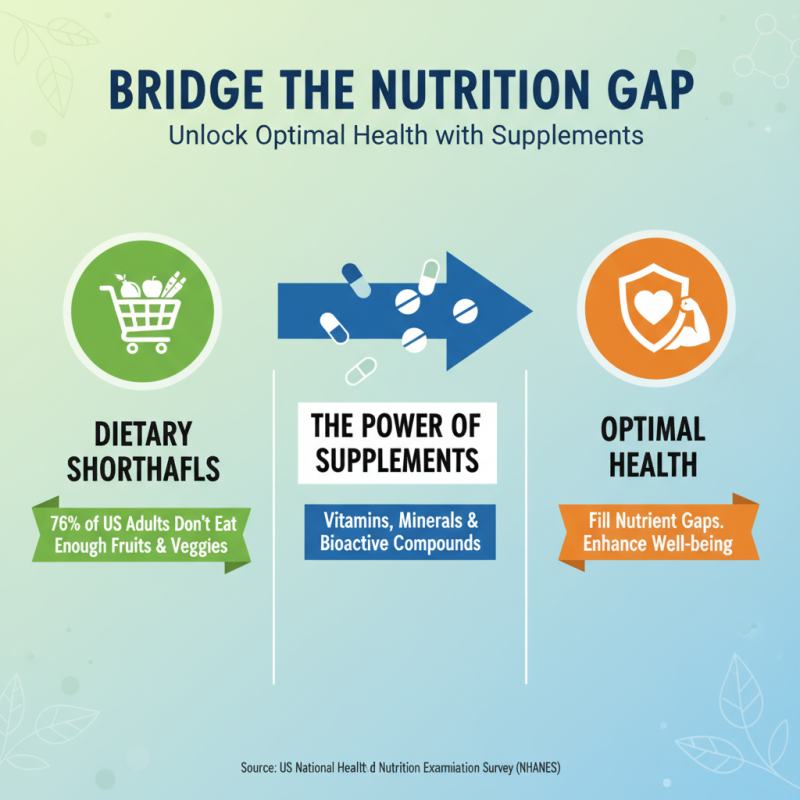
Supplements have emerged as crucial facilitators in the journey towards optimal health, especially in an age where dietary insufficiencies are prevalent. According to the United States National Health and Nutrition Examination Survey, about 76% of American adults do not consume adequate fruits and vegetables to meet dietary recommendations. This gap highlights the essential role that supplements can play in bridging nutritional deficiencies. Vitamins, minerals, and other bioactive compounds serve not just as supplements to diet but as potential game-changers for overall health optimization.
Furthermore, a report from the Council for Responsible Nutrition revealed that nearly three-quarters of U.S. adults take dietary supplements regularly, indicating a growing awareness of their benefits. These supplements can enhance immune function, support heart health, and promote cognitive performance, all pivotal aspects of maintaining a high quality of life. Research published in the Journal of Nutrition also suggests that certain components, such as omega-3 fatty acids and probiotics, can significantly improve mental and physical health outcomes. This demonstrates that understanding the importance and functionality of various supplement components is key to harnessing their full potential for health optimization.
Nutritional supplements play a vital role in supporting overall well-being, especially when dietary intake may fall short. Understanding the key components found in these supplements can help individuals make informed choices that align with their health goals. Among the most important components are vitamins and minerals, which are essential for maintaining various bodily functions. For instance, vitamin D supports bone health and immune function, while magnesium plays a crucial role in muscle and nerve function. Incorporating these nutrients into daily routines can immensely contribute to overall vitality and energy levels.
In addition to vitamins and minerals, other significant components include omega-3 fatty acids, probiotics, and antioxidants. Omega-3 fatty acids, primarily derived from fish oil or flaxseed, are recognized for promoting heart health and reducing inflammation. Probiotics, on the other hand, support digestive health and enhance gut microbiota, which can lead to better nutrient absorption and improved immune response. Antioxidants, found in various plant extracts and fruits, help combat oxidative stress, thereby protecting cells from damage and potentially reducing the risk of chronic diseases. By focusing on these core components, individuals can better tailor their supplement intake to foster optimal health and longevity.
Vitamins play a crucial role in supporting various bodily functions, acting as essential nutrients that help maintain overall health. According to the World Health Organization (WHO), vitamins are vital for numerous biochemical processes and metabolic reactions, with deficiencies potentially leading to significant health issues. For instance, a report by the National Institutes of Health (NIH) highlights that vitamin D deficiency can lead to impaired bone health, influencing conditions such as osteoporosis and rickets. Furthermore, B vitamins, including B12 and folate, are fundamental for energy production and cognitive function, with studies suggesting that inadequate intake in adults can be linked to increased risk of neurodegenerative diseases.
The human body requires a balanced intake of vitamins to function optimally. Research indicates that around 1 billion people worldwide are estimated to be vitamin D deficient, signaling a global public health issue. Another study from the Food and Nutrition Board reveals that adequate folate levels can reduce the risk of cardiovascular diseases by up to 27%. These findings underscore the importance of targeting sufficient vitamin intake as part of a comprehensive approach to health management. Ensuring a varied diet rich in fruits, vegetables, and whole grains is essential for obtaining the necessary vitamins that support immune function, cellular repair, and overall vitality.
Minerals play a vital role in maintaining optimal health, acting as essential building blocks for our body's numerous functions. Each mineral has a unique function, ranging from supporting bone structure to aiding in muscle contraction and nerve function. For instance, calcium is crucial for strong bones and teeth, while magnesium supports muscle and nerve function, and zinc is essential for a healthy immune system. Incorporating a variety of minerals into your diet is essential to ensure all bodily systems operate harmoniously.
Tips for enhancing mineral intake include focusing on whole foods rich in these nutrients. Leafy greens, nuts, seeds, whole grains, and legumes are excellent sources. Additionally, consider cooking techniques; steaming vegetables can help retain their mineral content better than boiling. It's also beneficial to be aware of factors that might affect mineral absorption, such as excessive consumption of coffee or alcohol, which can interfere with the body's uptake of certain minerals.
Another practical approach is to combine foods to enhance mineral absorption. For example, pairing vitamin C-rich foods with iron sources can significantly increase iron absorption in the body. Paying attention to the balance of mineral intake—ensuring you are not deficient in essential minerals—can directly impact your overall health and wellness.
Amino acids serve as the fundamental building blocks of proteins, playing a crucial role in muscle and tissue repair. When we engage in physical activity, our muscles experience micro-tears that require repair. This is where amino acids come into play, aiding in muscle recovery and growth. There are 20 different amino acids, nine of which are essential, meaning they must be obtained through our diet. These essential amino acids cannot be synthesized by the body and need to be consumed to ensure optimal functioning and health.
Leucine, isoleucine, and valine, known as branched-chain amino acids (BCAAs), are particularly important for athletes and those involved in regular exercise. They help reduce muscle soreness, decrease muscle fatigue during workouts, and promote the synthesis of new muscle protein. Additionally, amino acids contribute to other vital functions, such as hormone production and neurotransmitter synthesis, further underscoring their importance in our overall health. Including a balanced source of protein or amino acid supplements in your diet can provide the necessary support for muscle recovery, enhancing performance and promoting longevity in physical activity.
Herbal extracts have been a cornerstone of traditional medicine and are increasingly recognized for their potential to enhance wellness in modern health practices. These natural remedies are derived from various parts of plants, including leaves, roots, and flowers, each offering a unique profile of beneficial compounds. For instance, many herbal extracts are rich in antioxidants, which help combat oxidative stress and support overall immune function. Incorporating these extracts into daily wellness routines may provide a natural boost to both physical and mental health.
In recent years, specific herbal extracts have gained attention for their targeted benefits. For example, adaptogenic herbs like ashwagandha and rhodiola are known to help the body adapt to stress and maintain balance, improving resilience and mood. Additionally, extracts like turmeric, with its active compound curcumin, possess potent anti-inflammatory properties that may aid in joint health and reduce chronic pain. By understanding the unique properties and uses of various herbal extracts, individuals can make informed choices that align with their health goals, leading to enhanced vitality and well-being.
When it comes to choosing the right supplements, personalization is key. With the global dietary supplement market projected to reach $230 billion by 2027, it's clear that more individuals are seeking tailored health solutions. According to a report by the Council for Responsible Nutrition, 77% of American adults regularly take supplements to enhance their overall health and well-being. However, the effectiveness of these supplements largely depends on individual needs and health goals. For example, while some may benefit from omega-3 fatty acids for heart health, others might require vitamin D to address deficiencies linked to bone health.
Recent research highlights the importance of considering specific lifestyle and health factors when selecting supplement combinations. A comprehensive study published in the Journal of Nutrition indicated that individuals who tailored their supplement intake based on age, gender, and physical activity levels experienced more pronounced health benefits. For instance, older adults may need higher levels of calcium and magnesium, while athletes might prioritize branched-chain amino acids for muscle recovery. Therefore, assessing personal health profiles and consulting with healthcare professionals can lead to a more effective supplement regimen, ultimately helping individuals achieve optimal health outcomes.
This chart represents a health benefits score for the top 10 supplement components. The scores reflect their potential impact based on current research and expert opinions. Choosing the right combination of these supplements can help optimize individual health needs.
Recent clinical studies have highlighted the efficacy of S-Adenosyl Methionine (SAMe) as a significant factor in mood regulation. Researchers have noted that SAMe, a naturally occurring compound in the body, plays a vital role in neurotransmitter synthesis and metabolism, which are critical for maintaining balanced mood levels. According to a comprehensive analysis presented in the journal "Journal of Psychopharmacology," SAMe supplementation has been associated with a marked reduction in depressive symptoms, with some studies indicating effects comparable to traditional antidepressants. These findings underscore the potential of SAMe as a viable alternative for individuals seeking natural mood enhancement.
Additionally, SAMe exhibits several therapeutic benefits beyond mood support. It has demonstrated efficacy in improving liver function, making it suitable for cases of pre-cirrhosis and liver cirrhosis, as well as gestational intrahepatic cholestasis. The ability of SAMe to enhance joint health is also noteworthy, particularly in the context of osteoarthritis. According to a market analysis report from "Nutraceuticals World," the demand for SAMe-based supplements has seen a substantial rise, attributed to increasing consumer awareness of holistic health benefits. The product is typically offered in a white crystalline powder form, packaged with care to maintain stability, ensuring efficacy and quality for those looking to harness its health-promoting properties.
: Vitamins and minerals are essential for maintaining various bodily functions, including supporting bone health, immune function, muscle function, and overall vitality.
Omega-3 fatty acids promote heart health and reduce inflammation, making them a significant component in supporting overall well-being.
Probiotics support digestive health and enhance gut microbiota, leading to better nutrient absorption and improved immune response.
Antioxidants help combat oxidative stress, protecting cells from damage and potentially reducing the risk of chronic diseases.
Individuals can enhance their mineral intake by focusing on whole foods rich in minerals, such as leafy greens, nuts, seeds, whole grains, and legumes.
Steaming vegetables is a beneficial cooking technique that helps retain their mineral content better than boiling.
Pairing vitamin C-rich foods with iron sources can significantly increase iron absorption in the body.
Excessive consumption of coffee or alcohol can interfere with the body's uptake of certain minerals, impacting overall health.
Maintaining a balanced mineral intake ensures that all bodily systems operate harmoniously and can directly impact overall health and wellness.
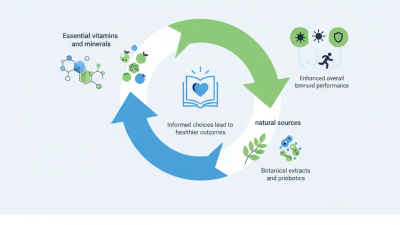
Understanding the key components of nutritional supplements helps individuals make informed choices that align with their health goals.
The article titled "Top 10 Supplement Components You Must Know for Optimal Health Benefits" emphasizes the crucial role of supplement components in enhancing overall health and well-being. It outlines the importance of nutritional supplements in health optimization, focusing on key components that contribute to daily wellness. Essential nutrients such as vitamins and minerals are highlighted for their supportive functions in the body, while amino acids are recognized as vital building blocks for muscle and tissue repair. Additionally, herbal extracts are presented as natural remedies that can promote enhanced wellness.
Finding the right combination of supplement components tailored to individual needs is essential for achieving optimal health benefits. By understanding these critical components, individuals can make informed decisions about their supplement choices, ensuring a balanced approach to their nutritional needs and overall health.