You know, in today’s world where everyone’s really into health and wellness, it’s no surprise that people are looking for nutritious and sustainable food options more than ever. That’s why Plant Protein has become such a popular choice for folks wanting to spice up their daily meals. Here at Xi'an Le-Nutra Ingredients Inc, we’re all about researching and providing natural, healthy raw materials that meet the growing needs of industries like nutraceuticals, food and drinks, as well as cosmetics and personal care products. Plant Protein, which comes from sources like legumes, nuts, and grains, isn’t just tasty — it brings a bunch of benefits that can really boost your overall health and well-being. In this post, I’ll walk you through seven awesome reasons to add Plant Protein to your diet. Not only does it help you get more nutrition, but it also supports sustainability and encourages a healthier lifestyle. So, come along as we dive into the fascinating world of Plant Protein and see how it can honestly change the way you eat for the better.
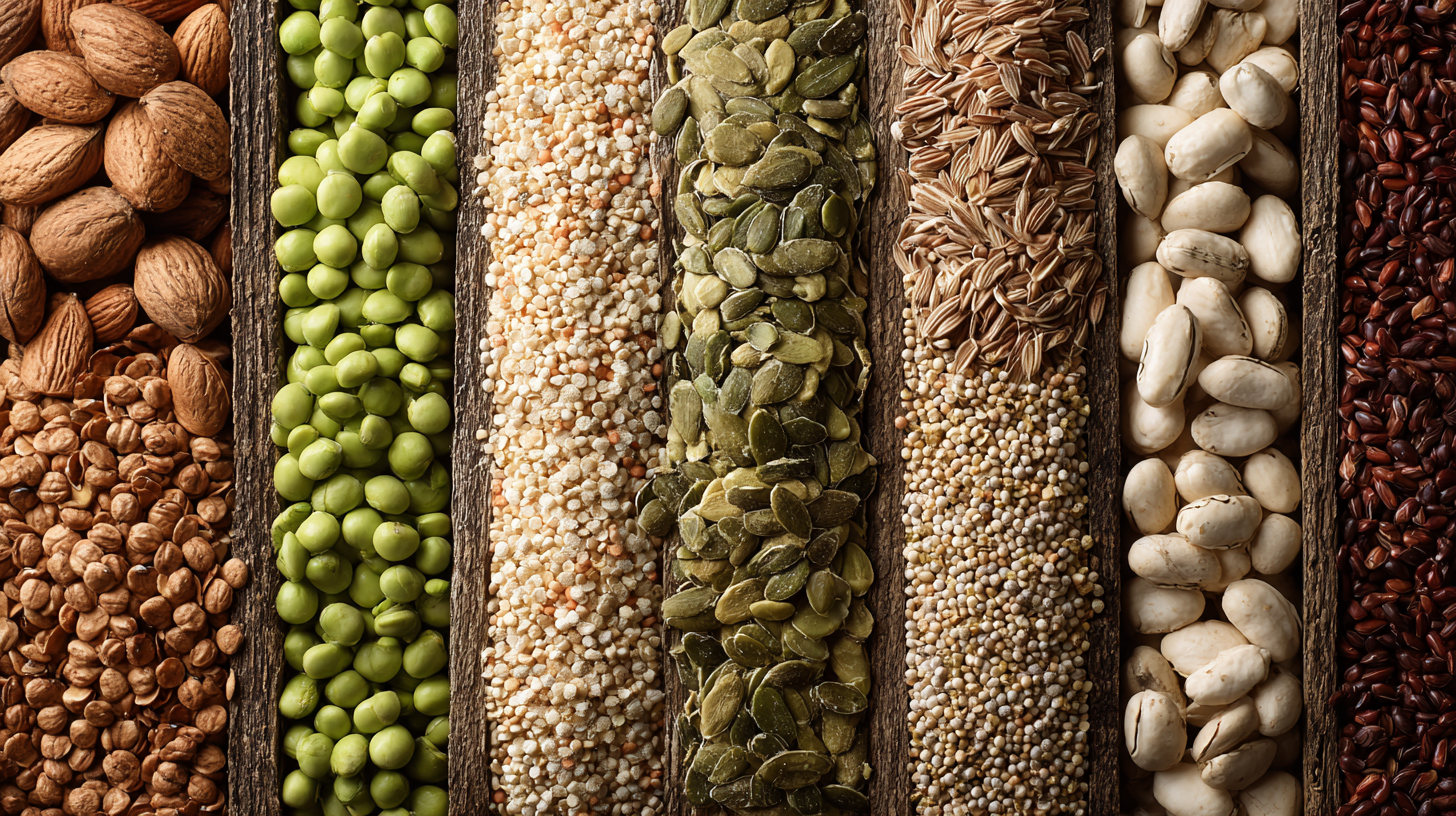
The Nutritional Superiority of Plant-Based Proteins
Lately, plant-based proteins have really been catching people’s attention because they’re seen as super nutritious. They offer a whole bunch of health perks that you might not get from traditional animal proteins. From what I’ve read recently, ditching the animal stuff a bit and boosting your plant proteins can actually slash your chances of heart issues, and it’s good for your overall heart health too. The reason? Well, plant proteins are packed with fiber, vitamins, antioxidants – stuff that’s essential for keeping your body in check. And it’s not just about heart health—pea protein, for example, is also being looked at for its potential to boost bone strength compared to dairy. Pretty interesting, right?
Also, this whole trend towards plant-based eating is not just about health; it’s also about doing our bit for the environment. Switching up our protein sources could seriously help make our food systems more sustainable. As more Canadians jump on this bandwagon, experts are saying that eating more plants isn’t just good for us—it can also help fight climate change. Here at Xi'an Le-Nutra Ingredients Inc, we’re passionate about pushing the boundaries of what plant-based nutrition can do. We focus on creating innovative, natural ingredients that support a healthier lifestyle while also respecting our planet. Basically, we’re here to help folks make better choices for themselves and for the Earth, one ingredient at a time.
Boosting Heart Health with Plant Proteins
Lately, there's been quite a bit of talk about how adding more plant proteins to our diets can actually do a lot of good—especially for our hearts. I came across a study in the Journal of the American College of Cardiology that kinda confirms this, saying that eating more plant proteins is linked to a lower chance of developing heart disease. Honestly, swapping out some of that animal stuff for plant-based options can cut your risk of heart problems by as much as 30%. Plus, it’s not just good for your heart—it's also in line with what the American Heart Association recommends: eating plenty of fruits, veggies, and legumes. So, it’s like hitting two birds with one stone.
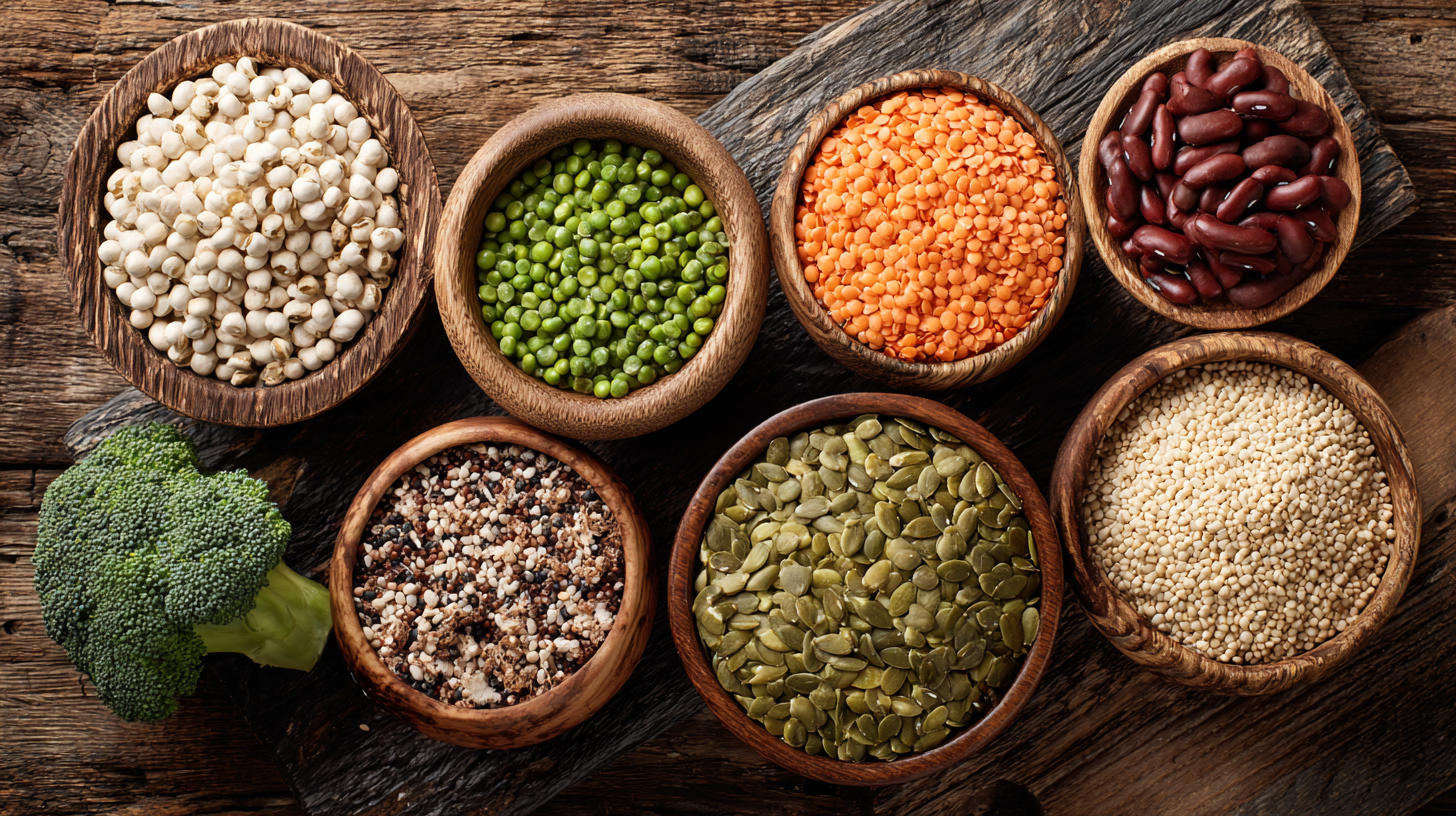
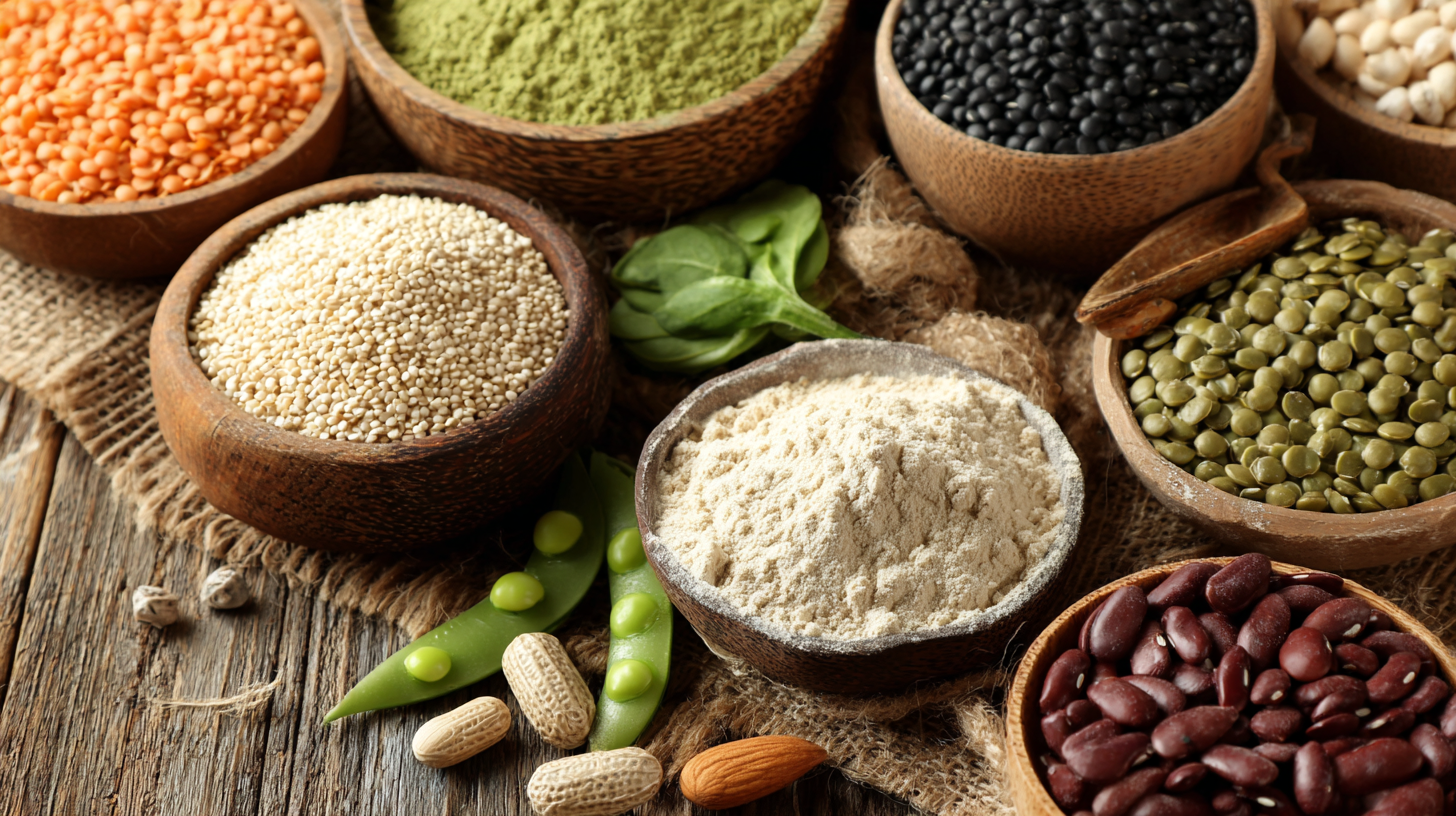
And here’s the cool part—plants are packed with fiber and tend to have less saturated fat. That makes them a smart choice if you're trying to keep your cholesterol in check. The World Health Organization even mentions that a high-fiber diet can help lower cholesterol and boost overall heart health. Foods like quinoa, lentils, and chickpeas are fantastic sources of plant protein and perfect for anyone looking to eat healthier without sacrificing flavor or variety. Honestly, just by being a bit more mindful and adding more plant-based stuff to your meals, you’re not only doing your heart a favor but also making your diet more interesting and nutritious.
Enhancing Digestive Wellness through Plant Protein Consumption
Plant protein has really become a key player when it comes to gut health, and honestly, it’s something a lot of folks tend to overlook.
Unlike animal proteins, plant-based sources are packed with dietary fiber, which is super important for keeping your digestive system happy. Fiber helps food move smoothly through your intestines, so you’re less likely to get constipated and your gut stays healthier overall.
Think foods like lentils, beans, and quinoa — they not only give you those essential amino acids but also pack enough fiber to keep everything functioning properly.
Plus, eating more plant protein kind of gives your gut microbiome a boost — and that’s a fancy way of saying it supports the good bacteria in your intestines. These little guys are totally essential for absorbing nutrients better and keeping your immune system in check.
When you mix up your diet with different kinds of plant-based proteins, you're basically creating a cozy environment for those beneficial bacteria to thrive, which can mean less bloating and better digestion all around.
Honestly, shifting toward more plant proteins isn’t just about digestion; it’s also a way to live a more sustainable and health-conscious life.
Win-win, right?
Eco-Friendly Benefits: Why Plant Proteins Are Better for the Planet
More and more folks are catching on to how plant proteins are not just good for your health, but also better for the planet. Honestly, they tend to be a lot gentler on our natural resources. For example, growing things like beans, nuts, and grains usually takes way less water and land than raising animals. That means fewer resources are used, which is a big plus when you're trying to do your part for sustainability. Plus, livestock farming actually pumps out quite a bit of greenhouse gases, which doesn’t exactly help fight climate change. Switching to plant-based proteins can cut down your carbon footprint pretty significantly. It’s a win-win — you get to eat healthier, and you’re helping protect the environment at the same time. Honestly, making that shift to more plant proteins isn’t just good for you; it’s like joining a global movement to make our food system more sustainable. Pretty cool, right?
Supporting Weight Management: Plant Proteins in Your Diet
Adding plant proteins into your daily meals can actually be a game-changer when it comes to managing your weight. They’re great at helping you feel full for longer, which means you might naturally eat less overall. Lots of studies have shown that foods like beans, nuts, and seeds not only satisfy your hunger but can also boost your metabolism and lower those hunger hormones that make you crave more. Honestly, it’s pretty cool how much of a difference it can make!
Plus, compared to animal-based proteins, plant sources tend to be lower in calories and fat—so they’re a smarter choice if you're trying to eat healthier. Switching to plant proteins isn’t just about weight; it can also give your overall health a boost. Some research even suggests that these proteins can help reduce inflammation and support your metabolism, making your weight management journey a bit easier. And the best part? There are tons of tasty options out there—from protein powders to whole foods—so adding them into your diet can be pretty simple and, let’s be honest, kinda fun. It’s definitely a step toward a healthier, more balanced lifestyle.”
7 Unbeatable Benefits of Choosing Plant Protein for Your Daily Diet
This chart demonstrates the seven key benefits of incorporating plant protein into your daily diet. Each benefit is measured by its significance in helping with various health aspects such as weight management, muscle maintenance, heart health, digestion, and more.
Versatile Cooking Tips for Incorporating Plant Proteins Daily
Incorporating plant proteins into your everyday meals isn’t just great for your health, but it also opens up tons of cooking possibilities. Honestly, one of the easiest ways to get started is by playing around with legumes like lentils, chickpeas, and black beans. They’re super versatile — toss them into salads, soups, or stews to amp up the protein and add some nice texture and flavor. When you’re in a hurry, a hearty lentil soup simmered with veggies and your favorite spices is a lifesaver — it’s cozy, nutritious, and keeps you full for ages.
Another idea? Try using plant-based protein powders. Mix them into your smoothies or oatmeal for a quick, protein-rich breakfast or post-workout snack. Just a heads up, different powders can taste pretty different, so it might take a bit of experimenting to find the one you really like. Plus, making energy balls or bars with nut butter, oats, and protein powder can be a game changer — they’re such convenient snacks that keep you satisfied and energized all day long.
And don’t forget about tofu or tempeh. These are awesome meat substitutes and can be used in so many ways. Grill them, toss them into stir-fries, or add them into your favorite dishes — they soak up flavors easily and pretty much take on whatever seasoning you throw at them. So, have fun exploring all the different ways to use plant proteins and get creative with your meals. It’s a fun way to spice things up and keep your diet interesting!
Enhancing Plant-Based Nutrition: The Role of Natural Wheat Oligopeptide Powder in Product Development
Natural wheat oligopeptide powder is rapidly emerging as a transformative ingredient in the realm of plant-based nutrition and product development. With its exceptional properties, hydrolyzed wheat protein not only contributes to the nutritional profile of products but also plays a crucial role in enhancing their functional benefits. This white to light grey powder boasts a high protein content of over 80%, making it an ideal choice for creating protein-rich formulations while remaining completely customizable to meet specific product requirements.
One of the standout features of wheat oligopeptide powder is its excellent water solubility, resulting in a very clear liquid formulation free from visible impurities. This quality ensures seamless incorporation into various products, from skin care serums and lotions to hair care masks and shampoos. The presence of a high proportion of protein hydrolysates with a molecular weight under 1000Da guarantees fast-acting benefits, enhancing moisturizing effects, repairing skin tissues, and improving overall texture in both skin and hair. Furthermore, the stability of enzymes within these formulations makes them highly effective for anti-aging treatments and mild cleansing products.
Incorporating natural wheat oligopeptide powder into your product line not only elevates the nutritional value but also aligns with the growing consumer preference for plant-based solutions. This innovative ingredient empowers brands to create effective, multifunctional products that cater to the evolving demands of health-conscious consumers, positioning them at the forefront of the wellness market.
FAQS
: Incorporating plant proteins can significantly boost heart health and is associated with a reduced risk of cardiovascular disease, specifically lowering heart disease risk by up to 30% when replacing animal proteins.
Plant proteins are high in fiber and low in saturated fat, which helps maintain healthy cholesterol levels and overall heart health.
Excellent sources of plant protein include quinoa, lentils, chickpeas, and various legumes.
You can add legumes like lentils and chickpeas to salads, soups, or stews, or use plant-based protein powders in smoothies or oatmeal.
A hearty lentil soup prepared with vegetables and spices is a quick and nutritious option for a meal.
Yes, plant-based protein powders can be mixed into smoothies or oatmeal and are especially useful for breakfast or post-workout meals.
You can make energy balls or bars with nut butter, oats, and protein powder, providing a nutritious and satiating snack option.
Tofu and tempeh can be grilled or stir-fried and can absorb flavors from various seasonings, making them versatile meat substitutes in many dishes.
Conclusion
Hey, in today’s world where everyone’s so into health and wellness, switching to plant proteins actually comes with some pretty awesome benefits that can really up your overall well-being. For starters, plant-based proteins tend to be more nutritious — they pack in essential amino acids, vitamins, and minerals, and they’ve got less saturated fat compared to animal proteins. Adding more plant proteins to your meals can do wonders for your heart too — helping to lower cholesterol and improve blood flow. Plus, they’re great for your digestion because they’re high in fiber, which keeps your gut happy and healthy.
And it’s not just about personal health; going for plant proteins also helps with managing your weight and is better for the environment. As more folks become conscious of their ecological impact, plant-based options are really gaining popularity as a sustainable choice that’s good for us and good for the planet. If you’re wondering how to sneak more plant protein into your diet, I’ve got some easy tips — they’re super versatile and can be thrown into pretty much anything you’re cooking.
Here at Xi'an Le-Nutra Ingredients Inc, we’re all about providing innovative, natural ingredients to help support a healthier lifestyle. We truly believe in the power of plant protein to make a difference — for your health and for the planet, too.