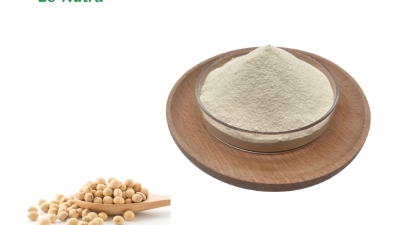
You know, the Small Peptide market is really picking up steam! It's on track to hit an impressive USD 100 billion by 2025, according to some of the latest reports floating around. What's driving this boom? Well, it's all about the rising demand for natural and innovative ingredients in various fields like nutraceuticals, food and beverages, and even cosmetics. Here at Xi'an Le-Nutra Ingredients Inc., we’re totally excited to be right in the thick of this change, working hard on our research, production, and marketing of top-notch raw materials. As we explore the best strategies and insights for buyers who are trying to navigate this ever-evolving landscape, grasping the finer details of Small Peptide applications is going to be super important. The promise that Small Peptides hold for boosting product effectiveness and making them more appealing to consumers really highlights how crucial it is to tap into these global opportunities. This could definitely set companies up for impressive growth and success in what’s becoming an increasingly competitive market.
You know, the small peptide market is really set to blow up by 2025, and there are some pretty interesting reasons behind it. According to a report from Grand View Research, the global peptide therapeutics market was valued at about $28 billion back in 2021, and it's expected to grow at a solid rate of 9.1% each year all the way through 2028. A big part of this growth has to do with the rising number of chronic diseases we’re seeing these days and the growing demand for treatments that are more targeted and personalized—exactly where small peptides fit in. Plus, there's this boom in biopharmaceutical companies that are diving into the research and development of peptide-based therapies, and that’s really pushing the entire market forward.
Another key player in this whole situation is the tech advancements in how we synthesize and purify peptides. A report from MarketsandMarkets mentions that innovations like nanotechnology and automated peptide synthesis are making it easier and more effective to produce peptides. This tech shift not only helps crank out high-quality peptides in larger quantities but also brings down costs, which is great news for buyers in different pharmaceutical fields. Oh, and let's not forget the growing interest in nutraceuticals and dietary supplements containing peptides—this is really opening up new doors for those in the market, showcasing just how versatile and useful small peptides really can be, beyond just the usual therapeutic stuff.
In today’s fast-paced small peptide market, finding the right supplier can make all the difference for buyers who want to seize global opportunities by 2025. I mean, with the huge rise in applications—from helping regulate glucose to shedding a few pounds—it's super important to connect with suppliers who not only whip up high-quality peptides but also get the variety of ways they’re used. Just look at the boom in GLP-1 class drugs; it really drives home how essential it is to partner with suppliers who are in tune with the latest peptide tech. That way, they can actually keep up with the ever-changing needs of the market.
When you're checking out potential suppliers, there are a few key things to keep in mind like their manufacturing abilities, how they handle quality control, and if they’re meeting all the regulatory requirements. Having a flexible supply chain is key, especially since the demand for peptides just keeps on growing. Suppliers who are committed to innovation and have a solid track record in tackling complicated projects can really give you an edge. So, by taking the time to assess all these factors, buyers will be in a way better spot to navigate this exciting market landscape effectively.
So, let's talk about the small peptide market and how buyers can really step up their game when it comes to negotiating. It’s like, these days, you really need some smart strategies in your back pocket. One of the cool things you can do is dig into data analytics. I mean, it’s super handy! It gives you these amazing insights into what’s happening in the market and how suppliers are holding up. If you track pricing trends, quality standards, and delivery times, you can totally make a solid case when you’re chatting with suppliers. This way, you’re not just hoping for a decent deal — you’ve got some real backup! Plus, knowing what your competition looks like can help you feel more confident and like you really know your stuff when you’re negotiating.
Another biggie? Building solid relationships with suppliers. Seriously, when you’ve got trust and keep the lines of communication open, it creates this vibe where everyone’s on the same team. You’d be surprised how much that can influence negotiations — it’s like, suppliers are often more willing to give you better terms when they see you as a partner, not just another buyer. And hey, don’t forget about shopping around! Looking at alternative suppliers can actually give you extra leverage. When you’ve got options, you can walk into those negotiations with way more confidence. All in all, these approaches can really help buyers tackle the ups and downs of the small peptide market and tap into some awesome global opportunities that really fit their goals.
So, when you look at the small peptide market as we head into 2025, there’s a ton of potential out there! But, here's the catch: buyers really need to stay on their toes with all the regulatory hoops and compliance stuff that’s part and parcel of this field. A recent report from Grand View Research has some pretty eye-opening projections; they say that the global peptide therapeutics market could hit a whopping 36.4 billion dollars by 2025. That's a solid 9.1% growth rate year over year! This boost isn’t just because everyone’s on the lookout for the next big therapy; it’s also due to a growing number of regulations that have come into play around peptide products.
Now, if you’re in the peptide buying game, you’ve got to navigate a pretty intricate web of rules. It's super important to get product development in sync with international regulations. Both the European Medicines Agency (EMA) and the U.S. Food and Drug Administration (FDA) have set the bar really high with their guidelines about what makes peptides effective and safe. A bit of a tricky spot is figuring out the difference between synthetic and natural peptides since the rules can vary quite a bit for each. For example, a 2022 study pointed out that around 65% of drug submissions based on peptides got held up because of missing paperwork related to compliance. It just goes to show how vital it is to fully grasp these regulations if you want to seize all the exciting opportunities that are coming down the line.
You know, in today's fast-changing global market, teaming up and forming partnerships really is key for companies that want to broaden their influence and reach. Take the small peptide market, for example—it's bursting with opportunities for everyone involved to get creative and succeed together. By pooling knowledge and resources, businesses can discover new ways to grow, catering to what different consumers want in sectors like nutraceuticals, food and beverages, and cosmetics.
Tip: Think about forming strategic alliances with companies that have skills that complement yours. Like, joining forces with research institutions could supercharge your product development and innovation efforts with small peptides, helping you stay ahead of market trends and what consumers are looking for.
And as collaboration becomes more and more important, businesses should definitely look at opportunities in international markets, especially in areas rich with biodiversity and natural resources. By partnering up with local suppliers and manufacturers, companies can tap into some unique raw materials that really set their products apart.
Tip: Always keep transparency and trust at the forefront of your partnerships. Building solid relationships with clear communication and fair practices can lead to long-lasting collaborations that benefit everyone involved, paving the way for sustainable growth in a competitive landscape.
You know, the small peptide market is really about to take off! By 2025, we’ll see a bunch of trends shaping how things look. As we move ahead, it’s super important for buyers to keep a close eye on the new uses for small peptides popping up in sectors like pharmaceuticals, cosmetics, and even the food industry. There’s a big push towards personalized medicine these days, which is really ramping up the demand for tailored therapeutic solutions. This is driving some serious innovation in how peptides are synthesized and formulated. Honestly, it’s a really exciting time for buyers to connect with suppliers who are leading the charge in research and development.
Looking down the road, digital tech is going to be a game changer in the small peptide arena. With artificial intelligence and machine learning stepping into the mix, we’re expecting a huge boost in production processes and efficiency. Buyers should definitely think about teaming up with manufacturers who are on the tech-savvy side. Those partnerships can really help in delivering top-notch, cost-effective products. Plus, let’s not forget about sustainability. It’s becoming a big deal, and buyers need to start checking out suppliers based on how green their practices are. By aligning themselves with forward-thinking manufacturers, buyers can really take advantage of the changing market trends and meet the growing consumer demand for innovative peptide solutions.
Unlocking Radiance: The Benefits of Premium Soybean Peptide Powder in Cosmetic Applications
The cosmetic industry is constantly evolving, and one ingredient that stands out for its myriad benefits is Hydrolyzed Soy Protein Powder, commonly referred to as Soy Peptide Powder. With a molecular weight of less than 2000 Da, this light yellow powder boasts incredible water solubility, creating a clear liquid that is free from impurities. The refined extraction process ensures a protein content of 98% or higher, making it an excellent addition to health and skin care products.
Incorporating Soy Peptide Powder into cosmetic formulations not only enhances the effectiveness of products like hand sanitizers and hair conditioners but also contributes to overall skin health. Its active ingredients work to improve digestion and reduce common health issues such as heart disease, diabetes, and obesity. Moreover, the fast-acting nature of this ingredient helps maintain enzyme stability, ensuring that cosmetics deliver their promised benefits quickly and effectively. As consumers continue to seek out natural and healthy options, the use of premium soybean peptide powder represents a forward-thinking choice in the quest for radiance and wellness.
: Buyers should consider manufacturing capabilities, quality control processes, regulatory compliance, and the supplier's commitment to innovation when selecting suppliers.
Buyers can leverage data analytics to gain insights into market trends and supplier performance, establish strong relationships with suppliers, and explore alternative suppliers to strengthen their negotiation position.
Key trends include the growing emphasis on personalized medicine, the integration of digital technology like AI and machine learning in peptide synthesis, and an increasing focus on sustainability.
Suppliers who understand the diverse applications of peptides can better meet dynamic market demands and provide tailored solutions for various sectors such as pharmaceuticals and cosmetics.
Suppliers with a proven track record of innovation can fulfill complex project requirements and keep pace with industry advancements, offering significant advantages to buyers.
Strong relationships foster trust and open communication, creating a collaborative environment that can lead to better terms and conditions during negotiations.
Buyers should assess suppliers based on their environmental practices and commitments as sustainability becomes increasingly critical in the small peptide sector.
By carefully assessing potential suppliers and adopting innovative negotiation strategies, buyers can navigate the market landscape effectively and unlock global opportunities.
The integration of AI and machine learning in peptide synthesis is expected to optimize production processes, enhance efficiency, and enable suppliers to deliver high-quality products.
The pharmaceutical, cosmetic, and food industries are expected to drive significant demand for small peptides, particularly with trends towards personalized medicine and innovative formulations.