Leave Your Message
0%

Lately, there's been a real buzz around plant-based diets, and honestly, it’s not hard to see why. More folks are really leaning into sustainable and ethical living these days. One especially exciting part of this trend is the growing interest in Vegan Peptide alternatives — these give you all the essential amino acids you need, but with a clear conscience about the environment and ethics. If you look at the latest numbers from the Plant-Based Foods Association, plant protein sales shot up by 27% over the past year — showing just how much consumer demand for plant-based ingredients is skyrocketing. At Xi'an Le-Nutra Ingredients Inc, we’re all about this movement. We’re focused on researching, producing, and marketing natural, healthy, and innovative raw materials that support this shift. Our mission fits perfectly with the rise of Vegan Peptides—we aim to provide top-quality ingredients for nutraceuticals, foods and drinks, as well as cosmetics and personal care products. Ultimately, we’re dedicated to helping folks live more sustainably and contribute to a healthier planet — one ingredient at a time.
Exploring Vegan Peptide Alternatives for a Sustainable Lifestyle

Understanding Vegan Peptides: What Are They and Why Do They Matter?

Hey, you know those vegan peptides? They’re these really cool bioactive compounds coming from plants — no animal products involved. Basically, they’re tiny chains of amino acids that you can find in things like beans, grains, and soy. So, if you’re into living more sustainably or just trying to eat healthier, these peptides are a pretty great option. As more folks wake up to environmental issues and look for better dietary choices, vegan peptides offer a way to boost nutrition without hurting the planet.

At Xi'an Le-Nutra Ingredients Inc, we’re all about these kinds of innovative raw materials. We focus a lot on researching and producing natural, healthy ingredients that can be used across nutraceuticals, foods, and cosmetics. Vegan peptides aren’t just good for your body—they also fit perfectly with a more ethical way of living. As consumers become more conscious about what they’re putting into their bodies and the environment, we believe incorporating vegan peptides into different products will become even more important. It’s really about combining health and sustainability in a way that benefits everyone.

Vegan Peptides: Nutritional Comparison

This chart illustrates the average protein content in various plant-based sources of peptides. It highlights the nutritional value of these vegan options, supporting the shift towards a sustainable lifestyle.

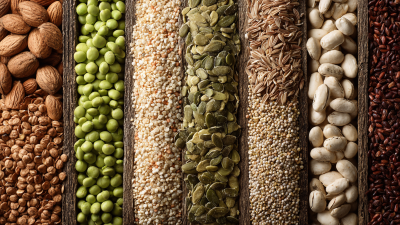
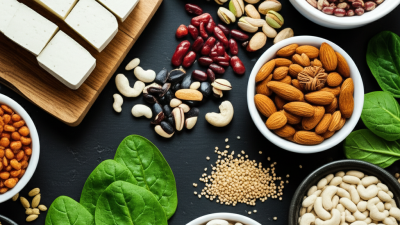
Top Plant-Based Sources of Peptides for Vegan Diets

Switching over to a vegan lifestyle? That’s awesome! Just a heads-up, it’s super important to make sure you're still hitting your protein and peptide needs. Peptides, if you’re not familiar, are these short chains of amino acids that do a ton for your body—like helping your muscles recover and keeping your immune system on point. Luckily, there are plenty of plant-based foods rich in peptides that you can easily add to your meals.

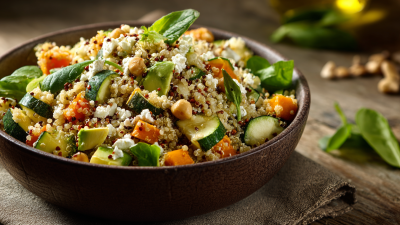
For example, legumes like lentils, chickpeas, and black beans are fantastic sources. Not only do they pack a punch in protein, but they also come with fiber that’s great for your gut. Toss them into salads, stews, or make veggie burgers—your body will thank you! Oh, and don’t forget quinoa; it’s a complete protein, meaning it has all the essential amino acids—perfect if you’re into working out or just want to support your recovery.

**Pro tip:** To get the most out of those peptides, try sprouting your legumes or grains before cooking. It makes them easier to digest and boosts nutrient absorption. Another good idea? Mix up your plant foods—like pairing rice with beans—to get a better balance of amino acids and max out the nutritional goodness of your meals.

Exploring Vegan Peptide Alternatives for a Sustainable Lifestyle - Top Plant-Based Sources of Peptides for Vegan Diets

Plant Source Type of Peptides Nutritional Benefits Common Uses
Soybeans Soy Peptides Rich in protein, heart health Tofu, tempeh, protein powders
Peas Pea Protein Peptides Muscle recovery, lean muscle Protein powders, bars, smoothies
Hemp Seeds Hemp Protein Peptides Rich in omega-3, energy boosting Smoothies, baking, salads
Brown Rice Rice Peptides Digestive health, gluten-free Protein shakes, baking
Chia Seeds Chia Peptides High in fiber, antioxidants Puddings, smoothies, baking

Comparing Vegan Peptide Alternatives with Animal-Derived Proteins

Hey there! So, you know how more people are jumping on the plant-based bandwagon lately? Well, a lot of folks are now looking into vegan peptide alternatives instead of traditional animal proteins. According to some research by the Good Food Institute, the plant-based protein market is expected to grow pretty rapidly—like around 11.9% annually from 2021 to 2027. Stuff like peptides made from peas, brown rice, and hemp aren’t just packing good protein; they’re also full of other nutrients that are great for your health. It’s honestly a pretty tempting choice if you’re into staying healthy.

When you compare vegan peptides with animal-based proteins, a key thing to look at is the amino acid profiles. Animal proteins are what we call 'complete proteins,' meaning they have all the essential amino acids your body needs. But don’t worry—many plant sources can team up to reach that same level. For example, mixing legumes and grains in your meals can really boost the protein quality of a vegan dish. Plus, choosing plant-based options lets you avoid some of the ethical and environmental issues tied to meat production—which, by the way, the UN says is responsible for about 14.5% of global greenhouse gases. Kind of eye-opening, right?

Tip 1: Make your meals more complete by adding a variety of plant proteins like quinoa and lentils. It’s a simple trick to get all those amino acids in.

Tip 2: Check out vegan protein powders that are fortified—they often have a good mix of amino acids and are super easy to toss into smoothies or baked treats.

Tip 3: Keep an eye on how switching to plant-based foods can help the environment. Studies show that going vegan or reducing meat intake can really cut down your carbon footprint. So, it’s good for your health and the planet!

Hope that helps make the switch a little easier—or at least more interesting!

The Role of Vegan Peptides in Muscle Recovery and Performance

You know, as more folks get serious about living sustainably, vegan peptides are really starting to stand out in the world of muscle recovery and athletic performance. They're not like those animal-based options — plant-based peptides come with a bunch of perks and are much friendlier to the environment. Usually pulled from stuff like beans, grains, and seeds, these peptides do a pretty awesome job of giving your body the amino acids it needs to heal and grow muscles, plus they boost your overall health. Studies show that vegan peptides can help your muscles make protein faster, cut down recovery time, and even give your workouts a bit of an extra kick. So, they're not just for pro athletes — anyone into fitness or just wanting to stay healthy might wanna check them out.

At Xi'an Le-Nutra Ingredients Inc., we’re all about pushing the boundaries with innovative, healthy raw ingredients. We’re really excited about exploring the potential of vegan peptides — harnessing nature’s power to create next-level health products. Our goal is to develop top-notch nutraceuticals that fit into the growing trend of plant-based nutrition. By focusing on producing and sharing these ingredients, we’re also doing our bit to help make the food system more sustainable. Plus, offering people effective options for muscle recovery and boosting athletic performance. Honestly, jumping on the vegan peptide bandwagon isn’t just a passing trend — it’s a meaningful step towards living healthier and taking better care of our planet.

Sustainable Practices in Sourcing Vegan Peptide Ingredients

Hey, you know, when we're trying to live more sustainably, finding plant-based ingredients has become a big deal—especially when it comes to vegan peptides. These alternatives not only boost health and wellness but also help reduce our environmental footprint. At Xi'an Le-Nutra Ingredients Inc, we're really passionate about offering innovative, nature-derived raw materials that line up with these values. We put a lot of effort into sourcing responsibly, making sure we respect both the planet and the folks who grow these vital ingredients.

As demand for vegan peptides in health supplements and personal care products keeps growing, it’s clear that responsible sourcing is more important than ever. We’ve invested in thorough research and creative methods to develop top-quality, plant-based peptides that benefit our customers—without compromising sustainability. By working closely with local farmers and suppliers who follow eco-friendly practices, we can confidently say that our products not only meet high standards but also give back to the planet. In the end, it's all about working together to build a healthier future—one that cares about both our own wellbeing and the health of the earth.

Revitalize Your Beauty Routine: The Benefits of Natural Vegan Hydrolysed Rice Protein for Hair and Skin Care

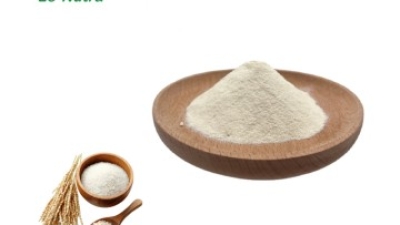
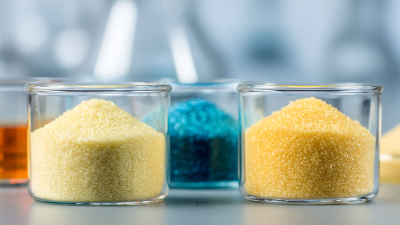
Revitalizing your beauty routine with natural ingredients can make a profound difference, especially when it comes to caring for your hair and skin. One standout ingredient in this pursuit is Hydrolyzed Rice Protein. This light yellow powder boasts a protein content of over 80%, making it a superb choice for deeply moisturizing and repairing damaged hair and skin. With an average molecular weight of no more than 2,000 Dalton, it easily penetrates the skin and hair, delivering nourishment where it is needed most.

The benefits of Hydrolyzed Rice Protein extend beyond mere hydration. Its antioxidant properties help combat environmental stressors, while its soothing effects make it suitable for sensitive skin care products. The clear and transparent aqueous solution it forms not only enhances product aesthetics but also ensures a gentle cleansing experience when used in mild cleansing products. Whether you’re looking to nourish your locks or soothe your complexion, this versatile ingredient can elevate your beauty regime. Just remember to store it properly—sealed in a cool, dry place away from direct sunlight and humidity—to maintain its efficacy.

FAQS

: What are peptides and why are they important in a vegan diet?

: Peptides are short chains of amino acids that play critical roles in various bodily functions, including muscle recovery and immune support. In a vegan diet, it's important to ensure adequate intake of these essential nutrients.

What are some top plant-based sources of peptides?

Excellent sources of peptides include legumes (like lentils, chickpeas, and black beans), quinoa, peas, brown rice, and hemp. These foods can be easily incorporated into meals to boost peptide intake.

How can I enhance the absorption of peptides in my diet?

To maximize peptide absorption, try sprouting your legumes or grains before cooking. This process enhances digestibility and nutrient availability, allowing your body to utilize peptides more effectively.

Are vegan peptides comparable to animal-derived proteins?

Yes, while animal proteins are considered complete proteins, many plant sources can be combined to achieve similar levels of essential amino acids. Pairing legumes with grains is a common way to enhance the protein quality of a vegan meal.

Can vegan peptides support muscle recovery and performance?

Absolutely. Vegan peptides provide essential amino acids necessary for muscle recovery, can reduce recovery times, and enhance athletic performance, making them suitable for both professional athletes and fitness enthusiasts.

What are the environmental benefits of adopting vegan peptides?

Switching to vegan peptide sources helps reduce the carbon footprint and minimizes the ethical and environmental concerns associated with meat production, which contributes to a significant percentage of global greenhouse gas emissions.

How can I ensure I get a complete amino acid profile on a vegan diet?

Incorporate a variety of plant protein sources in your meals, like quinoa and lentils, and look for fortified vegan protein powders that offer a balanced blend of amino acids to ensure you’re receiving all necessary nutrients.

What is the future of the plant-based protein market?

The plant-based protein market is expected to grow at a CAGR of 11.9% from 2021 to 2027, indicating a rising interest in vegan diets and peptides among consumers looking for health-conscious alternatives.

How do I incorporate vegan peptides into my meals?

You can add vegan peptides to your diet by using them in smoothies, baked goods, or incorporating leguminous and grain-based dishes into your meals, such as salads, soups, and veggie burgers.

Conclusion

Lately, there’s been a real buzz around Vegan Peptides, with more folks jumping on the plant-based bandwagon for their health and the planet. Honestly, understanding vegan peptides—these tiny protein pieces from plants—really shows how important they are in our diets, especially if you're looking for good alternatives to animal proteins. They're not just about supplying those essential amino acids; they also play a big role in muscle repair and athletic performance, which pretty cool if you’re into working out or just staying active.

We've looked into some of the top plant-based sources for these peptides—things like legumes, seeds, and all sorts of veggies. There’s a whole range of options out there that can fit nicely into a vegan lifestyle. Plus, when you compare these plant options to traditional animal proteins, they really hold up in terms of benefits and sustainability. At Xi'an Le-Nutra Ingredients Inc, we’re all about sourcing natural, healthy ingredients that align with sustainable living. Our goal is to make sure what we offer not only supports your health but also helps protect the environment — so it’s a win-win all around.
Oliver

Oliver

Oliver is a dedicated marketing professional with extensive expertise in the research and production of natural, healthy, and innovative raw materials. He plays a crucial role in our company's mission to provide high-quality ingredients for nutraceuticals, food and beverage, as well as cosmetics......
Previous Navigating Challenges in Sourcing the Best Plant Concentrate: Key Insights for Global Buyers