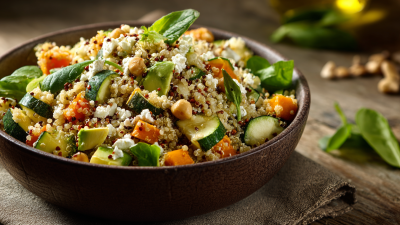
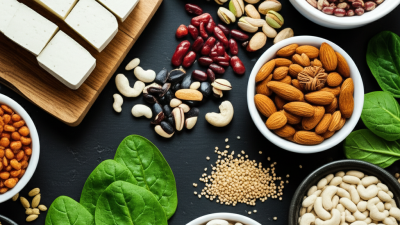
Lately, we’ve been seeing a big rise in the popularity of plant-based proteins, as more people are jumping on the vegetarian bandwagon — whether it’s for health reasons, ethical concerns, or just to help out with the environment. With the market growing so fast, it’s super important to know what some of the best vegetarian protein sources are. Not only do they pack a punch when it comes to essential nutrients, but they also fit a bunch of different tastes and cooking styles. In this piece, I’ll walk you through the top 10 vegetarian proteins out there, highlighting their health perks and sharing some recent industry updates that can help you make smarter choices about what you put on your plate.
Honestly, the options today are pretty incredible — from legumes and grains to nuts and seeds, there’s something for everyone. Each one offers its own set of benefits, like aiding digestion, lowering bad cholesterol, or helping your muscles recover after a workout. Companies like Beyond Meat and Impossible Foods are really shaking things up with their innovative meat alternatives, and they’re even convincing folks who normally eat meat to add more plant-based proteins to their diets. So, stick with me as we explore some of the best vegetarian protein sources out there — they’ll fuel your body and help support a more sustainable planet at the same time.
Top 10 Vegetarian Protein Sources: A Comprehensive Analysis for 2025
As we look toward 2025, the demand for vegetarian protein sources continues to gain traction, driven by growing awareness of health, sustainability, and ethical eating habits. According to industry reports, the plant-based protein market is projected to reach over $27 billion by 2025, reflecting a significant shift in dietary preferences. Notably, sources such as lentils, chickpeas, and tempeh are emerging as key players, not only for their protein content but also for their rich vitamin and mineral profiles, which contribute to overall health and wellness.
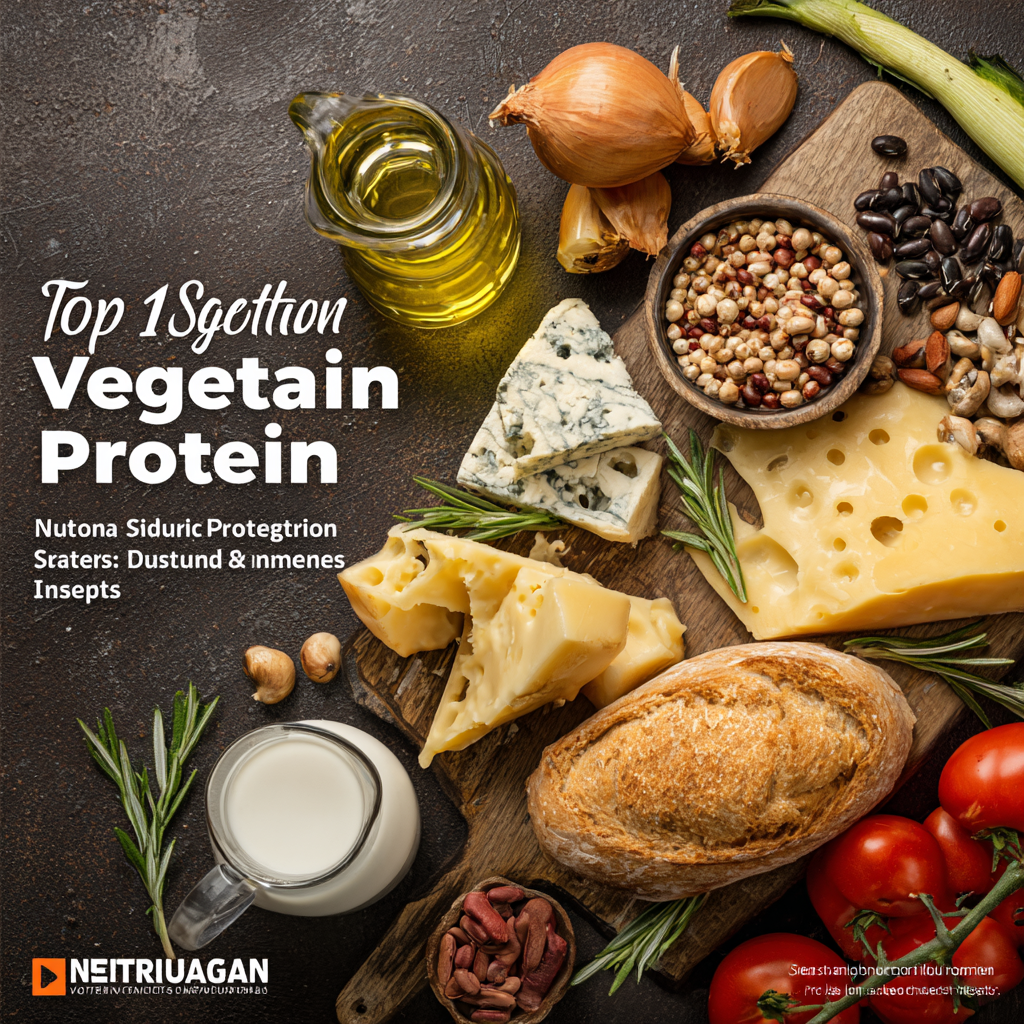
Tips: When incorporating vegetarian proteins into your diet, consider balancing your protein intake with a variety of sources. This not only enhances the nutritional value but can also improve digestion and absorption of nutrients. Additionally, diversifying your protein sources can support muscle building and weight management effectively.
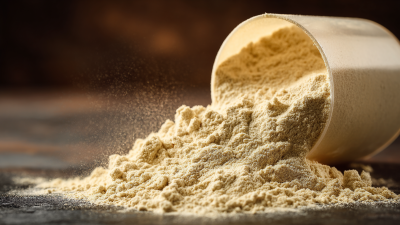
Recent studies spotlight the growing interest in vegan protein powders, heralded for their convenience and effectiveness. With advancements in extraction technologies, such as ultrasound-assisted methods, these products are becoming more efficient while retaining vital nutrients. Individuals looking to enhance performance through nutrition can benefit from integrating these innovative protein sources into their routine.
Understanding the Nutritional Profiles of Leading Vegetarian Proteins
When exploring the nutritional profiles of leading vegetarian protein sources, it is essential to recognize the diverse benefits each option offers. Legumes, for example, such as lentils and chickpeas, are not only rich in protein but also provide a significant amount of dietary fiber, iron, and various essential vitamins. This combination makes them an excellent choice for maintaining digestive health while also combating iron deficiency, which can be a concern for those on vegetarian diets.
Tofu and tempeh, derived from soybeans, represent another powerhouse of vegetarian proteins. Tofu is versatile and absorbs flavors well, making it a favorite in various culinary applications. It is an excellent source of calcium and contains all nine essential amino acids, thus providing a complete protein profile. Similarly, tempeh is fermented, which not only enhances its nutritional value by increasing the bioavailability of nutrients but also contributes beneficial probiotics for gut health. The incorporation of these protein sources into a vegetarian diet can help meet daily protein requirements while supporting overall health and wellness.
Market Trends: The Growing Demand for Plant-Based Protein Sources
The rising consumer awareness about health, sustainability, and ethical eating has significantly boosted the demand for plant-based protein sources in recent years. This shift in dietary preferences is propelled by an increasing number of people adopting vegetarian and vegan lifestyles, coupled with a growing recognition of the environmental impact of animal agriculture. As consumers seek alternatives to meat, industries are responding by innovating and diversifying their product offerings to include a wide range of vegetarian protein options.
Market trends indicate that plant-based proteins are not just a passing fad but a fundamental transformation in the food sector. Retail analysis shows a surge in the availability of plant-based protein products, from legumes and nuts to specialized items like pea protein and tempeh. Major food companies are investing heavily in research and development to create more appealing and accessible products. This trend not only reflects changing consumer preferences but also highlights the potential for growth in the health food market, making plant-based proteins a key area for future investment and innovation.
Comparative Analysis: Protein Content in Vegetarian vs. Animal Sources
In recent studies, a comparative analysis of protein sources reveals that plant-based proteins can match the muscle-building effectiveness of animal-derived proteins. Notably, research shows that individuals consuming plant proteins, such as soy, exhibit similar muscle protein synthesis to those consuming animal proteins, challenging the long-standing belief that meat is superior for muscle gain. This insight is particularly relevant for those following vegetarian or vegan diets, as it suggests that a plant-based regimen can effectively support strength training goals.
**Tips for Maximizing Protein Intake on a Vegetarian Diet:**
- **Combine Protein Sources:** To enhance the amino acid profile of your meals, mix different plant-based proteins such as beans and rice or lentils and quinoa.
- **Consider Protein Timing:** Although total daily protein intake is crucial, consuming protein-rich meals or snacks around workout times can be beneficial for muscle recovery and growth.
- **Explore Alternatives:** With the rise of soy and other plant protein analogues, you can find eco-friendly options that provide comparable protein quality to traditional meats while minimizing environmental impact.
Top 10 Vegetarian Protein Sources: Nutritional Benefits & Industry Insights
| Protein Source |
Protein Content (g per 100g) |
Other Nutritional Benefits |
Common Uses |
| Lentils |
9 |
High in fiber, iron, and folate |
Soups, salads, and stews |
| Chickpeas |
9 |
Rich in fiber and manganese |
Curries, dips, and salads |
| Quinoa |
4 |
Complete protein and high in magnesium |
Salads and side dishes |
| Tofu |
8 |
High in calcium and iron |
Stir-fries and sandwiches |
| Hemp Seeds |
31 |
Rich in omega-3 fatty acids and magnesium |
Smoothies and salads |
| Chia Seeds |
17 |
High in antioxidants and fiber |
Puddings and smoothies |
| Edamame |
11 |
High in folate and vitamin K |
Snacks and salads |
| Green Peas |
5 |
Rich in vitamins A, C, and K |
Soups and side dishes |
| Nutritional Yeast |
50 |
Rich in B-vitamins and protein |
Seasoning and sauces |
| Peanut Butter |
25 |
High in healthy fats and vitamin E |
Spreads and smoothies |
Consumer Insights: The Shift Towards Vegetarian Diets in 2025
As we approach 2025, there is a noticeable shift in consumer preferences towards vegetarian diets, fueled by increased awareness of health, environmental sustainability, and ethical concerns regarding animal welfare. Many individuals now perceive plant-based diets as not only a viable alternative but also as a more nutritious option that can meet their protein needs. This transition is marked by a growing interest in vegetarian protein sources such as legumes, quinoa, nuts, and seeds, which are celebrated for their health benefits, including lower cholesterol levels and reduced risk of chronic diseases.
In response to this rising demand for vegetarian options, food manufacturers are adapting their strategies to cater to the evolving market. The increase in product innovation around plant-based proteins reflects a broader trend in the industry, with many companies investing in research and development to enhance the nutritional profiles and sensory qualities of vegetarian products. As consumers become more discerning about their food choices, the focus on sourcing and ingredient quality is paramount. This transformation in dietary habits not only reshapes the food landscape but also presents exciting opportunities for businesses that prioritize sustainability and health in their offerings.
Environmental Impact: Sustainability of Vegetarian Protein Production
The environmental impact of vegetarian protein production is significantly different from that of traditional animal farming. Plant-based proteins, such as legumes, nuts, and grains, require far fewer natural resources. For instance, the water footprint of producing soybeans or lentils is considerably smaller than that of raising cattle. Additionally, plant proteins can be cultivated in a variety of environments, leading to reduced land degradation and deforestation. By shifting towards vegetarian protein sources, we can dramatically lower greenhouse gas emissions, which are a major contributor to climate change.
Sustainability in vegetarian protein production not only benefits the planet but also enhances food security. As the global population continues to rise, the demand for sustainable protein sources becomes more pressing. Investing in agricultural technologies and methods that maximize efficiency can lead to increased yields, further supporting the goal of feeding the world while maintaining ecological balance. Overall, transitioning to vegetarian protein sources presents a viable pathway for achieving sustainable food systems that minimize harm to the environment and promote health for both people and the planet.
Unlocking Beauty: The Impact of Natural Vegan Hydrolysed Rice Protein on Hair and Skin Care – Insights from Industry Reports
The beauty industry is increasingly recognizing the transformative power of natural ingredients, with hydrolyzed rice protein emerging as a standout component in hair and skin care formulations. This light yellow powder, known for its high protein content of at least 80%, boasts a unique molecular weight of no more than 2,000 Dalton. This characteristic allows it to penetrate hair and skin effectively, providing deep moisturizing and repairing benefits. Moreover, its clear and transparent aqueous solution indicates purity, making it an ideal choice for products aimed at sensitive skin.
Hydrolyzed rice protein's gentle yet potent properties make it especially suitable for a variety of applications, including sensitive skin care products, mild cleansing formulas, and enhanced hair care treatments. Its effects extend beyond hydration; this ingredient also serves as an antioxidant and soothing agent, addressing common concerns such as irritation and damage. By maintaining a pH level between 5.5 and 7.5, it aligns perfectly with the natural pH of skin and hair, ensuring that formulations are both effective and comfortable to use. The importance of proper storage cannot be overlooked, as keeping this product sealed in a cool, dry place away from direct sunlight and humidity is essential to maintain its efficacy.
FAQS
: Legumes are rich in protein, dietary fiber, iron, and various essential vitamins, making them an excellent choice for maintaining digestive health and combating iron deficiency.
Both tofu and tempeh are derived from soybeans and are excellent sources of protein. Tofu is versatile, absorbs flavors well, and contains all nine essential amino acids, while tempeh is fermented, enhancing its nutritional value and providing probiotics for gut health.
Amino acids are the building blocks of proteins. Sources like tofu contain all nine essential amino acids, providing a complete protein profile important for overall health, especially in vegetarian diets.
Increased awareness of health, environmental sustainability, and ethical concerns regarding animal welfare are driving the shift towards vegetarian diets, which many view as more nutritious and viable alternatives.
Popular vegetarian protein sources include legumes, quinoa, nuts, and seeds, which are known for their health benefits and ability to lower cholesterol levels and reduce chronic disease risk.
Food manufacturers are adapting by innovating plant-based products, focusing on enhancing nutritional profiles and sensory qualities to meet the evolving preferences of consumers.
Transparency, sourcing, and ingredient quality are paramount as consumers become more discerning about their food choices, driving changes in dietary habits and market trends.
Incorporating vegetarian protein sources helps meet daily protein requirements and contributes to overall health by providing essential nutrients and reducing the risk of chronic diseases.
Product innovation is key in the vegetarian food market as it allows companies to improve the nutritional content and sensory appeal of their offerings, catering to the growing consumer demand for plant-based diets.
This shift creates opportunities for businesses that prioritize sustainability and health in their offerings, allowing them to tap into a growing market of health-conscious consumers.
Conclusion
The article "Top 10 Vegetarian Protein Sources: Nutritional Benefits & Industry Insights" provides an in-depth analysis of the leading vegetarian protein sources projected to thrive by 2025. It explores the nutritional profiles of these proteins and emphasizes their growing importance due to market trends indicating an increased demand for plant-based options. A comparative analysis highlights the protein content in vegetarian versus animal sources, showcasing the effectiveness of vegetarian protein in meeting dietary needs.
Additionally, consumer insights reveal a significant shift towards vegetarian diets, driven by health consciousness and sustainability concerns. The article also discusses the environmental impact of vegetarian protein production, aligning with the commitment of companies like Xi'an Le-Nutra Ingredients Inc. to provide innovative, natural raw materials that support nutraceuticals and food industries. This comprehensive overview serves as a vital resource for understanding the future of vegetarian protein in a rapidly evolving market.