Leave Your Message
Lately, there's been a lot of buzz about Wheat Oligopeptide and its potential really impressive benefits, especially in the world of nutraceuticals and functional foods. Basically, it's a bioactive compound that comes from wheat protein, and studies show it has pretty remarkable antioxidant and anti-inflammatory effects. That makes it super interesting as an ingredient for improving health and providing added nutritional value.
I also came across a report from Grand View Research saying the global market for nutritional supplements might hit around USD 278 billion by 2024 — definitely a sign that more people are looking for natural and innovative ways to stay healthy.
Here at Xi'an Le-Nutra Ingredients Inc, we’re really passionate about harnessing the power of Wheat Oligopeptide to craft high-quality, natural ingredients that meet current industry trends and what consumers are craving. By tapping into what Wheat Oligopeptide can do, our goal is to help promote healthier lifestyles and boost overall well-being across various sectors — whether it’s in supplements, food and drinks, or even cosmetics.
Wheat oligopeptides, which come from breaking down wheat proteins, actually pack a pretty impressive nutritional punch. They contain a mix of essential and non-essential amino acids, vitamins, and some pretty interesting bioactive compounds. What’s really cool is that these tiny peptides are super easy for your body to absorb, so your body can put them to work more effectively. Studies have shown that wheat oligopeptides can help with protein building, speed up muscle recovery, and boost overall metabolic health. That’s why they’re becoming a popular ingredient in a bunch of health-focused products.
Here at Xi'an Le-Nutra Ingredients Inc, we’re all about harnessing the potential of wheat oligopeptides. We use them to develop innovative, natural raw materials that really support wellness. Our team puts a lot of effort into research and development, so we can discover and showcase new benefits of these peptides. You’ll find them in everything from supplements and functional foods to drinks and even some cosmetic products. By focusing on wheat oligopeptides, our goal is to help people improve their nutrition and overall health naturally. We want to make products that truly make a difference for those looking for effective, natural solutions to stay healthy and feel their best.
| Nutritional Component | Amount per 100g | Health Benefits |
|---|---|---|
| Protein | 25g | Supports muscle growth and repair |
| Carbohydrates | 60g | Provides energy for daily activities |
| Dietary Fiber | 8g | Aids digestion and promotes gut health |
| Vitamins (B complex) | Varies | Enhances metabolism and energy levels |
| Minerals (Zinc, Magnesium) | Varies | Supports immune function and bone health |
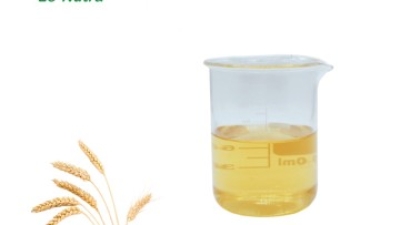
High Quality Hydrolysed Wheat Protein Liquid is rapidly gaining popularity in personal care products due to its remarkable benefits and versatile applications. This pale yellow to brown transparent liquid, characterized by its 35.0±1.0% solid content, boasts excellent film-forming and protective properties. These features make it an essential ingredient in hair care conditioning treatments and serums, enhancing moisture management and improving formulation stability, which are crucial for maintaining hair and skin health.
The product's unique formulation, with a pH range of 4.0-7.0, ensures compatibility with a variety of other ingredients, making it particularly valuable for color protection in hair care products. Its characteristic odor adds to the sensory experience, while its ability to retain moisture is indispensable for effective hair and skin serums. By incorporating Hydrolysed Wheat Protein Liquid into personal care formulations, manufacturers can deliver enhanced hydration and quality, significantly elevating the overall user experience and product effectiveness.
: Wheat oligopeptides are small peptides derived from the hydrolysis of wheat proteins, containing essential and non-essential amino acids, vitamins, and bioactive compounds.
Wheat oligopeptides support protein synthesis, promote muscle recovery, improve metabolic health, and may aid in disease prevention and management due to their antioxidant and anti-inflammatory properties.
Wheat oligopeptides are easily absorbed by the body, which enhances their bioavailability and effectiveness.
Yes, research suggests that wheat oligopeptides may inhibit oxidative stress and potentially reduce the risk of chronic diseases such as diabetes, cardiovascular diseases, and cancer.
You can incorporate wheat oligopeptides by choosing whole grain products, such as whole wheat bread or pasta, and considering fermented foods rich in oligopeptides, like sprouted grains.
Wheat oligopeptides may promote the growth of beneficial gut microbiota, which can improve gut health and reduce the risk of gastrointestinal disorders.
Yes, wheat oligopeptides are integrated into various nutritional products including nutraceuticals, functional foods, beverages, and cosmetic applications.
Recent research is focusing on their antioxidant, anti-inflammatory, and immunomodulatory properties, as well as their potential benefits for metabolic health and gut microbiota.
You can find more information through scientific journals, such as the Journal of Agricultural and Food Chemistry and the International Journal of Food Science, which detail studies on their effects.
They enhance nutritional intake and contribute to improved health outcomes, making them effective natural solutions for wellness needs.
You know, wheat oligopeptides are really starting to get a lot of attention lately. They’re tiny bioactive pieces derived from wheat proteins, and people are discovering just how good they can be for our health. These little peptides have some pretty impressive functions—like acting as antioxidants, boosting our immune system, and supporting gut health. Research is increasingly showing that they might play a role in preventing and managing diseases, which means they could be pretty valuable in tackling nutritional gaps and helping folks stay healthier overall.
As more people are on the lookout for functional foods—stuff that does more than just fill you up—innovations using wheat oligopeptides are popping up in the nutraceutical world. Companies like Xi'an Le-Nutra Ingredients Inc. are really committed to developing natural, cutting-edge ingredients. The future looks bright for wheat oligopeptides; trends suggest they’ll be getting more and more into health-focused products. All in all, it’s exciting because they could really make a difference for anyone trying to live a healthier lifestyle.





 Wheat oligopeptides, those tiny pieces formed when enzymes break down gluten and other proteins, actually have some pretty interesting ways of boosting our health. These small, active fragments can do a lot—they interact with specific receptors in our gut, which helps improve digestion and nutrient absorption. Basically, they make sure your body gets more of the good stuff from your food. Not only that, but they seem to support overall metabolism too, by helping your body take in