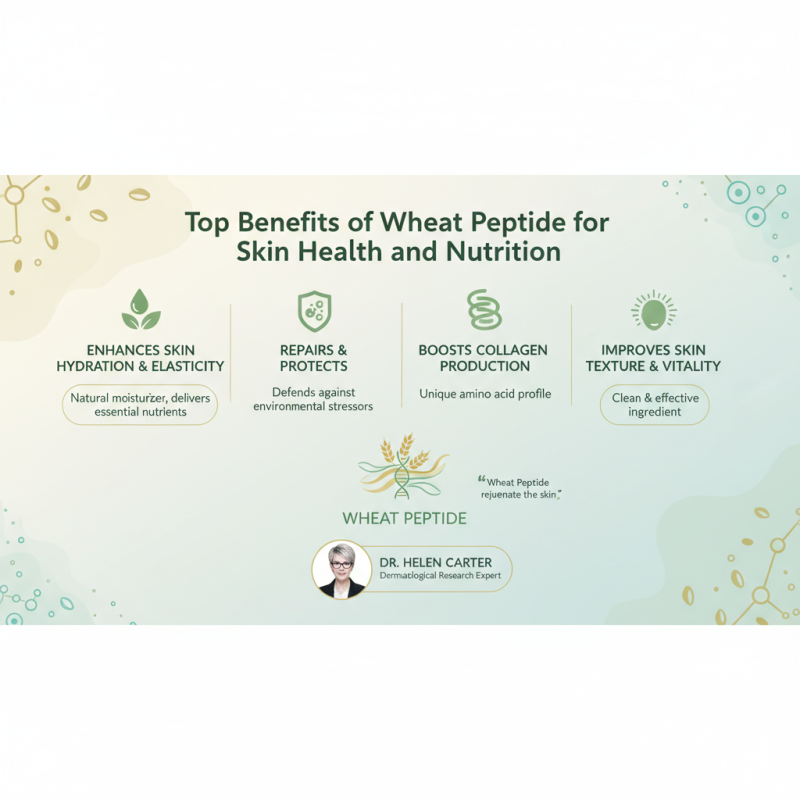
Lately, there's been a lot of buzz about skin health and how nutrition plays a role — and honestly, Wheat Peptide has been stealing the spotlight. It's this really impressive ingredient made from wheat protein, and experts like Dr. Helen Carter, who's well-known in dermatology circles, highlight just how effective it is. She mentions that Wheat Peptide acts as a natural moisturizer, packing in the nutrients your skin needs to look and feel fresher and more youthful. It’s catching on in the beauty world for good reason!
Applying Wheat Peptide topically not only gives your skin a nourishing boost but also helps repair and shield it from environmental damage — like pollution and harsh weather. Because of its special amino acid profile, it actually stimulates collagen production, which is a total game-changer when it comes to getting smoother, plumper skin. More and more people are after clean, effective ingredients these days, and Wheat Peptide definitely fits the bill — offering a tasty combo of nourishment and skincare perks.
Looking into the main benefits of Wheat Peptide, it’s clear this ingredient is shaking things up in the beauty industry. Whether it’s improving skin texture or boosting overall skin vitality, it’s pretty clear that Wheat Peptide has a bright future in skincare formulations. It’s definitely one to keep an eye on!
Understanding Wheat Peptides: An Overview
Wheat peptides are bioactive compounds derived from the hydrolysis of gluten proteins found in wheat. These small chains of amino acids play a crucial role in skin health and nutrition due to their significant nutritional profile and biological functions. Rich in essential amino acids, wheat peptides can enhance skin hydration, improve elasticity, and promote a youthful complexion. Their size allows them to penetrate the skin barrier more effectively, delivering nourishment directly to skin cells and facilitating repair processes.
In addition to their skin benefits, wheat peptides exhibit antioxidant properties that combat oxidative stress and protect the skin from environmental damage. This protective aspect is essential as it helps to prevent premature aging and diminish the appearance of fine lines and wrinkles. Moreover, the anti-inflammatory effects of wheat peptides can soothe irritation and redness, making them ideal for sensitive skin types. With their multi-faceted benefits, understanding wheat peptides offers valuable insight into natural solutions for maintaining optimal skin health. Their incorporation into skincare routines or nutritional supplements can contribute to a well-rounded approach to wellness and beauty.
Nutritional Composition of Wheat Peptides for Skin Health
Wheat peptides have gained significant attention in recent years for their remarkable nutritional composition and benefits for skin health. These bioactive compounds, derived from the hydrolysis of wheat proteins, are rich in essential amino acids, vitamins, and minerals that play a crucial role in maintaining skin structure and function. According to the Journal of Agricultural and Food Chemistry, wheat peptides can enhance skin hydration and elasticity, thanks to their ability to improve the skin barrier function. This is particularly important for preventing moisture loss and maintaining overall skin health.
In addition to hydration, wheat peptides contain antioxidants such as phenolic acids and flavonoids, which help combat oxidative stress and protect against environmental damage. Studies indicate that these antioxidants can reduce the signs of aging by minimizing fine lines and wrinkles, making them a valuable addition to any skincare regimen. Furthermore, a report from the Food Science and Biotechnology journal highlights that wheat peptides can promote collagen synthesis, which is vital for maintaining skin firmness and preventing sagging.
Tips: For those looking to incorporate wheat peptides into their skincare routine, consider using products that contain these ingredients, or explore dietary sources such as whole grains. Additionally, staying hydrated and maintaining a well-balanced diet rich in vitamins and antioxidants will further enhance the skin's appearance and health.
Top Benefits of Wheat Peptide for Skin Health
How Wheat Peptides Promote Skin Hydration and Elasticity
Wheat peptides are gaining recognition for their remarkable benefits to skin health, particularly in promoting hydration and elasticity. Their small molecular structure allows for easy absorption by the skin, enabling them to deliver essential nutrients directly where they are most needed. This enhances the skin's moisture retention capabilities, creating a plump and dewy appearance that's often lost with aging or environmental stressors.
Additionally, wheat peptides contribute to improved skin elasticity by stimulating collagen production. Collagen is a vital protein that helps maintain the skin's firmness and structure. By promoting collagen synthesis, wheat peptides help combat the signs of aging, such as fine lines and sagging skin. This dual action of moisturizing and enhancing elasticity makes wheat peptides a valuable addition to skincare routines aimed at achieving a youthful and radiant complexion.
Antioxidant Properties of Wheat Peptides and Their Effects on Skin
Wheat peptides have gained attention for their remarkable antioxidant properties, which play a significant role in enhancing skin health. These small protein fragments derived from wheat not only boost the skin's natural defense against environmental stressors but also help to repair damaged skin cells. By neutralizing free radicals, wheat peptides can effectively reduce signs of aging, such as fine lines and wrinkles, making the skin appear more youthful and vibrant.
Incorporating wheat peptides into your skincare routine can yield impressive results. Here are a few tips to maximize their benefits:
- First
, look for skincare products that prominently feature wheat peptides in their ingredient list.
- Secondly
, consider combining these products with a healthy diet rich in antioxidants, such as fruits and vegetables, to further enhance your skin's resilience.
- Lastly
, apply products containing wheat peptides consistently, as regular use is key to achieving optimal skin health.
Moreover, the moisturizing properties of wheat peptides also contribute to maintaining skin elasticity and hydration. This is crucial for preventing dryness, especially in harsh weather conditions. By shielding the skin from oxidative stress while providing essential nutrients, wheat peptides offer a holistic approach to skin care that promotes overall well-being.
Wheat Peptides in Skincare: Application and Efficacy
Wheat peptides have emerged as a powerful ingredient in skincare, delivering multiple benefits for skin health and nutrition. These small proteins derived from wheat are rich in essential amino acids, which play a crucial role in maintaining skin elasticity and hydration. When incorporated into skincare products, wheat peptides can enhance the skin's barrier function, helping to lock in moisture and protect against environmental stressors. Their ability to promote collagen synthesis not only improves the skin’s texture but also aids in reducing the appearance of fine lines and wrinkles.
Tips: For those looking to boost their skincare routine, consider products that contain wheat peptides. Incorporating a serum or cream with this ingredient can provide your skin with the nutrients it needs to remain plump and youthful. Pairing wheat peptide-based products with a balanced diet rich in vitamins and antioxidants can further enhance skin health from the inside out.
Additionally, wheat peptides possess soothing properties that make them suitable for sensitive skin types. They can help to calm irritation and redness, providing relief for conditions such as eczema or dermatitis. When selecting skincare products, look for formulations that emphasize gentle, hydrating ingredients alongside wheat peptides for optimal results.
Comparison of Wheat Peptides with Other Skin Nutrients
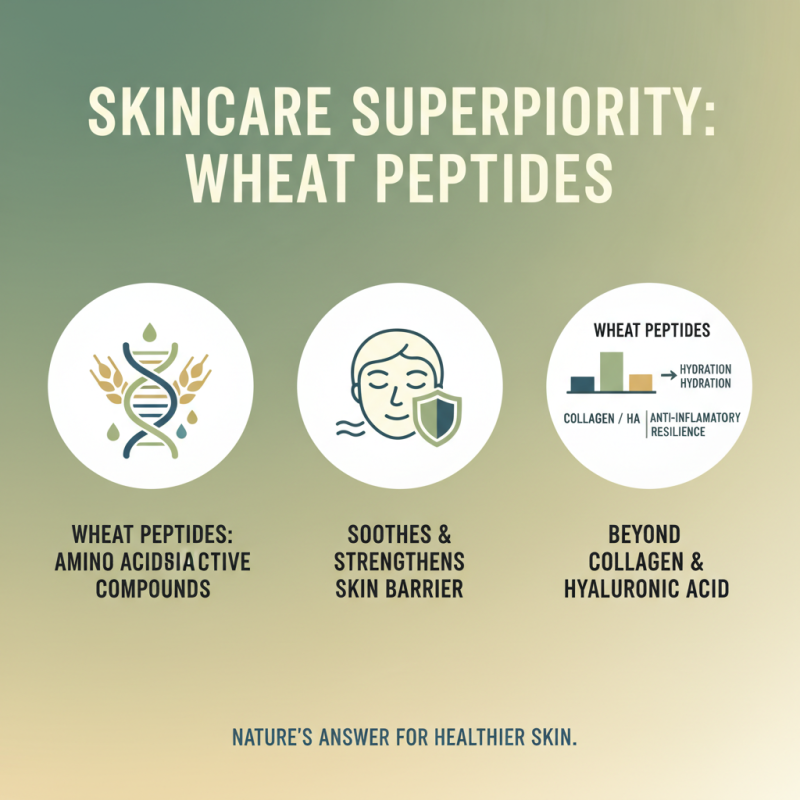
Wheat peptides have gained recognition in the field of skincare and nutrition due to their unique composition of amino acids and bioactive compounds. When compared to other skin nutrients, such as collagen and hyaluronic acid, wheat peptides offer several distinct advantages. Unlike collagen, which primarily helps to improve skin elasticity and hydration, wheat peptides not only provide moisture but also possess anti-inflammatory properties that can soothe irritated skin. Additionally, they can help reinforce the skin's barrier function, making it more resilient to environmental stressors.
Moreover, in contrast to hyaluronic acid, which is primarily known for its hydrating capabilities, wheat peptides contribute to skin health by promoting cellular repair and regeneration. They can enhance the skin's overall texture and tone through their ability to stimulate collagen synthesis, providing a more youthful appearance. Furthermore, wheat peptides are often better tolerated by sensitive skin types, as they are derived from natural sources and can be absorbed easily without causing irritation. This makes them a valuable component in various skincare formulations aimed at achieving both aesthetic and functional benefits for the skin.
Potential Side Effects and Considerations of Wheat Peptides
While wheat peptides offer numerous benefits for skin health and nutrition, it is essential to consider potential side effects and individual sensitivities. Research indicates that wheat peptides, derived from the hydrolysis of gluten protein, can enhance skin hydration, elasticity, and overall appearance due to their rich amino acid profile. However, a subset of individuals may experience adverse reactions, particularly those with gluten intolerance or celiac disease. A study published in the *Journal of Dermatological Science* highlighted that approximately 1% of the global population suffers from celiac disease, which necessitates vigilance when incorporating any wheat-derived products in skincare or nutritional formulations.
Additionally, sensitivity to wheat peptides can manifest as skin irritation or allergic reactions in those who are predisposed to such conditions. The American Academy of Dermatology has noted that contact dermatitis can occur in individuals who are allergic to specific proteins found in wheat. Hence, it is crucial for consumers to conduct patch tests when trying new products containing wheat peptides. Moreover, consultations with healthcare professionals are advisable for individuals with known allergies, ensuring that the benefits of wheat peptides can be enjoyed safely and effectively while minimizing any potential health risks.
Top Benefits of Wheat Peptide for Skin Health and Nutrition - Potential Side Effects and Considerations of Wheat Peptides
| Benefit |
Description |
Potential Side Effects |
Considerations |
| Moisturizing |
Wheat peptides help retain moisture in the skin, keeping it hydrated. |
Rare - Possible allergic reactions in sensitive individuals. |
Patch test is recommended prior to full application. |
| Anti-aging |
Promotes collagen production, reducing signs of aging. |
May cause skin irritation if used excessively. |
Use in moderation; consult with a dermatologist if needed. |
| Skin Repair |
Aids in healing damaged skin and improving skin barrier function. |
Possible mild redness or irritation for some users. |
Start with small amounts on affected areas. |
| Nutritional Value |
Rich in amino acids that are beneficial for overall skin health. |
Excess consumption may lead to digestive issues. |
Balance with other dietary proteins for best results. |
| Antioxidant Properties |
Protects skin from oxidative stress and environmental damage. |
None reported; generally well-tolerated. |
This is a complementary benefit; use with sun protection. |
Harnessing the Power of Hydrolysed Wheat Protein Liquid: A Game Changer for Personal Care Products
Hydrolysed Wheat Protein Liquid is rapidly gaining recognition as a transformative ingredient in the personal care industry, particularly in hair and skin formulations. Characterized by its pale yellow to brown transparent appearance and a solid content of approximately 35.0% ± 1.0%, this ingredient boasts numerous benefits that cater to the rising demand for effective, natural-based products. Its ability to form protective films enhances moisture management and improves the stability of formulations, making it an ideal choice for personal care applications.
Recent industry reports indicate a significant growth in the global hair care market, primarily driven by advancements in ingredient technology. With consumers increasingly seeking products that offer both performance and safety, hydrolysed wheat protein aligns perfectly with these needs. Its characteristic odor and a pH range of 4.0–7.0 make it suitable for a variety of formulations, including hair care conditioning treatments and skin serums. Leveraging its color protection capabilities, brands can create products that maintain vibrancy while delivering critical nourishment.
As personal care products evolve, the incorporation of hydrolysed wheat protein liquid is poised to be a game changer. According to a recent market analysis, hair care products utilizing such innovative ingredients are projected to see a compound annual growth rate (CAGR) of 7.5% over the next five years. This trend underscores the importance of adapting to consumer preferences, emphasizing the need for enhanced formulation stability and improved performance in one’s personal care regimen.
FAQS
: Wheat peptides are bioactive compounds derived from the hydrolysis of gluten proteins found in wheat. They are small chains of amino acids that offer various skin health benefits.
Wheat peptides enhance skin hydration by improving moisture retention capabilities, allowing the skin to maintain a plump and dewy appearance.
Yes, wheat peptides stimulate collagen production, which is vital for maintaining skin firmness and structure, thus improving skin elasticity and reducing signs of aging.
Yes, wheat peptides exhibit antioxidant properties that help combat oxidative stress and protect the skin from environmental damage, contributing to a youthful appearance.
Yes, wheat peptides possess soothing properties that can help calm irritation and redness, making them a suitable option for individuals with sensitive skin types.
Wheat peptides can be included in skincare through serums or creams, enhancing the skin's barrier function and locking in moisture while providing essential nutrients.
Wheat peptides promote collagen synthesis and hydration, which helps reduce the appearance of fine lines and wrinkles, addressing common signs of aging.
Apart from their skin benefits, wheat peptides also contribute to overall wellness and beauty when included in nutritional supplements, due to their significant nutritional profile.
When choosing such products, look for formulations that combine wheat peptides with gentle and hydrating ingredients for optimal skin health and effectiveness.
Conclusion
Wheat Peptide has emerged as a powerful ingredient in promoting skin health and nutrition. Understanding its nutritional composition reveals that Wheat Peptide is rich in essential amino acids and bioactive compounds that contribute positively to skin hydration and elasticity. These peptides play a significant role in enhancing skin moisture retention, which is vital for maintaining youthful and resilient skin.
Moreover, the antioxidant properties of Wheat Peptide protect the skin from oxidative stress, combating the signs of aging. When applied in skincare formulations, Wheat Peptide demonstrates efficacy in revitalizing and nourishing the skin. In comparison to other skin nutrients, Wheat Peptide stands out due to its unique benefits, though potential side effects and considerations should be kept in mind when incorporating it into a skincare routine. Overall, Wheat Peptide is a valuable addition for those seeking to enhance their skin health naturally.