

Leave Your Message
Can Hydrolyzed Wheat Protein Truly Elevate Your Skincare and Haircare Formulas?
Industry Blog

Can Hydrolyzed Wheat Protein Truly Elevate Your Skincare and Haircare Formulas?

2025-07-03

Hydrolyzed Wheat Protein serves as a multifunctional ingredient that seamlessly integrates into both haircare and skincare formulations, offering a natural, plant-derived alternative to synthetic conditioning agents. Thanks to its low molecular weight peptides, it not only enhances moisture retention and barrier repair but also improves hair texture by strengthening the strands and reducing static electricity. These benefits have been backed by studies demonstrating the moisturizing and film-forming properties of hydrolyzed proteins, making it a go-to choice for clean beauty innovators.

1. How It Works in Haircare Formulas

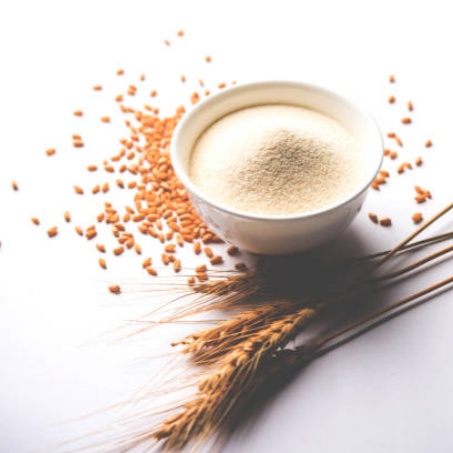
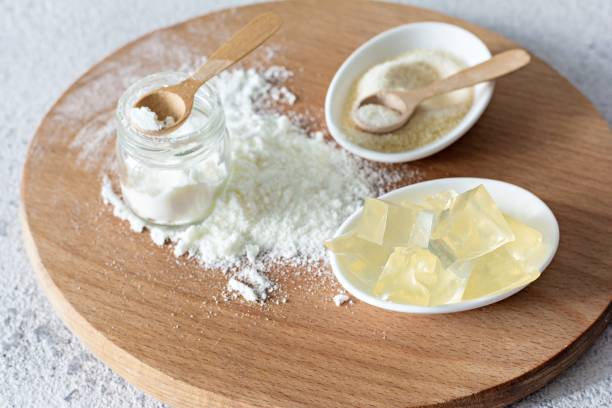
Wheat Protein Hydrolysate

Hydrolysed Wheat Protein offers more than just a plant-based label—it delivers measurable benefits when incorporated into modern haircare formulations. With its low molecular weight peptides, typically under 2,000 Daltons, this ingredient penetrates the hair shaft rather than merely coating it. That makes all the difference. Once inside, these small peptides help reinforce the keratin structure, leading to visibly stronger and more elastic strands—an effect particularly valued in damaged or chemically treated hair.
Its affinity for the hair’s natural keratin also plays a central role in moisture regulation. Rather than trapping moisture superficially like many silicones, this ingredient helps build a breathable, lightweight film that supports internal hydration while protecting against mechanical and environmental stress. Think of it as a second skin for each strand—a flexible shield that moves with the hair, not against it.

  • Notably, it has also demonstrated strong anti-static and conditioning properties, making it ideal for frizz control without the greasy residue often left by oils or heavy silicones. It improves combability, reduces breakage, and leaves a silky, weightless finish. What’s more, its compatibility with both anionic and cationic surfactant systems makes it highly versatile across shampoo, conditioner, and treatment categories.
    And here’s something formulators love: Hydrolyzed Wheat Protein doesn’t just work well alone—it plays nicely with others. When paired with panthenol or glycerin, its performance in retaining moisture and improving texture is amplified, offering holistic care in a single formula. In today’s demand for clean beauty and performance-driven haircare, this ingredient is quietly becoming a backbone in many premium and functional product lines.

 2. Benefits for Skincare Innovations
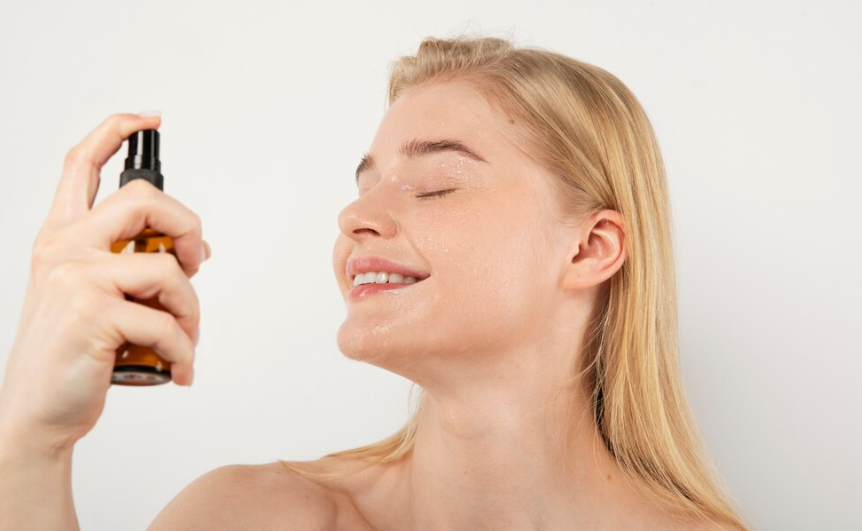
Wheat Peptide brings a quiet kind of power to skincare formulations. It doesn’t shout with exotic origins or trend-chasing claims—but it works. Its real strength lies in the simplicity of its structure: enzymatically cleaved peptides, small enough to absorb efficiently, yet large enough to form a breathable, protective layer on the skin’s surface. This balance is what gives it its dual ability—to hydrate deeply and defend gently.

Wheat Oligopeptide

Unlike synthetic humectants that sometimes create a sticky finish or clogging residue, this naturally derived protein enhances moisture retention by mimicking the amino acid profile of the skin’s own natural moisturizing factors (NMFs). In clinical contexts, it’s shown to increase stratum corneum hydration and support lipid barrier recovery, especially in dry or environmentally stressed skin types. The result? Softer, plumper skin with reduced transepidermal water loss—without compromising skin breathability.

It doesn’t stop at hydration. Its film-forming properties give it a subtle lifting effect, smoothing fine lines and improving surface texture. In some formulations, it has even demonstrated mild anti-inflammatory behavior by calming skin subjected to surfactant exposure. When combined with other functional actives like hyaluronic acid, niacinamide, or panthenol, the synergy enhances skin elasticity and tone with visible payoff.
Formulators appreciate its versatility—it dissolves well in water-based systems, remains stable across a range of pH levels, and is compatible with both emulsions and gels. Whether used in serums, lotions, or rinse-off cleansers, its presence adds substance without overwhelming a formula. In minimalist or clean-label skincare, it quietly does the heavy lifting.

3. Enhancing Bath & Cleanser Products
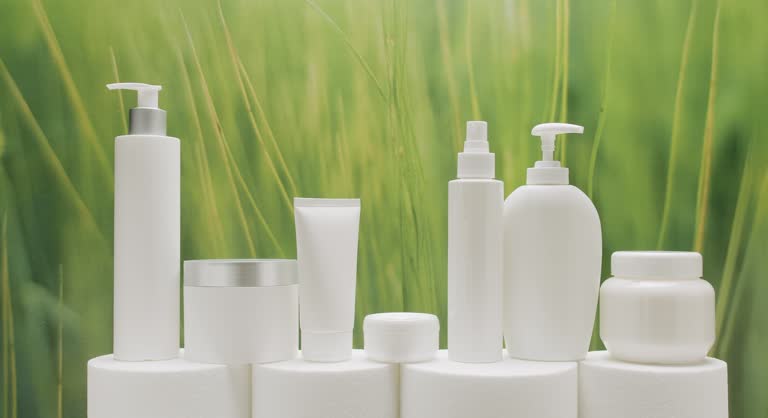
Wheat Peptide

Wheat Oligopeptide changes the conversation when it comes to bath and cleansing formulations. In an industry often dominated by harsh surfactants and foam-obsessed performance claims, this ingredient introduces a more thoughtful, skin-centric approach. Derived through enzymatic hydrolysis, the resulting peptide-rich material provides more than aesthetic viscosity—it brings purpose. It binds water like a humectant, smooths like a conditioner, and supports the skin barrier in a way most conventional ingredients simply can’t match.

Its performance in surfactant-heavy systems is particularly noteworthy. In body washes and liquid cleansers, where stripping is a common concern, this ingredient acts almost like a molecular cushion. It mitigates the harshness of sulfates or synthetic cleansing agents by forming a protective film over the stratum corneum, thereby reducing transepidermal water loss and improving post-rinse feel. You don’t just cleanse the skin—you protect it, too.
This makes it ideal for sensitive-skin formulations, baby care lines, and even luxury minimalist products where fewer ingredients must do more. What’s fascinating is its compatibility across surfactant types—whether it’s anionic, cationic, or amphoteric systems, it holds its own, maintaining clarity and stability even in challenging pH ranges.
From a sensorial perspective, the difference is subtle but perceptible. Formulations containing Hydrolyzed Wheat Protein tend to rinse cleaner, leave less residue, and offer a soft, almost velvet-like after-feel. Combined with glycerin, betaine, or panthenol, the effect becomes even more pronounced—skin feels replenished rather than parched, and repeated use doesn’t lead to buildup or dullness. For formulators, it’s a quiet but powerful ally; for users, it’s a texture they can feel, even if they don’t know why it’s happening.

 4.Popular Formulations Using This Ingredient

  • Hydrolysed Wheat Protein is no longer a fringe ingredient tucked into obscure INCI lists—it's become a familiar face in a wide variety of personal care formats. From daily-use shampoos to luxe facial serums, its adaptability makes it a go-to functional active across the formulation spectrum. Why? Because it doesn’t demand attention; it earns its place through consistent performance, formulation stability, and an impressive ability to enhance texture and efficacy in both rinse-off and leave-on products.
    In haircare, it’s a staple in shampoos, conditioners, and leave-in treatments, especially those targeting damage repair, volume boost, or frizz control. The ingredient works synergistically with keratin and collagen-boosting actives, which makes it particularly valuable in salon-grade or color-protecting formulas. Even in minimalist, sulfate-free products, its presence ensures softness without weight.
    Skincare formulators are just as enthusiastic. You'll find it in moisturizers, under-eye creams, firming serums, and even anti-pollution mists. Its film-forming ability provides a subtle skin-tightening effect that users describe as “lifted but breathable.” When paired with actives like panthenol or niacinamide, it enhances skin smoothness and elasticity with minimal risk of irritation.
    Then there’s its growing role in cleansing systems: foaming facial washes, micellar waters, intimate washes, and sensitive-skin bath gels. It acts as a buffer—softening the aggressiveness of surfactants and leaving the skin feeling pampered rather than stripped. Products marketed as “mild,” “daily,” or “barrier-safe” often include it for exactly this reason.
    Its multifunctionality isn't just technical—it’s emotional. Consumers may not know the chemistry, but they feel the difference. And that sensory impact? That’s what keeps it in the bottle.

5. Functional Synergy with Other Ingredients

Wheat Oligopeptide rarely works alone—and that’s where it shines. Its true potential often comes to life when it interacts with the right co-ingredients, creating layered benefits that single agents can’t achieve. This isn’t just ingredient stacking; it’s formulation orchestration. And when done right, the results are not only measurable but sensorially unforgettable.
In hydrating formulas, pairing it with humectants like glycerin or hyaluronic acid boosts moisture retention exponentially. While the latter draw water into the skin or hair, wheat-derived peptides lock it in by forming a cohesive film. The effect isn’t heavy or occlusive—it’s breathable, almost like a mesh that supports elasticity from the outside in. This makes the duo ideal for leave-on facial care or intensive conditioners.
Panthenol, a provitamin B5 derivative, is another synergistic match. On its own, it soothes and repairs; but when combined with Hydrolyzed Wheat Protein, its penetration and retention improve. This interaction is particularly beneficial in scalp care or after-sun treatments, where both hydration and protein replenishment are key. Together, they enhance skin resilience and hair strength without causing build-up or residue.
In more complex emulsions, fatty alcohols and botanical oils serve as softening agents, yet they can sometimes weigh down formulations. The protein-peptide structure of this ingredient balances that out—adding film-forming and structure-enhancing effects while supporting the delivery of lipophilic actives. It’s a dynamic buffer, tempering harshness while refining feel and finish.
What makes these synergies valuable isn’t just technical performance—it’s user perception. Smoother comb-through, softer skin, better foam structure, longer-lasting hydration. In the hands of a skilled formulator, this ingredient doesn’t just blend—it elevates.

6. Why Choose Le-Nutra’s Hydrolyzed Wheat Protein

For formulators seeking more than just a functional additive, our Hydrolyzed Wheat Protein offers a rare blend of performance and versatility. It’s not simply a moisturizing agent or film-former—it’s a multi-functional ingredient that elevates the entire formulation. Whether the goal is to soften brittle hair, enrich a cleanser with gentle conditioning, or boost the elasticity of a skin cream, this ingredient delivers consistent, elegant results. It integrates seamlessly into water-based systems, resists degradation in surfactant-heavy environments, and enhances both the tactile feel and long-term efficacy of the final product. This is not just about functionality—it's about formulating with intention.
Hydrolyzed Wheat Protein from Xi’an Le-Nutra Ingredients Inc. comes with more than just a specification sheet. We back our product with over a decade of experience in natural ingredients, consistent batch-to-batch quality, and a deep understanding of what B2B customers need—reliability, technical support, and scalability. Whether you are building a minimalist skincare line or optimizing a high-performance shampoo, we’re here to help your formulation stand out. For technical documents, bulk quotes, or sample requests, feel free to reach out to us at info@lenutra.com —we're always glad to support your innovation journey.

📚 References:

1. Nakashima, Y., Shibuichi, I., Yasuda, M., & Kaneko, Y. (2002). Effects of hydrolyzed wheat protein on hair damaged by bleaching. Journal of the Society of Cosmetic Chemists of Japan, 36(3), 181–188.
2. Barbosa, H. M., Baby, A. R., & Velasco, M. V. R. (2014). Hair conditioning effects of hydrolyzed proteins. Cosmetics, 1(3), 256–268.
3. Barbosa, H. M., Baby, A. R., & Velasco, M. V. R. (2014). Hair conditioning effects of hydrolyzed proteins. Cosmetics, 1(3), 256–268.
4. Nakamura, M., & Takahashi, Y. (2003). The influence of hydrolyzed wheat protein on hair repair. Journal of the Society of Cosmetic Chemists of Japan, 37(2), 121–127.
5. Zhang, Z., Du, X., & Liu, Y. (2019). Protein-based conditioners and their effect on hair shaft structure: A comparative analysis. International Journal of Cosmetic Science, 41(5), 470–478.
6. Barel, A. O., Clarys, P., & Gabard, B. (2001). Non-invasive bioengineering methods in clinical dermatology. Journal of the European Academy of Dermatology and Venereology, 15(1), 38–45.
7. Ananthapadmanabhan, K. P., Moore, D. J., Subramanyan, K., Misra, M., & Meyer, F. (2004). Cleansing without compromise: The impact of cleansers on the skin barrier and the role for barrier-supportive formulations. Dermatologic Therapy, 17, 16–25.
8. Beasley, D., & Stamatas, G. N. (2016). The evolving role of protein hydrolysates in barrier repair: From nutrition to cosmeceuticals. International Journal of Cosmetic Science, 38(6), 481–489.
9. Draelos, Z. D. (2013). The effect of cleansing on the skin barrier and the role of cleansing agents. Dermatologic Clinics, 31(1), 217–223.
10. Rieger, M. M. (2001). Surfactant interactions with skin and eyes: A closer look at irritation potential. Cosmetics & Toiletries, 116(7), 45–54.
11. McClements, D. J. (2015). Development of delivery systems for functional ingredients: challenges and solutions. Critical Reviews in Food Science and Nutrition, 55(13), 1808–1833.
12. Geng, L., Zhang, Y., & Zhou, J. (2019). Advances in hair damage repair: current ingredients and future trends. International Journal of Cosmetic Science, 41(4), 343–352.
13. Cornwell, P. A. (2018). Protein-based ingredients in skin care products: What do they really do? Cosmetics & Toiletries, 133(9), 44–51.
14. Ananthapadmanabhan, K. P., Subramanyan, K., & Meyer, F. (2004). Mild cleansing without compromise: a review of surfactant systems. Dermatologic Therapy, 17(S1), 16–25.
15. Pavicic, T., Wollenberg, A., Farwick, M., Korting, H. C. (2007). Anti-aging effects of a cream containing five percent alpha hydroxy acid combined with hydrolyzed wheat protein. Journal of Dermatological Treatment, 18(4), 203–208.
16. Zague, V., de Freitas, V., da Costa Rosa, M., & Oliveira, N. (2011). Collagen peptides synergistically enhance the effect of panthenol on skin hydration. Skin Pharmacology and Physiology, 24(3), 145–153.
17. Bhushan, B., & Zhang, B. (2005). Effect of conditioning agents on the structure and frictional properties of human hair. Journal of Cosmetic Science, 56(5), 293–306.