


How Is Hydrolysed Fish Collagen Powder Produced?
Within the skincare and oral beauty ingredient markets, hydrolysed fish collagen powder has long transcended its role as a mere functional component, emerging as a pivotal raw material that defines both the efficacy ceiling and market positioning of products. As brands and formulators increasingly prioritise ‘authentic efficacy’ and ‘process transparency,’ the method of collagen production has become an indispensable consideration during procurement and product development.
From the safety and sustainability of raw material sourcing, to the precise control of molecular weight distribution during enzymatic hydrolysis, and finally to the solubility, stability, and sensory profile of the finished powder—each production stage directly impacts the efficacy of hydrolysed fish collagen within cosmetic formulations. Particularly in the fiercely competitive arenas of performance skincare and oral beauty supplements, manufacturing distinctions often represent the core differentiator between brands.
This article offers an industry-level analysis of the complete production process for Hydrolysed Fish Collagen, from raw materials to finished powder. It aims to assist brand owners, R&D personnel, and procurement teams in understanding the manufacturing standards that truly underpin the long-term competitiveness of high-quality beauty products.
I. Raw Material Selection: Why Are Fish Skin and Scales More Suitable for Hydrolysed Collagen?
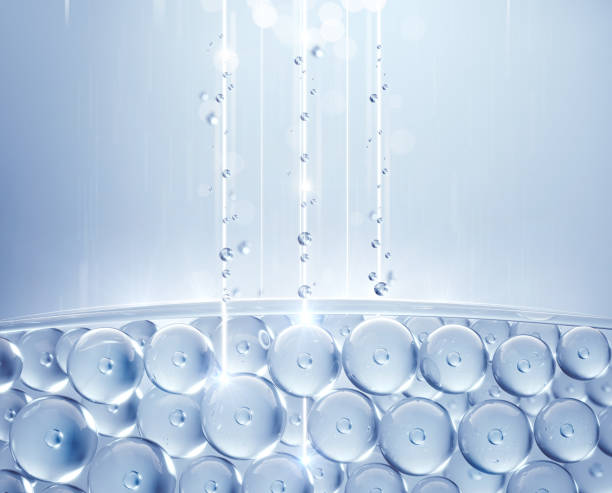
The distinction between high-quality hydrolysed fish collagen often begins at the raw material stage.
For cosmetic and oral applications, fish skin and scales from deep-sea or sustainably farmed marine species—such as cod and tilapia—are typically selected. This selection is not coincidental but stems from a careful balance between efficacy, safety, and sustainability.
-
From a collagen structural perspective
Type I collagen predominates in the human skin's dermis, determining its structural support and elasticity. Premium fish skin-derived collagen similarly comprises predominantly Type I collagen with a highly similar structure. Consequently, it offers superior biocompatibility and skin affinity, being more readily recognised and utilised by the skin.From a safety and regulatory perspective
Compared to bovine or porcine collagen, fish collagen inherently avoids risks associated with terrestrial animal diseases such as bovine spongiform encephalopathy (BSE) and foot-and-mouth disease (FMD). This makes it more readily compliant with the global ‘Clean Beauty’ ethos and meets stringent raw material safety regulations across diverse jurisdictions.From a sustainability and brand value perspective
Fish skin and scales are predominantly by-products of aquatic processing. Upcycling them into high-value functional ingredients not only reduces resource wastage but also provides brands with clear, credible support for their sustainability and environmental narratives.
II. From Raw Material Processing to Final Product Formation: Key Production Processes for Hydrolysed Fish Collagen
1. Deep Cleaning
Fish skins and scales arriving at the factory undergo a thorough cleansing ritual:
Physical washing: Repeated high-pressure water jets remove adhering fish flesh, mucus and other impurities.
Chemical Demineralisation: Scales undergo mild acid treatment to dissolve their substantial hydroxyapatite content.
Precision Defatting: Fats are removed via thermal or enzymatic methods. Residual fats not only compromise purity but are primary culprits behind off-flavours and oxidation.
These three stages yield a relatively pure collagen carrier, ready for subsequent extraction.
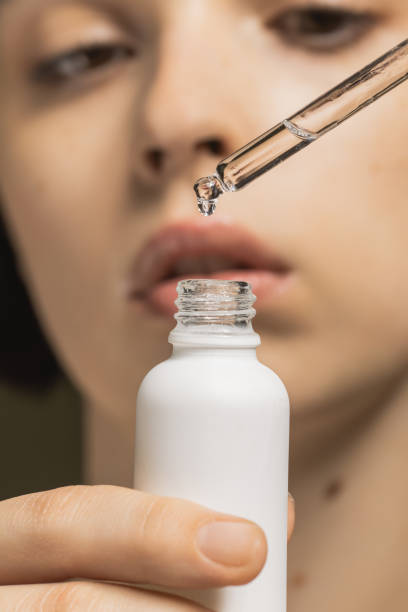
2. Core Extraction
This pivotal step transforms insoluble raw material into soluble collagen. Two mainstream processes exist:
Traditional Acid/Alkali Method: Adjusting pH disrupts partial intermolecular bonds in gelatin hydrolysate, facilitating dissolution. While highly efficient, this method may partially damage collagen's triple-helix structure.
Modern Enzymatic Extraction: Utilises specific proteases to gently cleave the non-helix terminal regions (terminal peptides) of collagen, facilitating dissolution while preserving the core triple-helix structure intact. This method yields purer collagen with superior biocompatibility, increasingly becoming the preferred approach for high-quality raw materials.
At this stage, the resulting solution comprises macromolecular collagen with molecular weights typically exceeding 300,000 Dalton, exhibiting limited solubility and absorption properties.
3. Targeted Enzymatic Hydrolysis: Transforming ‘Large’ into ‘Small’
Through precisely controlled bioreactions, we employ one or more proteases (such as alkaline protease or complex proteases) as ‘molecular scissors’. Under optimal temperature and pH conditions, these enzymes precisely cleave the lengthy collagen chains into short peptide segments of targeted lengths.
The core of this process lies in control:
• Enzyme selection: Different enzymes exhibit distinct cleavage sites.
• Reaction conditions: Subtle variations in time, temperature, or pH significantly influence the molecular weight distribution of the final product.
• Endpoint control: Real-time monitoring enables immediate reaction termination upon achieving the desired molecular weight range (typically 1000–5000 Dalton).
• Industry perspective: Leading manufacturers employ this technology to enrich products with abundant peptides within the 1000–3000 Dalton range. Peptides within this range are considered to possess optimal transdermal absorption rates and bioactive signalling capabilities.
4. Refining and Purification: Achieving Ultimate Purity – Colourless and Odourless
The hydrolysate emerging from the reactor is far from ready for use, requiring a series of purification trials:
• Multi-stage filtration: Employing techniques such as membrane filtration to remove unreacted macromolecular fragments, impurities, and residual enzymes.
• Activated Carbon Treatment: The core process for decolourisation and deodorisation. High-grade activated carbon adsorbs impurity molecules causing colour and fishy odours, a critical step determining the end product's sensory experience.
• Ion Exchange (Advanced Process): Removes ionic impurities to further enhance purity.
Following these steps, the solution—originally slightly cloudy with a faint tint—becomes crystal clear and virtually odourless.
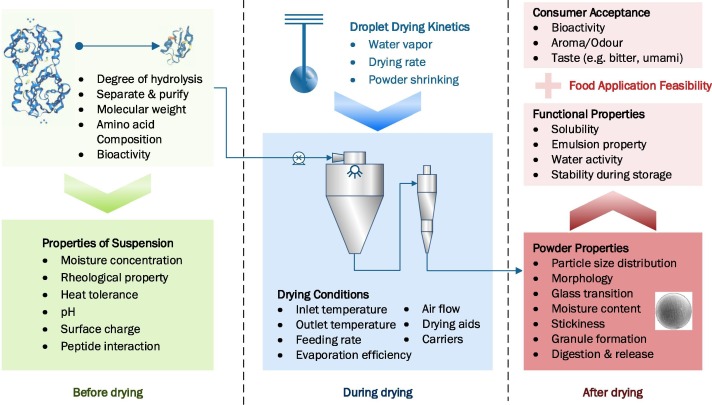
5. Ultimate Transformation: Drying into Powder, Stabilising Form
Liquid products are challenging to store and transport, necessitating conversion into the familiar powder form. Two primary processes exist:
• Spray Drying: The most prevalent method. Concentrated pure peptide solution is atomised into minute droplets via a nebuliser, instantly drying into microsphere-like powder within a hot-air tower. This approach offers high efficiency and exceptional product solubility.
• Freeze-drying: Under vacuum and extremely low temperatures, water undergoes direct sublimation from solid to vapour. This method maximally preserves the active structure of collagen peptides but is prohibitively expensive, typically reserved for the most premium raw materials.
The pristine white powder emerging from the drying tower is the hydrolysed fish collagen peptide raw material we ultimately obtain.
IV. Why Does Our Production Process Precisely Empower Cosmetic Formulations?
-
From deep-sea raw materials to active powders, the core objective of this integrated production system is to maximise fulfilment of formulation application requirements. For brands, its value is directly manifested in three dimensions of ‘formulation-friendliness’:
1. Exceptional Process Stability
Through targeted enzymatic hydrolysis and multi-stage purification, Hydrolysed Fish Collagen powder maintains stable activity across a broad pH range of 3-10. This ensures seamless compatibility with acidic serums, neutral emulsions, and alkaline cleansing products alike.2. Intelligent formulation synergy
The refined collagen peptide molecules possess a pure molecular structure, demonstrating excellent compatibility with active ingredients such as vitamin C, niacinamide, and hyaluronic acid. This not only prevents mutual antagonism but also constructs a composite efficacy network of ‘collagen promotion + antioxidant protection + hydration’.3. Exceptional Sensory Purity
Thanks to patented deodorising and decolourising processes, the final powdered ingredient dissolves to near-colourless and odourless consistency. This preserves the natural texture of skincare formulations while maintaining the intended flavour profile of oral beverages.It is precisely these characteristics, directly conferred by the production process, that position hydrolysed fish collagen as a rare ‘cross-category, versatile high-performance ingredient’. From anti-ageing serums and repair creams to oral beauty beverages, this single, high-quality ingredient provides robust support for brands seeking to build a comprehensive product matrix spanning ‘external protection and internal nourishment’.
V.FAQ
Q1: What is the fundamental difference between hydrolysed fish collagen and ordinary collagen?
A: The core distinction lies in molecular structure and bioavailability. Ordinary collagen molecules often exceed 100,000 daltons in molecular weight, making direct absorption by the skin difficult; whereas hydrolysed fish collagen is broken down via targeted enzymatic digestion into peptides with molecular weights below 5,000 Dalton. This enables efficient penetration of the skin barrier, and its marine-derived Type I collagen structure shares over 90% similarity with human skin collagen.
Q2: How is the raw material's fishy odour addressed? Does it impact the end-product experience?
A: We employ a four-stage deodorisation process:
1) Removal of lipids and impurities during raw material pre-treatment
2) Separation of odour components via molecular sieves post-enzymatic hydrolysis
3) Activated carbon adsorption of residual odour molecules
4) Inert gas protection during spray drying.
The finished powder maintains an odour value below 0.5% (industry standard typically 3%), ensuring sensory purity in end products.
Q3. What molecular weight range is most suitable for cosmetic applications?
A: In practical applications, collagen peptides within the 1000–3000 Dalton range are considered the ideal zone for enhanced bioactivity.
Peptide segments within this range strike a favourable balance between solubility, stability, and formulation compatibility, while also demonstrating greater efficacy in both topical and oral delivery systems.
Q4. To which types of cosmetic products is it suitable for addition?
A: Hydrolysed fish collagen boasts extensive applicability, including but not limited to:
Skin care: Serums, creams, masks, ampoules
Oral beauty: Collagen drinks, powders, oral liquids
Functional compound formulations: Synergistic use with ingredients such as vitamin C, hyaluronic acid, niacinamide
Its excellent pH stability and compatibility make it highly suitable for multi-product line development.
Q5. Does hydrolysed fish collagen align with ‘clean beauty’ and sustainability trends?
A: Yes, this is one key reason for its rapid growth in recent years.
Fish-derived collagen primarily utilises fishery by-products, supporting circular economy principles. It also avoids terrestrial animal disease risks and more readily meets market access requirements such as Halal and Kosher certification.
The value of hydrolysed fish collagen extends beyond labels such as ‘fish-derived’ or ‘low molecular weight’. It resides in the meticulous attention paid to every manufacturing detail—from raw material selection through enzymatic hydrolysis, purification, and drying. In today's increasingly sophisticated landscape of efficacy-driven skincare and oral beauty supplements, the genuine disparity between ingredients transcends mere specification parameters. It is concealed within the unseen production systems.
For brands and R&D teams, understanding the production logic of hydrolysed fish collagen fundamentally means making choices that ensure product stability, reproducibility, and long-term competitiveness. Only when the raw material itself is sufficiently transparent and the process sufficiently mature can formulations consistently deliver uniform efficacy experiences at scale.
As the concept of ‘nourishing from within and nurturing externally’ continues to deepen, hydrolysed fish collagen will remain one of the core foundational ingredients in future beauty formulations that cannot be overlooked. What truly sustains a brand's long-term growth is never the concept itself, but manufacturing capabilities proven by time and market validation.
Would you like to personally verify Le-Nutra Ingredients' process outcomes? We can dispatch samples of varying specifications (1000 Da / 3000 Da) for your R&D team to conduct comparative experiments.
📚 References: