




How Is Hydrolyzed Wheat Protein Liquid Transforming Modern Hair & Skin Care Formulations?
Hydrolyzed Wheat Protein Liquid is gaining growing attention among beauty and personal care formulators for its unique ability to enhance both hair resilience and skin moisture retention. Extracted via enzymatic hydrolysis from wheat gluten, this low-molecular-weight protein delivers targeted performance benefits by deeply penetrating the hair shaft and stratum corneum. Its compatibility with clean-label, sulfate-free, and vegan formulations makes it a go-to ingredient in modern hair serums, shampoos, moisturizers, and facial cleansers. Backed by scientific studies supporting its film-forming and conditioning effects, it has become an increasingly popular choice in the formulation of high-end cosmetics and functional care products.
I. Why Hydrolyzed Wheat Protein Liquid Is on the Rise
Hydrolyzed Wheat Protein Liquid has rapidly gained attention in the beauty industry—and for good reason. Imagine a light-yellow, clear elixir that acts like a microscopic armor for hair and skin. At just 500–2,000 Da, these tiny peptide fragments deeply penetrate the hair cuticle and the skin’s outer barrier, bringing both immediate and cumulative benefits. In hair, they swell and fortify the cortex, boosting shine and tensile strength; in skin, they form an invisible film that locks in moisture and subtly firms the epidermis—think of it as nature's version of sleek, flexible armor.
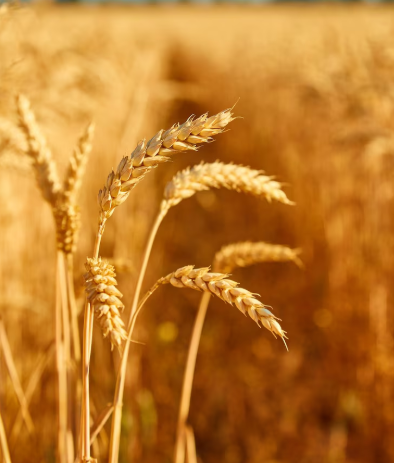
Curious why it’s suddenly trending? Partly, it's following the broader clean-beauty wave. Formulators are ditching heavy synthetics and turning to plant-derived actives with a transparent pedigree—wheat is familiar, vegan, and sustainably sourced . But beyond the trend, there's hard science: enzymatically hydrolyzed wheat proteins (under \~3,500Da) have been shown to be both safe and effective, posing minimal allergenic risk—leading regulators like CIR and SCCS to affirm their cosmetic use.
Yet there’s more—this ingredient plays well with others. Its ability to cooperate with humectants, silicones, and mild surfactants makes it a valuable component from serums to shampoos. Lotioncrafter reports that hydrolyzed wheat protein enhances water retention while improving foam structure and stability in rinse-off products . That versatility is a formulator’s dream.
-
What about ethical and clean credentials? Not only is the protein plant-based and vegan, but manufacturers often adhere to paraben-free, ECOCERT-compliant preservation systems. For B2B brands targeting conscious consumers, this double-benefit—performance + ethics—is a compelling proposition.In short, Hydrolyzed Wheat Protein Liquid has risen not by chance but by design. It bridges the gap between nature and high performance, delivering film-forming, strengthening, and moisturizing effects while aligning with clean-label and vegan trends. For brands eager to combine efficacy with integrity, it’s nothing short of a quiet revolution in modern personal care formulations.
II. Key Applications in Hair Care Industry
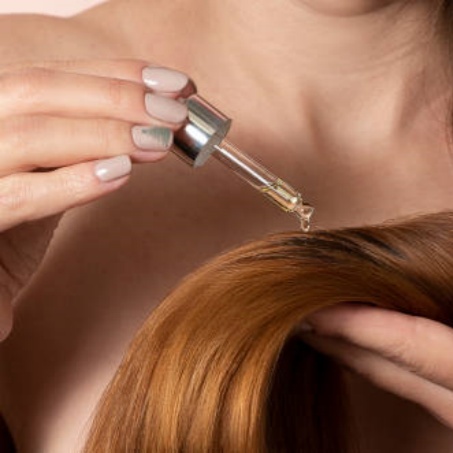
Hydrolysed Wheat Protein Liquid plays a starring role in modern hair care formulations, offering a suite of benefits that go far beyond basic conditioning. Let's dive deeper into its key industry applications.
-
Versatile Use Across Hair Product FormatsA standout feature of Hydrolyzed Wheat Protein Liquid is its versatility. Its water-based format and neutral pH compatibility make it a natural fit in varied hair products: from leave-in serums to daily shampoos and intensive masks.In shampoos, it boosts foam stability and slide; in conditioners, it provides slip and film-forming benefits without heaviness . Hair masks and leave-on treatments harness its slow-release effects to nourish hair over time. Essentially, it’s a Swiss Army knife ingredient in every hair care toolkit.Safe, Consumer-Friendly CredentialsAlthough derived from wheat, hydrolyzed wheat proteins are considered safe in cosmetics. Regulatory panels—like CIR and SCCS—confirm allergenic risk is negligible when peptide size is controlled (typically below 3,500 Da) . This gives brands and formulators confidence that they’re delivering performance without compromising consumer safety.Hydrolyzed Wheat Protein Liquid delivers a trifecta of hair benefits—structural reinforcement, surface smoothing, and formulation flexibility—while aligning with consumer demands for safe, transparent, and plant-based ingredients. For brands seeking scientific, feel-good hair care options, it's a compelling choice.
III. Use in Skin Care and Cosmetics
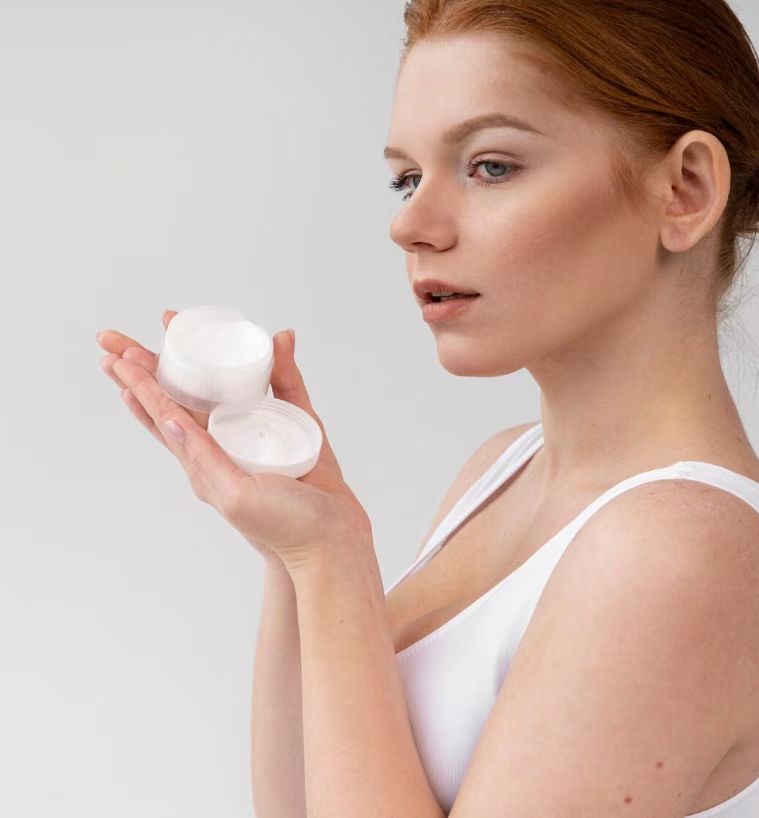
Hydrolyzed Wheat Protein Liquid ventures beyond hair care—its inclusion in skincare and cosmetic formulas is nothing short of transformative. Imagine a whisper-thin barrier that tethers moisture like a soft yet strong membrane. This peptide cocktail penetrates the stratum corneum with finesse, then gently forms a film that arrests water loss and invigorates the skin’s viscoelasticity.
Surprising? Perhaps. But science backs it up. A Japanese patent details how hydrolyzed wheat protein imparts unparalleled smoothness and hydration, even in arid environments—no heavy emollients needed. Another recent analysis highlights that the ingredient stimulates filaggrin production and enhances natural moisturizing factors, boosting skin barrier resilience. In everyday terms, it’s akin to giving your epidermis an invisible hydration vest.
IV. Compatibility with Clean-Label and Vegan Formulations
-
Hydrolysed Wheat Protein Liquid fits seamlessly into modern clean‑label and vegan‑focused formulations—no compromise. Picture it as the Swiss Army knife of plant‑based proteins: versatile, transparent, and performance‑driven.First, it's undeniably vegan. Unlike animal-derived proteins such as keratin or collagen, wheat‑based peptides are plant‑sourced, allowing formulators to easily meet vegan and cruelty‑free claims like V‑Label or PETA’s certification . Yet simply being plant‑derived isn’t enough—acceptance rests on transparency. Thankfully, hydrolyzed wheat protein is welcomed across COSMOS, ECOCERT, and NATRUE labels . That pedigree lends brands credibility in sectors where consumers scrutinize every ingredient line.Second, from an ingredient synergy standpoint, it’s a dream collaborator. Whether formulated with anionic surfactants or mild amphoterics, compatibility is excellent . You won’t get flocculation or phase separation—toxicity issues are moot, provided peptide size stays below ~3,500 Da . That ensures the elegant transparency and smooth texture today's eco‑conscious consumers expect.Moreover, considering clean‑label safety, it stands out. The CIR Expert Panel affirms its non‑sensitizing properties when carefully processed. Even individuals with gluten sensitivity are unlikely to react topically, thanks to the peptide’s molecular structure and barrier‑safe design .Still, it's not just about what it is, but what it does: lightweight moisture locking, gentle conditioning, and non‑occlusive film formation. All while supporting “clean” claims—free from animal derivatives, heavy metals, and parabens. Brands looking to craft formulations that are ethical, high‑performance, and crystal‑clear in their ingredient messaging find a potent ally here.Hydrolyzed Wheat Protein Liquid merges science and sustainability without glossing over honesty. It's an ingredient that resonates with today's demanding, values‑led consumers—and an elegant choice for formulators seeking both form and function in one drop.
V. Technical Advantages in Product Development
VI. Why Formulators Are Switching to Liquid Proteins
📚 References:
1. Saska, M., de Sá Dias, T. C., Pavinatto, A., & da Silva, A. R. A. (2020). Hydrolyzed wheat protein as an active ingredient in cosmetics: A review. Journal of Cosmetic Dermatology, 19(2), 382–388.
2. Giacomelli, C., Bertelli, A. A., Giampieri, F., Alvarez-Suarez, J. M., & Di Stefano, A. (2020). Natural peptides as skin care ingredients: Bioactivity and functionality. Cosmetics, 7(3), 68.
3. "Why hydrolyzed wheat protein is an organic hair care hero," Provital Blog.
4. Lotioncrafter: Hydrolyzed Wheat Protein specification & applications.
5. SCCS Opinion on safety of hydrolyzed wheat proteins (2014).
6. CIR Expert Panel, Safety Assessment of Hydrolyzed Wheat Protein (2014, 2018).
7. Liu, et al. (2018). Modification of wheat gluten... recovery of damaged hair in shampoo. RSC Adv 8, 12345–12352.
8. Provital Blog. "Why hydrolyzed wheat protein is an organic hair care hero."
9. Maria & Sophie et al. (2014). Ex vivo tensile strengthening efficacy of HWP. IFSCC Paris Proceedings.
10.Safety Assessment of Hydrolyzed Wheat Protein … Int J Toxicol. 2018.
11. Japanese Patent JPH08169816A – film-forming and hydration
12. Fiorhe. “Benefits of hydrolysed wheat proteins for skin hydration.” 2023.
13. Safety Assessment of Hydrolyzed Wheat Protein and Gluten. Cosmetic Ingredient Review, 2014.
14. Ma, W., et al. (2020). "Rheological properties of protein-based emulsions for cosmetic applications." International Journal of Cosmetic Science, 42(4), 375–383.
15. Gruber, F., & Holopainen, J.M. (2021). "Molecular weight and solubility of hydrolyzed proteins in functional skin care systems." Colloids and Surfaces B: Biointerfaces, 198, 111459.
16. Szél, E., et al. (2019). "Functional properties of plant-based proteins in cosmetic formulations." Cosmetics, 6(3), 42.
17. Draelos, Z.D. (2016). Cosmetic Dermatology: Products and Procedures. Wiley-Blackwell.
18. Geisler, S., & Pfitzner, B. (2020). “The use of hydrolyzed proteins in hair cosmetics: Functional performance and sensory evaluation.” Journal of Cosmetic Science, 71(1), 45–55.
19. Román, L., et al. (2021). “Clean label trends in cosmetic formulations: The role of plant-derived actives.” International Journal of Cosmetic Science, 43(4), 372–379.