
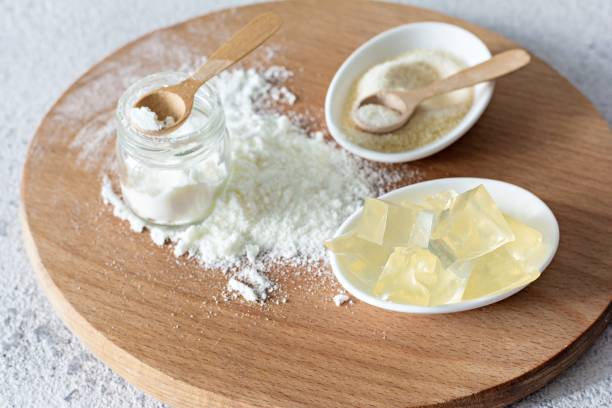
How water-soluble is Pea Peptide powder?
During the procurement of plant-based protein ingredients, ‘How soluble is the Pea Peptide powder?’ is often one of the first technical specifications confirmed by R&D and procurement teams. Whether in functional beverages, solid drinks, or sports nutrition and dietary supplement systems, solubility directly impacts formulation stability, product appearance, and the end consumer experience.
Compared to conventional pea protein, Hydrolyzed Pea Protein Powder undergoes enzymatic processing, resulting in smaller molecular structures that disperse more readily. But is it truly suitable for cold-water systems? Does it precipitate? Can it be used in clear beverages? How stable is it under varying pH conditions?
As a practitioner with extensive experience in plant-based bioactive peptide production and application support, I shall systematically analyse its water solubility performance across four dimensions: molecular structural principles, actual dissolution behaviour, application scenario suitability, and influencing factors. This will assist you in making more efficient and verifiable judgements during product development and ingredient selection.
I. Solubility: The Decisive Factor in a Product's Success or Failure
In the laboratory, when evaluating the quality of a bioactive peptide, our first observation is not the HPLC spectrum, but its behaviour upon instantaneous contact with water.In the laboratory, when evaluating the quality of a bioactive peptide, our first observation is not the HPLC spectrum, but its behaviour upon instantaneous contact with water.
-
Why is solubility so crucial?
• Absorption Rate: Only when ingredients are fully dissolved into a molecular state can the body (or skin) truly absorb them. Sediment at the bottom of the cup is not nourishment—it is waste.
• Appearance (Clarity): Today's consumers are discerning. If you're developing a ‘transparent protein water’ or ‘crystal-clear repair serum,’ even the slightest flocculent sediment will make the product appear ‘past its best.’
• Texture/Mouthfeel: Poorly dissolved peptides feel grainy when ingested and create a gritty residue when applied to the skin.
II. Why do Le-Nutra's pea peptides ‘melt instantly upon application’?
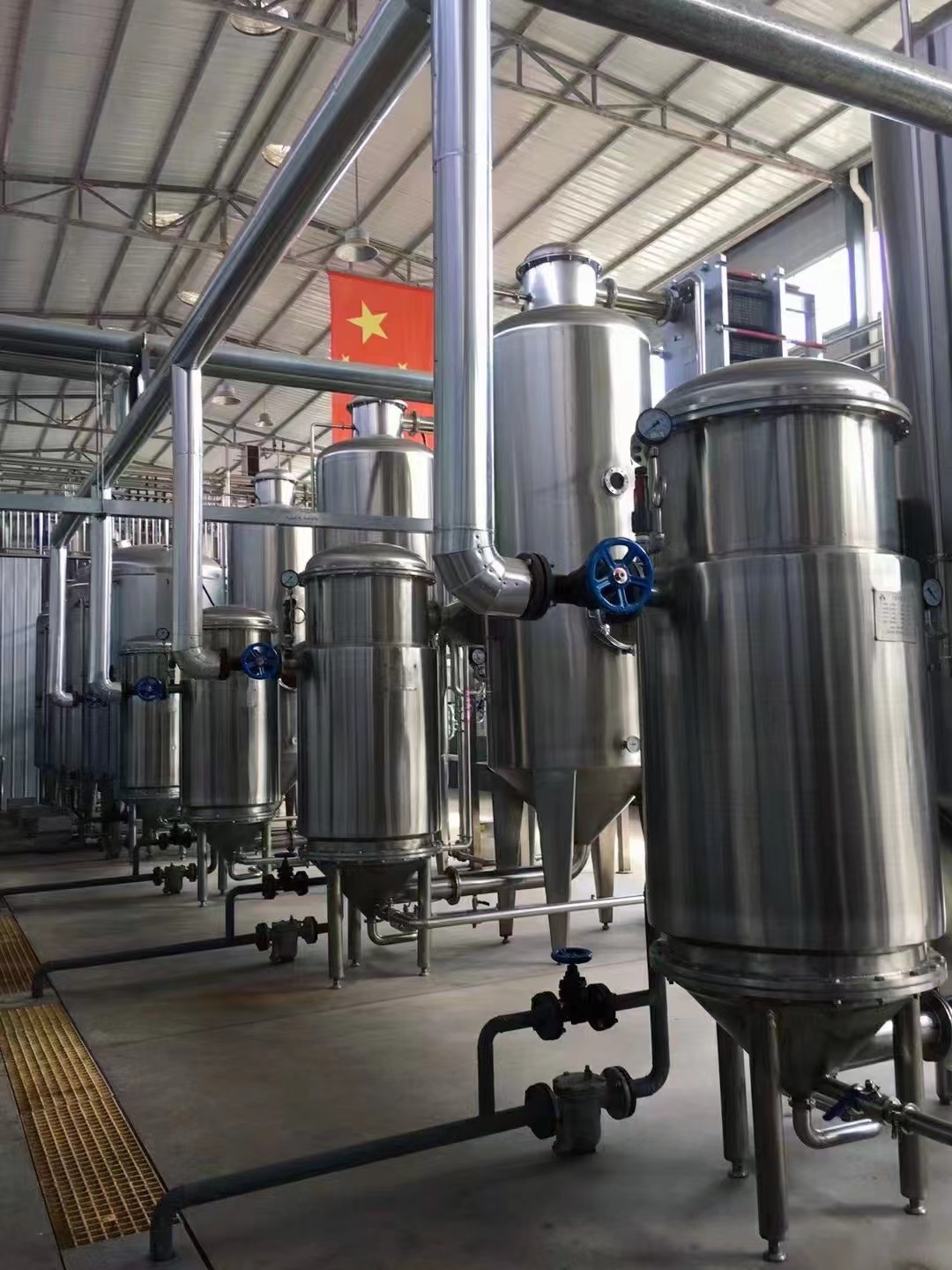
It is important to understand that ordinary pea protein molecules typically have molecular weights ranging from tens of thousands to hundreds of thousands of Dalton (Da), resembling a vast, tangled knot impossible to untangle. Our ‘hydrolysis’ process involves cutting this knot into extremely short, charged ‘strands’.
1. The Magic Number for Molecular Weight: 1000 Da
On our production line, we employ directed enzymatic cleavage to strictly control molecular weight below 1000 Da. When proteins are cleaved sufficiently small, their internally hidden hydrophilic groups (such as amino and carboxyl groups) become fully exposed, eagerly embracing water molecules. This explains why our pea Oligopeptide powder dissolves instantly upon contact with water and maintains low viscosity even at high concentrations.
2. Overcoming the Curse of the Isoelectric Point
Those familiar with chemistry recognise the concept of the isoelectric point. Ordinary pea protein rapidly clumps and precipitates around pH 4.5, posing significant challenges for many acidic beverage formulations (such as products containing fruit acids or citric acid).
However, deeply hydrolysed pea peptides completely break this spell. Due to their minute spatial structure, they maintain an exceptionally stable dissolved state across an extensive pH range of 3.0–8.0.
III. Formulator's Guide: Where Can It Be Used?
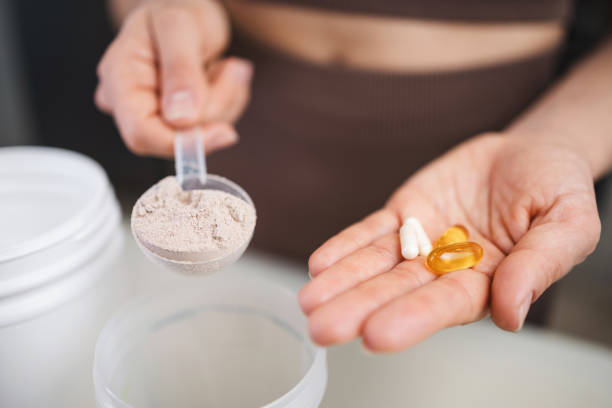
Should you be developing any of the following product categories, the ‘exceptional water solubility’ of pea peptides will serve as your R&D accelerator:
1. Ready-to-Drink Functional Supplements (RTD Drinks)
If you aim to create a protein beverage ‘as refreshing as mineral water,’ pea peptides are the sole viable option. It lacks the pronounced bitterness of soy peptides, dissolving into a pale cream colour that appears almost transparent.
2. Skincare Sprays and Serums
As it doesn't alter formulation viscosity or clog nozzles, it's the ideal active ingredient for premium repair sprays. You can easily incorporate 2%–5% pea peptides into your lightweight toners.
3. Solid Beverages
Ensures complete dissolution with just a few stirs in cold water, eliminating awkward ‘flour lumps’.
IV. FAQ
-
Q1: Will your pea peptides precipitate in acidic beverages (e.g., pH 3.0–4.0)?
A: This is where conventional proteins most commonly encounter issues. Traditional pea protein undergoes isoelectric point precipitation around pH 4.5. However, Le-Nutra's hydrolysed pea peptides undergo targeted enzymatic cleavage, precisely controlling their molecular weight below 1000 Da. At this micro-molecular scale, the peptide segments exhibit exceptional charge stability, maintaining 100% clarity and transparency across a broad pH range of 3.0 to 8.0 without flocculation or separation. This makes them an ideal choice for clear ready-to-drink (RTD) beverages.Q2: Given such excellent water solubility, does adding it increase product viscosity?
A: Absolutely not. Lower molecular weight correlates with lower viscosity. Even at high concentrations of 10%, our pea peptides retain fluidity comparable to water. This is crucial for skincare sprays (preventing nozzle blockage) and high-concentration functional oral solutions, ensuring a light, non-sticky texture and mouthfeel.Q3: Will the colour and odour after dissolution interfere with my finished product?
A: We fully recognise that the ‘beany taste’ is a persistent issue with plant proteins. Le-Nutra employs multi-stage activated carbon decolourisation and deodorisation technology. The dissolved solution exhibits an extremely pale cream colour (nearly colourless) and removes over 90% of the original plant flavour. In skincare formulations, it does not interfere with fragrance performance. In food applications, it is highly compatible with fruity or dairy flavour systems, significantly reducing the need for masking agents.
V.The Artistry Behind Solubility
As a supplier, we understand that quality ingredients should never burden formulators.
Le-Nutra's pea peptides undergo multi-stage ultrafiltration and activated carbon decolourisation and deodorisation processes, ensuring every batch achieves laboratory-grade transparency. Solubility is more than a physical parameter; it embodies our precise control over temperature, timing, and enzymatic processes.
Would you like to test its dissolution speed for yourself?
I can arrange a 50g sample pack for you immediately, complete with detailed technical data sheets (TDS). You can drop it into water yourself and witness just how remarkable this ‘instant dissolution’ truly is.
📚 References: