

Leave Your Message
Is Hydrolyzed Keratin Liquid the Missing Link in High-Performance Hair and Skin Care?
Industry Blog

Is Hydrolyzed Keratin Liquid the Missing Link in High-Performance Hair and Skin Care?

2025-06-19

Hydrolyzed Keratin Liquid is rapidly becoming a cornerstone in modern personal care formulation, driven by its impressive bioactive profile and compatibility with both hair and skin systems. From reinforcing damaged hair fibers to boosting skin hydration and barrier integrity, this protein-derived ingredient is valued for its small molecular size and targeted efficacy. Industry formulators are increasingly incorporating it into advanced solutions that align with consumer expectations for clean, functional beauty products.

I. What Is Hydrolyzed Keratin Liquid Used For?

Hydrolysed Keratin Liquid is no longer just a buzzword in the formulation labs—it’s steadily becoming a foundational building block in high-performance personal care products. With its low molecular weight (NMT 2,000 Daltons) and potent amino acid profile, this ingredient finds its way into a remarkably wide range of beauty applications—from strengthening shampoos to barrier-repairing serums.

In hair care, it excels as a restorative active. Thanks to its biomimetic compatibility with human hair keratin, it penetrates damaged strands with ease, filling in micro-fissures along the cuticle layer. This action not only reinforces tensile strength but also improves elasticity and moisture retention, making it ideal for inclusion in shampoos, conditioners, and leave-in treatments designed for chemically treated or heat-damaged hair. What's more, its affinity for protein-deficient hair gives it a transformative quality that formulators prize—especially in rinse-off repair masks and keratin booster serums.
But its capabilities don’t stop at hair. In skin care, this hydrolyzed form acts as both a humectant and a barrier-support agent. Its amino acid components support the skin’s natural moisturizing factor (NMF), improving hydration while helping to repair the stratum corneum—a critical function in formulations targeting dry, sensitive, or post-procedure skin. Products like face creams, water-based serums, and multi-functional emulsions increasingly rely on it to deliver a soft, non-sticky afterfeel alongside genuine structural benefits.
Even nail care products are starting to adopt this ingredient for its ability to strengthen brittle nails and improve nail bed flexibility. In cuticle treatments and nail hardeners, it provides a botanical-derived alternative to synthetic film-formers without sacrificing performance.
From restorative hair formulas to advanced skin and nail treatments, this versatile liquid keratin is helping formulators cross the boundaries of traditional personal care applications—with results that are both clinically evident and consumer-perceivable.

II. Why Formulators Love It for Hair Products
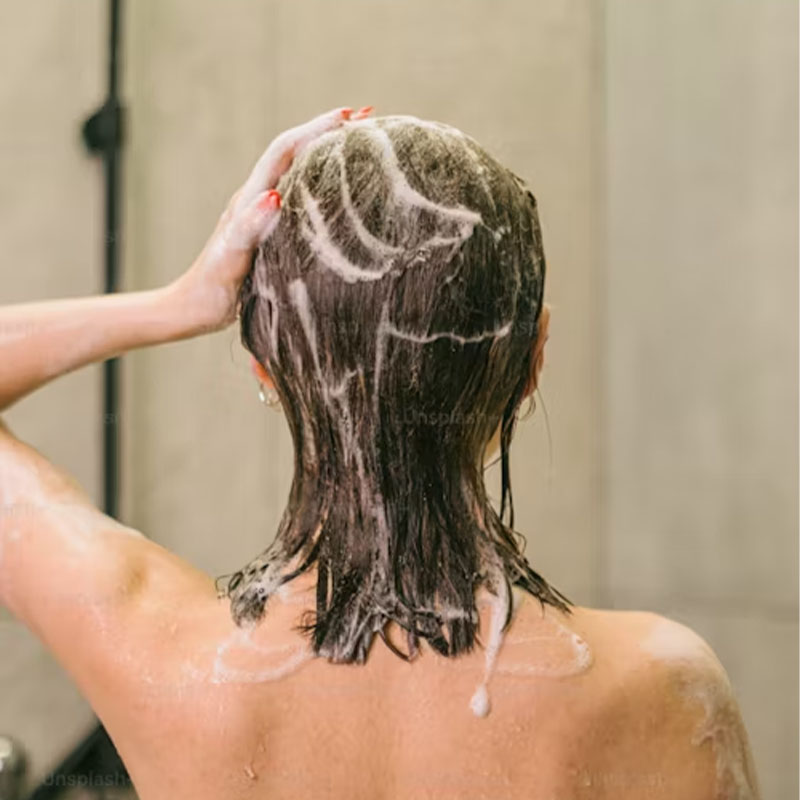
Keratin Hydrolysate isn’t just another protein additive—it’s a formulation asset that bridges cosmetic science with real-world haircare efficacy. What makes it so indispensable to R&D teams? It's the rare combination of compatibility, functionality, and visible results. When applied to damaged hair, this hydrolysate doesn't merely coat the surface. Instead, its low-molecular-weight peptides penetrate into the cortex, where they help reconstruct the internal fiber structure while sealing the cuticle from within.

Hydrolysed Keratin Liquid

Hair that's been through heat styling, bleaching, or aggressive surfactants often suffers from lifted cuticles and fragmented keratin chains. This ingredient steps in like scaffolding, re-aligning broken protein structures and creating a smoother surface that reflects light more evenly. The result? Hair that appears healthier, glossier, and less prone to frizz or snapping under tension.
Another reason behind its rise in popularity is its ability to synergize with other trendy actives. Increasingly, formulators are blending it with hyaluronic acid to pair protein repair with hydration, or combining it with nourishing oils like argan or jojoba to strike the ideal balance between strengthening and softening. These hybrid treatments—often found in luxe serums or overnight repair masks—appeal to consumers seeking salon-grade results at home.

  • The versatility of this ingredient also simplifies product architecture. Whether in rinse-off products like conditioners or leave-on sprays, it maintains stability and compatibility across various emulsions and pH ranges. For a developer aiming to pack performance into minimalist, clean-label formulas, that’s pure gold.
    Ultimately, Hydrolysed Keratin Liquid is a formulator’s shortcut to visible repair without sacrificing sensory aesthetics or ingredient integrity—a feat not every protein treatment can claim.

III. Skin Care Formulation: Unlocking Its Bioactive Properties
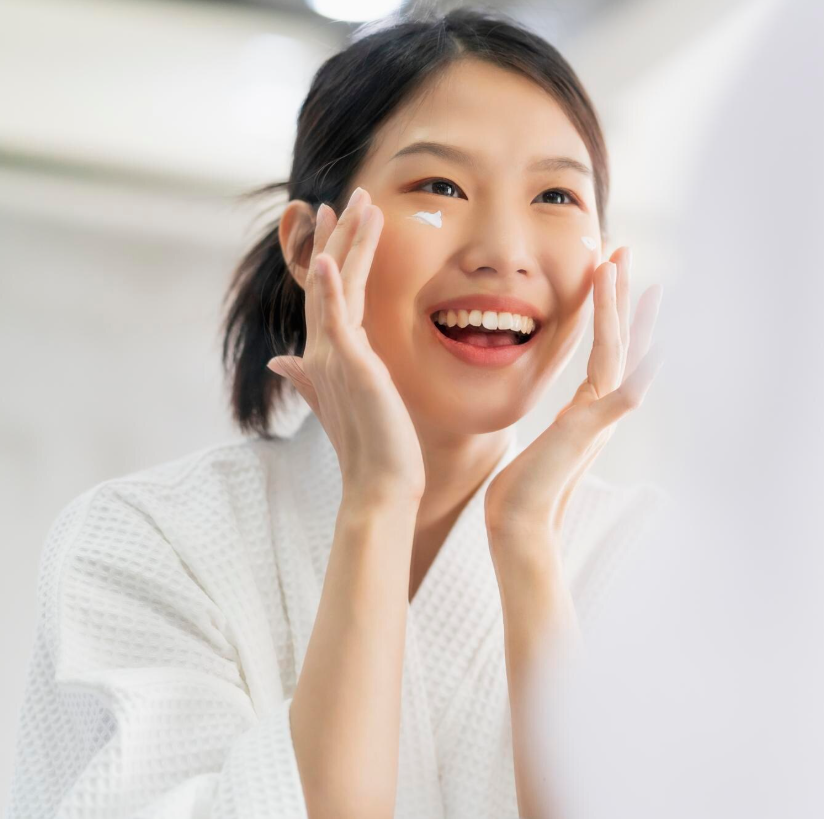
Hydrolyzed Keratin Liquid

keratin hydro lysates offers far more than hair-centric benefits—its bioactivity within skincare formulations is now being seriously re-evaluated by formulators chasing clinically relevant performance. Unlike inert film-formers, this protein-derived active carries a payload of oligopeptides and amino acids that actively interact with the skin barrier. The result? A boost in skin suppleness, increased hydration retention, and a visible reduction in signs of barrier compromise.
This ingredient's molecular configuration is small enough to penetrate the stratum corneum, yet stable enough to maintain functionality in emulsified systems. That makes it especially relevant for moisturizers, night creams, or even barrier-repair essences tailored to reactive or sensitive skin. It helps stimulate skin regeneration while acting as a humectant, gently binding water to the outer layers. In skin chronically exposed to stressors—from UV damage to over-cleansing—this rebuilding mechanism becomes invaluable.

Where Hydrolyzed Keratin Liquid shines most is in its compatibility with a new generation of dermal actives. Formulators are increasingly blending it with ceramides to amplify barrier reinforcement, or pairing it with ascorbic acid (Vitamin C) to encourage collagen synthesis while mitigating oxidative stress. This dual-action strategy—repair and protect—resonates with wellness-conscious consumers seeking long-term resilience, not just surface-level glow.
The narrative around keratin is evolving. No longer confined to the realm of hair masks and shampoos, it is becoming a multitasking tool in modern skincare architecture. As a bioactive, it adds texture, function, and legitimacy to clean-beauty labels and dermocosmetic hybrids alike.

IV. Innovation in Product Development

  • Hydrolyzed Keratin Liquid isn’t simply following trends—it’s actively shaping them. As beauty brands race to reduce complexity in their formulations without sacrificing efficacy, this ingredient stands out as a tool that satisfies both functional demands and marketing narratives. Its peptides, broken down into low molecular weights through hydrolysis, don’t just sit on the surface—they work. They bring reparative action without the need for layering five other ingredients. This simplicity is exactly what today’s minimalist formulations crave.
    In the age of “clean beauty,” ingredients are under scrutiny—not just for what they do, but for how they align with consumer values. Hydrolyzed keratin’s biodegradable nature, compatibility with water-based systems, and absence of heavy processing by-products place it right at the intersection of performance and purity. It’s not about promising miracles anymore; it’s about delivering traceable, evidence-based results with fewer question marks on the label. This aligns perfectly with the transparency-focused ethos many brands now adopt, especially in premium and dermatologist-backed ranges.
    Take Virtue® as an example. This U.S.-based haircare brand has built its entire identity around human keratin-derived alpha proteins, emphasizing restoration and renewal. While their technology differs in origin, the consumer appeal is remarkably similar—performance rooted in biomimicry. Likewise, Davines® incorporated hydrolyzed keratin in their Naturaltech line, aiming to protect fragile hair through a sensorial, clean-label approach. These are not fringe examples; they reflect a global shift toward science-backed simplicity that resonates with discerning users.
    As formulation labs continue to trim the fat from bloated INCI lists, Hydrolyzed Keratin Liquid rises as a rare case where less truly achieves more.

V. Contact Le-Nutra for High-Performance Keratin Hydrolysate

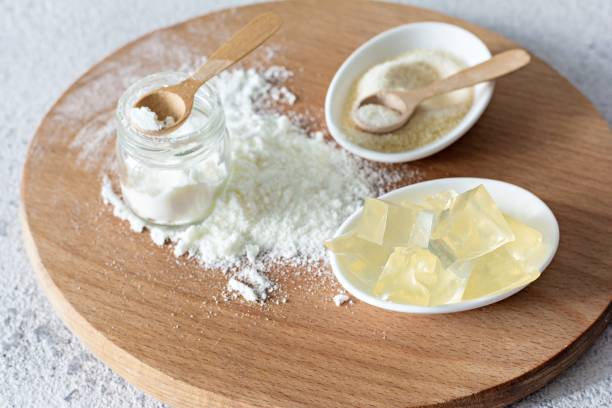
When performance matters, details speak louder than marketing claims. With a light-yellow, crystal-clear liquid appearance and an average molecular weight under 2,000 Daltons, our Hydrolyzed Keratin Liquid brings real structure back to damaged hair and compromised skin. Rich in amino acids and peptides that mimic the body’s own restorative blueprint, it excels in repairing cuticle fractures, locking in moisture, and boosting elasticity—without weighing formulations down. Whether used in hair masks, leave-in treatments, or skin-repair emulsions, it performs consistently, batch after batch.
Keratin Hydrolysate is more than an ingredient; it’s a formulation ally. At Xi’an Le-Nutra Ingredients Inc., we don’t just ship raw materials—we partner with your lab. From sample guidance to scale-up support, our technical team ensures every shipment is tailored to meet your exact specs. With global supply capabilities and a proven track record in bioactive protein solutions, we’re ready to help you move fast—and formulate smart. Reach out to us directly at  info@lenutra.com to explore collaboration options or request a specification sheet tailored to your project.

📚 References:

1.Trüeb, R. M. (2006). Molecular mechanisms of androgenetic alopecia. Experimental Gerontology, 41(6), 599-605.
2. Matsumura, H., & Hasegawa, T. (2021). Functional keratin biomaterials in skin and tissue regeneration. Bioengineering, 8(5), 65.
3. Bhogal, R. K., & Thomas, L. S. (2013). Cosmetic applications of keratin-based hydrolysates: a review. Journal of Cosmetic Science, 64(3), 181–192.
4. Robbins, C. R. (2012). Chemical and Physical Behavior of Human Hair (5th ed.). Springer.
5. Gavazzoni Dias, M. F. R. (2015). Hair cosmetics: An overview. International Journal of Trichology, 7(1), 2–15.
6. Robbins, C. R. (2012). Chemical and Physical Behavior of Human Hair (5th ed.). Springer.
7. Gavazzoni Dias, M. F. R. (2015). Hair cosmetics: An overview. International Journal of Trichology, 7(1), 2–15.
8. Bleicher, L., Oliveira, R. C., & Mota, M. M. (2019). Advances in protein-based hair care ingredients. Cosmetics & Toiletries Magazine, 134(7), 44–53.
9. Kang, H. Y., Park, K. H., Kim, I. H., & Park, S. M. (2018). The effect of hydrolyzed keratin on the improvement of damaged skin barrier. Journal of Cosmetic Dermatology, 17(6), 1122–1130.
10. Rinnerthaler, M., Bischof, J., Streubel, M. K., Trost, A., & Richter, K. (2015). Oxidative stress in aging human skin. Biomolecules, 5(2), 545–589.
11. Park, E. J., Kim, J., Nam, J. H., & Kim, M. N. (2020). A formulation study of skin barrier creams using keratin-derived peptides and ceramides. International Journal of Cosmetic Science, 42(3), 263–271.
12. D’Souza, P., & Rathi, S. K. (2015). Shampoo and conditioners: What a dermatologist should know? Indian Journal of Dermatology, 60(3), 248–254.
13. Barbulova, A., Colucci, G., & Apone, F. (2014). New trends in cosmetics: By-products of plant origin and their potential use as cosmetic active ingredients. Cosmetics, 1(1), 6–18.
14. Marto, J., Ascenso, A., Simoes, S., & Ribeiro, H. M. (2019). Sustainable and organic ingredients in cosmetic formulations. Sustainability, 11(20), 5567.