


Pentadecanoic Acid (C15:0) in Supplements & Functional Foods
Within the global dietary supplement and functional food market, brands and R&D entities continually seek innovative ingredients that offer both scientific endorsement and differentiated value. As a naturally occurring odd-chain saturated fatty acid, pentadecanoic acid C15:0 is emerging as a new focal point for functional formulations. Demonstrating potential in cardiovascular health and metabolic regulation, it provides dietary supplements and functional foods with a clear scientific selling point. Concurrently, reduced consumption of full-fat dairy products in modern diets has led to widespread C15:0 deficiency. This not only impacts cellular health among consumers but also presents a clear market opportunity for B2B brands: developing C15:0-containing products not only addresses health needs but also creates a distinct selling proposition.
I. The Unique Scientific Properties of Pentadecanoic Acid

Pentadecanoic acid is an odd-chain saturated fatty acid. Unlike common saturated fatty acids in our daily diet, such as palmitic acid (C16:0), its molecular chain comprises fifteen carbon atoms. This ‘odd-chain’ characteristic results in distinct differences in its metabolic processes and health effects within the body.
-
In nature, C15:0 is primarily found in dairy products, buttermilk, certain marine fish fats, and a small number of vegetable oils. Research indicates that this fatty acid is closely associated with cardiovascular health, metabolic regulation, and even anti-inflammatory effects. Compared to even-chain fatty acids, odd-chain fatty acids follow distinct metabolic pathways in the bloodstream, potentially offering additional advantages for cardiovascular protection and blood glucose regulation. This explains why recent nutritional studies have begun focusing on best pentadecanoic acid supplements, rather than solely on Omega-3 or Omega-6 fatty acids.
II. Applications in Dietary Supplements
Within the dietary supplement sector, C15:0 pentadecanoic acid demonstrates diverse application potential. Through engagement with clients and R&D teams, we continually identify several core directions:Within the dietary supplement sector, C15:0 pentadecanoic acid demonstrates diverse application potential. Through engagement with clients and R&D teams, we continually identify several core directions:

Cardiovascular Health
Research indicates that moderate intake of C15:0 correlates with cardiac health. Within formulations, it serves as a natural complement to omega-3 and omega-6 fatty acids, optimising the fatty acid profile and enhancing the overall health value of the formulation.
Metabolism and Weight Management
As an odd-chain fatty acid, C15:0 may play a role in regulating lipid metabolism, potentially aiding blood glucose stability and insulin sensitivity. This positions it as a noteworthy adjunct ingredient in functional metabolic formulations.
Anti-Inflammatory & Immune Modulation
Though clinical data remain limited, animal studies and in vitro research indicate that pentadecanoic acid C15:0 holds potential for modulating chronic low-grade inflammation. For brands pursuing natural, clean-label formulations, this presents a viable product differentiation opportunity.
Formulation and Dosage Considerations
C15:0 pentadecanoic acid supplements may be administered via capsules, softgels, or oil-based formulations. For B2B brands, ingredient stability and bioavailability are paramount, as these factors determine whether formulations can deliver genuine health benefits.
III. Applications in Functional Foods
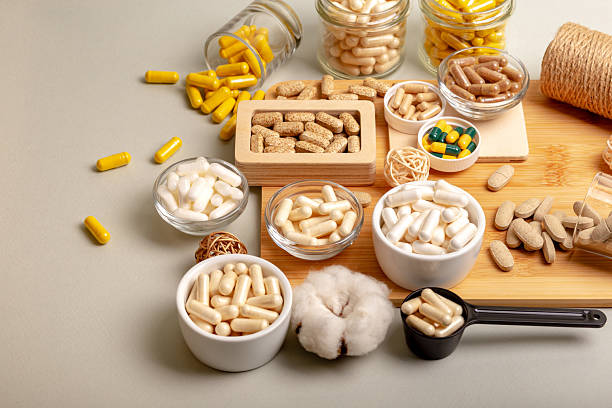
Within the functional foods sector, the potential applications of C15:0 are highly intuitive and readily enable brands to differentiate their products. Through client consultations, we have identified several key implementation avenues:Within the functional foods sector, the potential applications of C15:0 are highly intuitive and readily enable brands to differentiate their products. Through client consultations, we have identified several key implementation avenues:
Dairy Fortification
Incorporating pentadecanoic acid into yoghurts, whey protein beverages, or premium cheeses not only preserves its natural origin but also optimises the fatty acid profile, enhancing the product's scientific credibility and health credentials.
Health Snacks and Meal Replacement Products
Incorporating it into meal replacement bars, functional snacks, or high-protein biscuits provides supplementary healthy fats while meeting modern consumers' demands for ‘complete nutrition, low sugar, and wholesome fats.’ For brands, this represents a practical formulation strategy that effectively highlights differentiation.
Plant-Based Functional Foods
Although C15:0 content is limited in plant-based ingredients, fortified plant oils or fermentation processes enable the development of fully plant-based functional foods. This offers a viable solution for brands pursuing plant-based or Clean Label initiatives.
Flavour and Sensory Compatibility
The inclusion level of pentadecanoic acid powder must balance texture, flavour profile, and storage stability, particularly in snacks or beverages. During formulation design, R&D teams must ensure equilibrium between health benefits and consumer experience.
IV. Market Trends and Future Prospects
-
With rising consumer health awareness, the functional fatty acids market continues to expand, and C15:0 pentadecanoic acid is attracting increasing attention from brands due to its unique health benefits. For B2B brand owners, several noteworthy trends emerge:
Growing Scientific Research Support
In recent years, research findings on C15:0 have accumulated, covering areas such as cardiovascular health, metabolic regulation, and anti-inflammatory potential. A growing body of clinical and mechanistic studies provides robust evidence for product development, establishing C15:0 as a scientifically endorsed ingredient choice.Maturing Raw Material Supply
High-purity, traceable C15:0 raw materials are becoming consistently available, meeting global brands' demands for safety and quality consistency. This presents a tangible opportunity for B2B clients seeking to incorporate differentiated ingredients into their formulations.Substantial Product Innovation Potential
C15:0 can be combined with other functional ingredients—such as prebiotics, phytosterols, or antioxidants—to create precision formulations targeting specific health needs. Whether in dietary supplements or functional foods, C15:0 offers a distinctive selling point for product labelling.Clear Market Opportunity
With reduced consumption of full-fat dairy in modern diets, C15:0 fills a distinct gap in consumers' daily nutrition. This not only signifies untapped market potential but also enables brands to emphasise scientific credibility and health benefits in product communications.
V.FAQ
Q1: How is C15:0 applied in dietary supplements?
A: C15:0 may be incorporated into capsules, softgels, oil formulations, or compound blends. Common applications include anti-ageing formulations, metabolic/cardiac health formulas, and comprehensive wellness blends targeting middle-aged and elderly populations.
Q2: How is C15:0 utilised in functional foods?
A: It can be incorporated via natural sources or fortified forms into dairy products (yoghurt, whey protein drinks, premium cheeses), health snacks, meal replacement bars, and even plant-based functional foods. Addition must balance flavour, texture, and storage stability.
Q3: Which target consumer groups is C15:0 suitable for?
A: Primarily consumers focused on cardiovascular health, metabolic balance, anti-ageing, and natural ingredients. Particularly suitable for middle-aged and elderly individuals, health snack consumers, and the functional beverage market.
Q4: How is raw material supply and quality consistency assured?
A: High-quality C15:0 raw materials feature traceable origins, stable purity, low impurities, and compliance with relevant food and dietary supplement regulations. This meets B2B procurement and formulation development requirements.
Q5: Can C15:0 be blended with other ingredients?
A: Absolutely. C15:0 can be combined with NMN, spermidine, PQQ, prebiotics, or phytosterols for formulations targeting anti-ageing, metabolic regulation, or cardiovascular health, enabling functional synergy and differentiated product design.
In summary, pentadecanoic acid C15:0, as a naturally occurring odd-chain saturated fatty acid, is gaining recognition within the dietary supplement and functional food sectors. Its unique health benefits, natural origin, and scientific research backing offer fresh inspiration and possibilities for product development.
As a raw material supplier and R&D observer, I believe C15:0 will emerge as a star ingredient in functional fatty acid formulations over the coming years. Whether for dairy fortification, meal replacement innovation, or dietary supplement development, it possesses distinct competitive advantages. Focusing on pentadecanoic acid means focusing on the emerging trends in future functional foods and health supplements.
📚 References: