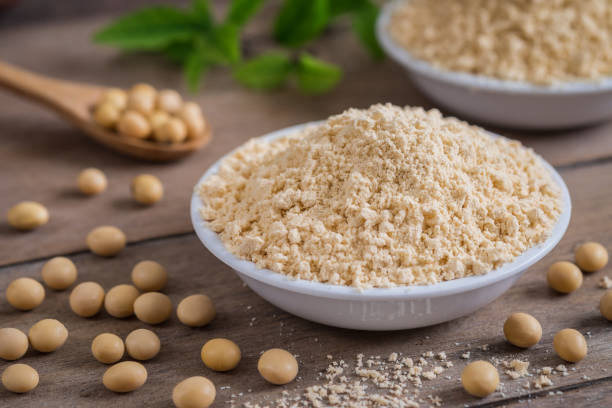
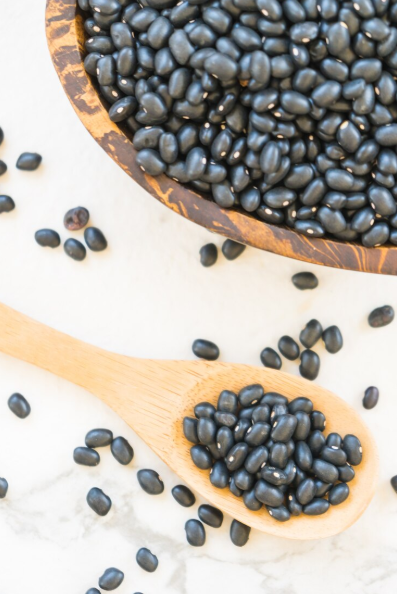
Black Bean Peptide Powder isn’t just nutritionally compelling—it’s functional. Imagine finely tuned peptides that navigate your gut lining more readily, increasing absorption and delivering benefits more efficiently. Plus, its amino acid profile, especially high lysine content, makes it stand out among legumes. When compared to unprocessed black beans, hydrolysates display markedly improved digestibility and bioavailability, making them ideal for clean-label and high-performance formulations.
Is there a formula without compromise? This ingredient edges close. While delivering robust protein content, it is hypoallergenic, gluten-free, and non-dairy, making it suitable for a wide range of consumer preferences. In short: it’s a versatile, plant-based protein source that ticks all the right boxes for modern nutraceutical, sports nutrition, and functional food developers.
II. Hydrolyzed Black Bean Protein: Enhanced Digestibility and Fast Absorption
Hydrolyzed Black Bean Protein behaves like a pre-digested, ready-to-use protein source—its peptide chains are already partially unraveled. Thanks to enzymatic processing, these protein strands are split into low molecular weight peptides (typically <10 kDa), which are both easier for digestive enzymes to target and quicker to cross the gut lining. That means less work for the body, and faster nutritional payoff.
1. Efficient Breakdown for Superior Utilization
In vitro digestion assays reveal a dramatic shift: hydrolyzed black bean protein releases significantly more soluble peptides during the early stages of digestion compared to intact black bean protein. This rapid liberation of amino acids means the body starts absorbing nutrition almost immediately—ideal for formulations designed for pre- or post-workout usage. No second-guessing whether the protein will be fully metabolized—this one pretty much guarantees uptake.
2. Smoother Digestion, Fewer After-Effects
Legumes are notorious for causing digestive discomfort—bloating and slow digestion aren’t uncommon. But when protein is hydrolyzed, many structural barriers are dismantled. The result? A gentler, more digestible ingredient. Clinical studies with similar hydrolyzed plant proteins report diminished bloating and better gastrointestinal tolerance. That makes this ingredient a smart option for formula developers aiming to meet clean-label and gentle-digest demands.
3. Metabolic Smart Fueling
There’s another perk: rapid absorption doesn’t just mean fuel for muscles—it also helps regulate blood sugar. Research indicates that hydrolyzed black bean peptides moderate postprandial glucose and insulin spikes when consumed with meals. For B2B customers in sports nutrition or metabolic-health segments, this translates into an ingredient that’s function-driven—stimulating muscle recovery while maintaining metabolic balance.
III. Complete Amino Acid Profile with High Lysine Content
Black Bean Peptide Powder isn’t just a protein—it’s a powerhouse of essential amino acids, especially lysine, making it a complete protein source for high-quality formulations. When black bean protein undergoes enzymatic hydrolysis, its amino acid composition becomes more bioavailable. Research confirms that the peptide fractions retain a well-balanced profile of essential amino acids—leucine, isoleucine, valine—and notably high levels of lysine, which often acts as the limiting amino acid in plant proteins.
Imagine a formulation partner that doesn’t force you to blend proteins to hit nutritional targets. That’s exactly what hydrolyzed black bean protein offers. With approximately 1,046 mg of lysine per 100 g—close to meeting adult dietary requirements—it stands pride of place among legumes. The presence of all nine essential amino acids, in meaningful amounts, affirms its status as a “complete protein,” enabling formulators to craft products without compromising nutritional integrity.
But why does lysine matter so much? Lysine is pivotal in tissue repair, immune function, and nitrogen balance. Many plant-based proteins (e.g., grains) lack adequate lysine; black bean hydrolysate fills that gap with finesse. This synergy reduces the pressure on herbivorous blending while ensuring robust amino acid delivery in a single ingredient.
Moreover, hydrolysis doesn’t just preserve amino acid balance—it often enhances it. The process can unmask buried amino acids, augmenting their accessibility. That means each gram of protein contributes higher-quality nutritional value than non-hydrolyzed alternatives, and that excites formulation scientists.
Hydrolysed Black Bean Protein delivers a sophisticated amino acid matrix, with lysine leading the charge. It’s a strategic solution for nutrition-forward, plant-based products requiring complete, functional protein.
IV. Hydrolyzed Black Bean Protein: Low Allergenicity and Excellent Tolerance
Black Bean Peptide acts like a safety valve in formulation–it's structured to minimize allergenic triggers. Enzymatic treatment, particularly using proteases like alcalase or papain, dismantles IgE-binding epitopes that typically provoke reactions. Studies confirm that hydrolyzed legume proteins, including black bean variants, show dramatically reduced allergenicity through lab testing (ELISA, immunoblot) and clinical assays (skin prick tests). Quite simply, they remove the “bother”—those troublesome protein fragments that busy the immune system.
But wait—does the matrix matter? Indeed. Evidence reveals that enzymatic hydrolysis is especially effective in complex legume matrices; for example, black bean hydrolysates treated with alcalase retain lower immunoreactivity compared to undealt counterparts. This nuance is essential: not all enzymes work equally, and the whole-food context can shift outcomes. Thankfully, optimized processes can neutralize most allergenic fragments—delivering a softer, safer ingredient.
What does this mean for formulators and consumers alike? Fewer label warnings. Greater consumer confidence. Clinical trials on legume hydrolysates have shown over 60–90% reductions in IgE binding—the clinical gold standard for allergenicity control. Imagine a protein powder you can market as gentle, digestible, and inclusive—even for consumers sensitive to legumes.
Thanks to this translation-friendly profile, Hydrolyzed Black Bean Protein supports wide-ranging applications: from hypoallergenic infant nutrition to sports supplements aimed at sensitive stomachs. There’s strength in flexibility here—it’s not just performing; it’s caring.
V. Clean, Sustainable, and 100% Plant-Based
Hydrolyzed Black Bean Protein doesn’t just meet the demands of modern consumers—it resonates with their values. In a marketplace oversaturated with synthetic additives, chemical residues, and overprocessed ingredients, this plant-based protein shines as a symbol of restraint and intention. No animals. No artificiality. No ethical grey zones. Just one clear message: clean nourishment, made responsibly.
Its appeal begins with simplicity. Unlike many animal-derived proteins that require resource-intensive farming, black beans offer a gentler environmental footprint. According to a 2022 study published in Nature Food, legumes emit 70–90% fewer greenhouse gases per kilogram of protein than beef or dairy proteins do¹. Add to that the low water usage, the ability to improve soil nitrogen through biological fixation, and the local sourcing potential across multiple continents—it’s not just sustainable; it’s regenerative.
But sustainability isn’t just about the environment. It’s about transparency, too. Clean-label product demand is skyrocketing across all functional food categories, and consumers are reading ingredient lists like never before. A survey by Innova Market Insights found that over 60% of global consumers want "clear and simple" labels, free from artificial additives². Here, Hydrolyzed Black Bean Protein fits the bill perfectly. Its production involves minimal chemical intervention—relying primarily on food-grade enzymes—and it naturally delivers amino acids without needing synthetic enhancers. There’s no catch, no footnote. Just nutrition, straight from the source.
There's something undeniably reassuring about a protein ingredient that aligns with ethical choices, consumer trends, and planetary needs—all at once. And while many “green” products remain limited in scale or prohibitively expensive, black bean hydrolysates offer a rare equilibrium: functionality and affordability. That makes it viable not just for premium health brands, but also for larger-scale, cost-conscious manufacturers who don’t want to compromise on ethics.
In a world where trust is earned one label at a time, Hydrolyzed Black Bean Protein offers something rare: an ingredient that tells a story worth believing in.
VII. Why More Formulators Are Choosing Le-Nutra
Choosing the right protein source is more than just a formulation decision—it’s a brand statement. More and more developers, especially those at the forefront of clean-label and plant-forward innovation, are turning to Le-Nutra’s Hydrolyzed Black Bean Protein not only for its nutritional density and functionality but for what it represents: a shift toward smarter, kinder, and more sustainable ingredient systems. We don’t just deliver powder in a bag. We deliver clarity, reliability, and a decade-long track record of helping partners build better formulas from the ground up. From customized specs to consistent batch quality, Le-Nutra provides more than ingredients—we provide confidence.
Hydrolyzed Black Bean Protein is the culmination of what modern consumers are asking for and what thoughtful formulators need. It's 100% plant-derived, low in allergens, and free from unnecessary synthetics. Whether you're developing a high-protein snack bar, a functional smoothie blend, or a recovery supplement for active lifestyles, this ingredient adapts seamlessly. Ready to take the next step? Reach out to our team via
info@lenutra.com to request samples, technical documentation, or product support. At Le-Nutra, we’re not just supplying protein—we’re helping shape the future of clean nutrition.