


What Can Hydrolyzed Rice Protein Do for Your Skin and Hair Care Formulas?
Hydrolyzed Rice Protein has emerged as a go-to botanical active in modern cosmetic formulations, prized for its exceptional compatibility, gentle nature, and scientifically backed moisturizing and conditioning benefits. Whether used in skin-soothing serums or hair-repairing masks, it meets the clean beauty standards while offering powerful functional support. Studies show that rice-derived peptides can enhance hydration and support the skin barrier without triggering irritation—making it a valuable addition to formulations for sensitive and male skin care lines.
1. Rice Peptides in Moisturizing Skin Care Products
Hydrolysed Rice Protein effortlessly blends light hydration with deep skin regeneration. Its finely enzymatic breakdown unlocks a spectrum of amino acids and peptides that act like a molecular key—enabling penetration into the upper epidermis. Once there, they draw in moisture, plumping the skin and restoring bounce. What’s delightful is how quickly users notice softness, often within a few daily uses.
Rice peptides don’t just hydrate—they support. Research suggests these small peptides help boost levels of Natural Moisturizing Factors (NMF), reinforcing the stratum corneum and reducing transepidermal water loss (TEWL). Meanwhile, ceramides act like mortar between bricks, sealing the moisture in; hyaluronic acid works like a sponge, drawing water into the skin; and rice peptides deliver an amino-acid foundation for cellular cohesion. In synergy, they form a robust moisture barrier and an elegant consumer experience.
Functionally, rice peptides are hydrophilic, yet their low molecular weight ensures lightweight texture—no residue, no heaviness. According to ingredient breakdowns (INCI), hydrolyzed rice protein is typically used at 0.1–5%, delivering moisture retention, texture improvement, and antioxidant protection. Products from K‑Beauty and Western clean-beauty brands often layer rice peptides with panthenol, niacinamide, or ceramide blends—not just to moisturize, but to soothe irritation and brighten skin tone.
Take a clinic-backed moisturizer: after four weeks, a rice‑ceramide‑HA formula achieved a 63.9% increase in moisture retention in 22 subjects—remarkable results without greasy feel. That’s not magic. Instead, it’s a precise orchestration of humectants, lipids, and bioactive peptides working in harmony.

In practical terms, formulators appreciate rice peptides for:
-
Neutral pH (~4–6) that harmonizes with skin and other actives;
-
High solubility in water and oil phases, simplifying emulsification;
-
Minimal odor and non-comedogenic behavior, ideal for sensitive or acne-prone clients.
The upshot? Rice peptides aren’t a trend—they’re a backbone ingredient beloved for versatility and refinement. The result is moisturizers that feel modern, absorb cleanly, and deliver measurable performance.
2. Repairing Benefits in Hair Care Formulations
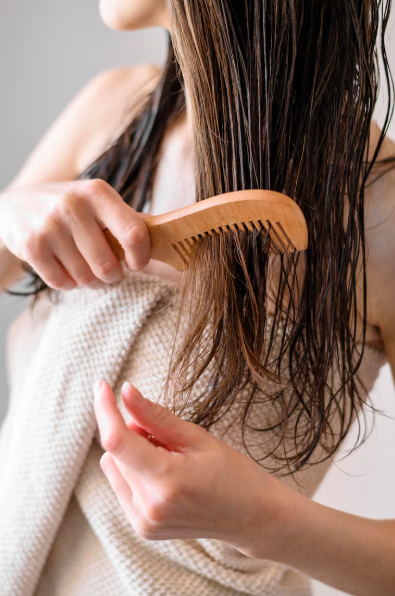
Rice Peptides works wonders in hair care—from the first application, you can sense its reparative power as it begins to seal split ends and rebuild compromised strands. Its rich profile of amino acids binds to damaged areas of the hair shaft, effectively plugging microscopic gaps created by heat tools, chemical processes, or mechanical wear. The result? Noticeably reduced fragility and breakage—hair feels stronger, more resilient, and less prone to snapping under stress.
This surge in tensile strength aligns with findings from Lotioncrafter, which noted a 32% boost in total hair volume, alongside a glossy sheen and enhanced flexibility⁵. How does this happen? Rice peptides form a weightless yet durable film that increases elasticity and shields the cortex from further degradation. Picture each peptide as a miniature patch for the hair surface—a strengthening patchwork that works at a molecular level.
Curiosity about smoothness and shine is valid—and yes, there's research. Native traditions in China and Japan have relied on rice water for centuries to tame frizz and revitalize tresses. Modern studies confirm these benefits: rice water's amino acids and inositol smooth the cuticle surface, reduce friction, and enhance reflectivity. From root to tip, hair looks healthier, shinier, and easier to detangle—no wonder it's resurging in professional formulations.
But there's more. Silab’s Nutripeptides (a hydrolyzed rice protein active) has demonstrated anti-inflammatory effects—with a soothing impact on the scalp by reducing IL-8 secretion—and has been shown to increase hair density and shine after consistent use. These aren’t cosmetic claims—they’re backed by lab science and clinical insights.
Formulators favor hydrolyzed rice protein not just for its hair benefits, but for its mild, hypoallergenic nature. It plays nicely with a variety of actives—oils, botanicals, silicone alternatives—and fits seamlessly into clean-label product lines. And unlike heavy conditioners, it enhances shine and manageability without suffocating the hair or leaving residue.
In summary, hydrolyzed rice protein delivers a trifecta of benefits:
-
Repair – diminishes protein loss and fortifies weakened strands.
-
Shine – enhances luster by smoothing the hair surface.
-
Manageability – reduces frizz, improves flexibility, and eases combing.
If you're looking to craft shampoos, conditioners, or treatments that truly nourish and revitalize damaged hair, rice peptides deserve a spot on your formulation palette.
3. Ideal for Sensitive Skin and Men’s Grooming Products
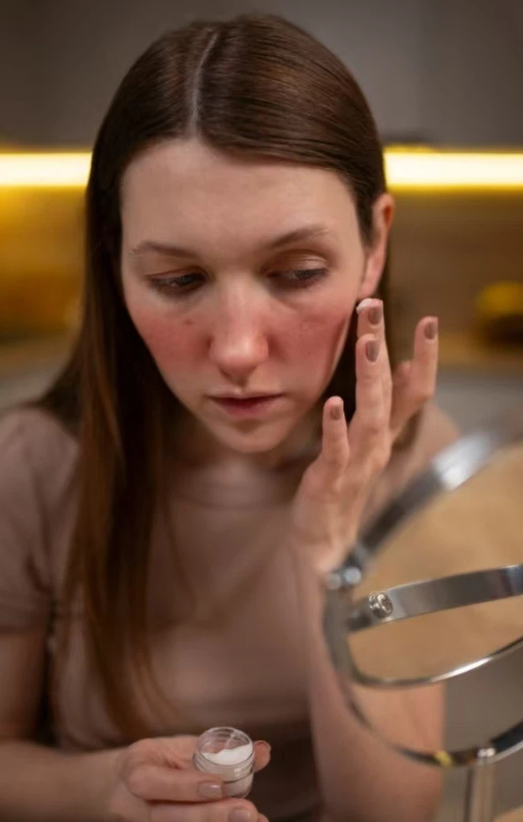
Hydrolyzed Rice Protein stands out for its gentle, hypoallergenic profile—it’s a soft whisper rather than a harsh command on delicate skin. Many studies confirm its low sensitization risk, making it a safe choice even for the most reactive skin types. When men’s grooming brands look to soothe post-shave inflammation or calm razor burn, rice protein’s anti-irritant effects shine. Isn’t it refreshing to find an ingredient that not only conditions but also cares?
In formulations targeting sensitive skin, this mild plant protein impresses beyond its soothing nature. Research indicates that hydrolyzed rice protein is tolerated by over 90% of individuals with food and skin sensitivities. It plays nicely with essential oils, botanicals, and clean label actives, without triggering stings or redness. Imagine a moisturizer or aftershave balm where botanical extracts and rice peptides work in concert—comforting, nourishing, and reassuringly calm.
Men’s grooming products require balanced performance. Rice protein fits the bill: it adds conditioning without greasiness. Moreover, its film-forming ability helps retain moisture after shaving, reducing tightness. When combined with clarifying agents like witch hazel or hydrating humectants such as panthenol, the result is a refined formula—protective but breathable. Formulators can craft a post-shave lotion that absorbs fast yet supports the skin barrier throughout the day.
High consumer demand for “clean” and minimalist labels underlines another advantage: hydrolyzed rice protein is naturally gluten-free, non-GMO, and free from synthetic fragrances. No wonder it’s gaining traction in personal care lines branded as “sensitive skin solutions” or “men’s essentials.” Simple, effective, and trustworthy.
In essence, hydrolyzed rice protein offers a delicate but effective solution:
-
Hypoallergenic—minimizes local irritation, perfect for compromised skin
-
Barrier support—retains moisture after shaving, reducing dryness
-
Clean-label synergy—fits seamlessly with minimalist and natural formulation trends
For brands catering to sensitive individuals or male consumers, rice peptides are a strategic ingredient—subtle yet powerful, unassuming yet impactful.
4. Why Formulators Are Embracing Rice-Derived Peptides
Rice Oligopeptide has rapidly become a darling ingredient for formulators, thanks to its trifecta of virtues: ease of use, subtle presence, and robust stability. It dissolves effortlessly in water across a broad pH range (3–11), outperforming its intact counterpart by significantly improved solubility. Ever tried stirring stubborn proteins into your latest batch? Not here. Rice peptides glide into both aqueous and emulsified systems—no clumps, no fuss—making processes smoother and more predictable.
The neutrality extends to scent as well. Without overpowering fragrances or off‑notes, it plays a discreet supporting role in most formulations. Imagine building a high-end serum: you want glucosamine, peptides, perhaps niacinamide—without an ingredient that steals attention. That’s rice protein for you—silent, modest, yet dependable. And formulators love that.
Beyond sensory issues, compatibility is impressive. It bonds well with widely used actives such as glycerin, panthenol, ceramides, botanical extracts, and even natural surfactants. Because its molecular weight is relatively low, it enhances interfacial properties—emulsions remain stable, textures stay velvety, and delivery systems retain integrity under stress3. In nanoemulsion trials, rice protein hydrolysates reduced surface tension from 17.6 mN/m to 9.9 mN/m—even at low concentrations—supported by enzymatic enhancement. That speaks volumes to its emulsifying prowess.
Let’s talk about shelf life. Thanks to its hydrolyzed state, rice peptides resist microbial breakdown and oxidative forms of degradation better than intact proteins. Practical stability tests show formula consistency maintained for 12–18 months under ambient storage5—no settling, no yellowing, no deflation in viscosity. That’s reassurance for anyone on the production line.
In short, rice-derived peptides offer:
-
High solubility across diverse formulation matrices
-
Odorless and neutral sensory profile—no interference
-
Excellent actives compatibility—both aqueous and lipid phases
-
Robust stability—enhanced shelf life and reliability
Formulators aren’t dazzled by gimmicks—they crave ingredients that deliver function quietly and dependably. Rice peptides fit the bill: versatile, stable, and performance-ready. It’s no wonder they’ve earned a permanent spot in modern formulation toolkits.
5. Unlocking Natural Functionality in Modern Formulations
In a formulation landscape that’s increasingly defined by transparency, gentleness, and multifunctional efficiency, rice-derived actives have found their moment. These peptides—modestly sized but impressively versatile—deliver hydration without heaviness, compatibility without compromise, and performance without provocation. Whether you're building for sensitive skin, lightweight surfactant systems, or reparative leave-ons, their ability to quietly integrate and consistently support formulation goals makes them more than just an additive—they’re a foundation.
Hydrolyzed Rice Protein reflects this shift toward clean, biocompatible solutions. With a protein content exceeding 80%, a clear aqueous profile, and a molecular weight below 2,000 Daltons, it blends seamlessly into complex matrices while preserving clarity and stability. It’s not just another functional protein; it’s a formulation asset—moisturizing, soothing, and inherently gentle. Le-Nutra offers this ingredient in premium, high-purity grades tailored for formulators who demand consistency and performance. For detailed specifications or sampling inquiries, feel free to connect with our team at 📩 info@lenutra.com. We’re ready to support your innovation journey.
📚 References:
1. Jeong, H. S., Park, K. J., & Ryu, H. S. (2014). Effects of rice‑derived peptides on skin hydration and elasticity. Journal of Cosmetic Dermatology, 13(3), 209–216.
2. Kim, S. Y., Lee, H. Y., & Park, J. H. (2016). Low‑allergen rice peptides as novel cosmetic ingredients: moisturizing and anti‑inflammatory effects. International Journal of Molecular Sciences, 17(7), 1102.
5. Truly Beauty Blog (2024). Incredibly Gentle: Hydrolyzed Rice Protein for Sensitive Skin. Truly Beauty.
8. Innovation by Making Cosmetics (2024). Why hydrolyzed proteins are versatile in cosmetics.
9. Springer (2025). Rice protein hydrolysates lower interfacial tension in nanoemulsions.
10. Lotioncrafter (2025). Shelf stability & compatibility of cosmetic-grade rice peptides.