


Leave Your Message
What Is Hydrolyzed Rice Protein and Why Are Clean Beauty Brands Obsessed With It?
Industry Blog

What Is Hydrolyzed Rice Protein and Why Are Clean Beauty Brands Obsessed With It?

2025-07-01

Hydrolyzed Rice Protein is a plant-based protein derived from whole rice grains that has undergone enzymatic hydrolysis to break it down into smaller, more absorbable peptides. With its impressive amino acid profile and natural origin, this ingredient has become a staple in both clean beauty and nutritional formulations. It offers gentle yet effective benefits for hair and skin, making it especially appealing to brands that cater to sensitive or eco-conscious consumers. Recent studies have highlighted its moisturizing properties and antioxidant potential, further supporting its use in topical and ingestible applications.

1. What Is Hydrolyzed Rice Protein?

Rice Oligopeptides

Hydrolysed Rice Protein is a plant-derived active ingredient obtained by breaking down whole rice grain proteins through controlled enzymatic hydrolysis. This process reduces large protein molecules into smaller peptides, making them more bioavailable, water-soluble, and suitable for sensitive applications. Unlike conventional rice protein isolates, which are often used as bulk nutritional fillers, this hydrolyzed form offers targeted functional benefits for cosmetic and personal care formulations.
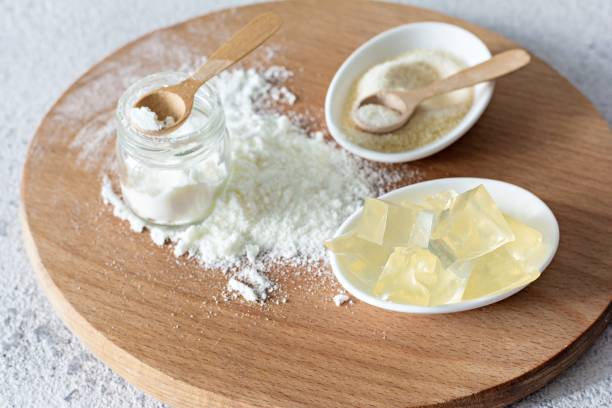
At first glance, it may appear as a light-yellow powder, but once dissolved, it forms a clear and transparent aqueous solution—a telltale sign of its high purity and refined processing. What makes it truly unique is its peptide-rich profile: with an average molecular weight of less than 2,000 Daltons, it penetrates more effectively into the skin and hair shaft, delivering benefits from within. Its protein content exceeds 80%, with nitrogen levels above 12.5%, reinforcing its status as a highly concentrated bioactive.

  • So, what gives it its rising appeal in the beauty and wellness space? It’s not just about being “natural” or “vegan.” This ingredient aligns with the growing demand for clean-label actives that are both effective and gentle. In skin care, it helps restore barrier function, smooth rough texture, and improve elasticity—without triggering irritation. For hair care, it supports follicle nourishment and improves tensile strength, making strands more resilient against breakage.
    Originating from one of the world’s most ancient and widely consumed grains, rice, this ingredient carries cultural familiarity yet modern sophistication. Its hypoallergenic nature makes it especially desirable in products formulated for sensitive skin or scalp. What’s more, it fits seamlessly into sulfate-free, paraben-free, cruelty-free, and EWG-compliant formulations—criteria that many modern formulators now prioritize.
    Recent research has further validated its skin-moisturizing effects and antioxidant activities. In vitro studies suggest it can stimulate fibroblast proliferation and enhance collagen synthesis, adding to its value in anti-aging and repair products. Its mildness also makes it ideal for use in baby care and post-procedure cosmetics, where gentleness is paramount.
    In essence, Hydrolyzed Rice Protein is no longer just an alternative to soy or wheat proteins. It's carving out its own niche as a multi-functional, future-forward ingredient at the intersection of tradition and technology.

2. How Is Hydrolyzed Rice Protein Made?

Rice Oligopeptides is created through a precise, enzyme-driven process that transforms raw rice protein into bioavailable peptides with specialized functionality. This transformation doesn’t happen by accident. It’s the result of tightly controlled conditions that balance temperature, pH, reaction time, and enzyme specificity to break down macromolecules into smaller peptide chains, usually under 2,000 Daltons in molecular weight. But why such precision? Because functional performance—such as moisturization, repair, or antioxidation—hinges on how the protein is cleaved.
The process typically starts with whole grain rice. After milling and defatting, the rice is solubilized in water to extract the protein. From there, it’s subjected to enzymatic hydrolysis using proteases—enzymes that target peptide bonds. This stage is where the magic happens. By modulating enzyme type (e.g., alcalase, papain), hydrolysis degree, and duration, formulators can influence not just solubility and texture, but also the bioactivity and safety of the final ingredient.
Interestingly, the degree of hydrolysis (DH) acts almost like a dial for tuning functionality. A lower DH retains larger peptide chains, which may form protective films on hair shafts. A higher DH, on the other hand, produces short-chain peptides with higher penetration and antioxidant potential. In some studies, optimized hydrolysis has even been linked to the stimulation of collagen synthesis and reduction of transepidermal water loss.
Maintaining enzymatic specificity and avoiding harsh chemicals or excessive heat is critical—not only for preserving peptide structure but also for minimizing allergenic potential. That’s why high-quality manufacturers often integrate filtration, purification, and spray-drying steps to ensure consistent molecular weight distribution and purity, without compromising sensory or safety attributes.
This isn’t just processing—it’s peptide engineering. And in an industry where clean-label claims, efficacy, and skin compatibility must coexist, such craftsmanship is exactly what sets hydrolyzed rice protein apart from lower-grade plant proteins.

3. How Does It Differ from Regular Rice Protein?

Rice Peptides stands worlds apart from its unmodified counterpart—not just in molecular structure, but in function, performance, and usability. At the most basic level, the difference begins with size. Regular rice protein is composed of large, complex polypeptide chains that are difficult to dissolve and even harder to absorb. In contrast, the hydrolyzed version has been enzymatically broken down into small peptides, typically below 2,000 Daltons, making it water-soluble, fast-penetrating, and highly bioavailable.
But the contrast doesn’t stop at solubility. Think about it: when applying a cosmetic product, how likely is a full-length protein to penetrate the epidermis or hair cuticle? Not very. Short-chain peptides, however, are not only capable of penetrating deeper but also more likely to interact with receptors responsible for cellular repair, hydration, and barrier support. That’s why hydrolyzed rice protein is commonly used in leave-on skin care, serums, and lightweight hair mists, while regular rice protein remains relegated to rinse-off products or nutritional applications with lower performance expectations.
There's also the matter of texture and formulation behavior. Regular rice protein often creates a gritty, powdery feel that’s hard to mask in formulations. Hydrolyzed rice peptides, on the other hand, offer a smooth, non-greasy sensorial profile and integrate seamlessly into aqueous and emulsified systems. Their transparency in solution also allows formulators to create clear gels, toners, and ampoules—an increasingly desirable trait in high-end cosmetics.
What’s more, the bioactivity of hydrolyzed rice protein unlocks new benefits. Research shows it has antioxidant potential, moisture retention capacity, and soothing effects on irritated skin—none of which are reliably delivered by unhydrolyzed proteins. Essentially, it’s not just rice protein made smaller; it’s rice protein made smarter.

4.How Is It Used in Beauty and Nutrition?
Rice Peptides

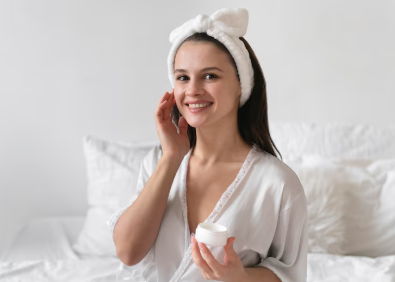
Rice Peptide is a textbook example of how a single ingredient can cross the boundaries between cosmetic science and functional nutrition—effortlessly. In beauty, it’s not just a trendy label or a passive filler. It’s an active contributor to skin barrier integrity, hair fiber resilience, and long-term dermal health. In nutrition, while less publicized, its value lies in being a clean, allergen-friendly peptide source with excellent digestibility and absorption.

  • Let’s start with skincare. You’ll find it in everything from soothing serums to post-sun moisturizers, and for good reason. These short-chain peptides, with molecular weights under 2,000 Daltons, easily absorb into the epidermis. Once inside, they don’t just sit there—they stimulate cellular regeneration, enhance skin hydration, and improve elasticity. What makes it even more compelling is its calming effect. Products formulated with this ingredient often show reduced redness and improved tolerance in sensitive skin users, making it a go-to for minimalist or hypoallergenic lines.
    Hair care is another arena where it shines. Unlike bulkier plant proteins that coat the hair but offer minimal internal benefit, hydrolyzed rice peptides penetrate the hair shaft, repair internal structure, and reduce breakage from within. They also help fortify the cuticle layer, locking in moisture and smoothing frizz without the heaviness of silicones or waxes. This makes them an obvious candidate for lightweight leave-in treatments, clean-formula shampoos, or volumizing sprays where performance can’t compromise purity.
    On the nutrition front, it's emerging as an alternative to soy and whey for protein enrichment in powders, functional snacks, and beverages. The key? No allergens, no digestive strain, and a complete amino acid profile tailored for gentle recovery and metabolic balance. While not as heavily marketed as its beauty applications, its nutritional use is gaining traction in vegan and gut-sensitive formulation spaces.
    The versatility here is remarkable. It adapts. It enhances. It supports clean-label claims while delivering actual function. Whether you’re developing a calming facial essence, a reparative conditioner, or a gut-friendly protein bar, hydrolyzed rice protein has the molecular finesse and ingredient integrity to support your brand’s vision.

Why Choose Le-Nutra’s Hydrolyzed Rice Protein

Every drop of innovation in personal care starts with ingredients that speak the skin’s language—and Hydrolyzed Rice Protein does exactly that. Its lightweight molecular structure, transparent solubility, and soothing functionality make it an ideal choice for brands crafting next-gen solutions in hydration, repair, and barrier support. Whether your formula calls for a gentle surfactant, a moisture-binding booster, or a skin-calming peptide complex, this ingredient delivers more than just performance—it delivers confidence in purity, traceability, and results.
Hydrolyzed Rice Protein from Xi’an Le-Nutra Ingredients Inc. is produced with rigorous attention to consistency, quality, and global compliance. With over a decade of experience in botanical actives and peptide innovation, we serve B2B partners across cosmetic, personal care, and functional formulation industries. We provide not only high-purity materials with COA, TDS, and batch traceability—but also responsive service tailored to your R\&D needs. For detailed specs, samples, or formulation advice, reach out to us anytime at info@lenutra.com. Let's bring your product vision to life—together.

📚 References:

1. Kim, M. J., Kim, Y. J., & Lee, J. H. (2020). Antioxidant activity and skin moisturizing effect of hydrolyzed rice protein. Journal of Cosmetic Dermatology, 19(3), 685–692.
2. Zhao, X., & He, W. (2018). Rice-derived peptides and their skin care efficacy: A review. International Journal of Cosmetic Science, 40(5), 403–412.
3. Kim, M. J., Kim, Y. J., & Lee, J. H. (2020). Antioxidant activity and skin moisturizing effect of hydrolyzed rice protein. Journal of Cosmetic Dermatology, 19(3), 685–692.
4. Zhao, X., & He, W. (2018). Rice-derived peptides and their skin care efficacy: A review. International Journal of Cosmetic Science, 40(5), 403–412.
5. Wu, J., Chen, C., & Zhao, Y. (2017). Advances in hydrolyzed rice peptides: Their preparation, properties, and applications. Food Chemistry, 221, 106–112.
6. Yu, Y., Yin, L., Zhang, X., & Wu, J. (2020). Preparation, characterization, and antioxidant activities of rice protein hydrolysates. Journal of Cereal Science, 91, 102867.
7. Gao, R., Liang, R., Wang, Y., & Shen, L. (2018). Optimization of enzymatic hydrolysis of rice protein for the production of antioxidant peptides. LWT - Food Science and Technology, 92, 210–216.
8. Wang, J., Zhang, H., & Zhang, Y. (2019). Effects of enzymatic hydrolysis conditions on the antioxidant activity of rice protein hydrolysates. International Journal of Food Properties, 22(1), 1094–1107.
9. Chen, J., & Li, D. (2021). Comparative study of antioxidant activities and moisturizing effects between hydrolyzed and native rice proteins. International Journal of Cosmetic Science, 43(1), 88–96.
10. Liu, Q., Kong, B., & Wang, H. (2019). Effect of hydrolysis degree on the functional properties of rice protein hydrolysates. Journal of Food Processing and Preservation, 43(4), e13883.
11. Patel, S., & Singh, A. (2020). Plant-derived peptides: A review on functional bioactivities and applications in cosmetics. Journal of Functional Foods, 64, 103622.
12. Jeong, Y. H., & Park, S. N. (2022). Effects of hydrolyzed rice protein on skin moisturization and barrier enhancement in cosmetic formulations. Journal of Cosmetic Dermatology, 21(5), 1934–1942.
13. Shin, D. Y., & Lee, J. H. (2021). Application of plant-derived hydrolyzed proteins in hair fiber protection and anti-frizz treatments. International Journal of Trichology, 13(3), 102–108.
14. Zhang, L., Chen, Q., & Yu, S. (2020). Nutritional potential of hydrolyzed rice protein in vegan formulations: Digestibility and bioactivity. Journal of Functional Foods, 67, 103841.