







What is Isononyl Isononanoate? Why is it so popular in skincare formulations?
Amidst the global trend of continuously upgrading skincare formulations, Isononyl Isononanoate is rapidly becoming the most frequently procured lightweight moisturising ingredient by major brands and OEM/ODM manufacturers. As a highly balanced ester ingredient, it combines ‘premium skin feel’, ‘strong formulation compatibility’ and ‘silicone oil replacement’ properties, making it particularly suited for currently booming categories like lightweight sunscreens, serums, lotions and foundations.
For brands seeking to enhance product texture, establish differentiated competitiveness, or align with the Clean Beauty trend, Isononyl Isononanoate transcends its role as a base ingredient. It functions as a key functional oil that significantly elevates the market appeal of finished products. Its lightweight, non-greasy, and highly stable properties render it the ‘least prone to formulation errors’ among moisturising esters, as noted by formulators.
Should you be seeking an ingredient to improve spreadability, optimise skin feel, and elevate formulation standards, Isononanoic acid isononyl ester stands as one of the most cost-effective and trend-aligned choices currently available on the market.
I. What is Isononyl Isononanoate?
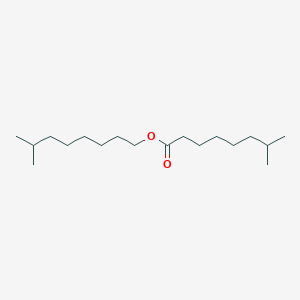
It is a high-purity branched-chain ester produced through the esterification reaction of isononyl alcohol and isononanoic acid. Due to its unique branched structure, it significantly outperforms traditional straight-chain fatty acids in both physicochemical properties and skin feel.
-
Its core characteristics include:
Clear appearance: A colourless, transparent liquid that helps maintain the colour and stability of finished products.
High oxidative stability: Resistant to rancidity or deterioration, making it suitable for cosmetics with extended shelf lives.
Low volatility yet high spreadability: Applies smoothly and lightly without leaving a sticky, heavy or greasy film.
Low irritation: Gentle on sensitive skin, widely accepted under global regulations.
Highly eco-friendly and biodegradable: Aligns with Clean Beauty and green formulation trends.
Non-comedogenic and non-pore-clogging: More suitable for oily or acne-prone formulations than traditional esters like IPM.From a chemical structure perspective, Isononanoic acid isononyl ester features a uniformly distributed multi-branched structure. This results in a less compact molecular arrangement, yielding a unique skin feel characterised as ‘lightweight yet moisturising’—lighter than natural plant oils, smoother than silicone oils, yet occupying a tactile middle ground that combines their advantages: smoothness, ease of spreadability, non-greasiness, and non-heaviness. Precisely due to these superior sensory properties, it is regarded as a new generation premium lightweight emollient, becoming increasingly indispensable in modern cosmetic formulations.
II. Why is it so popular?
1. Lightweight texture, non-greasy and non-heavy
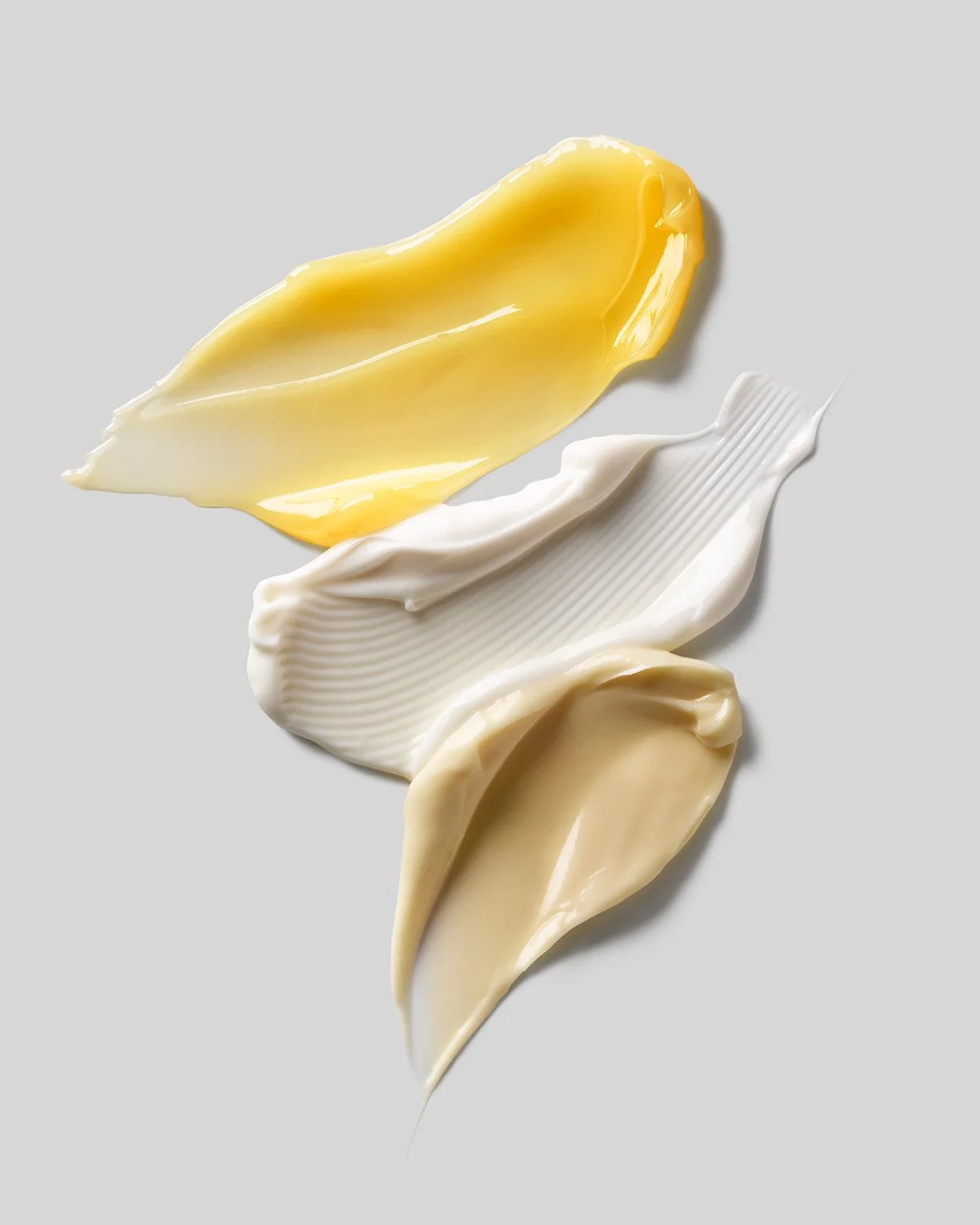
Brands now pursue a texture that is ‘moisturising without oiliness’, ‘lightweight without thinness’, and ‘absorbs instantly upon application’. Isononyl Isononanoate delivers near-perfect performance in this regard.
• Enhanced spreadability
• No pulling or residue
• Feels so lightweight it's almost ‘invisible’
This formulation is particularly favoured by Asian consumers.
2. It ranks among the most popular ‘silicone oil alternatives’
A pronounced silicone-free trend is emerging globally in skincare. Drivers include environmental concerns, biodegradability, and the rise of ‘Clean Beauty’ principles.
Isohexadecanoic acid isohexadecyl ester excels by:
• Delivering a smoothness akin to D5 (Cyclopentasiloxane)
• Without the drawbacks of silicones – being difficult to rinse off and non-biodegradable
• Being better suited for Clean Beauty and natural-based brands
It stands as one of the most balanced ingredients in the silicone alternative category.
3. Superior Solubilising Capability: Enhanced Active Ingredient Stability
For formulators, an excellent ester is judged not only by its skin feel but also its solubilising power.
Isononanoic acid isononyl ester effectively dissolves:
• UV filters (e.g., Avobenzone, Homosalate)
• Dyes and pigments
• Certain lipophilic actives, such as squalane-soluble vitamins
• Fragrance components
• In sunscreens, it ensures more uniform dispersion of UV filters, enhancing stability.
4. Significantly enhances spreadability, rendering products more ‘silky smooth’
Many customers desire products that ‘glide on effortlessly without any tackiness’.
Isohexadecanoic acid isononyl ester markedly improves the application experience of creams, foundations, and body lotions. Particularly in foundation testing, it:
• Ensures more uniform dispersion of powder particles
• Reduces patchiness and creasing
• Enhance silkiness
Its importance in colour cosmetics and base makeup rivals that of silicone oils.
5. Excellent film-forming properties without heaviness: moisturising without stickiness
It forms a soft protective film on the skin surface:
• Locks in moisture
• Improves skin feel
• Does not create a heavy oily film
Compared to petroleum jelly or mineral oil, it offers a lighter, more breathable feel with a higher-end finish.
6. Exceptional formulation stability for extended shelf life
Its potent antioxidant and anti-hydrolytic properties prevent rancidity or off-odours during prolonged storage.
For OEM/ODM manufacturers:
• Formulation-agnostic
• Seamless compatibility with other ingredients
• Minimal risk of formulation issues
• Ideal for large-scale, stable production
III. In which products is it most commonly used?

1. Sunscreen
As it dissolves UV filters and enhances film-forming properties, it is virtually the ‘standard ester’ in modern sunscreens.
2. Serums, lotions, creams
Improves spreadability and absorption speed, lending a more luxurious, lightweight feel to the finished product.
3. Foundation, cushion compacts, BB creams
Assists in evenly dispersing pigment particles and prevents clumping.
4. Body lotions, hand creams
Reduces greasiness, catering to the widespread preference for ‘lightweight and easy to apply’ textures.
5. Hair care
Provides a smooth, film-like finish in conditioners and hair masks.
IV. Comparison with Common Esters: Why Do Formulators Favour It?
-
1) vs MCT (Caprylic/Capric Triglyceride)
Isononanoic acid isononyl ester offers greater silkiness
Lighter texture
More suitable for colour cosmetics and premium formulations2) vs IPM (Isopropyl Myristate)
IPM carries acne-inducing concerns
Isononanoic Acid Isononyl Ester is safer and non-comedogenic
Offers superior scent and stability3) vs Silicone Oils (D5, D6)
Delivers comparable skin feel
Yet is biodegradable and eco-friendly
More readily embraced by Clean Beauty brands
V.FAQ
Q: Is Isononanoic Acid Isononyl Ester comedogenic? Is it suitable for oily and sensitive skin?
A: It is not comedogenic.
The molecular structure of Isononanoic Acid Isononyl Ester is highly branched, making it less prone to clogging pores. Its comedogenic rating is lower than many traditional esters (such as IPM).
Its lightweight texture makes it highly suitable for:
Oily and combination skin
Acne-prone and sensitive skin
Asian markets seeking ‘lightweight, non-greasy’ formulations
Consequently, it is frequently used in: lightweight lotions, oil-control creams, sheer sunscreens, and liquid foundations.
Q: Is it suitable for natural or clean beauty formulations?
A: Highly suitable. Its advantages include:
Biodegradability
Silicone-free, mineral oil-free
Excellent oxidative stability
Low odour, non-irritating
Many European and American natural brands prioritise it post-silicone removal to enhance texture and spreadability.
Q: Is it considered an eco-friendly ingredient?
A: Yes, it is a biodegradable ester compound without the long-term environmental accumulation concerns associated with silicones.
It is widely accepted under international Clean Beauty standards, particularly in: EU, Japanese, and North American natural brands, being classified as a ‘safe, hypoallergenic, and eco-friendly’ ingredient.
Isononyl Isononanoate has become one of the core oil phase ingredients for major international brands and OEM/ODM manufacturers. As a highly balanced, premium ester, it simultaneously offers exceptional skin feel enhancement, excellent oil phase solubility, potential as a silicone oil substitute, and outstanding formulation compatibility, meeting virtually all the latest formulation requirements. Whether in lightweight sunscreens, serums, creams, body lotions, or foundation liquids, cushion compacts, and colour cosmetics emulsions, Isononanoic Acid Isononyl Ester significantly enhances product spreadability, smoothness, and skin adherence. This elevates the consumer experience of finished products, delivering greater sophistication and differentiation. For brands committed to Clean Beauty, silicone-free formulations, and sustainability principles, it is an indispensable functional oil.
As a primary raw material supplier, Le-Nutra Ingredients consistently provides global brands with high-purity, low-acid-value, low-odour, and batch-consistent isononanoic acid isononyl ester. We guarantee stable COA data and comprehensive documentation support. Our stable supply chain, stringent quality control, and factory-direct cost advantages ensure exceptionally high repurchase rates among OEM/ODM clients.
If your objective is to further refine product texture, elevate formulation sophistication, or enhance consumer appeal, or if you seek safer, more environmentally conscious, and trend-aligned alternatives to silicone oils, isononanoic acid isononyl ester stands as one of the most cost-effective, reliable, and worthwhile key ingredients to incorporate into your formulations today.
📚 References: