




Which is superior: niacinamide or alpha-arbutin?
Within the skincare industry, brightening complexion and reducing pigmentation remain core consumer concerns. Whether for mass-market products or high-end functional formulations, brands and formulators continually seek safe yet effective brightening ingredients. ‘Which is more suitable for my product: niacinamide or alpha-arbutin?’ This question extends beyond mere efficacy comparisons, directly impacting formulation stability, product positioning, and ultimate market performance. Today, we shall conduct a comprehensive analysis covering the scientific mechanisms, efficacy, suitable skin types, and formulation techniques for these ingredients. This will assist brands, OEM/ODM manufacturers, and consumers in understanding the differences between these two popular brightening agents, thereby enabling more informed choices.
I. Core Properties

Niacinamide
Niacinamide, a derivative of vitamin B3, is widely recognised within the skincare industry as a “multi-tasking ingredient”. It not only brightens the complexion but also strengthens the skin barrier, refines texture, controls oil, combats inflammation, and even helps delay skin ageing to some extent. Typical concentrations in skincare products range from 2% to 5%, with high-concentration formulations potentially reaching 10%. However, elevated concentrations may cause mild irritation for sensitive skin. Niacinamide's advantages lie in its high stability and broad formulation compatibility, making it suitable for nearly all skin types. This versatility underpins its enduring popularity within the B2B raw materials market.
-
Alpha-Arbutin
Alpha-arbutin is a glucoside derivative of hydroquinone, offering greater stability and safety than natural arbutin. Its core efficacy lies in inhibiting tyrosinase activity, thereby reducing melanin production at its source to effectively lighten spots and even skin tone. Typical usage concentrations range from 1% to 2%, requiring careful attention to formulation pH and stability. For achieving visible results on localised pigmentation or sunspots, alpha-arbutin represents a precise choice.
II. Differences in Mechanism of Action
Niacinamide: Brightening at the Source and Comprehensive Repair
Niacinamide primarily brightens the complexion by inhibiting the transport of melanin to keratinocytes. Additionally, it strengthens the skin barrier, helping the skin retain moisture and resist irritation. Its oil-controlling and anti-inflammatory properties also make it highly suitable for acne-prone or sensitive skin.
α-Arbutin: Targeted Spot Fading with Greater Precision
α-Arbutin acts directly upon tyrosinase to inhibit melanin synthesis, delivering more immediate and direct effects. This makes it notably effective for addressing localised pigmentation, sun spots, or post-acne marks. However, it demands stricter formulation and usage conditions, requiring a stable pH environment to achieve optimal efficacy.
III.Efficacy Comparison: Which is More ‘Potent’?
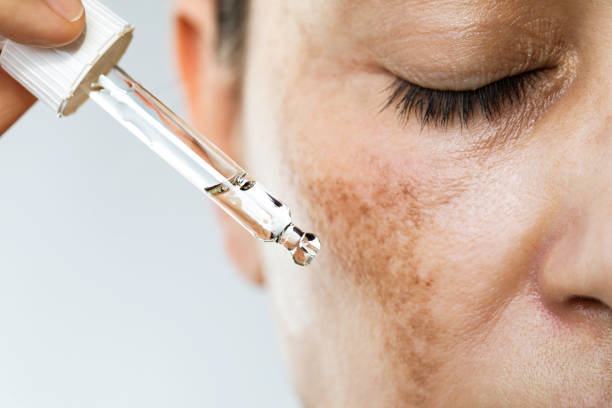
When selecting whitening ingredients, the actual efficacy of components is paramount for many brands and formulators. Whilst both niacinamide and α-arbutin are popular whitening agents, their performance differs markedly across various efficacy dimensions. Below, we analyse these ingredients across four key areas to clarify their respective advantages.
1. Overall Skin Tone Brightening → Niacinamide is More Effective
A core reason for niacinamide's widespread use in skincare is its ability to enhance the skin's overall luminosity. It achieves this by inhibiting melanin transport to keratinocytes, resulting in an even, brighter complexion. Simultaneously, it strengthens the skin barrier, supporting long-term skin health. Compared to α-arbutin, niacinamide offers the following advantages:
• Comprehensive radiance: It not only brightens specific spots but also improves overall dullness, resulting in a more even and luminous complexion.
• Long-term tone stabilisation: Consistent use helps establish a stable pigment balance, maintaining even skin tone even when exposed to daily UV rays or environmental stressors.
2. Fading Localised Spots → α-Arbutin is More Effective
For targeting localised pigmentation, acne marks, or sunspots, α-arbutin demonstrates superior performance. By directly inhibiting tyrosinase activity, it blocks melanin production at its source, delivering faster and more precise results for localised hyperpigmentation. Key advantages include:
• Targeted action: Concentrates on pigment-dense areas like spots and acne marks for visible lightening.
• Direct efficacy on acne marks, sunspots, and hyperpigmentation: Compared to niacinamide's broad-spectrum brightening, α-arbutin offers more targeted treatment for stubborn discolouration, making it ideal for localised brightening products or high-concentration spot-fading serums.
3. Repair and Tolerance → Niacinamide Prevails
Beyond brightening efficacy, skin tolerance and repair capabilities are crucial formulation considerations. Niacinamide excels in these areas:
• High Tolerance: Causes minimal irritation at low to medium concentrations, making it suitable for sensitive and acne-prone skin.
• Barrier Repair: It enhances lipid synthesis in the stratum corneum, strengthening the skin barrier function. This reduces moisture loss and minimises damage from external irritants.
In contrast, while α-Arbutin is highly safe, its stability is limited in pH-sensitive formulations. Excessively high concentrations or improper formulation may diminish efficacy or even cause mild irritation.
4. Brightening potency → α-Arbutin offers greater precision but relies on formulation
Regarding brightening potency, α-Arbutin demonstrates more direct efficacy when solely evaluating pigment suppression:
Precision brightening: By inhibiting key enzymes in melanin production, its mechanism acts more directly, delivering significant spot-fading results.
• Formulation Dependency: To achieve optimal results, α-Arbutin demands stringent pH and stability requirements within formulations. Inadequate formulations may diminish its potency.
Consequently, α-Arbutin is best suited for serums requiring potent spot-fading or localised brightening, whereas niacinamide serves more effectively as a foundational ingredient for overall complexion illumination and daily skincare routines.
IV. Suitable Skin Types and User Groups
-
When selecting whitening ingredients, consideration must extend beyond efficacy to include skin type and target user groups. This is crucial for brands in product development, formulation design, and market positioning. Whilst both niacinamide and α-arbutin are whitening agents, they exhibit distinct differences in suitability and application scenarios.
Niacinamide, prized for its multifunctionality and gentle nature, finds broad application across various skincare formulations and suits multiple skin types:
Sensitive Skin-Friendly: At low to medium concentrations, niacinamide exhibits minimal irritation, making it tolerable even for easily flushed or reactive skin. It also strengthens the skin barrier, reducing damage from external aggressors, rendering it an ideal choice for sensitive complexions.
Oil control and anti-inflammatory benefits for oily and acne-prone skin: Niacinamide regulates sebum production and possesses anti-inflammatory properties, effectively addressing acne concerns while preventing pore blockage.
Overall complexion brightening: For those seeking comprehensive radiance and skin texture improvement, niacinamide evens out skin tone, diminishes dullness, and imparts a healthier, luminous appearance.Alpha-Arbutin primarily targets spot reduction and localised brightening, making it particularly suitable for those troubled by pigmentation:
Those with visible localised spots: For acne marks, sun spots, or areas with pronounced discolouration, alpha-arbutin directly inhibits tyrosinase activity, reducing melanin production for precise spot fading.
Those seeking rapid results: For short-term improvement of spots or localised hyperpigmentation, α-arbutin offers more direct action and is more targeted than niacinamide.
Suitable for most skin types but pH sensitivity requires attention: Whilst α-arbutin is highly safe, it demands specific pH conditions within formulations. High concentrations or pH mismatches may diminish efficacy or cause mild irritation. Consequently, concentration and formulation stability warrant careful consideration when used on sensitive skin or in highly active skincare products.
V.Can They Be Used Together?
Many brands and consumers ask: ‘Can niacinamide and α-arbutin be used together? Will they conflict?’ The answer is yes, and when used correctly, they can synergise to deliver enhanced results. This is primarily due to their distinct mechanisms of action:
Niacinamide primarily inhibits melanin transport to keratinocytes while improving the skin barrier and texture;
Alpha-arbutin, however, directly inhibits tyrosinase activity, reducing melanin production at its source.
Their complementary mechanisms mean simultaneous use can both brighten overall complexion and precisely target localised spots.
Common combination regimens:
1. Time-segmented application
Daytime: Niacinamide
Daytime niacinamide use maintains overall even skin tone, combats dullness, and fortifies the skin barrier for enhanced defence. When paired with sun protection, it further prevents melanin formation.
Evening: α-Arbutin
Evening application of α-Arbutin allows concentrated action on spots or hyperpigmented areas during the skin's repair phase, achieving more precise spot-fading results.
2. Simultaneous formulation
In certain premium brightening serums or formulations, niacinamide and α-Arbutin may be combined within the same product.
Precautions: α-Arbutin is pH-sensitive; unstable formulation acidity may compromise its efficacy. High-concentration niacinamide may also cause mild irritation.
Therefore, such combined formulations require professional formulators to control pH levels, stability, and concentration ratios. This ensures both ingredients function synergistically without interference within the same formulation.
VI. FAQ
Q1: Can niacinamide and α-arbutin be used together?
A: Yes, their mechanisms complement each other. Niacinamide provides overall skin brightening, while α-arbutin precisely targets localised spots for fading. A common approach is to use niacinamide during the day and arbutin at night. They may also be combined, but a formulator must control pH and concentration to ensure stability and efficacy.
Q2: Which ingredient delivers faster brightening results?
A: Arbutin acts more directly, showing quicker results on localised spots, acne marks, and sun spots. Niacinamide tends towards overall brightening and long-term maintenance, delivering steady results but requiring consistent use.
Q3: Is it suitable for sensitive skin?
A: Niacinamide is very gentle at low to medium concentrations, making it suitable for sensitive skin. Alpha-arbutin is generally safe but sensitive to formulation pH; those with sensitive skin should pay attention to concentration and formulation stability, and are advised to test on a small area first.
Q4: Does daytime use of niacinamide compromise sun protection?
A: No. Niacinamide is highly stable and can be used concurrently with sunscreens. It also strengthens the skin barrier, enhancing the skin's ability to resist UV damage.
Q5: Is α-arbutin suitable for spot treatment or full-face application?
A: It may be applied either locally or over the entire face. However, when formulated at high concentrations, it is advisable to incorporate it into serums or targeted spot-fading products to ensure active ingredient stability and minimise potential irritation.
Q6: Can these two ingredients be used long-term?
A: Yes. Niacinamide is suitable for long-term, full-face application with high tolerability. Alpha-arbutin may be used long-term for localised application, though it is recommended to combine it with sun protection and ensure formulation stability to guarantee sustained efficacy.
Q7: How should ingredients be selected during product development?
A: Choose based on target audience and product positioning:
Overall brightening, skin texture improvement → Niacinamide
Localised spot reduction, hyperpigmentation → Alpha-arbutin
Pursuit of high-efficiency whitening → Combined use of both (requires professional formulation control)
📚 References: