







Why are more and more brands adding hydrolysed wheat protein to their shampoos?
Hydrolysed Wheat Protein Powder has become an indispensable component in many brand formulations due to its natural origin and exceptional hair care properties. In the past, consumers focused primarily on basic cleansing functions like ‘oil control’ and ‘dandruff removal’ when purchasing shampoo. However, with heightened awareness of hair care, people no longer settle for mere cleansing; they now expect shampoos to nourish, repair, and protect their hair. The rise of the ‘Clean Beauty’ philosophy has prompted brands to re-evaluate ingredient sourcing—plant-based materials and sustainable components have emerged as the new direction.
1. What is Hydrolysed Wheat Protein?
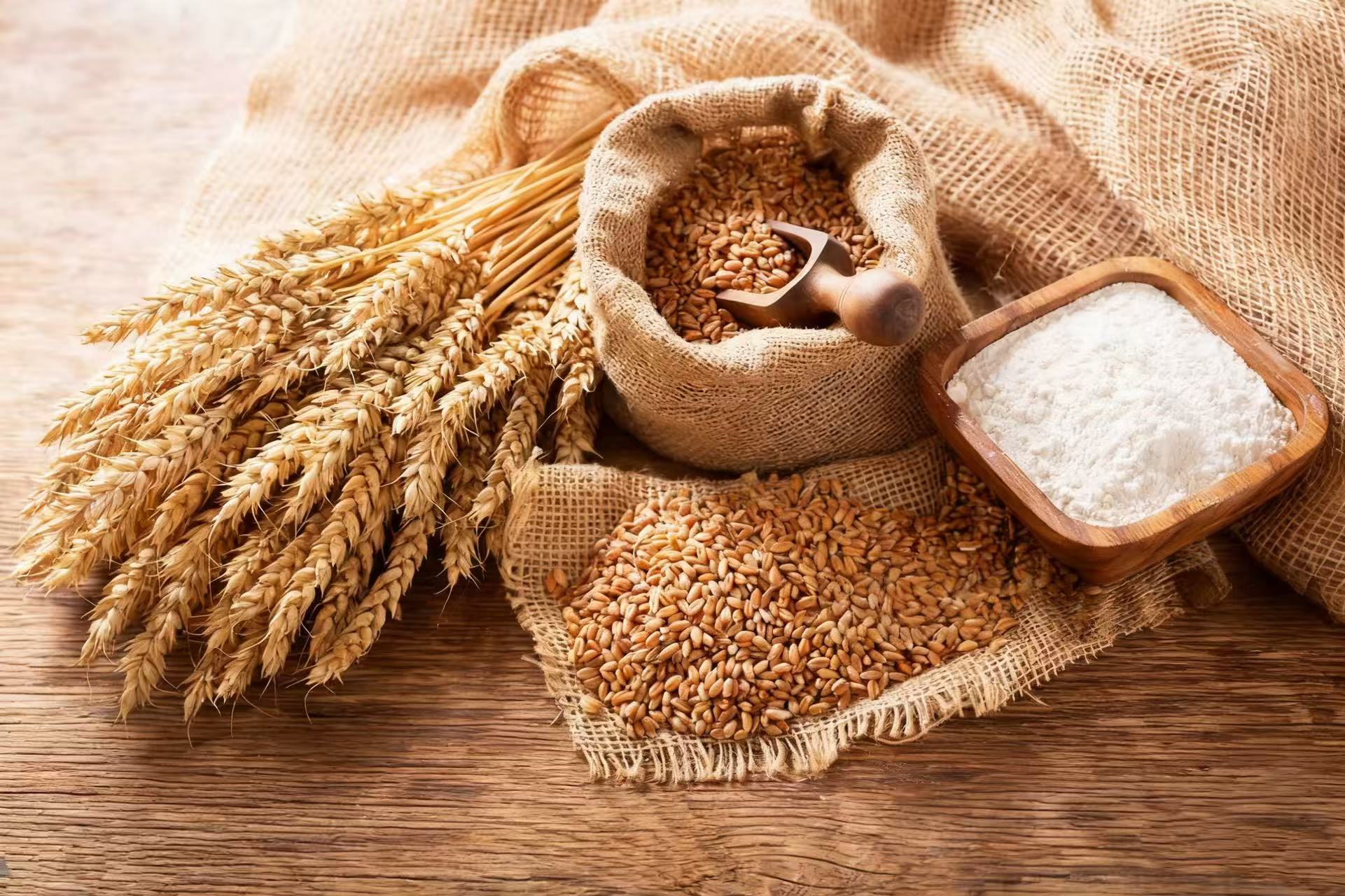
Hydrolysis is the secret behind its remarkable efficacy. Wheat Oligopeptide Powder is derived from proteins extracted from natural wheat germ, processed through a precise hydrolysis technique. This process essentially breaks down large protein molecules—too bulky for hair strands to absorb—into smaller, more bioactive peptides and amino acids that penetrate more readily.
This constitutes the core competitive advantage of Hydrolysed Wheat Protein Powder. Conventional protein ingredients typically form only a surface film on the hair shaft. In contrast, high-quality hydrolysed wheat protein powder, due to its significantly reduced molecular weight, effectively penetrates the hair's cortex. This deep-acting mechanism enables it to deliver structural repair from within, rather than merely providing temporary surface smoothing. Its key components are rich in amino acids such as cystine and glutamine, which are essential building blocks of hair keratin.
2. How does it act upon the hair?
Scientific research indicates that the short-chain peptides within Hydrolyzed Wheat Protein Powder bind to damaged keratin chains within the hair, thereby ‘filling gaps and strengthening the hair shaft’. Its hair care mechanism manifests primarily in three aspects:
Repairing damaged structure: Amino acid fragments from hydrolysed wheat protein bind to hydrogen bonds within the hair shaft, helping restore structural integrity.
Hydration retention: It forms a lightweight protective film on the hair surface, reducing moisture loss and enhancing manageability.
Enhanced elasticity and resilience: Consistent use improves hair's resistance to breakage, imparting greater elasticity and luminosity.
This explains why, among numerous plant proteins, it is often regarded as an ideal ingredient combining restorative properties with conditioning benefits.
3. Why Do Brands Favour Hydrolysed Wheat Protein?
(1) Formulation Advantages
Excellent compatibility: Stably coexists with diverse surfactant systems (e.g., amino acid-based, sulphate-free formulations).
Enhanced texture experience: Improves shampoo foam fineness and smoothness.
Thermal stability: Retains activity during high-temperature filling processes.
(2) Market Advantages
Plant-based labelling: Stating ‘Hydrolysed Wheat Protein Powder’ on packaging enhances perceived naturalness;
Sustainability narrative: Derived from renewable crops, aligning with Clean Beauty principles;
Cost-benefit balance: Offers superior pricing and supply stability compared to animal-derived proteins while delivering equivalent hair care efficacy.
4. Market Trends and Industry Applications
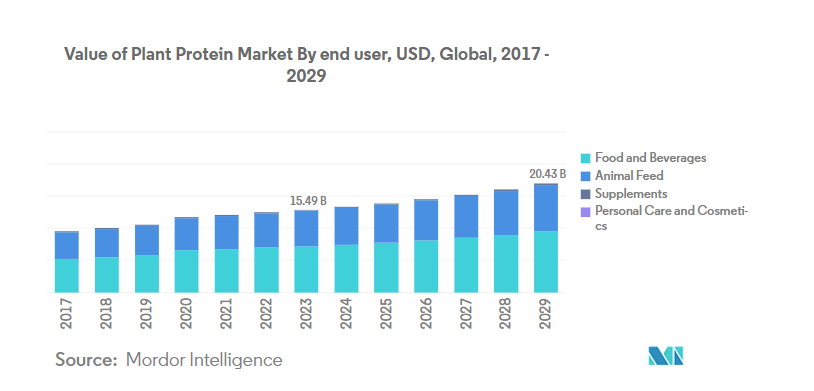
According to market analysis reports from Statista and Mintel, the annual growth rate for plant-based protein ingredients in global hair care products exceeds 7%. Among these, Wheat Oligopeptide demonstrates particularly significant penetration in European, American, Japanese and Korean markets. In Europe and America, nearly half of ‘Natural Hair Repair’ shampoo products contain Hydrolysed Wheat Protein. Asian brands, however, favour blending it with hydrolysed pea protein and silk protein to enhance repair and smoothing effects.
For B2B ingredient suppliers like ourselves, this signifies sustained growth in demand for high-purity plant protein powders from OEM and ODM clients. Our laboratory data indicates that Wheat Oligopeptide Powder with ≥80% purity significantly improves hair resilience and moisture balance in formulations, establishing it as the optimal choice in hair care ingredients.
5. Why Choose Le-Nutra
-
Today's consumers increasingly prioritise ‘natural,’ ‘sustainable,’ and ‘gentle yet effective’ solutions. Hydrolysed Wheat Protein Powder transcends being merely a hair care ingredient; it symbolises an industry shift from chemical cleansing towards botanical repair.
As a supplier of plant extracts, we steadfastly believe:The future of beauty lies in the equilibrium between science and nature. We are committed to delivering ingredients of the highest standards, rigorously monitoring product purity, molecular weight distribution, and microbial control. Our certification to international standards (such as ISO) ensures seamless global distribution for your products. For those championing environmental sustainability, our responsible sourcing and eco-conscious production processes will help you stand out in a competitive market, offering consumers genuinely ‘trustworthy’ choices.
Looking ahead, as green formulation concepts gain traction, hydrolysed wheat protein powder will continue to play a vital role in shampoo, hair care, and solid hygiene products. It offers brands a more compelling and competitive ingredient choice, rich in narrative potential.
📚 References: