





Why Is Hydrolyzed Spirulina Protein Becoming a Must-Have Ingredient in Skincare and Nutrition?
Hydrolyzed Spirulina Protein is rapidly gaining attention as a multifunctional active in both cosmetic and nutritional formulations. Extracted from the blue-green algae Spirulina platensis and enzymatically broken down into smaller peptides, this ingredient offers excellent skin compatibility, antioxidative performance, and impressive bioavailability. Its micro-molecular structure allows deeper skin penetration and more efficient cellular uptake, making it a standout for beauty-from-within concepts and clean-label product lines. Recent studies have also highlighted its anti-fatigue and immune-supporting benefits, adding further appeal to wellness-focused brands.
I. Why Hydrolyzed Spirulina Protein Is Gaining Traction in Skincare
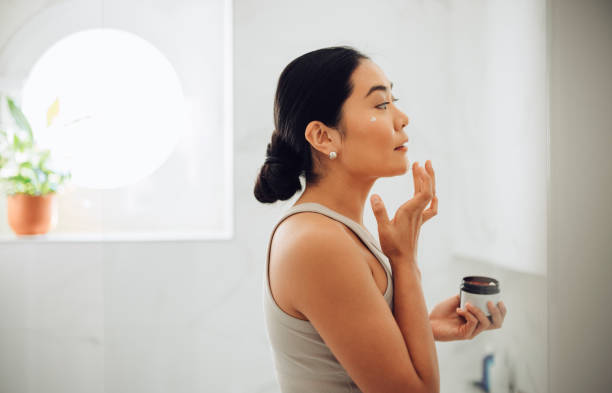
Hydrolysed Spirulina Protein is no longer a niche ingredient tucked away in experimental formulations—it has steadily climbed into the spotlight of the modern skincare industry. This rising popularity stems from its ability to deliver bioactive peptides and essential amino acids through a clean-label, algae-based source, which resonates deeply with the growing consumer demand for sustainable, plant-derived alternatives. What sets this ingredient apart is not just its marine origin but its transformation through enzymatic hydrolysis into low-molecular-weight peptides. These micro-fractions, often under 2,000 Da, penetrate the skin’s surface with remarkable efficiency, enhancing cellular uptake and supporting essential dermal processes such as barrier repair and oxidative stress reduction.
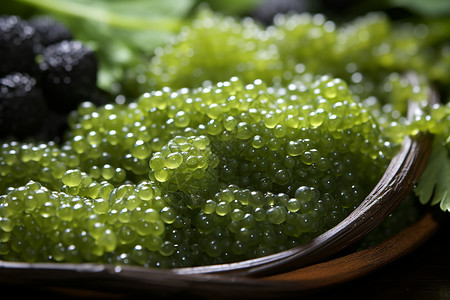
But efficacy alone doesn’t explain its surge. Brands are increasingly turning to spirulina-derived peptides to cater to conscious consumers who scrutinize every component of their skincare regimen. In contrast to synthetic actives or animal-derived proteins, hydrolyzed spirulina offers a natural origin story, yet with scientifically backed performance. Studies have shown it exhibits strong antioxidant properties, thanks to phycocyanin and a spectrum of amino acids that mitigate free radical damage and support skin resilience. Moreover, formulators find it especially compatible with serums, gels, and lightweight emulsions due to its water-soluble nature and clarity in aqueous solutions—features that reduce formulation complexity and enhance aesthetic appeal.
-
What’s fascinating is how this ingredient bridges functional performance with ethical formulation demands. It sits comfortably at the intersection of biotech innovation and green beauty. And as skincare continues to blend wellness, science, and sustainability, Hydrolyzed Spirulina Protein appears less like a passing trend and more like a foundational material in the next generation of dermocosmetics.
II. Expanding Frontiers: Applications of Hydrolyzed Spirulina Protein in Cosmetics

III. Spirulina Peptides: Redefining Nutrition and Functional Beverages

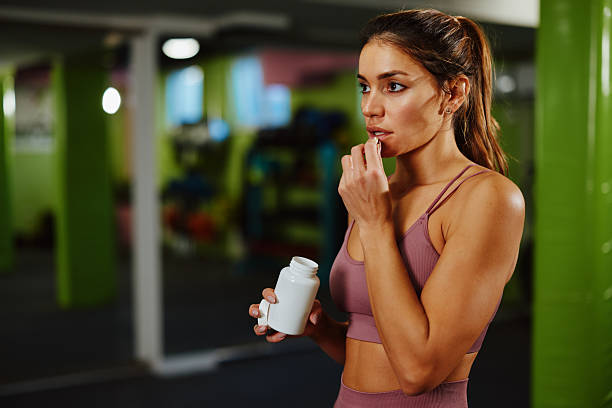
Spirulina Peptides is steadily carving out a niche in the nutrition and functional beverage space, not by chance—but by merit. In an era where consumers crave more than just calories, where every sip or bite is expected to deliver wellness benefits, ingredients like this are shifting from being exotic to essential. Spirulina, already renowned as a complete protein source, becomes even more bioavailable through enzymatic hydrolysis. The result? A fast-absorbing, amino acid-rich peptide blend that delivers support for muscle recovery, immune modulation, and oxidative stress reduction—all in formats that go beyond the capsule.
IV. Trending Formulations: Where Spirulina Peptide Fits Best
-
Spirulina Oligopeptides is not just a novel ingredient—it’s an adaptable tool in the hands of forward-looking formulators. As consumer demand shifts toward cleaner labels and multifunctional efficacy, spirulina peptides are carving out their place in a wide range of trending formulations that go far beyond algae-themed concepts. The reason? Their inherent versatility. Whether in water-based serums or sprayable toners, low-viscosity ampoules or hybrid moisturizers, this ingredient merges effortlessly with different formats—without adding visual weight or interfering with emulsification.Among the most popular formulation types featuring spirulina peptides today are anti-pollution shields, skin-barrier boosters, and microbiome-friendly products. Urban skincare, in particular, is leveraging the antioxidant and detoxifying profile of spirulina to counteract oxidative stress caused by blue light and particulate matter exposure. When blended with niacinamide or fermented ingredients, the peptide matrix enhances the protective layer function without provoking irritation—making it ideal for sensitive-skin markets.Haircare brands are also picking up on the spirulina trend. From leave-in scalp tonics to balancing shampoos, it’s increasingly featured for its soothing and strengthening effects. Its bioactive peptides help reduce scalp redness while subtly fortifying the follicle environment, preparing the scalp for healthy regrowth cycles. And let’s not forget its rise in solid formulations—think shampoo bars and waterless beauty. Spirulina peptides’ solubility and minimal odor profile make them easy to incorporate without altering product sensoriality or shelf stability.In short, spirulina peptides aren't just a trend—they're becoming a design element in forward-thinking formulations that prioritize results and responsibility in equal measure.
Why Choose Le-Nutra to Source Hydrolyzed Spirulina Protein?
📚 References: