

Industry Blog






01020304
Why Is Walnut Peptide Gaining So Much Buzz in the Nutraceutical Industry?
2025-06-25
Walnut Peptide has been attracting increasing attention from functional food formulators and health supplement brands due to its potent nutritional profile and diverse bioactivities. Derived through enzymatic hydrolysis of walnut protein, this small-molecule peptide is not only easily absorbed but also rich in amino acids essential for cognitive vitality and cellular repair. Studies suggest that walnut-derived peptides may contribute to antioxidant defense mechanisms and enhance neuroprotective pathways in a natural, plant-based form — making them a compelling choice in the nutraceutical market.
1. Rich in Glutamic Acid and Arginine
1. Rich in Glutamic Acid and Arginine
Hydrolyzed Walnut Protein stands out in the crowded landscape of plant-based proteins due to its exceptional amino acid profile—particularly its richness in glutamic acid and arginine. These two amino acids are not just building blocks; they’re active contributors to human cognitive and metabolic performance. Glutamic acid, a neurotransmitter precursor, plays a critical role in supporting synaptic function and mental clarity, while arginine is heavily involved in nitric oxide synthesis, which in turn regulates vascular tone and muscle metabolism. Together, they present a compelling combination for both brain-focused and sports nutrition formulations.
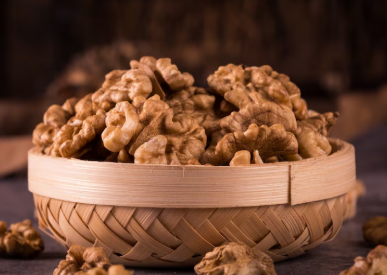
What’s intriguing is not just the presence of these amino acids, but the bioavailability they exhibit in hydrolyzed form. Unlike intact walnut protein, which requires extensive digestion, hydrolyzed peptides—typically below 2000 Da in molecular weight—are rapidly absorbed in the gut. This allows the bioactive peptides containing glutamic acid and arginine to circulate faster, act sooner, and integrate more efficiently into the body’s metabolic processes. It’s this fast-acting, functional nutrient delivery that gives hydrolyzed walnut protein its edge in modern wellness products.
-
Moreover, emerging studies point toward walnut-derived peptides’ potential to support neuronal health and cognitive protection, especially under oxidative stress. In functional beverages or cognitive-enhancing capsules, their role transcends basic nutrition. They become part of a system-level solution: bridging brain health, physical recovery, and sustained energy.From a formulation perspective, their neutral flavor and high solubility open up creative potential in both liquid and solid applications, making them not only potent but also practical. It’s this versatility—on a molecular and functional level—that has propelled walnut peptides into the spotlight among formulators searching for next-generation, multifunctional protein sources.
2. Highly Digestible and Bioavailable
2. Highly Digestible and Bioavailable
Hydrolysed Walnut Protein doesn’t just boast a high protein content—it offers it in a form the body truly knows how to use. Once walnut protein undergoes enzymatic hydrolysis, its long-chain structures break down into small peptides and free amino acids, many of which are under 2000 Daltons in molecular weight. What does this mean in practical terms? Faster absorption. More efficient cellular delivery. Reduced digestive burden. It’s a formulation built for performance, not just numbers on a spec sheet.
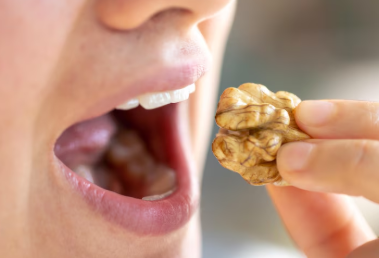
In fact, digestibility isn’t a bonus feature here—it’s the core of the ingredient’s value proposition. Large, intact proteins can be slow to process and may trigger sensitivities in some individuals. But hydrolyzed proteins? They behave differently. Their low molecular weight allows them to bypass certain stages of digestion and enter the bloodstream more rapidly, promoting quicker recovery and more immediate bioactivity. This makes walnut peptides especially suitable for elderly consumers, post-operative nutrition, and individuals with impaired gastrointestinal function.
-
What’s more, the absorption speed doesn’t compromise efficacy. On the contrary, studies show that bioactive peptides—particularly those from tree nuts—can survive digestion, interact with cellular receptors, and trigger targeted health responses. This sets them apart from standard protein isolates, which may offer macronutrient value but little physiological signaling potential.From smoothies to sachets, walnut peptides blend seamlessly into multiple delivery systems, enhancing not just the nutritional profile but also the product's absorption kinetics. Their neutral taste and clear solubility remove common formulation barriers. And for brand formulators, this is gold: a protein source that performs both on-label and inside the body.
3. Plant-Based and Non-GMO Source
3. Plant-Based and Non-GMO Source
Walnut Peptides is more than a functional ingredient—it’s a reflection of where the nutraceutical and cosmetic industries are headed. As consumer consciousness around ingredient origin intensifies, brands are increasingly expected to offer not only effective but also ethically sourced materials. Derived entirely from plant-based walnut kernels and processed through non-chemical enzymatic hydrolysis, this protein ingredient aligns seamlessly with clean-label, vegan, and non-GMO standards without sacrificing performance.
What makes it even more appealing to formulators is its compatibility with sustainability narratives. Walnut trees don’t require intensive pesticide use or monoculture farming, and their protein-rich byproducts—often discarded after oil extraction—are repurposed here into high-value, bioavailable peptides. That’s upcycling at its best. From a lifecycle assessment perspective, this means lower carbon emissions and minimized resource waste, all while tapping into a rising demand for regenerative supply chain models.
The alignment with “clean beauty” goes even further. Today’s skincare formulators scrutinize not just what an ingredient does, but how it gets there. Hydrolyzed Walnut Protein checks all the boxes: it’s free from synthetic additives, allergen-free, non-irritating, and tested to meet cosmetic safety standards. The fact that it comes from a natural tree nut source—without genetic modification—adds another layer of reassurance for formulators marketing to ingredient-savvy consumers.
In the food and wellness sectors, too, the shift toward whole-food-sourced, transparent ingredients is undeniable. Consumers are flipping bottles and reading labels like never before. “Plant-based” is no longer a niche; it’s a baseline expectation. And “non-GMO”? A trust signal. In that regard, walnut peptides don’t just meet market standards—they anticipate them.
4. Supports Brain Vitality and Memory Function
4. Supports Brain Vitality and Memory Function
-
Walnut Oligopeptide delivers more than just nutrition—it offers cognitive support in a format modern consumers increasingly seek. Packed with neuroactive amino acids like glutamic acid and arginine, walnut peptides have caught the attention of formulators targeting brain health, especially for the aging population. These amino acids are deeply involved in neurotransmitter synthesis and cerebral blood flow regulation—two cornerstones of memory formation and mental alertness.But the story goes beyond individual components. Recent in vivo studies suggest that walnut oligopeptides may exert neuroprotective effects under conditions of oxidative stress, potentially shielding brain tissue from age-related decline. Researchers have observed improvements in spatial memory, hippocampal plasticity, and even reductions in inflammation-related markers following consistent intake of walnut-derived peptides. These findings are not just academic—they point to real, measurable advantages in cognitive resilience.For formulators in the nutraceutical space, this positions hydrolyzed walnut protein as a natural fit for nootropic supplements, senior nutrition blends, and functional beverages aimed at mental performance. It’s plant-based, clean-label, and backed by emerging science. And crucially, it doesn’t rely on synthetic additives or isolated compounds—it works with the intelligence of the whole food matrix, enhanced through enzymatic hydrolysis.Whether supporting healthy aging or fueling sharper focus in daily life, walnut peptides represent a quiet but significant innovation. They don’t shout, but they speak clearly to an industry hungry for ingredients that bridge evidence and efficacy—without compromising on origin or integrity.
5. Excellent Emulsifying and Moisturizing Properties
5. Excellent Emulsifying and Moisturizing Properties
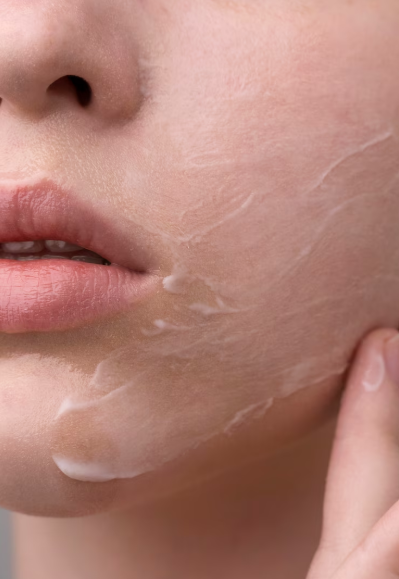
Hydrolysed Walnut Protein Powder brings a compelling dual benefit to cosmetic formulations—it stabilizes, and it hydrates. While many proteins offer basic film-forming attributes, walnut peptides deliver a unique molecular synergy: their amphiphilic structure (both hydrophilic and lipophilic regions) allows them to act as natural emulsifiers, improving the uniform dispersion of oils in water-based systems. This not only enhances product stability but also enables smoother, silkier textures in creams, lotions, and emulsions.
What makes this ingredient particularly useful is how well it pairs with widely-used cosmetic actives. Blended with hyaluronic acid, it forms a cooperative moisture matrix that enhances skin hydration across multiple layers of the epidermis. When combined with botanical oils like squalane or jojoba, walnut peptides help reduce transepidermal water loss while reinforcing the lipid barrier—without adding greasiness or tackiness. Formulators looking for multifunctional performance from fewer ingredients will appreciate this versatility.
Moisturization is not just a sensory experience; it’s biological. And walnut oligopeptides have shown promising humectant properties, capable of binding water molecules and holding them close to the skin surface over extended periods. This slow-release hydration profile can improve skin texture, reduce roughness, and help maintain elasticity—particularly in formulations aimed at mature or sensitive skin.
Beyond functionality, there’s marketing clarity. This is a clean-label, plant-based ingredient that aligns with the ethos of modern skincare. No synthetic surfactants, no harsh emulsifiers, no animal origin—just a gentle, effective material that does the job and tells a good story while doing it.
6. A Clean Label Ingredient for Modern Consumers
6. A Clean Label Ingredient for Modern Consumers
Walnut Peptide fits effortlessly into the evolving landscape of clean-label formulation—where clarity, trust, and transparency are no longer nice-to-haves but fundamental expectations. Today’s consumers aren’t just reading labels—they’re decoding them. Ingredient lists are scrutinized not only for what they contain but for what they don’t. Artificial additives, major allergens, synthetics, and unrecognizable chemical names? Red flags. And this is exactly where walnut peptides shine.
Extracted from natural walnut kernels and processed through enzymatic hydrolysis, this ingredient maintains a short, understandable label identity. No genetically modified inputs. No parabens, sulfates, or petrochemicals. No animal-derived elements. Just a straightforward, plant-based protein source with verified purity and traceability. It’s the kind of inclusion that gives brands permission to feature their ingredient deck front-and-center—a growing marketing strategy in the skincare and nutrition sectors.
For formulators, this means less work explaining and more time innovating. Products designed for “sensitive skin,” “hypoallergenic,” or “vegan-certified” claims can integrate hydrolyzed walnut protein without hesitation. It also allows greater flexibility in meeting emerging regulatory frameworks in clean beauty, such as California’s 2025 SB 312 requirements or EU allergen disclosure thresholds.
But the appeal isn’t limited to the ingredient’s absence of negatives. What’s present—biodegradability, mildness, and multi-functionality—is equally aligned with responsible sourcing and minimalist formulation. Hydrolyzed walnut peptides aren’t just tolerated by the label-conscious—they’re welcomed.
In a space where fewer ingredients often mean more trust, walnut protein becomes more than just a technical component. It becomes part of a product’s identity—and a story consumers feel good about buying into.
7. Safe and Effective for Elderly and Pediatric Use
7. Safe and Effective for Elderly and Pediatric Use
Walnut Oligopeptide emerges as a gentle yet functional ingredient, increasingly recognized in nutritional formulations tailored for life’s most sensitive stages—childhood and old age. This isn’t just a marketing angle; it’s a matter of physiological compatibility. With a low molecular weight (≤2000 Da) and high solubility, its peptides bypass complex digestion, enabling smoother uptake in systems where enzymatic activity may be underdeveloped (as in infants) or diminished (as in the elderly).
What makes this ingredient particularly compelling is its hypoallergenic profile. Free from dairy, soy, gluten, and animal-derived constituents, it avoids triggering the common intolerances that often complicate pediatric or geriatric nutrition. That’s not just convenience—it’s nutritional peace of mind. For formulators, this translates into fewer constraints during product design, especially in regulatory-sensitive markets like Europe and Japan.
Moreover, its amino acid spectrum—including arginine and glutamine—supports cognitive resilience and immune regulation, two physiological concerns consistently emphasized in age-specific nutrition research. Whether it’s blended into powdered meal replacements, oral supplements, or functional drinks, the ingredient aligns with the growing demand for minimally processed, well-tolerated proteins that serve both safety and efficacy.
Parents, caregivers, and clinicians increasingly seek ingredients with a track record of tolerance and benefit—not just for what they offer, but for what they omit. In this regard, hydrolyzed walnut peptides don’t just meet expectations; they elevate the standard.
Why Le-Nutra’s Hydrolyzed Walnut Protein Makes a Difference
Why Le-Nutra’s Hydrolyzed Walnut Protein Makes a Difference
Across both nutrition and personal care categories, it’s rare to find a single ingredient that checks so many critical boxes—functionality, safety, purity, and sustainability. Hydrolyzed Walnut Protein delivers just that. With its light-yellow powder form, excellent water solubility, and small molecular size, it integrates effortlessly into formulations targeting everything from skin barrier support to cognitive nutrition. Its naturally high protein content (≥80%) and clear cosmetic-grade profile make it a compelling choice not just for what it does, but for how reliably it does it. Whether you’re designing a clean-label brain health supplement or a next-gen anti-aging moisturizer, this ingredient adapts with grace and intention.
Hydrolyzed Walnut Protein from Le-Nutra isn't just a material—it’s the result of over a decade of focused expertise in plant-based peptide extraction. Our production is ISO- and Halal-certified, with customizable specifications and consistent batch quality that speaks for itself. We understand what B2B clients demand: clarity, speed, and stable supply. If you’re developing a new formula or upgrading an existing line, our team is ready to support your innovation pipeline. Feel free to connect with us directly at info@lenutra.com —we’re here to help make your product concept a functional, commercial reality.
📚 References:
1. Wang, L., Ding, Y., Wang, Y., Zhang, Y., Liu, J., & Cheng, X. (2021). Walnut peptides: A review on preparation, identification, and bioactivities. Food Research International, 144, 110351.
2. Liu, Z., Zhang, Z., Liu, D., Zhang, Y., & Li, W. (2019). Neuroprotective effects of walnut oligopeptides against oxidative stress in PC12 cells and aging mice. Food & Function, 10(4), 2002–2013.
3. Wang, L., Ding, Y., Wang, Y., Zhang, Y., Liu, J., & Cheng, X. (2021). Walnut peptides: A review on preparation, identification, and bioactivities. Food Research International, 144, 110351.
4. Liu, Z., Zhang, Z., Liu, D., Zhang, Y., & Li, W. (2019). Neuroprotective effects of walnut oligopeptides against oxidative stress in PC12 cells and aging mice. Food & Function, 10(4), 2002–2013.
5. Zhai, Y., Xia, M., Zhao, L., & Yang, X. (2015). Arginine-rich peptide supplementation improves endothelial function and reduces inflammation in humans. The American Journal of Clinical Nutrition, 101(5), 913–922.
6. Wang, Y., Wang, L., & Zhang, Y. (2021). Advances in preparation, structure, and functional activities of walnut protein hydrolysates. Journal of Functional Foods, 85, 104678.
7. Hu, Y., Zhang, L., Wen, C., Zhang, H., & Zhou, Y. (2020). Peptides from nuts: digestibility, absorption and biological activities. Critical Reviews in Food Science and Nutrition, 60(11), 1896-1912.
8. Udenigwe, C. C., & Aluko, R. E. (2012). Food protein-derived bioactive peptides: production, processing, and potential health benefits. Journal of Food Science, 77(1), R11–R24.
9. Feng, X., Wang, Y., Zheng, D., & Li, S. (2020). Sustainability in walnut production: Applications and environmental impact. Journal of Cleaner Production, 272, 122580.
10. Seo, Y. J., Lee, J. H., & Park, S. Y. (2021). Safety evaluation and cosmetic efficacy of plant-based protein hydrolysates. International Journal of Cosmetic Science, 43(1), 84–92.
11. Sloan, A. E. (2018). The top 10 functional food trends. Food Technology Magazine, 72(4), 24–39.
12. Li, Q., Zhao, H., & Wang, X. (2020). Roles of amino acids in neurodevelopment and neurological diseases. Frontiers in Molecular Neuroscience, 13, 131.
13. Liu, D., Zhang, Y., Zhang, Z., & Zhao, Q. (2019). Neuroprotective effects of walnut oligopeptides in aging mice. Food & Function, 10(4), 1915–1924.
14. Yu, M., Li, Y., Wang, H., & Chen, X. (2021). Protective effects of walnut peptides against cognitive impairment in a mouse model of D-galactose-induced aging. Nutrients, 13(9), 3203.
15. Zheng, H., Li, J., & Zhang, M. (2021). Protein-based emulsifiers in cosmetics: structure, function, and formulation. International Journal of Cosmetic Science, 43(5), 507–519.
16. Lee, J. H., Kim, H., & Cho, Y. S. (2020). Application of walnut peptides in skin care formulations: enhancing the moisturizing and emulsifying properties. Journal of Cosmetic Dermatology, 19(3), 710–716.
17. Wang, T., & Zhao, L. (2019). Evaluation of the moisture retention and humectant properties of plant-derived peptide fractions. Journal of Biomaterials and Tissue Engineering, 9(12), 1650–1656.
18. NielsenIQ. (2023). The clean label revolution: How transparency and simplicity are reshaping consumer expectations.
19. European Commission. (2021). EU Cosmetic Regulation and Ingredient Disclosure Guidelines. Official Journal of the European Union.
20. Mintel. (2022). The Rise of Clean Beauty: Global Consumer Trends and Ingredient Insights.
21. Wu, G. (2016). Dietary protein intake and human health. Food & Function, 7(3), 1251–1265.
22. Piccolo, V., et al. (2021). Hypoallergenic infant formulas: What’s new? International Journal of Environmental Research and Public Health, 18(4), 1833.
23. Berni Canani, R., et al. (2015). The role of nutraceuticals in pediatric gastroenterology. Nutrition, 31(4), 517–523.