Leave Your Message
0%

You know, curcumin is pretty famous for its antioxidant and anti-inflammatory perks. But honestly, getting your body to absorb it well? That's a bit of a headache. Many human studies show that after taking regular curcumin powders, blood levels stay pretty low. The tricky part is that it doesn’t dissolve well in water, gets broken down quickly, and your body tends to clear it out pretty fast. A review in Foods by Hewlings and Kalman back in 2017 pointed out these pharmacokinetic issues. Plus, the National Center for Complementary and Integrative Health mentions that for a lot of curcumin uses, there's still not enough solid clinical evidence. The science looks promising, but it’s definitely not the whole story yet.

In this article, I want to explore how researchers are trying to boost curcumin’s bioavailability — that’s just a fancy way of saying how much of it actually gets into your bloodstream. They’re doing this through clever formulation tricks, processing tweaks, and looking at human data. Some common methods include delivering it with fats (lipids), using phospholipid complexes, micronizing it into tiny particles, creating self-emulsifying systems, and adding absorption enhancers. Now, piperine — that’s the stuff from black pepper — can help increase absorption, but it’s not as simple as just adding it. You’ve gotta be careful with safety, proper dosing, and whether it interacts with medicines. Sadly, that’s a detail many overlook. A recent review from 2023 in Frontiers in Pharmacology highlighted that some advanced formulations do show better pharmacokinetic results, but the studies varied a lot in how they were done. So, just because one branded extract does well doesn’t mean all of them will.

And let’s not forget about quality manufacturing. A trustworthy curcumin extraction plant should verify overall raw material identity, the amount of curcuminoids it contains, check for solvent residues, microbial safety, and ensure consistency across different batches. Tests like validated HPLC methods and stability checks under typical storage conditions are crucial. According to market research by Grand View, there’s still a lot of commercial interest in turmeric-based ingredients, but just because the market’s growing doesn’t mean those products are clinically effective. It’s important to keep that distinction clear. Increasing bioavailability might boost blood levels, but that doesn’t automatically translate into real health benefits. So, always compare independent studies, look for transparent certificates, and check dosages before jumping to conclusions. And honestly, we still need more long-term research — that’s the real gap we’re facing right now.
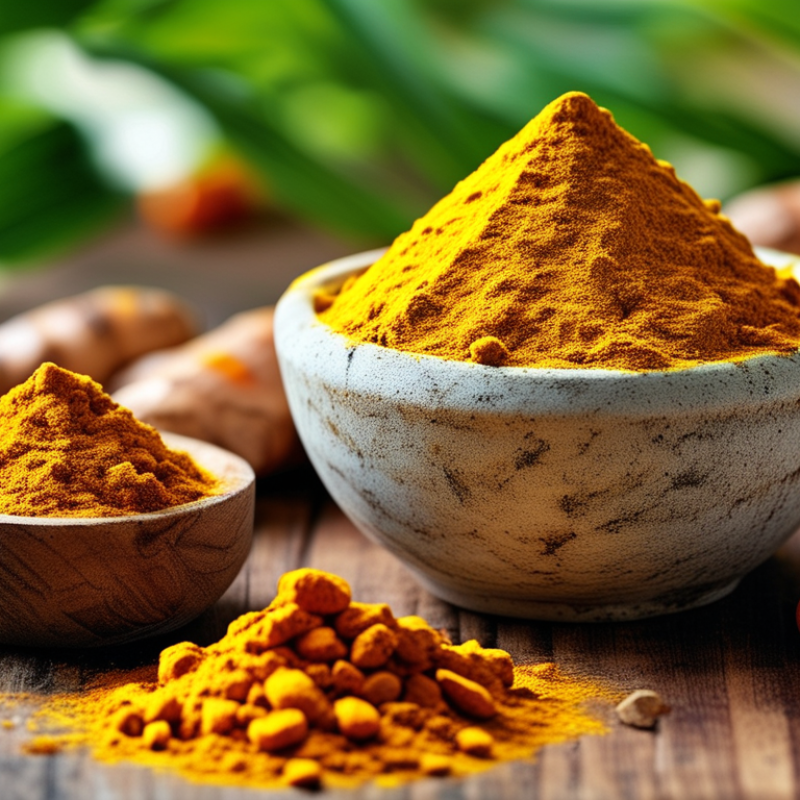
How to Improve Curcumin Bioavailability?

What Is Curcumin Bioavailability and Why Does It Matter?

Curcumin bioavailability describes how much curcumin enters the bloodstream after ingestion and remains available for use. This matters because curcumin has limited water solubility and undergoes rapid intestinal and liver metabolism. A 2017 review in the Journal of Pharmaceutical and Biomedical Analysis reported these factors as major barriers to measurable blood levels. In simple terms, a high dose does not guarantee high absorption. More is not always better.

Human evidence remains limited. A small 1998 study in Planta Medica found that 20 milligrams of piperine increased curcumin’s relative bioavailability by about 2,000 percent. However, the study included only a small number of participants. That percentage should not be treated as a universal result. Different formulations, meals, doses, and testing methods can produce different outcomes. This is where many online claims become too confident.

Tips

Check whether a study measured blood exposure, tissue levels, or clinical outcomes. These are not interchangeable. Consider products supported by human pharmacokinetic research, rather than marketing percentages alone. Taking curcumin with food may improve tolerance, but food effects vary. Piperine may also affect drug metabolism, so people using prescription medicines should ask a qualified healthcare professional first. I would also question unusually large “bioavailability” claims without a published human study. The number may look impressive. The evidence may be thin.

What Factors Limit Curcumin Absorption in the Body?

How to Improve Curcumin Bioavailability?

Curcumin absorption is limited before the body can use it. The compound dissolves poorly in water, so much of an ordinary dose may pass through the intestine. It is also changed quickly by intestinal and liver enzymes. Rapid clearance can leave only a small amount in circulation. That sounds simple, but the real process is more complicated.

A meal containing some healthy fat may help curcumin mix with digestive contents. Formulations using smaller particles or water-dispersible systems may improve exposure more consistently. Still, higher blood levels do not automatically mean stronger health benefits. Clinical evidence remains uneven across different products, doses, and health conditions. This is where marketing often moves faster than research.

Individual biology matters too. Gut microbes, digestive function, age, and genetic differences can affect absorption. Some absorption enhancers may also change how medicines are metabolized. That risk deserves attention, especially for people using anticoagulants or other prescription treatments. I would not assume that “more absorbed” means “better for everyone.” Even meal timing can produce different results. Careful product testing, realistic dosing, and professional guidance remain important when curcumin is used regularly.

How Piperine Can Enhance Curcumin Absorption

Curcumin is widely studied for its anti-inflammatory potential, yet absorption remains a practical problem. The body rapidly converts much of it into conjugated metabolites. Blood levels can therefore remain modest after ordinary oral doses. Piperine, a black-pepper alkaloid, may help by slowing intestinal glucuronidation and reducing certain drug-efflux processes.

A peer-reviewed human study in Planta Medica reported roughly a 2,000% increase in curcumin bioavailability when 20 milligrams of piperine accompanied 2 grams of curcumin. That figure is striking. It is not a universal promise. Results vary with dosage, meal composition, capsule design, and individual metabolism. Later reviews in Nutrients and other pharmacology journals describe piperine as useful, but they also emphasize inconsistent clinical outcomes.

Practical details matter. Taking the supplement with a meal containing some fat may support absorption, while an empty stomach can cause discomfort for some users. Piperine can also influence enzymes and transporters involved in medication metabolism. People using anticoagulants, diabetes medicines, or other prescription treatments should seek professional advice before combining them. The 2,000% figure often appears in marketing discussions, but it came from a small study, not a guarantee of therapeutic benefit. More large, independent trials are still needed.

How to Choose Curcumin Formulations With Higher Bioavailability

How to Improve Curcumin Bioavailability?

Curcumin is poorly absorbed because it dissolves slowly in water. Therefore, the formulation matters more than the ingredient name alone. Look for products using phospholipid complexes, micelles, or other delivery systems designed to improve solubility. Some formulations combine curcumin with piperine, which may increase absorption. However, piperine can affect how certain medicines are metabolized. Extra caution is sensible.

Check whether the product provides a standardized curcuminoid amount. A transparent label should show the active dose, delivery technology, and suggested serving size. Human pharmacokinetic studies are more useful than laboratory claims. Independent testing can also confirm purity, potency, and the absence of unwanted contaminants. Store the product away from heat, moisture, and direct sunlight.

Higher blood levels do not automatically prove better health outcomes. This distinction is easy to miss. I would be cautious with claims promising dramatic absorption increases without explaining the study design. A small trial may use healthy volunteers, short follow-up, or a formulation unavailable to consumers. Evidence can also change as better studies appear. People using anticoagulants, diabetes medicines, or other regular treatments should ask a qualified healthcare professional before choosing a high-absorption formulation. Assessment still requires judgment.

How Diet and Meal Timing Affect Curcumin Absorption

How to Improve Curcumin Bioavailability?

Curcumin is poorly soluble in water, so an empty stomach may not support strong absorption. Taking it with a meal containing healthy fats can help. Think olive oil, avocado, eggs, or nuts. Fat stimulates digestion and may improve curcumin’s movement through the intestinal wall. A warm, balanced meal may also feel gentler than a capsule taken with coffee.

Meal timing matters, but it is not a magic switch. Taking curcumin during lunch or dinner may reduce stomach discomfort for some people. Consistency is often more practical than chasing a perfect hour. Research on absorption-enhancing ingredients, including black pepper compounds, is promising but not equally reliable across all products. Dosage, formulation, and individual digestion can change the result. I once assumed more fat always meant better absorption. That was too simple.

Tips: Take curcumin with a meal, not on an empty stomach. Pair it with a modest amount of healthy fat. Avoid changing several supplements at once. Track timing, food, and digestive reactions for one week. People using blood-thinning medicines, preparing for surgery, or managing gallbladder problems should ask a qualified healthcare professional first. A dietitian or pharmacist can review the product details and possible interactions.

What Dosage and Safety Factors Should Be Considered?

How to Improve Curcumin Bioavailability?

Dose is not one-size-fits-all. Curcumin products may list total extract weight or actual curcuminoid content. These numbers are not interchangeable. Human studies commonly examine 500–1,000 milligrams of curcuminoids daily, often with food. However, clinical benefits remain inconsistent. The NIH National Center for Complementary and Integrative Health reports limited evidence for many proposed uses.

Absorption may improve when curcumin is taken with a meal containing some fat. Certain absorption enhancers can raise blood levels, but they may also increase interaction risks. JECFA sets an acceptable daily intake of up to 3 milligrams per kilogram of body weight daily for curcumin as a food additive. This figure does not automatically define a suitable supplement dose. It is a regulatory benchmark, not personal medical advice.

Safety deserves more attention than marketing claims. Curcumin may cause nausea, loose stools, or stomach discomfort. People using anticoagulant, antiplatelet, diabetes, or gallbladder medicines should ask a clinician first. Avoid self-dosing during pregnancy, before surgery, or with bile-duct problems. Rare liver injuries have been reported, particularly with highly bioavailable formulations, according to LiverTox. Stop use after dark urine, jaundice, unusual fatigue, or persistent itching. I would also question products lacking independent testing, because label accuracy can vary. Lower doses may be wiser when evidence is uncertain.

How to Improve Curcumin Bioavailability?

Reported relative curcumin exposure in human pharmacokinetic studies

What the data suggest: Standard curcumin has limited absorption. Piperine-enhanced and phospholipid-complex formulations produced substantially higher relative exposure in individual human studies.

Dosage context: Human trials commonly evaluate approximately 500–2,000 mg of curcuminoids per day, often for 8–12 weeks. These study doses should not be treated as universal recommendations because formulation and individual health status affect exposure.

Safety factors: Possible adverse effects include nausea, diarrhea, abdominal discomfort, and headache. Curcumin may interact with anticoagulant or antiplatelet medicines and may be unsuitable for people with gallbladder or bile-duct disorders. Piperine may also alter the absorption or metabolism of prescription medicines. Consult a healthcare professional before use, especially during pregnancy, before surgery, or when taking medication.

Values are reported fold-changes in exposure versus standard curcumin in separate human studies and are not directly comparable across trials. Sources: Shoba et al., Planta Medica (1998); Cuomo et al., Journal of Natural Products (2011).

Turmeric Extract Curcumin: A Natural Pigment for Functional Foods and Beverages

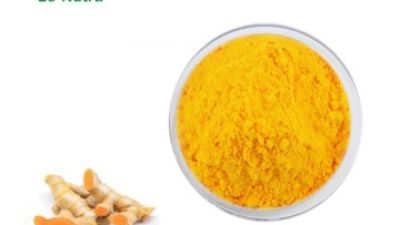
Turmeric Extract Curcumin is a natural yellow-orange pigment derived from *Curcuma longa L.*, offering food and beverage manufacturers a recognizable alternative to synthetic colorants. Grand View Research estimates that the global natural food colors market was valued at approximately USD 1.7 billion in 2023 and is projected to expand steadily through 2030, reflecting growing demand for clean-label and plant-based ingredients. With its warm golden hue and mild turmeric-specific aroma, curcumin extract is suitable for functional drinks, dairy products, nutrition bars, sauces, and other food applications.

Beyond color, the extract contains curcumin and related turmeric compounds valued for antioxidant and anti-inflammatory properties. In health-oriented formulations, it can support products positioned around joint health, vitality, and immune wellness, while cosmetic applications may use it in antioxidant and skin-brightening formulas. Available purities include 65%, 90%, and 95%, with customization possible according to formulation requirements. Because curcumin has limited water dispersibility, beverage developers should evaluate emulsification, suspension, dosage, and light stability during product development.

The powder should be sealed in a vacuum aluminum foil bag, with 25 kg quantities supplied in fiber drums containing a double-layer food-grade polyethylene bag. Storage in a cool, dry place away from direct sunlight, heat, and humidity helps maintain quality. Under suitable conditions, the typical shelf life is 24 months, supporting reliable handling for food, health-care, and cosmetic manufacturing.

FAQS

: What does curcumin bioavailability mean?

: It describes how much curcumin enters the bloodstream after ingestion. It also reflects how long it remains available. More is not always better.

Why is curcumin absorption often limited?

Curcumin dissolves poorly in water. Intestinal and liver enzymes also change it quickly. Much of an ordinary dose may leave the body unabsorbed.

Can taking curcumin with food improve absorption?

A meal containing some healthy fat may help curcumin mix with digestive contents. It may also improve stomach tolerance. Results can vary.

Do special formulations increase curcumin exposure?

Smaller particles and water-dispersible systems may raise blood exposure. However, higher blood levels do not guarantee stronger health benefits. The evidence is uneven.

Can absorption enhancers affect medicines?

Some enhancers may change how the body processes prescription medicines. This matters for anticoagulant, antiplatelet, diabetes, and other treatments. Ask a qualified healthcare professional first.

Does a large bioavailability percentage prove a product works better?

No. Small studies, different meals, doses, and testing methods can produce different results. That sounds impressive. The evidence may still be thin.

How should curcumin dosage be considered?

Check whether the label lists total extract weight or actual curcuminoid content. These amounts are not interchangeable. Human studies often examine 500–1,000 milligrams daily, usually with food, but benefits remain inconsistent.

What side effects or warning signs should users know?

Nausea, loose stools, and stomach discomfort can occur. Stop use after dark urine, yellowing skin, unusual fatigue, or persistent itching. Seek medical guidance promptly.

Who should avoid self-dosing with curcumin?

People who are pregnant, preparing for surgery, or living with bile-duct problems should seek professional advice. Those using prescription medicines need extra caution. Lower doses may be wiser when evidence is uncertain.

Conclusion

Curcumin bioavailability refers to how much of this naturally occurring compound is absorbed and used by the body. Because curcumin has limited water solubility, rapid metabolism, and relatively low absorption, selecting appropriate Curcumin Bioavailability Improvement Methods can help maximize its potential benefits. These methods may include using enhanced formulations such as finely dispersed or lipid-based preparations, as well as combining curcumin with piperine, which may slow certain metabolic processes and improve absorption.

Diet and meal timing can also influence uptake. Taking curcumin with a meal containing healthy fats may support absorption, while following the product’s specific instructions is important. Dosage should remain within the recommended range, since higher amounts do not necessarily provide greater benefits and may increase the risk of digestive discomfort or interactions with medications. People who are pregnant, preparing for surgery, managing a medical condition, or taking prescription drugs should consult a qualified healthcare professional before using curcumin supplements.
Oliver

Oliver

Oliver is a dedicated marketing professional with extensive expertise in the research and production of natural, healthy, and innovative raw materials. He plays a crucial role in our company's mission to provide high-quality ingredients for nutraceuticals, food and beverage, as well as cosmetics......
Previous What Is Herbal Extract Quality Control Testing?