Leave Your Message

Blog

What Is Vegetarian Protein and What Types Are Best?

What Is Vegetarian Protein and What Types Are Best?

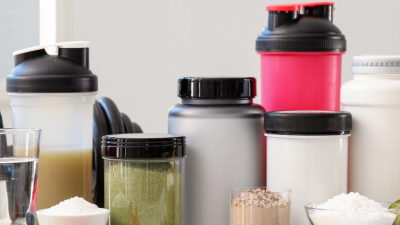
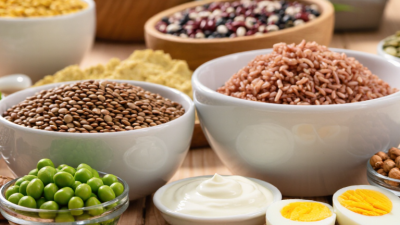
Vegetarian protein? These days it’s way more than just tofu cubes or lentil soup. Think beans, peas, chickpeas, nuts, seeds, whole grains, dairy, eggs—and all those newer plant-based products too. How good any source is depends on things like protein content, amino-acid balance, processing, and what you personally need. Lentils with brown rice are a classic example: different foods can complement each other over the course of a day. And the evidence here isn’t thin. The Food and Agriculture Organization points to pulses as affordable sources of plant protein, fiber, vitamins, and minerals. Over at the USDA’s FoodData Central, you can dig into detailed nutrition data for foods like tempeh, edamame, Greek yogurt, and pumpkin seeds. The Academy of Nutrition and Dietetics says that well-planned vegetarian diets can be nutritionally adequate at many life stages. Still, planning really does matter. Vitamin B12 is one to watch, especially if you’re fully plant-based. The market, meanwhile, is moving fast. Good Food Institute reports keep tracking investment, product launches, and consumer demand across plant-based meat, dairy, egg, and seafood categories. Innova Market Insights also flags protein as a big food-and-beverage innovation theme. But the picture isn’t exactly neat. “Plant-based” doesn’t automatically mean low sodium, minimally processed, or better for the environment in every case. Some claims are still overstated. And labels can hide pretty big differences in protein density, saturated fat, and added ingredients. This guide looks at some of the strongest vegetarian protein choices, practical serving ideas, and the trade-offs behind popular products. It won’t settle every question, of course. Nutrition comes down to your whole diet—not one impressive package.
Read more »
Amelia By:Amelia - October 11, 2026
China Best Curcumin Bioavailability Improvement Methods?

China Best Curcumin Bioavailability Improvement Methods?

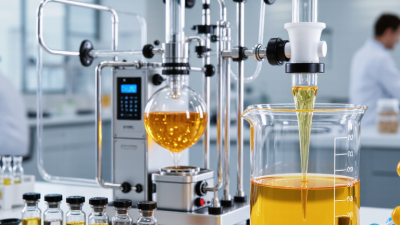
China has really become a major hub for curcumin research, extraction, and formulation. A lot of manufacturers now run a Curcumin Extraction Plant with controlled temperature systems and standardized raw materials. But here's the thing: high curcumin content doesn't automatically mean it absorbs well. The real challenge is getting it to perform inside the human body. This intro looks at some practical Curcumin Bioavailability Improvement Methods that Chinese suppliers and formulation specialists actually use. You'll see things like piperine combinations, phospholipid complexes, nanoemulsions, solid dispersions, and cyclodextrin systems. Each approach changes curcumin's solubility, stability, or intestinal absorption in its own way. Some formulas look impressive in lab tests. Human results can still be different. And that matters. Reliable evaluation takes more than a glossy product brochure. Manufacturers should be able to show identity testing, purity results, microbial controls, heavy metal testing, and stability data. Independent labs can also verify dissolution and bioavailability claims. Good manufacturing practice helps keep things consistent from raw material intake all the way to finished capsules or powders. Still, documentation quality varies a lot across suppliers. So careful buyers should ask direct questions. The 'best' method really depends on the intended product, target dosage, cost, and safety requirements. A beverage might need water-dispersible technology. A supplement capsule may benefit from a phospholipid or lipid-based delivery system. Piperine can improve absorption, but it may affect drug metabolism for some users. That's why professional formulation review is essential. No method is perfect. Our comparison should stay practical, evidence-based, and open to revision. By looking at processing experience, clinical evidence, and quality controls together, readers can make more reliable decisions about China's curcumin bioavailability solutions.
Read more »
Oliver By:Oliver - October 11, 2026
7 Tips to Choose a Peptide Hydrolysate Supplier?

7 Tips to Choose a Peptide Hydrolysate Supplier?

The global nutrition market keeps pushing for ingredients that absorb faster, are easier to formulate, and come with solid evidence behind them. Grand View Research put the global dietary supplements market at around USD 177.5 billion in 2023, and its report points to strong growth through 2030. That kind of growth is great news for Peptide Hydrolysate suppliers—but it also makes sourcing riskier. A glossy brochure? It doesn’t prove consistent quality. Buyers need to dig into raw material origin, enzymatic processing, molecular-weight distribution, solubility, and batch-to-batch results. The FAO report, Dietary Protein Quality Evaluation in Human Nutrition, reminds us how much amino acid composition and digestibility matter when you’re assessing protein quality. Those same principles come into play when comparing hydrolysates for sports nutrition, medical nutrition, and functional foods. Details matter. With a reliable supplier, you should expect current Certificates of Analysis, microbiological limits, heavy-metal results, allergen statements, and traceability records. Independent testing is worth it, too—especially when specs touch peptide profiles or bioactive claims. Manufacturing systems aligned with HACCP, ISO 22000, or applicable cGMP expectations can make supplier evaluation stronger. But certification by itself isn’t enough, honestly. An audit can still turn up weak documentation, slow corrective actions, or fuzzy change-control procedures. This guide walks through seven practical tips for choosing a Peptide Hydrolysate supplier. It looks at technical capability, quality systems, regulatory readiness, customization, supply continuity, communication, and total cost. Not every decision will be perfect. Price, performance, and delivery reliability almost never line up perfectly. A thoughtful buyer should test samples, push back on unsupported claims, and review real production records before signing a long-term agreement.
Read more »
Sophie By:Sophie - October 10, 2026
10 Tips for Natural Cosmetic Hair Care Formulations?

10 Tips for Natural Cosmetic Hair Care Formulations?

Making natural hair products that actually work? It takes way more than tossing oils, botanicals, and a nice fragrance into a bottle. Natural Cosmetic Ingredients For Hair Care Formulations can help with softness, shine, scalp comfort—and yes, stronger product positioning. But every ingredient comes with real questions: How pure is it? How concentrated should it be? Will it play nicely with everything else? Will it hold up over time? And here's the thing—natural doesn't automatically mean gentle. This guide lays out 10 practical tips for building reliable hair care products. We're talking supplier docs, ingredient traceability, water quality, preservation, pH balance, and packaging choices. A formulator really needs to watch how a botanical extract behaves after heating, dilution, or repeated exposure to air. That silky conditioner? It might separate in two weeks. Frustrating, sure—but it's also useful evidence. Good Cosmetic Formulations start with a clear purpose. A shampoo for oily scalps calls for different cleansing and conditioning choices than a leave-in cream for dry curls. Small lab batches can show you changes in color, scent, viscosity, and microbial safety before you scale up. Professional testing still matters—even when the ingredients seem familiar. Be careful with claims. Experienced formulators also check technical data, regulatory expectations, allergen info, and how consumers actually use products. Patch testing and stability studies can't predict every single reaction, but they do make products more reliable. Some early choices may need to be revised. That's normal. Careful development comes down to honest evaluation, repeatable methods, and a willingness to question ingredient claims that sound great but don't have solid support.
Read more »
Oliver By:Oliver - October 10, 2026
China Top Botanical Peptide Manufacturers and Suppliers

China Top Botanical Peptide Manufacturers and Suppliers

So China has become a pretty significant sourcing base for botanical ingredients, and that includes Botanical Peptide products. You'll find manufacturers and suppliers serving nutraceutical, cosmetic, food, and research markets. But their capabilities? They can vary a lot—sometimes more than buyers expect. A solid evaluation should really start with raw material traceability. Ask where each plant is grown and how it's authenticated. Go through extraction records, production batch numbers, and storage conditions. A Botanical Extract might support peptide development, sure, but its quality depends on the species, harvest timing, and processing control. In other words, practical evidence matters. Look for facilities with documented quality systems and trained technical teams. Ask for certificates of analysis, microbial results, heavy metal testing, and identity data. HPLC or another suitable method can help confirm consistency. Stability info is valuable too, especially for heat-sensitive formulas. And honestly, manufacturing experience becomes much clearer during pilot trials, sample testing, and scale-up talks. No supplier is perfect. Public info can be incomplete. Some companies show off strong equipment but have limited product data. Others provide detailed documentation but aren't very flexible on customization. Buyers should compare communication speed, minimum order quantities, packaging options, and export experience. Compliance rules may also change depending on destination and product category. A professional supplier should be able to explain these limits clearly. This guide reviews China-based Botanical Peptide manufacturers and suppliers through a practical E-E-A-T lens. It looks at experience, technical knowledge, documented quality, and business reliability. The goal isn't to promote every company equally. It's to help buyers ask better questions, verify evidence, and choose partners with realistic capabilities.
Read more »
Oliver By:Oliver - October 9, 2026
How To Start A Supplement Brand With China Top 10 Suppliers?

How To Start A Supplement Brand With China Top 10 Suppliers?

So you want to start a supplement brand? Honestly, it starts with picking the right supplier—not with a flashy label. China has plenty of capable manufacturers, but a “Top 10” list should really mean verified performance, not just popularity. As a founder, you’ve got to compare certifications, MOQs, lead times, testing systems, and how well they actually communicate. The cheapest quote? It can turn into the most expensive mistake you’ll ever make. Dr. Daniel Fabricant, a well-known expert in dietary supplements, put it like this: “You can’t test quality into a product; you have to build it in.” That should shape every supplier conversation. Ask for current Good Manufacturing Practice records, ingredient specs, allergen controls, stability data, and batch-level Certificates of Analysis. If your product uses Healthy Start Vitamins Ingredients, verify identity, potency, contaminants, and any country-specific rules before production. A good factory should explain its process clearly—not hide behind glossy brochures. Your launch plan also has to protect the customer. Claims need to be truthful, substantiated, and suitable for the market you’re selling in. Check FDA requirements, EU rules, or whatever else applies—ideally with qualified professionals. Don’t treat a supplier’s promise as final proof. If the risk is high enough, get an independent lab review. And visit the facility when you can. Look at storage areas, weighing rooms, packaging lines, and records. Some founders rush through this part. I get it—inventory is exciting. But a rushed formula, unclear ownership, or weak traceability can damage trust fast. My own take isn’t perfect: a supplier scorecard won’t predict every problem. Still, it can surface the uncomfortable questions early. And that’s worth something. A responsible brand grows through documented decisions, realistic margins, and patient quality control.
Read more »
Oliver By:Oliver - October 9, 2026
China Top Supplement Formulation Development Guide

China Top Supplement Formulation Development Guide

China’s supplement sector is shifting—not just growing fast, but moving toward products built on real evidence. That shift is why a practical Supplement Formulation Development Guide matters so much for global brands, contract manufacturers, and ingredient suppliers. Grand View Research put the global dietary supplements market at USD 177.5 billion in 2023. It also expects a 9.1% compound annual growth rate from 2024 to 2030. Big numbers, right? But they signal opportunity—not guaranteed success. Consumers are getting pickier, and honestly, more informed. The Council for Responsible Nutrition’s 2024 Consumer Survey found that 75% of U.S. adults take dietary supplements. In China, people are asking harder questions about where ingredients come from, whether dosages are clear, how products are tested, and what science backs them up. A clean label helps. It just isn’t enough on its own. Formulators have to line up consumer needs with permitted ingredients, validated specs, sensory performance, and claims they can actually support. Skincare Formulation can teach useful lessons about texture, stability, and user experience—but oral supplements come with different safety and compliance controls. This guide walks through concept design, ingredient screening, prototype development, stability testing, and manufacturing transfer. It also looks at China’s registration and filing pathways under the National Medical Products Administration. Reliable development really comes down to traceable suppliers, documented analytical methods, and qualified labs. Results should be checked against applicable Chinese standards and international quality systems, including Good Manufacturing Practice principles. That said, market reports often use different definitions and sampling methods, so their numbers deserve a careful read. That limitation matters. A successful formula isn’t just trendy or technically complex. It should be safe, manufacturable, evidence-informed, and right for the intended consumer. Even experienced teams may need to revise assumptions after pilot batches, sensory feedback, or stability data.
Read more »
Amelia By:Amelia - October 8, 2026
Why Choose an OEM Supplement Manufacturer?

Why Choose an OEM Supplement Manufacturer?

Picking an OEM supplement manufacturer isn’t just a sourcing task—it’s a strategic call. The partner you choose shapes everything from formula quality and production consistency to compliance and, ultimately, how much customers trust you. A good OEM manufacturer should get your target market and turn your idea into a controlled, workable production plan. Steve Mister, President and CEO of the Council for Responsible Nutrition, put it well: “Consumers want to know that the products they take are safe, effective, and made to the highest quality standards.” That starts with documented processes—supplier qualification, identity testing, accurate Supplement Components, allergen controls, stability evaluations, and batch traceability. A dependable manufacturer should also follow proper Good Manufacturing Practice standards and hand over clear Certificates of Analysis. Look closely. A factory tour can show you the stuff a brochure never will. Watch how materials are stored, check sanitation records, look at line clearance, and see how staff handle deviations. Ask who approves raw materials and how rejected batches get isolated. Those answers usually matter more than glossy production photos. No manufacturer is perfect. And honestly? Your own specs might have gaps too. Packaging assumptions, serving sizes, or claims you can’t back up can create problems you don’t need. A thoughtful partner should push back on weak decisions instead of just saying yes to every request. That kind of honesty can feel inconvenient, but it protects the finished product. This guide looks at why choosing an OEM supplement manufacturer can strengthen quality control, reduce development risks, and support responsible brand growth. It’s about evidence, communication, and the operational details customers rarely see—but definitely feel.
Read more »
Sophie By:Sophie - October 8, 2026
What Is Herbal Extract Quality Control Testing?

What Is Herbal Extract Quality Control Testing?

Herbal Extract quality control testing is what keeps things consistent, safe, and trustworthy across the botanical supply chain. It sounds technical, sure—but the point is pretty practical. A leaf’s identity can shift depending on species, soil, when it’s harvested, how it’s dried, and how it’s stored. And its chemical profile can shift right along with it. The WHO’s 2019 Global Report on Traditional and Complementary Medicine found that 170 of 194 Member States said they use traditional medicine. With that much use, you need dependable herbal extract verification. Good testing starts with documented raw-material controls. Analysts check botanical identity using macroscopic, microscopic, and chromatographic methods. Then they might measure marker compounds with validated HPLC or GC methods. Testing also looks at microbial contamination, heavy metals, pesticides, residual solvents, and undeclared pharmaceutical ingredients. The WHO’s Quality Control Methods for Herbal Materials is a widely used guide for identity, purity, and contamination. The United States Pharmacopeia also puts out monographs through its Herbal Medicines Compendium, which helps set standardized quality expectations. Manufacturers should tie lab results to supplier qualification, batch records, stability data, and corrective actions. Grand View Research’s Herbal Extracts Market Size, Share & Trends Analysis Report shows the sector keeps growing commercially—but market growth doesn’t prove product quality. That difference matters. No method is perfect, either. Sampling can miss uneven contamination, and marker compounds may not represent every active constituent. So responsible quality programs pull together validated methods, trained analysts, independent review, and transparent documentation. In practice, the strongest herbal extract program isn’t just a certificate. It’s a repeatable process that asks hard questions before a product ever reaches consumers.
Read more »
Oliver By:Oliver - October 7, 2026
China Top Protein Peptide Solubility in Beverage Formulations

China Top Protein Peptide Solubility in Beverage Formulations

China’s beverage market keeps growing, and it’s bringing up a pretty practical question: can protein peptides stay clear, stable, and actually taste good to drink? The solubility of protein peptides in beverage formulations isn’t just about how good the raw material is. Things like pH, temperature, minerals, processing pressure, and storage time can all mess with performance. You might fill a clear bottle and see haze show up within days. Sediment? That can pop up later too. Professor Stuart Phillips, who studies protein metabolism at McMaster University, has put it simply: “Protein is important for everyone, not just athletes.” That view makes sense for wider uses—sports nutrition, clinical nutrition, and the Functional Food And Beverage space. Protein peptides can offer helpful dispersibility, but they still need careful formulation work. Smaller molecules don’t automatically mean great solubility. That’s an assumption that can flop. Ingredient makers based in China with real experience usually check solubility through controlled tests. They might compare samples at different pH levels, heating conditions, and calcium concentrations. Visual clarity matters. Mouthfeel matters too. A formula can stay suspended and still taste chalky. And lab results don’t always match factory-scale production. That gap? It deserves more attention. For reliable sourcing, you need documented specs, batch consistency, microbiological control, and realistic beverage trials. Companies like DSM-Firmenich and other established nutrition suppliers show why technical documentation matters. Still, no single supplier fits every beverage idea. It really depends on the peptide source and the finished product system. The strongest way to develop this stuff is to combine supplier data with independent validation. It also means accepting some uncertainty. More shared testing methods would make it easier to compare across China’s protein peptide market. Good solubility isn’t just a slogan. It’s a measured, repeatable result.
Read more »
Sophie By:Sophie - October 7, 2026
Top 10 Private Label Supplement Manufacturers Guide

Top 10 Private Label Supplement Manufacturers Guide

The supplement market is really growing fast right now, but honestly, choosing the right supplier still isn’t as straightforward as you might think. I mean, Grand View Research estimated that in 2023, the worldwide dietary supplements market hit around $177.5 billion, and they’re predicting it’ll keep booming through 2030. Meanwhile, the Council for Responsible Nutrition mentioned that in 2024, about 75% of adults in the U.S. were using dietary supplements. That’s tons of demand! But here’s the thing – just because these numbers look good, it doesn’t mean the quality of the products is always up to par. So, in this Private Label Supplement Manufacturer Guide, I’ve highlighted ten manufacturers who work with everything from brands and retailers to health-focused businesses. The main takeaway? Don’t be dazzled by snazzy packaging or fancy sales pitches. Instead, focus on real, practical evidence. Things like manufacturing capacity, quality controls, certifications, support with formulations, minimum order requirements, lead times, and clear pricing are what really matter. Oh, and don’t forget to check out Supplement Components too, along with ingredient sourcing, allergen controls, stability testing, and what the finished product specs are. Good documentation makes all the difference. Seriously, look past the shiny sales talk. In the U.S., facilities making dietary supplements have to follow FDA rules under 21 CFR Part 111 – basically, current Good Manufacturing Practice standards. Good manufacturers should provide batch records, Certificates of Analysis, traceability info, and access to third-party testing when needed. Certifications from NSF, UL, or USP can help boost confidence, but you’ll want to check exactly what the scope covers because a logo alone doesn’t guarantee quality. And here’s a little reality check: no ranking is forever perfect. A manufacturer that’s great for a small batch of 500 units might not be able to handle big-volume orders for multinational retailers. Some suppliers might have super impressive formulas but poor communication, while others might be great operationally but offer limited customization options. So, this guide mainly compares what’s observable—capabilities and potential pitfalls. But hey, don’t skip the step of doing your own audits, verifying claims, and asking for updated documents before locking anything in. Yeah, it might seem like a slow process, but taking that extra time can save you a lot of headaches (and money) down the road.
Read more »
Oliver By:Oliver - October 4, 2026
2026 Best Supplement Formulation Development Guide

2026 Best Supplement Formulation Development Guide

The 2026 Supplement Formulation Development Guide kicks off with a pretty straightforward reality: consumers are now expecting products that are safer, cleaner, and more transparent than ever before. I mean, just look at the numbers—Grand View Research guessed that the global dietary supplements market hit around USD 177.5 billion in 2023. They’re also predicting a solid 9.1% annual growth rate from 2024 through 2030. Sounds like a big opportunity, right? Well, yes—but it’s not a guarantee of success. The market's pretty crowded these days, so vague claims and unstable formulas can really hurt you. Dr. Duffy MacKay, a well-known expert in supplement science, keeps it straight when he says, “Safety, quality, and efficacy must work together in a finished product.” That’s a good rule of thumb that should guide every step of the development process. Teams need to carefully check everything—ingredient identity, dosage, how well it’s absorbed, compatibility with other components, microbial limits, heavy metals, and how long it stays good on the shelf. For instance, if a powder clumps up inside a sealed pouch, it’s not ready for prime time. Same goes for capsules with inconsistent fill weights. Small slip-ups can turn into costly recalls, customer complaints, or even a lost reputation. According to the Council for Responsible Nutrition, a whopping 74% of U.S. adults used dietary supplements in 2023. That’s a lot of people relying on these products—but it doesn’t mean they’re giving you permission to make exaggerated claims. This guide aims to bridge the gap between science-based formulation and practical aspects like manufacturing controls, label reviews, sensory testing, and honest communication with consumers. It even touches on related areas, like skincare formulation, where factors like texture, oxidation, packaging, and how the product feels to the user are equally important. No formula is ever perfect—what works today might need a tweak tomorrow thanks to new stability data, supplier changes, or feedback from consumers. That’s an uncomfortable truth, but it’s essential to acknowledge. Good development isn’t just a one-time thing in the lab; it’s a continuous process of testing, questioning, and improving to keep everything on point.
Read more »
Sophie By:Sophie - October 4, 2026
How to Choose the Best Ingredients for Sports Supplements?

How to Choose the Best Ingredients for Sports Supplements?

Choosing the right ingredients for your sports nutrition supplements really starts with understanding your own needs, not just what's on the marketing label. Things like how much you train, your body size, dietary restrictions, the climate you're in, and your recovery goals all influence what’s best for you. For instance, a marathon runner might be looking for carbs to keep energy up, while someone lifting weights might focus on creatine and enough protein to build muscle. The key is finding a formula that addresses a specific problem you're facing — it shouldn’t promise some magic overnight transformation. Professor Louise Burke, who used to head up sports nutrition at the Australian Institute of Sport, has a simple but handy rule: “Food first, but not always food only.” That really helps keep supplement choices realistic. High-quality sports nutrition ingredients can be super useful when your training demands make it tough to get everything from food alone. Look for products with proven ingredients, transparent dosing info, and forms that match solid research. For example, whey or plant-based protein can help you hit your daily protein goals. Carbs are great for longer workouts, and electrolytes like sodium matter if you’re sweating buckets. Caffeine? It can give you a nice mental boost, but be mindful of how much you can handle and timing so it doesn’t mess with your sleep. And just because a supplement comes in a clean package doesn’t mean it’s automatically good. Always check the full ingredient list. Keep an eye on serving sizes, added stimulants, allergens, or sneaky blends. Independent testing from groups like NSF Certified for Sport or Informed Sport can give you some peace of mind. But remember, certification isn’t a substitute for talking to a professional. Some ingredients look promising but haven’t been studied enough, and others only work well in specific situations — it’s easy to forget that stuff. This guide looks at the best ingredients for sports nutrition, based on real-world use, science, quality checks, and what’s practical. It’s not about having the longest list of ingredients — it’s about making smarter, safer choices for your training journey.
Read more »
Amelia By:Amelia - October 3, 2026
7 Best Natural Cosmetic Ingredients for Hair Care?

7 Best Natural Cosmetic Ingredients for Hair Care?

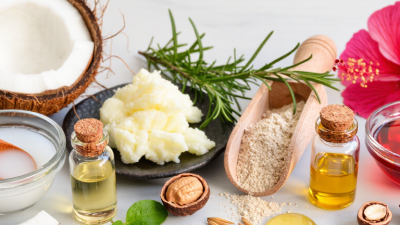
Choosing the right ingredients really can make a noticeable difference in how your hair care feels. For example, a light botanical oil might help soften those dry, stubborn ends, while a humectant-packed extract can really boost moisture retention. But here’s the thing—just because a product claims to be 'natural', that doesn’t automatically mean it’s effective or safe. That’s why, when it comes to natural ingredients for hair care formulations, you gotta do your homework—marketing hype doesn’t cut it. Perry Romanowski, a cosmetic chemist and the guy behind Element 44 Inc., often reminds us that 'Natural does not mean safe.' And honestly, that’s pretty good advice. A plant-based ingredient might sound safe, but it could still irritate sensitive scalps, spoil quickly by oxidizing, or even mess up your finished product in unexpected ways. In this guide, I’m sharing seven promising ingredients—think aloe vera, coconut oil, shea butter, rosemary extract, oat extract, argan oil, and hibiscus extract. Each one brings something different to the table. Aloe vera, for instance, gives a fresh, lightweight feel, while shea butter’s great if you want richer, more nourishing products. Rosemary extract might help protect oils from going bad, but it’s important to remember—it shouldn’t be seen as a magic cure for hair growth without solid evidence. Little details really matter here. Always check the INCI names, supplier info, allergen warnings, and make sure the ingredients get along with surfactants or preservatives. And don’t forget—testing your formulas under heat, light, and multiple uses is key for a reliable product. Now, let’s be real—real-life formulation isn’t as perfect as those fancy ingredient lists make it seem. Maybe an elegant extract turns your shampoo a weird color, or an oil that works wonders in theory ends up leaving fine hair looking flat. The goal of Cosmetic Formulations is to find the right balance—sensory feel, stability, scalp friendliness, and honest claims. Patch testing is always a good idea, and getting a professional review can save you from surprises. The seven ingredients I mentioned are great starting points, but they’re not one-size-fits-all solutions. Their success really depends on how much you use, how you process them, your packaging, and of course, who’s using the product.
Read more »
Sophie By:Sophie - October 3, 2026
How to Choose Botanical Extracts for Immune Support in 2026?

How to Choose Botanical Extracts for Immune Support in 2026?

Picking the right botanical extracts for immune support supplements isn’t just about grabbing something trendy or well-known. It’s important to look deeper—things like ingredient identity, extraction quality, scientific backing, and how transparent the supplier is all really matter. A flashy label can look appealing, but that doesn’t replace having solid, reliable specs behind it. Dr. Mary Ann Lila, who heads up the Plants for Human Health Institute, once said, “Plants are nature’s chemical factories.” That really hits home because it highlights how different parts of the same plant, and even the way it’s processed, can lead to very different compounds. Plus, factors like the season of harvest, soil conditions, geography, and temperature during processing can change things up quite a bit. By 2026, anyone serious about developing these kinds of products should be checking for proper botanical authentication, looking for standardized marker compounds, doing tests for pesticides, heavy metals, and microbes. It’s also smart to ask if there’s enough human research to support the claims. Sure, traditional uses can give some guidance, but they don’t automatically prove that something actually works. And don’t just stop at the ingredient name. A reputable supplier should be able to provide batch-specific certificates of analysis and clear sourcing info. If their products are going to be used with prescription meds, it’s crucial to review potential interactions. Honestly, cautious language is key here—saying “supports normal immune function” sounds more honest than promising it will cure or prevent disease. Botanical food supplements can be useful, but only when they’re made thoughtfully and with realistic expectations. Still, there’s a lot we don’t know, and some promising extracts just haven’t been backed up by large, high-quality human studies. That’s okay—it’s better to be honest about these gaps than to oversell. In the end, the best approach combines lab testing, expert scientific review, and real-world customer feedback. It’s not the quickest route, but it’s definitely the more trustworthy one—building a solid foundation for quality and safety, rather than rushing to market.
Read more »
Oliver By:Oliver - October 2, 2026