Leave Your Message
0%

Choosing the right ingredients for immune health supplements isn't just about jumping on the latest trend. Sure, vitamins like C and D, zinc, selenium, and various botanical extracts might seem familiar, but their actual quality, effective dosages, how well your body absorbs them, and the scientific backing can vary a lot. A label that looks clean and simple is helpful, but it doesn't guarantee that the supplement actually works.

Dr. Pieter Cohen, a doctor at Harvard Medical School and a specialist in supplement safety, has pointed out something really important: “Supplements aren't drugs, and they’re not regulated like drugs.” That’s a key point to keep in mind when you're thinking about products like Immune Booster Tablets. Good manufacturers should check that their ingredients are genuine, test for contaminants, and base their claims on solid scientific research. They also need to be mindful of recommended upper limits and how their products might interact with medications.

Here are seven practical tips for everyone involved — whether you're formulating, buying, or just trying to stay healthy — like focusing on standardized extracts, clear dosage information, third-party testing, and realistic immune support claims. Just because a supplement’s label looks impressive doesn’t mean the ingredients are backed by solid clinical evidence. Always take a closer look and check the details.

And let’s not forget—there’s some real uncertainty in this field. Just because research shows promise doesn’t mean it’s conclusive. People's needs vary depending on age, diet, where they live, or existing health issues. Even seasoned formulators can overlook something important — like a nutrient that doesn’t absorb well or an unnecessary blend of ingredients. That’s why it’s so important to evaluate immune health products based on solid evidence, manufacturing standards, and honest communication. The goal isn’t to promise foolproof protection, but to develop safer, more trustworthy products that respect both science and the consumer’s trust.
7 Tips for Immune Health Supplement Ingredients

Understanding the Role of Supplements in Immune Health

Understanding the Role of Supplements in Immune Health

Immune health depends on sleep, nutrition, movement, and medical care. Supplements can fill specific nutritional gaps, but they cannot replace these foundations. The Council for Responsible Nutrition’s 2023 consumer survey reported that 74% of U.S. adults use dietary supplements. That figure shows demand, not proof of universal benefit. Health Supplement Actives need a clear purpose, suitable dosage, and reliable evidence.

Vitamin C, vitamin D, zinc, and selenium support normal immune functions. Their value is stronger when intake is inadequate. The National Institutes of Health notes that excessive zinc may cause nausea and interfere with copper absorption. More is not always better. A product label should show the active form, amount per serving, and testing information. Avoid vague blends with hidden quantities.

Evidence can feel less tidy than advertising. A 2024 review in Nutrients found that vitamin D’s immune benefits vary with baseline status, dose, and study design. That uncertainty matters. In practice, a clinician may review diet, medications, allergies, and laboratory results before suggesting supplementation. Timing also affects adherence: taking a capsule beside breakfast is easier than remembering it at midnight. Even careful choices can disappoint. Personal response, product quality, and underlying health conditions still differ.

Key Nutrients That Support Normal Immune Function

A practical immune-health formula starts with normal function, not dramatic promises. Vitamin C supports antioxidant protection and immune-cell activity. Vitamin D helps regulate immune responses, while zinc supports barrier integrity and cell signaling. Selenium contributes to antioxidant defense. These roles are recognized in European Food Safety Authority nutrient assessments and National Institutes of Health fact sheets.

Food sources deserve attention. Citrus, peppers, beans, eggs, seafood, and fortified foods can provide useful nutrients before supplements enter the conversation. Botanical Food Supplements may add plant compounds, but “natural” does not automatically mean effective or suitable. Quality depends on identity testing, dosage, contamination controls, and evidence for the specific extract. The Council for Responsible Nutrition reported that 74% of U.S. adults used dietary supplements in its 2023 consumer survey. That figure reflects demand, not proof of universal need.

Keep doses realistic. More is not always better. Excess zinc may reduce copper status, while excessive vitamin D can create health risks. A qualified professional should review medications, pregnancy, allergies, and laboratory results. I would also question formulas listing many ingredients without transparent amounts. That is a common weakness. Look for clear nutrient forms, tested batches, and claims limited to normal immune function. Benefits may be modest, especially when dietary intake is already adequate. That uncertainty deserves honest communication.

7 Tips for Immune Health Supplement Ingredients: Key Nutrients That Support Normal Immune Function

Vitamins A, C, D, E, B6, zinc, and selenium contribute to normal immune-system function. The chart shows selected recommended daily intake values for adults aged 19–50. Units are nutrient-specific and should not be used to compare the overall importance of one nutrient with another.

Reference values are based on dietary reference intakes from the National Academies and information from the U.S. National Institutes of Health Office of Dietary Supplements. Individual needs may vary by age, sex, pregnancy, health status, and medical advice.

How Antioxidants Help Protect Immune Cells

Antioxidants help support immune health by limiting damage from unstable molecules called free radicals. Immune cells produce these molecules during normal defense responses. Excessive oxidative stress may affect cell membranes, proteins, and genetic material. Antioxidants can help maintain this delicate balance.

Vitamin C supports normal immune cell activity and helps protect cells from oxidative stress. Vitamin E helps defend cell membranes, while selenium supports antioxidant enzymes. Zinc also contributes to normal immune function, although it is not a classic antioxidant. These ingredients work through different pathways. More is not always better.

A practical supplement formula should use evidence-based amounts and clear ingredient labels. Food remains important, because vegetables, fruit, nuts, and whole grains provide several protective compounds together. Supplements may help when dietary intake is low, but they cannot replace sleep, adequate nutrition, or medical care. The science is not perfectly neat. Antioxidant benefits can vary with dose, health status, and nutrient deficiency. High doses may create problems or interact with medicines. Checking the label and discussing regular use with a qualified healthcare professional is a careful step. Immune support needs patience.

Evaluating Herbal Ingredients for Immune Support

7 Tips for Immune Health Supplement Ingredients

Evaluating Herbal Ingredients for Immune Support

Herbal immune supplements deserve careful evaluation, not quick promises. Start by confirming the plant’s exact species and used part, such as root, leaf, or flower. Check the extraction method and standardized marker compounds. These details can change the final product significantly. Check the label. “Immune support” is broad and does not prove clinical benefit.

Look for human research on the specific herb, dose, and preparation. Traditional use can guide questions, but it cannot replace controlled evidence. Quality testing should screen for heavy metals, microbes, pesticides, and undeclared pharmaceutical substances. Evidence matters. A reputable manufacturer should provide accessible testing information and clear serving instructions. I would also examine whether studies were independent, recent, and relevant to healthy adults rather than laboratory models.

Safety deserves equal attention. Some herbs may affect blood pressure, blood sugar, liver enzymes, or blood-thinning medicines. Pregnancy, autoimmune conditions, and upcoming surgery require professional advice. Avoid combining several immune-active herbs without guidance. I have seen ingredient lists that look impressive but offer little information about actual amounts. That is a warning sign. Also, do not confuse digestive marketing terms such as “Collagen Peptides Gut Health” with evidence that an herb supports immune function. Keep notes on the product, dose, and any symptoms, especially stomach discomfort, rash, or headaches. A pharmacist or qualified clinician can help interpret those details before regular use.

Choosing Safe and Effective Supplement Formulas

Choosing Safe and Effective Supplement Formulas

A credible immune formula begins with a specific purpose, not a crowded label. Botanical Dietary Supplements should identify the plant species, used part, extraction method, and standardized marker compounds. “Immune support” is not the same as preventing infection. Be careful with impressive claims.

Check doses against authoritative data. The NIH Office of Dietary Supplements lists adult zinc needs at 8 mg for women and 11 mg for men, with a 40 mg upper limit. Its vitamin C fact sheet sets the adult upper limit at 2,000 mg daily. More is not automatically better.

Excess zinc may reduce copper absorption, while high vitamin C can cause digestive discomfort. Formulas should also disclose allergens, excipients, and serving sizes clearly.

Safety depends on verification.

The U.S. Food and Drug Administration does not approve dietary supplements for safety or effectiveness before marketing. Look for lot-specific testing, identity checks, contaminant screening, and a certificate of analysis from an independent laboratory. The 2022 USP Dietary Supplements Compendium emphasizes identity, purity, strength, and composition as core quality measures. That standard matters when powders look identical.

Review interactions with a pharmacist, especially when using anticoagulants or prescription medicines. Pregnant people, children, and those with liver or kidney conditions need individual guidance.

I would question formulas hiding amounts inside proprietary blends. They save label space, but reduce practical transparency. Even a well-designed product can be unsuitable for one person.

Checking Quality, Dosage, and Ingredient Interactions

7 Tips for Immune Health Supplement Ingredients

Immune support begins with a label you can verify, not a dramatic promise. Look for exact ingredient names, measurable amounts, serving size, and clear allergen information. Avoid vague blends that hide individual doses. Third-party testing can help confirm identity, purity, and contaminant limits. Check the testing date and batch details when available. Quality is more than attractive packaging.

Compare the stated dosage with evidence from reliable health authorities or clinical studies. A larger dose is not automatically better. Follow the label unless a qualified healthcare professional advises otherwise. Consider age, pregnancy, kidney health, allergies, and current medications. Capsules, powders, and gummies may contain different additives. I have seen people overlook sugar and duplicate nutrients across products.

Interactions deserve careful attention. Vitamin K may affect certain blood-thinning medicines. Minerals such as zinc, calcium, and magnesium can reduce absorption of some prescriptions. Herbal ingredients may also alter how medicines work. Keep a complete list of supplements and medicines. Bring it to a pharmacist or clinician. Do not rely on online comments alone. Labels can change, and my own review may miss a relevant medical detail. That is why careful checking matters.

7 Tips for Immune Health Supplement Ingredients - Checking Quality, Dosage, and Ingredient Interactions

Tip Ingredient or Category What to Check on the Label Adult Dosage Reference Important Interaction or Caution Quality Check
1. Verify the exact nutrient amount Vitamin D Confirm the amount of vitamin D per serving and whether the unit is micrograms (mcg) or International Units (IU). 1 mcg equals 40 IU. The recommended dietary allowance for most adults is 15 mcg (600 IU) daily; adults aged 71 and older generally require 20 mcg (800 IU). The adult upper limit is 100 mcg (4,000 IU) daily unless medically supervised. Excessive long-term intake can cause high blood calcium and kidney problems. Extra caution may be needed with calcium supplements, kidney disease, or medicines affecting calcium levels. Look for a complete Supplement Facts panel, lot number, expiry date, and storage instructions. Avoid products that hide the dose inside a proprietary blend.
2. Stay below established upper limits Zinc Check the amount of elemental zinc, not only the total weight of the zinc compound. The recommended dietary allowance is 8 mg daily for adult women and 11 mg for adult men. The adult upper limit is 40 mg daily from all sources. High doses may cause nausea and can reduce copper absorption over time. Zinc can interfere with tetracycline and quinolone antibiotics; separate doses as directed by a healthcare professional. Prefer clearly stated elemental zinc and avoid combining multiple high-zinc products without calculating the daily total.
3. Distinguish routine support from high-dose claims Vitamin C Check the serving size, total daily amount, and whether added mineral ascorbates significantly increase sodium, calcium, or other mineral intake. The recommended dietary allowance is 75 mg daily for adult women and 90 mg for adult men. The adult upper limit is 2,000 mg daily. Large amounts may cause diarrhea, nausea, or abdominal cramps. People with a history of kidney stones or iron-overload disorders should seek professional advice before using high doses. Be cautious of products promising to prevent or cure infections. A nutrition supplement should not replace vaccination, medical care, sleep, or a balanced diet.
4. Check whether the form and strain are specified Probiotics Look for the genus, species, strain designation, colony-forming units (CFUs), storage conditions, and the CFU count through the stated expiration date. There is no universal recommended daily dose. Benefits are strain- and condition-specific; follow the product directions or professional advice. Gas or bloating may occur. People who are severely immunocompromised, critically ill, or using central venous catheters should consult a clinician before use. Avoid labels that list only “proprietary probiotic blend” without strains or a guaranteed count at expiry.
5. Review nutrient stacking Selenium Add selenium from multivitamins, immune formulas, fortified foods, and individual supplements before calculating the total. The recommended dietary allowance for adults is 55 mcg daily. The adult upper limit is 400 mcg daily. Excessive intake may cause a metallic taste, hair or nail changes, gastrointestinal symptoms, and nervous-system effects. Choose products with a transparent amount per serving and avoid combining several formulas containing selenium unless the total is reviewed.
6. Screen botanicals for medication interactions Elderberry and other herbal extracts Check the plant part, extraction method, standardized amount, serving size, and whether the product has been tested for contaminants. There is no universally established daily dose for immune prevention. Evidence for reducing the duration or severity of respiratory symptoms remains limited and product-specific. Uncooked elderberries, leaves, and stems can contain toxic compounds and should not be consumed. Herbal products may interact with medicines or be unsuitable during pregnancy or breastfeeding. Avoid vague “herbal complex” labels. Look for clearly identified ingredients, safety directions, and testing for heavy metals, microbes, and adulterants.
7. Confirm independent quality controls Any multi-ingredient immune formula Check for manufacturing under recognized good manufacturing practices, batch or lot traceability, expiry dating, allergen information, and an accessible certificate of analysis when available. Use the lowest labeled serving that fits the intended purpose, and calculate the combined intake from all supplements and fortified foods. People taking anticoagulants, immunosuppressants, thyroid medicines, antibiotics, or prescription medicines should review ingredients with a qualified healthcare professional. Independent testing can help verify identity, potency, and contaminants, but it does not prove that a product prevents or treats disease.

Reference note: Dosage values are general adult nutrition references and upper limits from established nutrient guidance. Individual needs may differ because of age, pregnancy, medical conditions, dietary intake, and prescribed medicines.

High-Quality Nattokinase Powder for Supplements: Benefits, Uses, Quality Standards, and Buying Guide

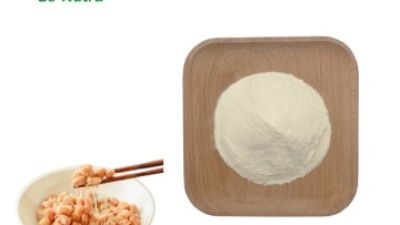
High-quality nattokinase powder is produced from the whole fermented culture of *Bacillus subtilis natto* and is commonly supplied as a white to light-yellow, food-grade powder. Available specifications may include 5,000, 10,000, 20,000, 30,000, and 40,000 FU, with FU indicating fibrinolytic enzyme activity rather than simple weight. Nattokinase is widely studied for its potential role in supporting healthy circulation and normal blood-pressure maintenance, although it should not be presented as a treatment or replacement for prescribed care. According to Grand View Research, the global dietary supplements market was valued at approximately USD 177.5 billion in 2023, highlighting continued demand for standardized, evidence-informed functional ingredients.

For supplement manufacturers and buyers, quality verification is more important than dosage claims alone. A reliable product specification should identify nattokinase or natto extract powder, its botanical source, *Bacillus subtilis* natto, food-grade status, and CAS 133876-92-3, while providing batch-specific testing. Buyers should request a certificate of analysis confirming FU activity, identity, microbiological safety, heavy metals, moisture, contaminants, and shelf-life stability. Manufacturing under documented GMP procedures, with validated enzyme assays and suitable packaging, helps protect activity during storage. The powder is suitable for dietary supplements, food supplements, and functional-food formulations, subject to local regulatory requirements and responsible labeling.

FAQS

Can supplements replace sleep, nutrition, movement, or medical care?

No. Supplements may address nutritional gaps, but they cannot replace regular sleep, balanced meals, movement, or professional care.

Which nutrients commonly support normal immune function?

Vitamin C, vitamin D, zinc, and selenium support normal immune functions. Their value is greater when dietary intake is inadequate.

Is taking a higher dose more effective?

Not necessarily. Excess zinc may cause nausea and reduce copper absorption. High vitamin C intake may upset digestion. More is not better.

What should a clear supplement label include?

It should list the active form, amount per serving, allergens, excipients, and serving instructions. Avoid blends hiding individual quantities.

How should herbal immune ingredients be evaluated?

Confirm the exact species and plant part, such as root, leaf, or flower. Check extraction methods, marker compounds, dosage, and human research.

Does traditional herbal use prove clinical effectiveness?

No. Traditional use can suggest questions, but controlled human studies provide stronger evidence. Research may still be limited or inconsistent.

What testing information indicates better product quality?

Look for identity checks, purity testing, and screening for heavy metals, microbes, pesticides, and undeclared substances. Lot-specific results are useful.

Can herbs interact with medicines or health conditions?

Yes. Some herbs may affect blood pressure, blood sugar, liver enzymes, or blood-thinning medicines. Seek professional advice during pregnancy or before surgery.

When is professional guidance especially important?

Ask a pharmacist or clinician if you take prescription medicines, have liver or kidney conditions, or manage an autoimmune condition. Children also need individual advice.

How can someone improve supplement-taking habits?

Attach the supplement to a regular event, such as breakfast beside a glass of water. Keep notes about the dose and symptoms. Even careful choices can disappoint.

Conclusion

Supporting immune health begins with understanding that supplements are intended to complement, not replace, a balanced diet, sufficient sleep, regular activity, and appropriate medical care. Ingredients For Immune Health Supplements may include essential vitamins and minerals that help maintain normal immune function, while antioxidant nutrients can help protect cells from oxidative stress. Herbal ingredients may also be considered, but their traditional use, safety profile, evidence, and suitability for individual needs should be evaluated carefully.

A reliable supplement formula should use clearly identified ingredients, sensible dosages, and transparent labeling. Consumers should check product quality, manufacturing standards, allergens, and possible interactions with medicines or other supplements. More ingredients do not necessarily mean better results; a focused formula with appropriate amounts may be easier to use and assess. Anyone who is pregnant, managing a health condition, taking medication, or considering supplements for a child should seek advice from a qualified healthcare professional before use.
Amelia

Amelia

Amelia is a dedicated professional marketing specialist with a deep commitment to promoting natural, healthy, and innovative raw materials. As an integral part of our team, she channels her extensive knowledge into researching and marketing products that significantly enhance the fields of......
Previous Top 10 Botanical Extracts Used in Dietary Supplements
Next 2026 Best Ingredients for Immune Health Supplements?