Ever noticed how a jar of herbal extract can seem pretty consistent from one batch to another? Still, the stuff inside can actually vary quite a bit depending on things like harvest timing, drying methods, storage conditions, and processing techniques. That’s why having some quality control testing in place is so important — it helps turn those differences into concrete, measurable facts. A solid testing program will check things like the botanical identity, key marker compounds, moisture content, microbial safety, and any potential contaminants. Different methods, such as microscopy, chromatography, and validated lab tests, each answer different questions. And honestly, no single test can tell you the full story — which really matters when it comes to quality.
There's a famous quote from Paracelsus, the physician who really helped shape modern toxicology: “The dose makes the poison.” When it comes to testing herbal extracts, that’s a practical reminder that both *what* the plant is and *how much* of its active stuff is in there really count. For example, a chromatogram gives you a chemical fingerprint, while a batch record connects those results back to where and how the extract was processed. Just make sure that the testing methods used are validated specifically for that plant and product — what works for one may not work for another.
To make reliable decisions, you also need clear specifications, documented sampling procedures, and results reviewed by qualified analysts. Always look for records you can trace back easily, not just a shiny certificate. Also, it’s important to interpret results with context — like what you're planning to do with the extract and what the limits of each testing method are. Keep in mind, even the most careful tests can miss things because of sampling errors — taking a tiny piece might not tell the whole story if the material isn’t uniform. So, always question and double-check. This guide will walk you through how to read test reports, compare different methods, and spot potential gaps before you buy into a quality claim.

What Herbal Extract Quality Means and Why It Matters
Herbal extract quality means more than a strong color or a bitter taste. It means the material matches its stated plant identity, uses the intended plant part, and has a consistent chemical profile. A Raw Herbal Extract may vary naturally with harvest conditions, drying, and extraction methods. Variation is not automatically a defect, but unexplained variation deserves attention.
Testing helps turn those details into evidence. A botanical identity test can check whether the expected plant is present. Analytical methods can measure selected marker compounds, while contaminant screening can look for heavy metals, pesticide residues, microbes, or residual solvents. Results should be linked to a specific batch, with clear sampling and test records. A certificate alone is not enough if its methods, limits, or sample details are unclear.
Why does this matter? A mislabeled or inconsistent extract can make research results difficult to reproduce and product specifications unreliable. Yet one test cannot answer every question. A marker compound may confirm part of a profile, not the whole plant’s activity. That distinction is easy to overlook. Good quality checks combine documented sourcing, suitable laboratory methods, and honest interpretation of what the results do—and do not—show.
Which Quality Standards and Specifications Apply
Which standard applies depends on the plant, plant part, and intended use. The Herbal Extract needs a written, product-specific specification, not a generic checklist. WHO’s 2011 Quality Control Methods for Herbal Materials covers identity, foreign matter, moisture, ash, extractable matter, and contaminants. USP General Chapter , Articles of Botanical Origin, provides a compendial framework for botanical quality. Applicable monographs may set additional tests or limits. Details matter.
Set acceptance criteria for botanical identity, marker compounds or chromatographic fingerprints, microbial quality, heavy metals, and pesticide residues. Assess solvent residues and mycotoxins when relevant to the product’s risks. Use validated methods, suitable reference standards, and documented sampling. Keep chromatograms and lot records. In the United States, dietary-supplement cGMP rules under 21 CFR Part 111 require specifications and appropriate testing or examination. Requirements vary by market. WHO’s 2019 global report found that 170 of 194 Member States reported using traditional and complementary medicine, or 88%. That scale makes traceable specifications important. Still, marker content alone can miss poor handling or adulteration. Pair chemical fingerprints with targeted contaminant tests, and document limits in the method’s ability to detect problems.
How to Check Supplier Records and Sample Identity
2026 How to Test Herbal Extract Quality?
Supplier records should tell a traceable story, not merely provide a polished certificate. Check the botanical’s Latin binomial, plant part, country of origin, harvest or production lot, extraction solvent, and extract ratio. Match each detail to the incoming batch number and purchase documents. Names matter. Ask for the test method, laboratory identity, date, specification limits, and original results—not only a pass/fail statement. Review chromatograms or fingerprint data when available, and compare them across batches for unexplained changes. A certificate of analysis is useful, but it cannot replace supplier qualification and independent verification.
Sample identity needs a separate check. Retain a sealed sample from each lot, then compare it with the delivered material using a suitable method. Microscopy can help assess whole or cut botanicals; HPTLC or HPLC fingerprints are often more informative for extracts. Marker compounds support identity, but one marker alone may not represent the whole extract. DNA testing can also have limited value after processing.
A 2013 BMC Medicine study examined 44 herbal products and reported that 59% contained DNA from plant species not listed on their labels. This small survey is not a market-wide estimate, and DNA methods may miss highly processed extracts. Treat the finding as a reason to verify, not as proof that any supplier is unreliable. Keep the sampling record, test report, and batch paperwork together. Gaps happen. Note them, ask for clarification, and document unresolved discrepancies before accepting the lot.
How to Test Herbal Extract Quality: Supplier Records & Sample Identity
Illustrative supplier-file review showing the share of checks with evidence verified. This hypothetical example is not a supplier assessment or a universal acceptance standard. Confirm requirements against the extract, intended use, and applicable regulations.
How to use: Check batch-specific records such as the certificate of analysis, botanical name and plant part, and traceability documents. Compare the received sample with an appropriate identity method, such as a chromatographic fingerprint; microscopy or DNA methods may not be suitable for every processed extract. Investigate gaps and discrepancies before acceptance.
How to Test Identity, Strength, and Chemical Composition
Reliable herbal extract testing starts with identity. Confirm the botanical name, plant part, and extraction details against supplier records and a suitable reference. Microscopy may help with raw herbs, while TLC or HPTLC can compare an extract’s chemical fingerprint. DNA testing can support identification, but processing may degrade DNA, so it is not always conclusive. No single test tells the whole story.
Strength testing measures selected marker compounds using methods such as HPLC or LC-MS. The chosen markers should fit the herb and intended quality specification; a high marker level alone does not prove overall quality. Chemical composition testing can also screen for unexpected compounds, residual solvents, pesticides, heavy metals, or microbes. Use a qualified laboratory and ask whether its methods are validated for that specific extract. A polished report can still miss problems if the sample was poorly collected.
Tips: Check that the report matches the batch number and plant part on the label. Keep a retained sample for comparison. Small sampling errors matter. Even a consistent fingerprint may hide variation in minor compounds, so interpret results alongside sourcing and production records.
How to Screen for Contaminants and Adulteration
A clean appearance proves little. Screen each lot with a representative sample, not a pinch taken from the top of one container. Record the supplier’s identity, batch number, plant part, and processing details before testing. For Herbal Loquat Extract, compare a chromatographic fingerprint with an authenticated reference profile. A single marker compound may not reveal substitution or dilution. Use complementary methods where practical, and ask the laboratory to explain what each method can and cannot detect.
Test for contaminants based on the extract and its production history. Elemental analysis can check for lead, cadmium, arsenic, and mercury; validated residue methods can screen for pesticides. Microbial testing and mycotoxin analysis may also be appropriate. Results should be tied to the exact batch, with methods and reporting limits stated. Review the certificate of analysis carefully. Missing limits matter. An independent laboratory with relevant accreditation can strengthen confidence, but a certificate is not a guarantee if sampling was poor. Keep retained samples and review unexpected results before release. This process takes time, and I would not treat a clear-looking powder or one reassuring test as proof of quality.
How to Interpret Results and Document Quality Decisions
Testing a Natural Herbal Extract means interpreting results as a set, not relying on one passing test. Compare identity, marker-compound levels, moisture, microbes, pesticides, and heavy metals with written specifications. Each test answers a different question. A 2013 DNA-barcoding study examined 44 North American herbal products; 59% contained DNA from plant species absent from their labels (Newmaster et al., BMC Medicine, 11:222). That small study is a warning, not a market-wide estimate. DNA findings also need careful interpretation, since processing can degrade DNA.
Tips: Record the sample code, batch, method, laboratory, result, units, limit, and reviewer’s decision. Check whether the method suits the material and whether results fall within the approved range. If identity passes but a marker level misses its limit, quarantine the batch while investigating sampling, extraction, or method variability. Keep the original report and the reason for release, rejection, or retesting. A neat chromatogram is not the whole story.
Quality records should make decisions repeatable. Note deviations, retest rationale, and any change to specifications, with dates and responsible reviewers. Avoid treating “not detected” as zero; confirm the method’s detection limit. Some decisions remain uncomfortable when results conflict. Document that uncertainty plainly, rather than smoothing it over.
Rice Protein Powder for Vegan Nutrition: Market Insights from Grand View Research’s Plant-Based Protein Market Report
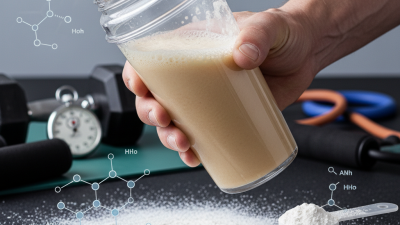
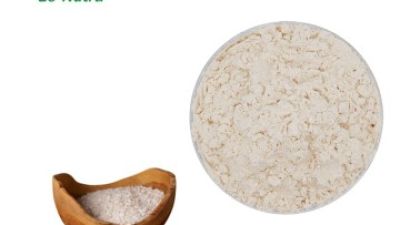
Plant-based protein market insights highlight growing interest in vegan nutrition options that can fit into everyday diets as well as sports-focused routines. Rice protein powder, made from high-quality non-GMO brown rice, offers a plant-based alternative for consumers seeking protein in convenient formats. Its protein content typically ranges from 70% to 90%, depending on the extraction process, and it can support muscle growth and recovery as part of a balanced nutrition plan. The fine powder is usually light yellow or off-white, with a formulation suited to health-care supplements, sports nutrition, protein beverages, bars, functional foods, and nutritional smoothies.
For manufacturers and food developers, rice protein’s versatility makes it useful across a range of vegan products, from ready-to-mix drinks to formulated snacks. It can be packaged in 20 kg kraft bags, with customization available to meet different production needs. To maintain quality, keep the product sealed in a cool, dry place away from direct sunlight, heat, and humidity. Under these storage conditions, its shelf life is usually 24 months, helping support consistent handling and use in plant-based nutrition applications.
FAQS
It means the extract matches its stated plant identity, plant part, and expected chemical profile. Color alone proves little.
Identity tests check the plant. Other tests measure marker compounds, moisture, microbes, pesticides, heavy metals, or residual solvents.
Not by itself. Check the methods, limits, sample details, and batch records behind the results.
Batch records connect findings to specific material. They help explain differences between harvests, drying conditions, or extraction methods.
Hold the batch while reviewing sampling, extraction, and method variability. Record the decision and any retesting clearly.
No. It confirms one part of a chemical profile, not the plant’s full activity. That distinction is easy to miss.
It does not mean zero. Check the method’s detection limit and record it with the result.
Record the batch, sample code, method, laboratory, result, units, limits, and reviewer. Keep reasons for release, rejection, or retesting. Details matter.
A 2013 study of 44 North American products found some unlabeled plant DNA. It was a small study, not a market-wide estimate. Processing can also degrade DNA.
Conclusion
Herbal extract quality depends on whether an ingredient is authentic, consistent, and suitable for its intended use. A clear specification should define the relevant identity, strength, composition, and purity requirements. Evaluating quality also begins with reviewing supplier records and confirming that the sample is properly identified and representative of the material being assessed.
Herbal Extract Quality Control Testing combines appropriate identity checks, measurements of key constituents, and screening for contaminants or unexpected materials. Results should be compared with the agreed specifications and interpreted in light of the test methods and sample information. Keeping a clear record of methods, findings, and decisions helps support consistency between batches, identify potential concerns, and make quality assessments transparent and repeatable.