When you’re shopping for sports nutrition products, it’s pretty common to see stuff that looks similar on the shelf. But here’s the thing: their ingredients can have very different purposes. So, in this guide, we’re diving into China’s top 10 sports nutrition supplement ingredients—covering what they’re typically used for, practical forms you might find, and what the science says. Just a heads up though, the best ingredients for sports nutrition aren’t automatically the right choice for everyone. Things like your training routine, your diet, how well you tolerate certain ingredients, and the quality of the product itself all come into play.
We’ll be talking about familiar ingredients like protein, creatine, carbs, electrolytes, and caffeine—things you’ve probably heard of. But it’s also important to think about how these ingredients fit into your workout. For example, a scoop mixed with water before exercise, or a drink you sip during long sessions. Keep in mind—benefits depend a lot on your personal context, and just because science shows something is effective doesn’t guarantee it’ll work the same for you. Details matter. So, it’s smart to check serving sizes, ingredient quantities, allergens, and whether the product has been quality-tested—rather than just trusting flashy packaging claims. Remember, supplements can’t replace good food, proper sleep, or a solid training plan. Honestly, not every product suits everyone—there’s no one-size-fits-all.
We’re emphasizing transparent labels and taking scientific evidence with a grain of salt. Popularity alone isn’t a proof of effectiveness, and research can have its limits. Some findings only apply to certain groups or under specific conditions—that’s worth paying attention to. Use this overview as a helpful starting point for comparing products thoughtfully. But don’t ever see it as a substitute for talking to a professional. Even the rankings aren’t perfect; your personal needs might bump some things up or down in priority.
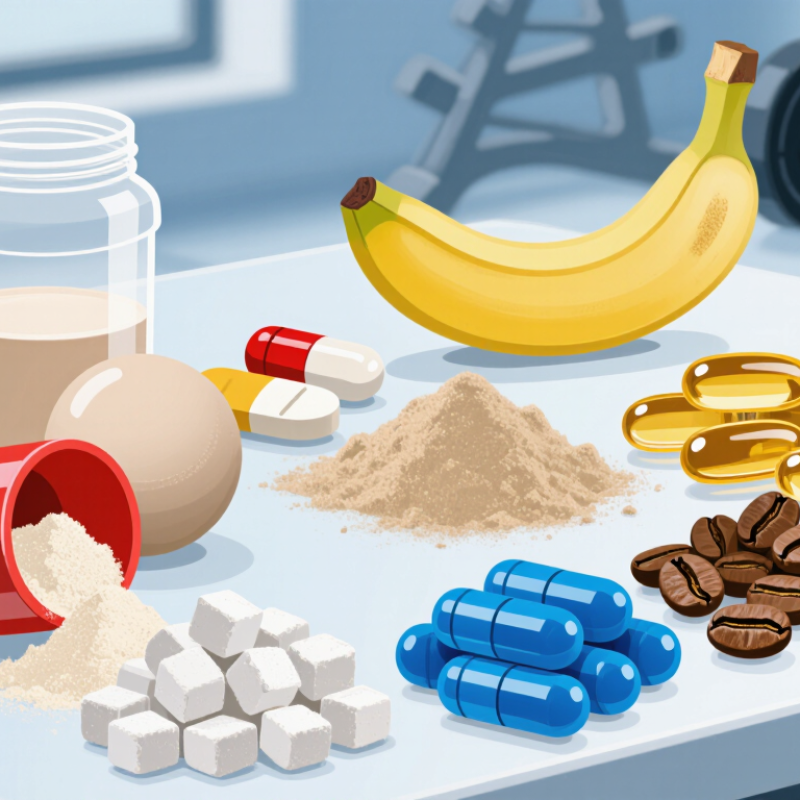
In China, “sports nutrition supplement” is often used loosely. A useful starting point is GB 24154-2015, the national food safety standard for sports nutrition foods. It describes foods specially processed to meet the nutritional needs of people undertaking physical activity. The scope can include products providing protein, carbohydrates, or electrolytes. Not a shortcut. These terms describe intended nutritional roles, not guaranteed improvements in performance.
For ingredient discussions, distinguish a nutrient from a finished product. Protein is a macronutrient; whey, soy, and other protein sources are ingredients. Carbohydrates can support training fuel, while electrolytes help replace minerals lost through sweat. The Academy of Nutrition and Dietetics, Dietitians of Canada, and ACSM position statement gives athletes a daily protein range of 1.2–2.0 grams per kilogram of body weight. The IOC’s 2018 consensus statement places carbohydrate needs across roughly 3–12 grams per kilogram daily, depending on training load. These are total-diet targets, not automatic supplement serving sizes.
That distinction matters. A label’s “sports” wording does not establish that an ingredient suits every athlete or training session. Needs vary with body size, exercise duration, meals, and climate. The boundary between sports food and everyday nutrition can remain imperfect; even clear definitions cannot replace careful label reading and individualized advice.
Representative amounts used in sports-nutrition research and practice. These examples are not a ranking of effectiveness or popularity.
Amounts are shown in grams, but timing and protocols differ: daily intake, per serving, per hour, or pre-exercise. The caffeine example assumes a 70 kg adult; the sodium bicarbonate example uses 0.3 g/kg for a 70 kg adult. Research protocols vary, and evidence for benefits differs by ingredient. This chart is informational, not personal dosage advice.
Evaluate each sports nutrition ingredient by its active form, dose per serving, human-study evidence, and suitability for your training goal. Check whether a label gives the amount of the active ingredient, not just a proprietary blend’s total weight. Look for research involving people with similar training levels and outcomes, such as strength or endurance. Check the serving.
The International Society of Sports Nutrition’s 2017 position stand on protein and exercise gives a daily range of 1.4–2.0 grams per kilogram of body weight for most exercising people. Its 2017 creatine position stand describes creatine monohydrate as well-studied and identifies 3–5 grams daily as a typical maintenance dose. These figures offer useful benchmarks, not personal prescriptions.
A dose backed by research still may not suit everyone.
Verify manufacturing traceability, batch testing, and certificates from independent quality programs. Such checks can help confirm contents and screen for contaminants; they do not prove performance benefits. Read the study methods, too. Small trials and short follow-ups leave real uncertainty. I would question any ingredient claim that promises dramatic results without naming its dose or evidence. The phrase “Best Hydrolyzed Keratin For Hair” concerns hair-focused searches, not proof of sports nutrition efficacy. Keep those claims separate.
China’s Top 10 Sports Nutrition Supplement Ingredients are better viewed as a practical shortlist, not a sales ranking. Common options include whey protein, soy protein, creatine monohydrate, beta-alanine, caffeine, citrulline, maltodextrin, electrolytes, beetroot extract, and ginseng. Each serves a different purpose. Protein helps people meet daily protein needs, while carbohydrate powders can provide fuel during prolonged training. Creatine is widely studied for repeated, high-intensity efforts. Effects vary, though.
Details matter. A scoop mixed in cold water should dissolve and taste acceptable; a product that sits unopened in a cupboard is not useful. Check serving sizes, ingredient amounts, and independent quality testing where available. Caffeine may affect sleep or cause jitters, and botanical ingredients can interact with medicines. Botanical Food Supplements are not automatically gentle or suitable for everyone. Ask a qualified health professional when health conditions or medications are involved. Training, food, sleep, and hydration still shape results. The ranking can mislead. A familiar ingredient is not necessarily the right choice for every athlete.
A practical overview of commonly used sports nutrition ingredients. The list is not a ranking of sales. Dosages are typical adult research or practice ranges, not individualized advice.
| Ingredient | Common sports nutrition use | Typical adult use range | Evidence and practical notes |
|---|---|---|---|
| Whey protein | Convenient protein to support muscle repair and growth | About 20–40 g protein per serving; adjust to daily dietary needs | Strong evidence for helping meet protein needs. Total daily protein and a balanced diet matter more than a specific timing window. |
| Creatine monohydrate | Repeated high-intensity exercise and strength training | 3–5 g daily; an optional loading phase is commonly 20 g/day, divided into doses, for 5–7 days | One of the best-supported sports supplements. Some users experience a small increase in body weight, often due to increased water stored in muscle. |
| Caffeine | Alertness, perceived effort, and performance in some exercise settings | Often studied at 3–6 mg/kg about 30–60 minutes before exercise; lower doses may also be effective | Well-supported for some athletes, but response varies. May affect sleep, anxiety, or heart rate; avoid late-day use if it disrupts sleep. |
| Carbohydrates (e.g., maltodextrin or glucose) | Fuel for prolonged or demanding training and competition | About 30–60 g/hour during exercise lasting over 1 hour; up to 90 g/hour may be used in prolonged events with appropriate training and mixed carbohydrate sources | Useful when exercise duration and intensity make fueling important. Tolerance should be practiced during training. |
| Beta-alanine | Repeated high-intensity efforts, especially efforts lasting roughly 1–4 minutes | About 3.2–6.4 g daily, divided into smaller doses, for at least 4 weeks | May improve performance in some high-intensity exercise. Tingling of the skin can occur and may be reduced by splitting doses. |
| Nitrate-rich beetroot | Potential support for endurance exercise efficiency | Research commonly uses about 5–9 mmol nitrate, taken around 2–3 hours before exercise | Effects vary by person and exercise type. Nitrate content differs among products; antibacterial mouthwash may reduce nitrate conversion. |
| Sodium bicarbonate | Buffering support for some intense efforts lasting around 1–10 minutes | Commonly studied at 0.2–0.3 g/kg before exercise; timing and dose require individual testing | Can cause gastrointestinal discomfort and adds substantial sodium. It is not suitable for everyone, particularly people who need to limit sodium. |
| Electrolytes (especially sodium) | Fluid replacement during prolonged exercise, heat, or heavy sweating | Needs vary widely; plans often consider roughly 300–600 mg sodium/hour during prolonged exercise, adjusted to sweat loss and conditions | Individual sweat rate, duration, climate, and diet matter. Avoid excessive fluid intake; hydration strategies should be tailored to the activity. |
| L-citrulline / citrulline malate | Often marketed for resistance-training performance and exercise blood flow | Studies commonly use 6–8 g citrulline malate before exercise; formulations and citrulline content vary | Evidence is mixed and less established than for creatine or caffeine. Check the amount of actual citrulline in the product. |
| Branched-chain amino acids (BCAAs) | Amino acid source used in some intra-workout products | No established performance dose; product servings often provide several grams | BCAAs alone are not a complete protein. When adequate high-quality protein is consumed, extra BCAAs generally offer limited additional benefit. |
Note: Ingredient eligibility, labeling, permitted uses, and product requirements depend on the product category and current regulations in China. Verify applicable requirements before formulation or sale. Consult a qualified health professional before using supplements, especially if pregnant, taking medication, or managing a medical condition.
Protein, creatine monohydrate, and caffeine have among the strongest evidence bases. The ISSN’s 2017 protein position stand recommends 1.4–2.0 grams of protein per kilogram of body weight daily for many exercising adults. Creatine may support repeated high-intensity efforts; the ISSN’s 2017 position stand describes 3–5 grams daily as a common maintenance amount. The ISSN’s 2021 caffeine review reports performance benefits around 3–6 milligrams per kilogram, though sensitivity varies. Not everyone tolerates it well.
Beta-alanine may help during repeated hard efforts lasting roughly one to four minutes, but benefits require consistent daily use, not a last-minute scoop. Nitrate from beetroot may support exercise efficiency, yet results differ by person and event. For longer sessions, carbohydrates and sodium matter too: the Academy of Nutrition and Dietetics, Dietitians of Canada, and ACSM’s 2016 position paper suggests 30–60 grams of carbohydrate per hour for prolonged exercise. Small details count. A sweaty summer ride is not the same as a short gym session.
Omega-3 fats may support general health, but direct performance evidence remains limited. Vitamin D is most relevant when intake or blood levels are low; more is not automatically better. Tart cherry and other Botanical Dietary Supplements have emerging recovery research, but study sizes and products vary. That uncertainty deserves attention. These ingredients are not interchangeable, and individual needs depend on diet, training, health, and tolerance. A sports dietitian can help assess fit and avoid unnecessary supplementation.
Sports nutrition products work best when ingredient form matches the training goal. Common Nutrition Ingredients include whey or plant protein, creatine monohydrate, carbohydrate powders, electrolytes, beta-alanine, and amino acids. Powders mix easily into shakes, while capsules suit measured servings on the go. Forms matter. Whole-food ingredients can also offer useful nutrients, though their composition may vary between batches.
Dosage depends on body size, diet, exercise, and product concentration. A serving with 20–30 grams of protein may support post-training recovery; creatine monohydrate is commonly used at 3–5 grams daily. Carbohydrate drinks can help during longer sessions, while electrolyte amounts should reflect sweat loss and conditions. Beta-alanine is typically taken consistently, rather than as a one-time pre-workout boost. Check the label for serving size and added ingredients. More is not automatically better, and individual responses differ.
Tips: Try one new product at a time, and note how it feels during training. Mix powders with the listed amount of water; a thick, gritty drink may signal poor solubility, not poor quality. If you have a medical condition, take medication, or are unsure about a dose, ask a qualified health professional. Ingredient evidence is not equally strong, so reassess choices as your needs change.
For sports nutrition ingredients such as protein, creatine, and electrolytes, safety in China starts with classification. A product may be treated differently depending on its ingredients, intended use, and claims. Confirm whether it falls under ordinary food or a health-food pathway before setting the formula. Check current ingredient requirements and applicable filing or registration rules with qualified local regulatory professionals. Rules can change. Assumptions can age quickly.
A clear Chinese label should match the formula and supporting records. State ingredients, serving size, directions, storage conditions, and relevant allergen information accurately. Avoid claims that suggest disease prevention or treatment. Keep batch records and test reports for identity, contaminants, and product stability. These checks matter even when the ingredient is familiar. A tidy label is not proof of a safe product; supplier documents and finished-product testing still need scrutiny.
Tips: Review every ingredient and claim before printing packaging. Ask a local specialist to check the final Chinese wording. Keep a dated record of decisions. It may feel cautious, but “common ingredient” does not always mean “automatically permitted.”
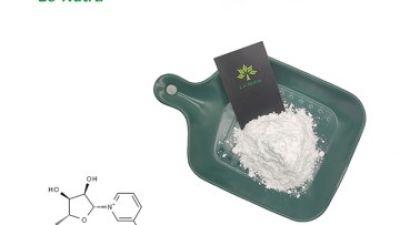
The dietary supplements market continues to create opportunities for ingredients that fit consumers’ interest in healthy aging, daily wellness, and convenient product formats. NMN powder is positioned in this space as a source of β-nicotinamide mononucleotide, a compound involved in the body’s NAD+ synthesis pathway. For supplement developers, demand potential may depend on clear ingredient information, consistent quality, and responsible communication that avoids presenting general wellness positioning as a proven treatment or guaranteed anti-aging effect.
This NMN powder is specified at 99% by HPLC and has a white, fine-powder appearance, making it suitable for formulation into supplement products where powder handling is preferred. Its stated functional positioning includes supporting NAD+ synthesis and general cellular and organ-function wellness; claims concerning vascular health or anti-aging should be carefully substantiated and phrased in accordance with applicable requirements. The material can be supplied in vacuum aluminum foil bags or in 25 kg fiber drums with a double-layer, food-grade inner bag, offering options for different production and storage needs. As the sector develops, transparent specifications, reliable packaging, and evidence-conscious product descriptions can help ingredient suppliers meet buyers’ expectations.
It is food processed to meet the nutritional needs of people doing physical activity. Products may provide protein, carbohydrates, or electrolytes. “Sports” on a label does not guarantee better performance.
Common guidance ranges from 1.2 to 2.0 grams per kilogram of body weight daily. This means total protein from food and supplements, not one required shake. Individual needs differ.
Creatine may help with repeated high-intensity efforts. A commonly cited maintenance amount is 3–5 grams daily. It is not a guaranteed result.
Research reports potential benefits around 3–6 milligrams per kilogram of body weight. Sensitivity varies, and some people do not tolerate caffeine well. Start by considering your own response.
Probably not. Potential benefits relate to repeated hard efforts lasting about one to four minutes. Consistent daily use is needed, rather than a single scoop before exercise.
For prolonged exercise, one position paper suggests 30–60 grams of carbohydrates per hour. A hot, sweaty ride may also make sodium replacement relevant. Needs vary.
Direct performance evidence for omega-3 fats is limited. Vitamin D matters most when intake or blood levels are low. Tart cherry research is emerging, but studies and products vary.
Consider diet, training duration, body size, climate, health, and tolerance. A sports dietitian can help assess the need. The line between sports foods and everyday nutrition can be blurry.
This article introduces the scope of sports nutrition supplements in China and clarifies key terms used to describe their ingredients and purposes. It explains how to assess ingredient quality, research evidence, intended use, and practical suitability, then surveys ten commonly considered options, including protein, creatine, carbohydrates, electrolytes, caffeine, beta-alanine, amino acids, omega-3 fatty acids, nitrates, and selected vitamins and minerals. Rather than treating any ingredient as universally effective, the overview considers how benefits may vary with individual needs, training goals, and the strength of available evidence.
The article also reviews ingredient forms, typical dosage considerations, and applications in products such as powders, drinks, and capsules. Its discussion of Best Ingredients For Sports Nutrition Supplements emphasizes informed selection, responsible use, and clear product information. Finally, it highlights safety considerations and China-specific requirements for labeling and regulatory compliance, encouraging readers to check applicable rules and seek qualified guidance when needed.