Leave Your Message
0%

China’s sports nutrition market is really expanding these days, but honestly, choosing the right ingredients isn’t just about picking the cheapest option. When it comes to the best ingredients for sports supplements, you’ve gotta think about supporting your performance, recovery, safety, and making sure the manufacturing process stays consistent. Just because you see a shiny label doesn’t mean the product’s reliable—it’s all about the evidence behind it.

Asker Jeukendrup, a well-respected sports nutrition researcher and the guy behind mysportscience, once said, “There’s no one-size-fits-all approach to sports nutrition.” And honestly, that really sticks. It’s a good reminder that your supplement choices should be tailored. For example, creatine monohydrate has been shown to help with repeated high-intensity efforts, and whey protein can help you hit your daily protein goals. Carbohydrate powders? They’re pretty handy for fueling prolonged training sessions. And let’s not forget electrolytes—especially if you’re sweating buckets.

Details really do matter here. For manufacturers based in China, quality starts with sourcing raw materials you can trace back, doing supplier audits, and having clear Certificates of Analysis. The ingredients themselves should go through tests for identity, purity, microbiological safety, and heavy metals. Facilities following recognized standards like HACCP, ISO 22000, or Good Manufacturing Practice tend to have tighter quality controls. And, of course, independent testing can give extra peace of mind, especially for athletes who need to stick to anti-doping rules.

But here’s the thing—no single ingredient is automatically the best choice for everyone. Factors like how much you need, the product format, your training goals, allergies, and personal tolerance all come into play. Even widely studied ingredients like creatine might not be perfect for your tastes or needs. That’s where a lot of articles tend to oversimplify things.

A practical, human approach is to compare the scientific evidence, supply reliability, flavor, how well it dissolves, and whether it meets regulations. It’s also good to be aware of what we still don’t know—like some trendy extracts that don’t have enough human research behind them yet. Companies that are transparent, like Glanbia Nutritionals and Fonterra, show why good documentation really matters. The best Chinese supplement formulas mix solid science with careful manufacturing—not overhyped promises or gimmicks.
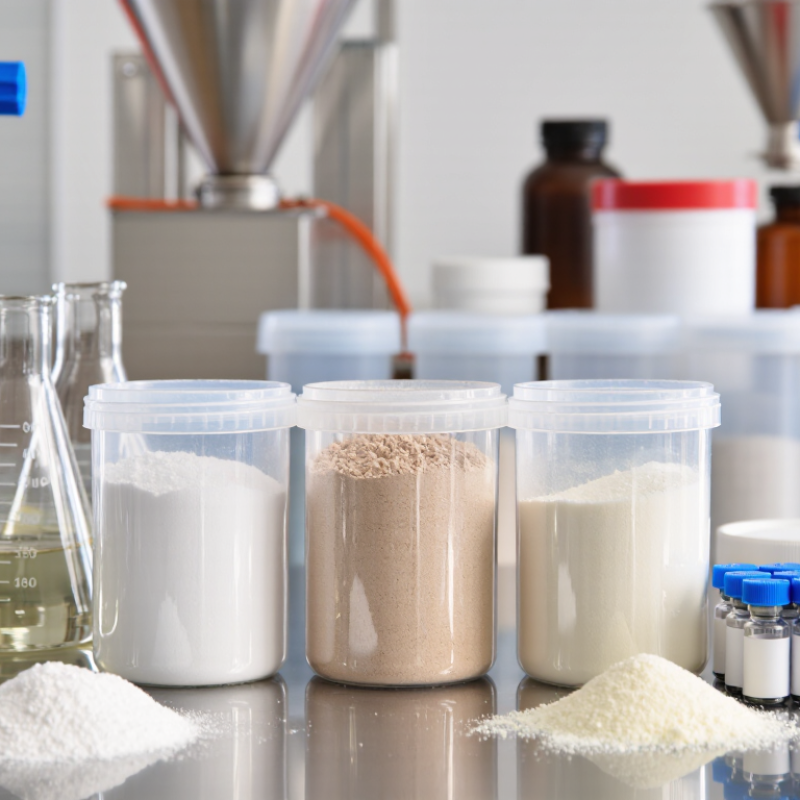
China Best Ingredients for Sports Nutrition Supplements?

What Makes China a Major Source of Sports Nutrition Ingredients?

China is a major source of sports nutrition ingredients because its supply chain is broad and highly integrated. Manufacturers can produce amino acids, plant proteins, creatine, vitamins, and mineral blends at commercial scale. Many facilities operate specialized fermentation, extraction, filtration, and spray-drying systems. These processes support consistent textures, solubility, and dosage accuracy. They also reduce transport time between raw material processors and finished ingredient suppliers.

In practical supplier evaluations, documentation matters as much as production capacity. Request a current certificate of analysis, allergen statement, heavy metal results, and microbiological testing. Independent laboratory verification adds confidence, especially for powders used in daily sports products. China’s ingredient sector also serves diverse export markets, so experienced producers often understand different labeling and quality requirements. Still, no source is perfect. Batch variation, unclear traceability, or outdated documents can create avoidable risks. Careful review remains necessary.

Tips: Ask for batch samples, not only catalog samples. Check the manufacturing date and test method. Confirm storage conditions before purchase. For products positioned as Best Hydrolyzed Keratin For Hair, verify protein origin, hydrolysis level, and contaminant controls. These checks may feel slow, but they reveal whether a supplier values evidence over attractive specifications. A factory visit can help, although it cannot replace independent testing.

Key Ingredient Categories Used in Sports Nutrition Supplements

China’s Best Ingredients for Sports Nutrition Supplements: Key Categories

Sports nutrition formulas usually begin with protein, carbohydrates, hydration minerals, and performance compounds. The ISSN position stand recommends 1.4–2.0 grams of protein per kilogram daily for active adults. Whey, milk, soy, and pea proteins can support convenient intake. Carbohydrates remain useful during prolonged training, especially when glycogen demand rises. Sodium, potassium, and magnesium help replace minerals lost through sweat. However, electrolyte needs vary sharply with heat, body size, and exercise duration.

Creatine monohydrate is another well-studied category. The ISSN reports that 3–5 grams daily can maintain muscle creatine stores after saturation. Caffeine may improve alertness and endurance, but the NIH Office of Dietary Supplements cites 2–6 mg per kilogram as a commonly studied range. Botanical Food Supplements, such as standardized plant extracts, may support specific goals. Evidence still depends on the plant, dose, extraction method, and testing quality. “Natural” does not automatically mean effective.

Tips: Check third-party testing, ingredient identity, dosage transparency, and contaminant controls. Avoid formulas hiding amounts inside proprietary blends. I would also review the athlete’s diet before adding several ingredients. More ingredients can create more uncertainty, not better results. The Australian Institute of Sport classification system reminds practitioners to prioritize evidence, safety, and individual need. Some products still look impressive on paper, yet practical value remains unclear.

How Chinese Manufacturers Produce and Process Sports Ingredients

China Best Ingredients for Sports Nutrition Supplements?

Chinese manufacturers produce sports nutrition ingredients through controlled sourcing, processing, and testing. Reliable facilities begin with qualified raw materials and documented supplier reviews. They check moisture, identity, purity, and microbiological safety before production starts.

Protein ingredients may undergo filtration, concentration, drying, and screening. Amino acids often require fermentation, separation, crystallization, and careful drying. Creatine production also depends on controlled reactions and precise quality checks. Botanical Dietary Supplements require extra attention to plant identity, pesticide residues, heavy metals, and extraction solvents. The details matter.

Good manufacturers use stainless-steel equipment, calibrated instruments, and batch-based traceability. Production workers monitor temperature, pressure, humidity, and processing time. Samples are tested during production, not only after packaging. Certificates of analysis help, but buyers should review the actual testing methods. Small errors spread.

In practical factory assessments, cleaning records can reveal more than polished presentations. Weak documentation remains a concern, even when laboratory results look acceptable. Some suppliers still need stronger process validation and clearer allergen controls. That limitation deserves honest attention. Buyers should compare specifications, audit reports, stability data, and independent test results before selecting sports ingredients.

Quality Standards, Testing, and Certification in China

China Best Ingredients for Sports Nutrition Supplements?

Choosing Nutrition Ingredients in China requires more than comparing prices or reading a product brochure. Quality starts with clear specifications, including identity, purity, moisture, particle size, and storage conditions. Suppliers should provide batch-specific Certificates of Analysis, not generic documents. A useful review checks heavy metals, microbiological limits, pesticides, allergens, and unwanted solvents where relevant.

Testing should follow recognized Chinese standards and the buyer’s destination-market requirements. Qualified laboratories can use methods such as HPLC, ICP-MS, and microbiological culture testing. Independent testing is valuable, especially for high-risk powders and botanical extracts. Samples should represent the actual production batch. One attractive sample proves very little. Traceability also matters. Lot numbers, sealed bags, warehouse temperatures, and transport records should connect the raw material to its final shipment.

Certifications may include HACCP, ISO 22000, or other food-safety systems. However, certification does not replace batch testing or supplier audits. Auditors should inspect cleaning records, calibration logs, pest control, and staff hygiene. Small gaps can reveal larger weaknesses. Paperwork can look reassuring. It is not proof alone. A practical sourcing plan should also confirm change-control procedures, recall readiness, and the laboratory’s competence. Some evaluations remain imperfect because test methods, sampling frequency, or local interpretation can vary. That uncertainty deserves honest documentation, not polished promises.

China Best Ingredients for Sports Nutrition Supplements? - Quality Standards, Testing, and Certification in China

Ingredient Category Common Sports-Nutrition Ingredients Key Quality Indicators Recommended Testing Relevant China Standards or Compliance Areas Documentation to Request
Protein Ingredients Whey protein concentrate, whey protein isolate, milk protein, egg protein, soy protein, pea protein Protein content, moisture, amino-acid profile, solubility, sensory quality, fat and lactose where applicable Nitrogen/protein analysis, HPLC amino-acid profiling, microbiological testing, heavy metals, melamine screening, allergen testing GB 2762 for contaminant limits, GB 29921 for pathogenic microorganisms where applicable, GB 4789 microbiological methods, allergen and labeling requirements under GB 7718 and GB 28050 Certificate of analysis, product specification, allergen statement, origin statement, traceability records, food-safety-system certificate
Creatine Creatine monohydrate Assay, water content, creatinine and related impurities, particle size, appearance, solubility HPLC assay and impurity profile, loss on drying or Karl Fischer moisture testing, heavy metals, microbiology Applicable food-ingredient use requirements, GB 2762 contaminant controls, GB 2760 additive-use rules when relevant to the finished formulation, and GB 7718/GB 28050 labeling rules Detailed specification, batch COA, manufacturing-flow summary, residual-solvent statement, stability data, non-doping statement if required
Amino Acids L-leucine, L-isoleucine, L-valine, L-glutamine, beta-alanine, taurine Identity, assay, optical purity, related substances, moisture, microbial quality HPLC or validated chromatographic testing, specific rotation where applicable, heavy metals, microbiological analysis Food-ingredient status and permitted-use review, GB 2762, GB 29921 where applicable, GB 4789 methods, and finished-product labeling requirements COA, method-validation summary, allergen and GMO statements, production-license information where applicable, change-control policy
Nitric-Oxide and Endurance Ingredients L-citrulline, citrulline malate, nitrate-containing botanical ingredients Assay of active compound, citrulline-to-malate ratio where claimed, nitrate level, moisture, botanical identity HPLC or ion chromatography, botanical authentication, pesticide residues, heavy metals, microbiology GB 2762 contaminant limits, GB 2763 pesticide-residue limits for plant materials, food-use and claim review, GB 7718 and GB 28050 labeling Botanical identity report, pesticide-residue report, extraction or synthesis description, COA, country-of-origin and traceability documents
Carbohydrates Maltodextrin, dextrose, glucose polymers, highly branched cyclic dextrin DE value, carbohydrate content, moisture, viscosity, particle size, sweetness and dispersibility Carbohydrate assay, moisture, ash, microbiology, heavy metals and sulfite testing where relevant GB 2760 for applicable food-additive uses, GB 2762, GB 4789 methods, and nutrition-labeling requirements under GB 28050 Technical data sheet, DE specification, COA, allergen statement, GMO statement, packaging and storage requirements
Caffeine and Stimulant Ingredients Caffeine anhydrous, green-tea-derived caffeine, standardized botanical extracts Caffeine assay, botanical marker compounds, moisture, residual solvents, adulterant and stimulant screening HPLC or LC-MS, residual-solvent testing, pesticide residues for botanicals, heavy metals and microbiology Food-use and maximum-use review, GB 2760 where applicable, GB 2762, GB 2763 for botanical materials, and required warnings or labeling review COA, stimulant-adulteration declaration, solvent statement, botanical authentication, safety data sheet and regulatory assessment
Electrolytes and Minerals Sodium, potassium, magnesium, calcium and chloride salts Elemental content, purity, solubility, particle size, moisture, insoluble matter and contaminant profile ICP-OES or ICP-MS, ion chromatography where appropriate, heavy metals, microbiology and identity testing GB 2760 for applicable mineral salts, GB 2762 contaminant limits, GB 14880 for permitted nutrient fortification uses, and GB 28050 labeling Elemental-assay COA, impurity profile, food-grade specification, safety data sheet and finished-product dosage calculation
Vitamins Vitamin C, vitamin D, B-group vitamins and vitamin E compounds Assay, identity, potency retention, degradation products, moisture and uniformity in premixes HPLC or validated spectrophotometric methods, stability testing, microbiology and heavy metals GB 14880 for permitted nutrient-fortification uses, GB 2760 where additives are involved, GB 28050 nutrition labeling and applicable product-category rules Potency COA, premix uniformity data, stability data, carrier information, allergen statement and regulatory-use confirmation
Botanical Extracts Beetroot, ginseng, rhodiola, green tea and other standardized plant extracts Correct plant species and plant part, marker-compound content, extraction ratio, pesticide residues and adulteration risk HPLC, TLC or DNA authentication as appropriate, pesticide residues, mycotoxins, heavy metals, residual solvents and microbiology GB 2763 pesticide limits, GB 2762 contaminant limits, applicable food-use catalogues and restrictions, plus GB 7718 labeling requirements Botanical certificate of analysis, authentication report, cultivation or sourcing records, extraction process, pesticide report and regulatory-use statement
Quality-System and Certification Review Applicable to all ingredient categories Batch consistency, traceability, sanitation, supplier qualification, complaint handling and recall capability Pre-shipment testing, periodic independent laboratory testing, supplier audits and identity verification for every batch or risk-based frequency ISO 22000, FSSC 22000 or HACCP may demonstrate food-safety systems; ISO/IEC 17025 confirms laboratory competence; an applicable Chinese SC production license may be required for domestic food production Valid certificates with scope, audit status, production license where applicable, recent third-party reports, traceability procedure and recall procedure

Compliance note: The applicable Chinese requirement depends on the ingredient, intended use, dosage form, claims and sales channel. GB standards, food-use catalogues and labeling rules should be checked against the final formulation before commercialization. Voluntary certifications do not replace mandatory regulatory compliance.

How to Evaluate Chinese Ingredient Suppliers and Products

Choosing Chinese ingredients for sports nutrition supplements requires more than comparing prices. The real question is whether a supplier can deliver safe, consistent, and documented materials. In supplier evaluations, I look beyond polished websites and attractive certificates. I request a current specification sheet, certificate of analysis, allergen statement, and traceability record. Each document should match the exact product, batch, and manufacturing site. A useful sample arrives in sealed packaging, with a lot number and production date.

Tips: Ask for independent testing of identity, purity, heavy metals, microbes, and restricted substances. Compare the supplier’s results with your own laboratory findings. A small mismatch deserves investigation, not a quick excuse. Also inspect communication speed. Can the team explain moisture limits, storage conditions, and shelf life clearly? If answers change between emails, pause the purchase.

Strong suppliers usually support pilot orders before large contracts. Use the pilot to review powder flow, odor, solubility, packaging, and delivery accuracy. Ask how they handle rejected batches and corrective actions. Good records should show who tested the material, which method was used, and when. I have learned that one successful sample proves little. Seasonal changes, new raw materials, or subcontracted processing can alter performance. My own process is not perfect either; I once focused too heavily on price and missed a storage detail. Photographs of pallets, seals, and labels can clarify disputes later.

Common Applications of Chinese Sports Nutrition Ingredients

Chinese sports nutrition ingredients are used across protein powders, recovery drinks, energy bars, and hydration formulas. Their value depends on consistent specifications, not simply on country of origin.

Plant proteins from peas, rice, and soy can support shakes and meal-replacement products. Formulators often blend them to improve amino acid balance and texture. Whey and milk-derived proteins are commonly used for post-training recovery products. Solubility matters. A powder that clumps in cold water may frustrate athletes, even when its nutrition profile looks strong.

Creatine is frequently added to strength and power formulas, while beta-alanine suits products designed for repeated high-intensity exercise. Caffeine, electrolytes, and carbohydrate powders are often combined in pre-training or endurance drinks. Each ingredient requires careful dosage, labeling, and stability testing. Independent testing should review identity, assay results, heavy metals, allergens, microorganisms, and prohibited-substance risks. Batch records and traceability also matter.

Practical experience shows that formulation problems often appear after scale-up. A sample may dissolve well in the laboratory but behave differently during factory production. Not every batch performs equally. Humidity, storage temperature, and packaging can change flavor and flow. Supplier documents are useful, but they should not replace verification. Some specifications also need refinement after athlete feedback, because a technically sound formula may still taste too sweet or feel heavy during training.

High-Quality DIM Powder: Supporting Hormonal Balance and Detoxification in Dietary Supplements

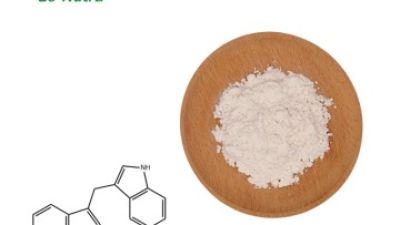
Diindolylmethane (DIM) powder is gaining attention as a functional ingredient for dietary supplements designed to support hormonal balance and natural detoxification. DIM is a bioactive compound derived from cruciferous vegetables and is recognized for its role in estrogen metabolism, helping the body maintain a more favorable balance between estrogen metabolites. According to the Council for Responsible Nutrition’s 2023 consumer survey, 74% of U.S. adults use dietary supplements, highlighting continued demand for targeted wellness ingredients that support women’s health, men’s health, and everyday metabolic wellbeing.

High-quality DIM powder may also be incorporated into formulas addressing premenstrual discomfort, prostate health, and intestinal barrier support. Its potential influence on estrogen pathways makes it especially relevant for PMS-focused products, while ongoing research into gut health suggests value in products designed to support intestinal permeability. Reliable manufacturing and quality control are essential because ingredient purity, particle consistency, and storage stability can affect formulation performance. DIM powder is typically supplied as a white to off-white crystalline powder, with the chemical name Diindolylmethane, CAS No. 1968-05-4, and molecular formula C17H14N2. For bulk applications, it can be packed in vacuum aluminum foil bags or 25 kg fiber drums lined with two food-grade polyethylene bags.

FAQS

How do manufacturers control the quality of sports nutrition ingredients?

They review suppliers and test raw materials before production. Checks may include moisture, identity, purity, and microbial safety. Stainless-steel equipment and calibrated instruments support consistent processing. Small errors spread.

How are protein ingredients commonly processed?

Protein materials may undergo filtration, concentration, drying, and screening. Workers monitor temperature, pressure, humidity, and processing time. Samples should be tested during production, not only after packaging.

How are amino acid ingredients produced?

Many amino acids use fermentation, separation, crystallization, and controlled drying. Each stage can affect purity and moisture. Production records should identify the batch, method, and responsible tester.

What extra checks do botanical ingredients require?

Manufacturers should confirm plant identity and examine pesticide residues, heavy metals, and extraction solvents. They also need clear source records. Details matter.

Which documents should buyers request from suppliers?

Request a current specification sheet, certificate of analysis, allergen statement, and traceability record. Each document should match the product, batch, and manufacturing site. Attractive certificates alone prove little.

How can buyers assess a product sample?

A useful sample arrives sealed, with a lot number and production date. Review powder flow, odor, solubility, packaging, and delivery accuracy. Compare supplier results with independent laboratory findings. One successful sample proves little.

Why are factory records important during supplier evaluation?

Cleaning records may reveal weaknesses hidden by polished presentations. Buyers should review process validation, allergen controls, rejected-batch handling, and corrective actions. Weak documentation remains a concern.

Should buyers place large orders immediately?

A pilot order is safer than an immediate large contract. Check seasonal changes, raw-material sources, storage conditions, and possible subcontracting. I once focused too heavily on price and missed a storage detail. That mistake still matters.

Conclusion

China has become a major source of sports nutrition ingredients because of its broad manufacturing capacity, established agricultural and chemical supply chains, competitive pricing, and ability to produce materials at different scales. The Best Ingredients For Sports Nutrition Supplements may include proteins, amino acids, creatine, carbohydrates, vitamins, minerals, botanical extracts, electrolytes, and functional fibers. Chinese manufacturers commonly use controlled extraction, fermentation, filtration, drying, blending, and purification processes to create consistent ingredients for powders, capsules, tablets, beverages, and nutrition bars.

When evaluating Chinese suppliers, buyers should review raw material traceability, production facilities, quality management systems, testing procedures, certificates, and documentation for purity, identity, stability, and contaminant control. Independent laboratory testing and clear communication about specifications, packaging, storage, and delivery are also important. These ingredients are widely used in products designed to support energy, hydration, muscle recovery, endurance, strength training, and daily nutritional needs, while responsible formulation should always follow applicable safety and labeling requirements.
Oliver

Oliver

Oliver is a dedicated marketing professional with extensive expertise in the research and production of natural, healthy, and innovative raw materials. He plays a crucial role in our company's mission to provide high-quality ingredients for nutraceuticals, food and beverage, as well as cosmetics......
Previous 7 Best Natural Ingredients for Hair Care Formulations