Starting a supplement business might seem pretty straightforward from the outside — pick a product, design a label, and set up an online store. But in reality, every choice you make impacts whether customers trust your brand or not. When it comes to how to get started with a supplement brand, it’s crucial to begin with a clear understanding of your target audience and a product idea backed by solid, credible evidence — no need to promise to solve every single health issue out there. A simple bottle sitting on your kitchen counter might look ordinary, but behind the scenes, its ingredients, directions, and quality checks carry serious responsibility.
Dr. Pieter Cohen, who’s an associate professor at Harvard Medical School and studies supplement safety, has pointed out a big concern: “The FDA’s current system is not working.” That’s not meant to scare you, but it does serve as a warning — don't skip the careful work needed to develop your product. You’ve got to verify what’s in your ingredients, review the safety data, and team up with qualified professionals for manufacturing and regulatory stuff. And don’t forget — your claims should always be honest and well-supported. No matter how eye-catching your packaging looks, it can’t make weak or unproven evidence seem convincing.
Moving forward, you’ll need to focus on things like researching your audience, choosing your product, formulating it properly, handling manufacturing, doing quality testing, branding, and planning your launch. Details really matter here. Ask for proper documentation, check out your suppliers’ practices, and make sure every label element is clear and accurate. For example, if you’re promising “Healthy Start Vitamins Ingredients,” be specific about what that means, and double-check each ingredient you plan to use before putting it into your product descriptions. Keep your goals manageable — some decisions will need to be revisited along the way, and that’s totally normal. Pretending everything’s perfect from the start just slows you down. Building trust takes time, so a thoughtful, well-planned launch beats rushing to market any day.”
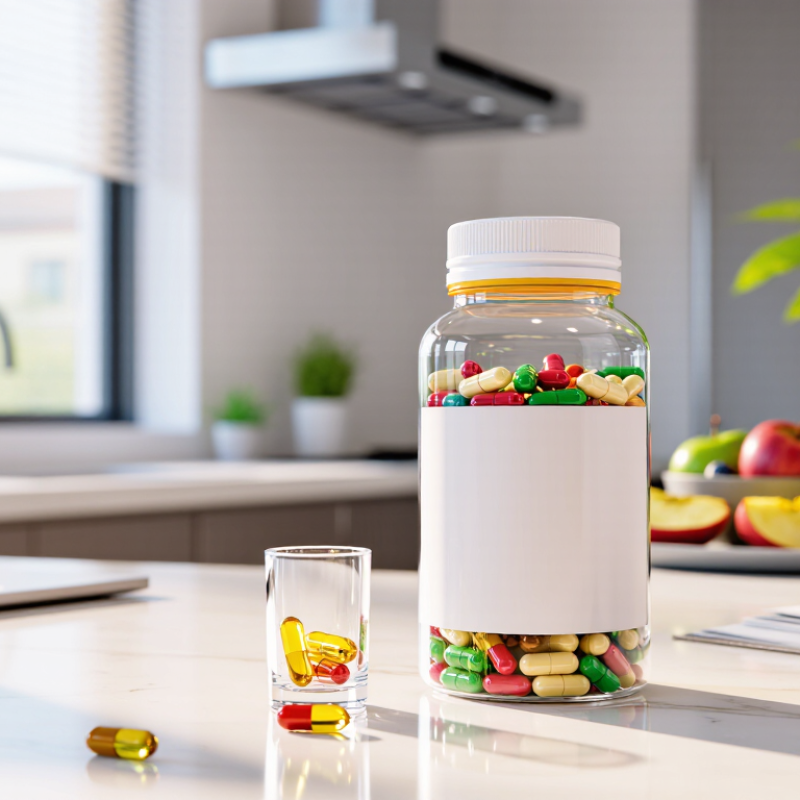
Starting a supplement brand begins with understanding demand, not choosing a fashionable formula. Study search trends, pharmacy shelves, fitness communities, and customer reviews. Look for repeated problems, such as inconvenient routines or unclear serving sizes. Market growth alone is not enough. A crowded category may require stronger evidence and sharper positioning. Speak with qualified nutrition professionals before interpreting consumer comments. Their input can expose safety questions that market data misses.
Choose one product category that matches a specific need and a realistic customer profile. Options may include vitamins, minerals, sports nutrition, or general wellness products. Define the intended use without promising disease treatment. A simple electrolyte powder, for example, must address taste, solubility, serving size, and appropriate use. Ingredient quality matters, but so do dosage transparency and manufacturing controls. Request certificates of analysis, identity testing, contaminant screening, and stability information from potential suppliers. Independent laboratory verification adds useful confidence.
Regulatory review should shape the product before packaging design begins. Check permitted ingredients, labeling rules, allergen statements, and advertising limits in every target market. Claims need credible human evidence, not attractive wording alone. Keep records for sourcing, batch testing, complaints, and adverse-event handling. Your first category choice may still be wrong. That is acceptable. Pilot small quantities, collect structured feedback, and revise based on actual repeat-purchase behavior. A product that looks impressive online may fail beside a kitchen scale, a shaker bottle, or a rushed morning routine.
U.S. adults reporting use of selected dietary supplement categories in the previous 30 days, 2017–2018.
Multivitamin-mineral products were the most commonly reported category in this survey. Categories can overlap because respondents may use more than one type of supplement. Percentages are rounded.
Starting a supplement brand begins with knowing exactly who you serve. “Health-conscious adults” is too broad. Define a real customer, such as a 35-year-old office worker who skips breakfast and wants convenient daily nutrition. Study their routines, concerns, budgets, and preferred formats. Short interviews can reveal useful details, like difficulty swallowing large tablets or distrust of exaggerated claims. Review customer questions, competitor gaps, and relevant nutrition research. Do not rely only on assumptions.
Your positioning should connect this audience with a clear, credible promise. Explain why your product fits their life, whether through simple formulas, transparent sourcing, or easy-to-understand Supplement Components. Each ingredient should have a practical purpose and reliable supporting evidence. Work with qualified nutrition professionals and independent laboratories when evaluating safety, identity, and quality. Keep claims accurate and aligned with applicable regulations. Avoid promising rapid transformations. Real trust grows slowly.
The message should sound specific.
For example, “everyday nutritional support for busy professionals” is stronger than “better health for everyone.” Use packaging language that customers can understand in seconds. A clean label, measured serving instructions, and visible testing information can reduce hesitation. This process is rarely perfect. Early interviews may challenge your original idea, and that is valuable. If the audience cannot explain the benefit clearly, the positioning probably needs more work.
Before developing a supplement, identify the rules in every market where you plan to sell. Requirements can differ by product type, ingredients, and marketing claims. Check current guidance from the relevant official regulators, and consult a qualified regulatory professional when requirements are unclear. Keep dated copies of your research. Rules change.
Build a safety file for each ingredient. Collect supplier specifications, identity records, and available contaminant and stability test results. Use a qualified laboratory when appropriate, and document how results relate to your finished product. Labels may need ingredient amounts, serving directions, allergen information, warnings, and other details. Exact requirements vary. Review every claim against reliable evidence, and avoid language that could imply the product treats or prevents disease. A polished label is not proof of compliance; that is an easy mistake to make.
Tips: Print a draft label at actual size. Check whether serving amounts and warnings are easy to find. Compare every line with the applicable official checklist, then ask an independent reviewer to spot omissions. Leave room for revision. It may feel slow, but correcting a label after production can be costly.
Selecting a manufacturer is the foundation of a credible supplement brand. The Council for Responsible Nutrition’s 2024 Consumer Survey reported that 75% of U.S. adults use dietary supplements. Trust, however, depends on consistent quality. Ask each manufacturer for FDA cGMP compliance under 21 CFR Part 111, recent audit results, testing methods, and sample batch records. Review certificates of analysis carefully. A document alone does not prove reliable testing.
Your formula needs more than an attractive ingredient list. Define the user, intended benefit, serving size, and evidence behind every Supplement Ingredient. Check identity, potency, purity, allergens, heavy metals, microbes, and stability. The NIH Office of Dietary Supplements provides evidence-based fact sheets that can guide ingredient research. Avoid copying a competitor’s formula. It may contain unsuitable doses or weak evidence. A first formula is rarely perfect. Recheck it with a qualified food scientist and regulatory specialist.
Tips: Request pilot batches before signing large purchase orders. Compare lead times, minimum order quantities, packaging options, and change-control procedures. Ask who performs laboratory testing and whether results come from independent laboratories. Keep written specifications for every raw material. Small omissions matter. Grand View Research estimated the global dietary supplements market at about $177.5 billion in 2023, but market size does not guarantee product quality. Document each decision, question unclear results, and revise the formula when new evidence appears.
A supplement brand identity should make its purpose clear before a shopper reads the fine print. Choose a name, color palette, and tone that fit the intended audience, then use them consistently across the website and packaging. A calm palette may suggest simplicity, while crowded graphics can make even a useful product feel confusing. I would revisit one detail often: does the design explain what is inside, or merely look polished?
Packaging should be easy to read under ordinary store lighting. Give the product name, serving information, ingredients, and relevant cautions enough space. Use clear type and strong contrast; tiny text is easy to overlook. Treat product claims with care. Describe only what you can support with reliable evidence, and ask qualified reviewers to check wording before publication. Health Supplement Actives should be presented accurately, without implying guaranteed results or replacing professional advice. Small wording choices matter.
Tips: Print a draft label at actual size and read it from arm’s length. Ask someone unfamiliar with the product what they understand. If they mistake a general description for a promise, revise it. Keep records showing how each factual claim was reviewed. A label can still feel unfinished after several edits; that is a useful reason to pause, not to rush.
| Step | Workstream | Key Actions | Practical Deliverable | Quality and Compliance Check |
|---|---|---|---|---|
| 1 | Define the product and audience | Identify the intended customer, product format, ingredients, serving size, and intended use. Research competing products and confirm that the concept has a clear point of difference. | A concise product brief covering the target audience, proposed formula, intended use, and product format. | Check ingredient identity, safety information, and applicable rules in each intended sales market before committing to a formula or benefit statement. |
| 2 | Build a distinctive brand identity | Choose a name, visual direction, tone of voice, and design system that communicate the product’s intended audience and positioning consistently. | A brand guide with approved logo artwork, colors, typography, messaging principles, and usage examples. | Review name and artwork availability, avoid misleading impressions, and seek appropriate trademark advice before investing in packaging or marketing. |
| 3 | Develop the formula and source ingredients | Work with qualified formulation and manufacturing partners to specify ingredients, amounts per serving, ingredient forms, and product specifications. | A controlled formula specification and ingredient documentation, including supplier records and applicable identity or quality information. | Assess ingredient suitability and safety for the intended use. For U.S. products, determine whether any new dietary ingredient requirements apply before marketing. |
| 4 | Select manufacturing and quality controls | Evaluate manufacturing capabilities, batch documentation, testing arrangements, quality procedures, and the partner’s ability to meet the product specification. | A documented manufacturing plan with agreed specifications, records, release criteria, and a process for handling deviations or complaints. | For U.S. dietary supplements, manufacturing, packaging, labeling, and holding are subject to applicable dietary supplement current good manufacturing practice requirements in 21 CFR Part 111. |
| 5 | Design packaging and required label content | Select a suitable container and closure, check product compatibility, and create a readable label layout. Include required information for the intended market. | Approved packaging artwork and a label-content checklist covering identity, quantity, directions, warnings, ingredients, and contact details as applicable. | For U.S. dietary supplements, review applicable requirements for the statement of identity, net quantity, Supplement Facts, ingredient list, and the name and place of business of the manufacturer, packer, or distributor. |
| 6 | Substantiate product claims | List every proposed claim on labels, websites, advertisements, and social content. Keep claims specific, understandable, and supported by evidence relevant to the product and claim. | A claims register linking each proposed statement to its supporting evidence, approved wording, and review status. | In the United States, dietary supplement claims must not be false or misleading. FDA does not approve dietary supplements or most claims before marketing. Certain structure/function claims require a notification to FDA within 30 days after first marketing and the statutory disclaimer on the label. Other requirements may apply. |
| 7 | Review, launch, and monitor | Complete a final review of the formula, label, packaging, sales materials, and fulfillment plan. Establish a process for customer feedback and product-quality issues. | A launch-readiness checklist, final approved files, traceable batch records, and procedures for complaints and product-related adverse event reports. | Verify that the product and its claims meet the rules in every target market. For U.S. products, maintain applicable records and follow the responsible firm’s adverse-event reporting obligations. |
Choose sales channels around how customers actually shop. The U.S. dietary supplements market was valued at about $67.4 billion in 2024, according to Grand View Research’s U.S. dietary supplements market report. That figure signals scale, not guaranteed demand for a new product. A direct-to-consumer website gives you control over product education and customer feedback. Retail can add reach, but buyers may expect samples, sales history, and reliable restocking. Start with one primary channel and test another only when fulfillment is steady.
Price from the full unit cost, not the ingredient bill alone. Include packaging, testing, shipping, payment fees, returns, and retailer margins. For a B12 Supplement Ingredients product, explain the serving size and ingredient amounts clearly; avoid implying that a higher price proves higher quality. Check comparable products, then test whether customers understand your value. Small test. Real feedback. I would still expect early price assumptions to be wrong.
Distribution needs practical detail. Confirm production lead times, minimum order quantities, shelf-life documentation, and storage requirements before accepting large orders. Set reorder points using actual weekly sales, not optimism. Keep a small buffer for delays, but avoid tying up cash in slow-moving stock. A simple spreadsheet can track batches, inventory, and delivery dates. It is not sophisticated. It can still prevent an empty shelf or an expensive pile of unsold product.
A supplement brand begins with a clear reason to exist, not a polished label. Define your audience and the specific need your product is designed to support. Keep claims measured and evidence-based; supplements should not be presented as cures or substitutes for professional care. Trust starts early. Work with qualified formulation and regulatory professionals, and check that ingredient choices, serving directions, warnings, and claims fit the markets you plan to enter.
Before launch, ask an independent laboratory to assess product identity, potency, and contaminants using methods appropriate to the formula. Keep dated records for ingredient suppliers, specifications, test results, and production batches. Customers may never see that paperwork, but it helps you answer questions clearly when a label or shipment is challenged. Make the label readable: use legible type, explain serving amounts plainly, and disclose relevant allergens and other required information. Requirements vary by location, so review each market rather than copying one label everywhere.
Your website should show what you know and what you do not know. Explain how the product is made, where quality checks occur, and how customers can contact a real person. Avoid dramatic before-and-after promises. They can sound persuasive, but they weaken credibility. Invite questions, respond without defensiveness, and update public information when evidence or sourcing changes. A launch can feel rushed; an unclear instruction may slip through. Treat those moments as signals to review the process, not details to hide.
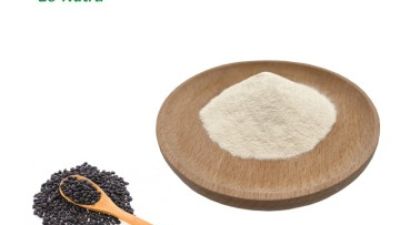
Hydrolyzed black bean protein powder is a plant-based option for adding protein to a smoothie, beverage, protein bar, or other functional food. Made from *Glycine max*, it has a white to off-white appearance and is described as a source of black bean peptides. Hydrolysis breaks proteins into smaller peptides, but the powder’s protein content per serving should be checked on its product specification or label before use.
For a practical supplementation plan, consider your total daily protein intake rather than relying on a single powder. The International Society of Sports Nutrition’s 2017 position stand reports a daily intake of 1.4–2.0 grams of protein per kilogram of body weight for most exercising individuals. The amount needed from a supplement therefore depends on body weight, training, and protein from meals. Mixed into a smoothie after exercise or alongside a meal, the powder can contribute to a routine intended to support muscle growth and recovery; it may also fit weight-management plans when included in an overall balanced diet.
The powder is suitable for sports nutrition and health-care supplement formulations, as well as protein drinks and bars. Store it sealed in a cool, dry place away from direct sunlight, heat, and humidity. Under these conditions, its stated shelf life is generally 24 months.
Start with repeated customer needs, not fashionable formulas. Study search trends, pharmacy shelves, fitness communities, and customer reviews. Look for problems like unclear serving sizes or inconvenient routines. A popular category may still be overcrowded. Our first choice may be wrong.
Describe one realistic user and one specific need. Consider daily habits, preferred format, budget, and likely usage time. For example, a busy adult may prefer a powder that dissolves quickly. Keep the intended use clear. Avoid disease-treatment promises.
Review every ingredient’s identity, dose, purity, allergens, heavy metals, microbes, and stability. Confirm that the proposed amount matches available human evidence. Ask a qualified food scientist to review the formula. Attractive labels are not enough.
Request certificates of analysis, identity testing, contaminant screening, and stability information. Ask for recent audit results and sample batch records. Check who performed each test. A document alone does not prove reliable testing.
Pilot batches reduce the risk of large purchasing mistakes. Test taste, mixing, packaging, serving size, and production consistency. Use a kitchen scale and shaker bottle during practical trials. Small tests reveal awkward details. They can also expose weak assumptions.
Confirm compliance with applicable manufacturing standards and written quality procedures. Review raw-material specifications, change-control processes, lead times, and minimum order quantities. Independent laboratory verification adds confidence. Still, no system removes every uncertainty.
Check permitted ingredients, labeling rules, allergen statements, and advertising limits in every target market. Support claims with credible human evidence. Keep records for sourcing, batch testing, complaints, and adverse-event handling. Packaging should come later.
Collect structured feedback about taste, texture, convenience, and repeat use. Compare opinions with actual repeat-purchase behavior. A product may look impressive online but fail during a rushed morning routine. Review the evidence, then revise carefully.
How To Start A Supplement Brand begins with understanding the market and selecting a product category that meets a clear consumer need. Define your target audience and positioning before developing the product, so your formula, messaging, and customer experience feel relevant and consistent. Research applicable regulations, safety standards, and labeling requirements early, and work with a qualified manufacturer to create a product that meets appropriate quality expectations.
Next, build a distinctive brand identity and packaging, using clear, responsible product claims that can be substantiated. Plan your sales channels, pricing, and distribution to make the product accessible to your intended customers. After launch, focus on transparent communication, reliable service, and useful educational content. These steps can help establish customer trust and support steady, sustainable growth as you learn from feedback and refine your approach.