Leave Your Message
0%

Thinking about starting a supplement brand? Well, it all begins with a clear product promise—you know, something real that sets you apart, not just a flashy bottle. Did you know that the global dietary supplements market was valued at around USD 177.5 billion in 2023? And experts are pretty optimistic about strong growth through 2030. That kind of opportunity draws in all sorts—seasoned manufacturers and maybe some less careful middlemen. Your first big job? Figuring out who’s who, honestly.
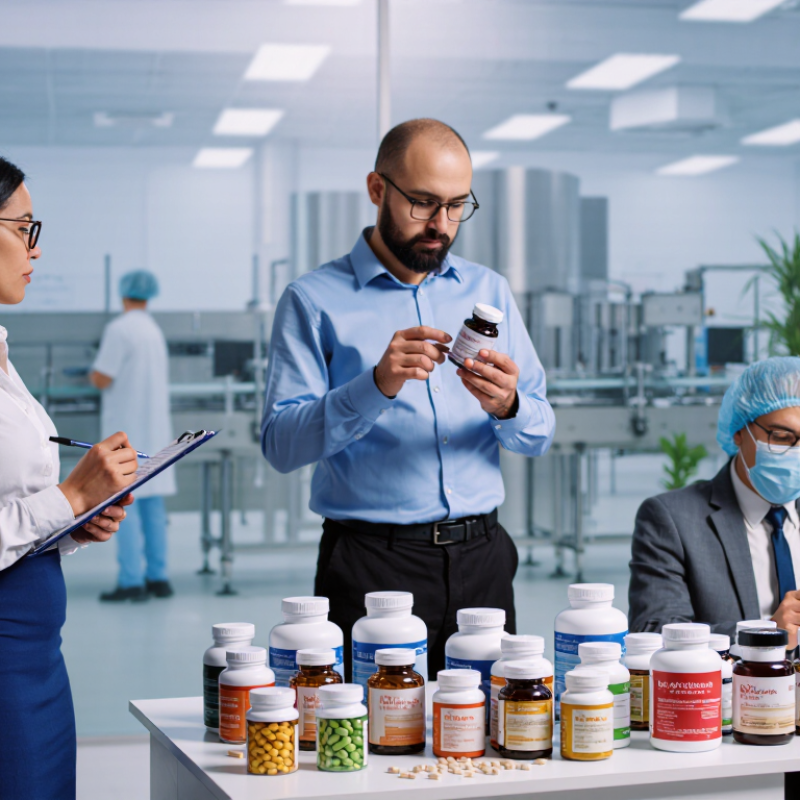
How To Start A Supplement Brand With A China Supplier?

Define Your Supplement Brand Concept and Target Market

A supplement brand starts with a clear promise, not a colorful bottle. Define the customer, their daily routine, and the problem your product may support. A busy office worker may prefer single-serve sachets, while an older customer may value easy-to-swallow tablets. These details shape the formula, packaging, price, and communication style.

My first product concept was too broad. It tried to serve athletes, parents, and office workers at once. That made the message weak and product decisions confusing. A smaller target market is usually easier to understand. Interview potential customers about habits, dietary preferences, serving formats, and buying concerns. Do not rely only on online opinions. Real conversations often reveal uncomfortable gaps.

When discussing production with a China supplier, share a precise product brief. Include ingredient specifications, serving size, packaging material, testing expectations, and acceptable quality limits. Ask for batch records, laboratory reports, factory credentials, and clear manufacturing timelines. Independent testing can verify identity, purity, contaminants, and label accuracy. Requirements vary by market, so consult a qualified regulatory professional before selling. Avoid medical promises, especially when evidence is limited. A supplier may offer a popular formula, but popularity does not prove suitability. Review the concept again after receiving technical feedback. Sometimes the best decision is changing the product before placing a large order.

Research China Suppliers and Verify Their Manufacturing Capabilities

How To Start A Supplement Brand With A China Supplier?

Researching China suppliers requires more than comparing prices or browsing polished factory photos. Photos are not proof. Request the supplier’s legal registration, manufacturing certifications, product categories, and recent audit records. Confirm that the facility actually produces supplements, not only packaging materials. Ask for sample batch records, ingredient specifications, allergen controls, and documented quality procedures. A professional supplier should answer clearly and provide consistent evidence.

Order samples from the same production line used for commercial batches. Compare the label, color, taste, weight, and packaging against the approved specification. Ask for certificates of analysis from an independent laboratory, then verify key results when practical. Testing may include identity, purity, microbial limits, heavy metals, and stability. Ask how each ingredient is traced from receiving to finished goods. That gap matters.

A factory visit can reveal clean storage areas, calibrated scales, and controlled temperature zones. However, a polished tour can still hide weak documentation. Do not rely on one meeting. Speak with quality staff, inspect batch records, and check whether corrective actions are completed on time. I would also request a small pilot run before committing to large quantities. It may feel slower, but it exposes problems with mixing, filling, or sealing early. Keep written records of every promise, because informal assurances often become difficult to verify later.

Choose Product Formulas, Ingredients, Packaging, and Quality Standards

How To Start A Supplement Brand With A China Supplier?

A successful supplement brand starts with a controlled product brief, not a glossy label. Define the product form first, such as capsules, powder, liquid, or chewables. Each form affects stability, production equipment, shipping, and consumer use. List every Supplement Components with its source, specification, serving size, and testing requirement. Avoid vague terms like “premium blend.” Request exact botanical names and standardized active levels. A qualified supplier should explain raw material identity, allergen controls, and storage conditions clearly.

Ask for laboratory reports before approving samples. A certificate of analysis should match the specific batch, not a generic file. Check identity, purity, microbial limits, heavy metals, and unwanted contaminants through independent testing when appropriate. Review the supplier’s GMP system, traceability records, production license, and recall procedure. I have learned this the hard way: a smooth factory tour does not prove consistent quality. Sample approval is only one checkpoint.

Packaging needs equal attention. Select materials that protect the formula from moisture, oxygen, and light. A desiccant may help capsule products, while opaque containers can protect sensitive ingredients. Confirm seal strength, closure torque, label durability, and transport performance. Ask for stability data under realistic temperature and humidity conditions. Keep written specifications for color, taste, fill weight, and packaging dimensions. Small inconsistencies matter. They can expose weak process control.

Set acceptance limits before production begins. Include batch coding, retained samples, complaint handling, and shipment inspection in the agreement. Recheck claims and label requirements for each target market. A low unit price can hide expensive testing, reformulation, or damaged packaging later.

Request Samples, Review Certifications, and Test Product Safety

Starting a supplement brand with a China supplier requires evidence, not attractive product photos. The 2024 Council for Responsible Nutrition Consumer Survey reported that 75% of U.S. adults use dietary supplements. That demand increases responsibility. Request samples from at least two production batches. Compare color, odor, texture, fill weight, and packaging seals. Record every difference. Small variations matter.

Ask for the complete Supplement Ingredient specification before approving a formula. It should show identity, strength, source, allergens, and testing limits. Request recent certificates of analysis for microbiology, heavy metals, pesticides, and unwanted contaminants. A certificate from an independent laboratory carries more weight than an internal spreadsheet. Check the laboratory’s accreditation and contact details. FDA dietary supplement rules require manufacturers to follow current Good Manufacturing Practice requirements under 21 CFR Part 111. Review whether the facility actually follows documented procedures.

Do not rely on one successful sample. Send sealed samples to an independent laboratory near your market. Test active content, microbial safety, disintegration, and stability. Ask for batch records, traceability codes, cleaning logs, and recall procedures. The Global Organization for EPA and DHA Omega-3s reports that oxidation testing is important for oil-based products, yet it is often overlooked. That is a useful warning. A polished report can still hide weak controls. I would also inspect the factory remotely or in person. Photos are not proof. The process may look imperfect, and that is precisely why repeated verification matters.

Negotiate Pricing, Minimum Orders, Contracts, and Production Timelines

Starting a supplement brand with a China supplier requires more than comparing quotations. Ask for a detailed price breakdown covering ingredients, processing, packaging, testing, and shipping terms. For Health Supplement Actives, request specifications, recent laboratory reports, and clear batch traceability. A low unit price can hide expensive testing or oversized packaging requirements.

Negotiate the minimum order quantity around your realistic sales forecast. You might request a smaller pilot batch, even if the unit cost increases slightly. Put every agreement into a contract. Include product specifications, approved samples, payment stages, quality inspection rights, ownership of artwork, and procedures for rejected goods. Define what happens when an ingredient, color, or package changes without written approval. I once underestimated packaging lead time. That mistake affected the launch date.

Tips: Build a production timeline with sample approval, material purchasing, manufacturing, testing, and final inspection. Add at least two weeks of buffer. Ask the supplier to confirm each milestone in writing, not only through casual messages. Clarify whether delays caused by failed testing will be corrected at the supplier’s cost. Keep records of invoices, test results, revisions, and shipment documents. Small details matter. A signed contract helps, but regular quality checks remain essential.

How To Start A Supplement Brand With A China Supplier? - Negotiate Pricing, Minimum Orders, Contracts, and Production Timelines

Negotiation Dimension Typical Starting Range Practical Target for a New Brand Key Terms to Confirm Recommended Action
Initial product sample 7–21 calendar days One laboratory or pilot sample before committing to production Formula version, serving size, flavor, packaging format, sample fee, shipping cost Approve the sample in writing and assign it a revision number.
Private-label MOQ 500–2,000 units per SKU 500–1,000 units per SKU for a market test MOQ by SKU, flavor, dosage, package size, label version, and production batch Ask whether mixed flavors or shared packaging components can reduce the MOQ.
Custom formulation MOQ 1,000–5,000 units per SKU Start with an existing compliant formula where possible Formula ownership, exclusivity, development charges, stability testing, reformulation fees Use a written formula specification with exact ingredient amounts and tolerances.
Indicative unit-price negotiation Often 5%–15% lower at higher volumes Request tiered pricing at 500, 1,000, 3,000, and 5,000 units Incoterm, packaging, testing, artwork, freight, duties, payment fees, and validity period Compare like-for-like quotations with identical specifications and delivery terms.
Packaging and labels 10–30 calendar days after artwork approval Use stock bottles, pouches, or cartons for the first order Material, dimensions, print colors, barcode, allergen statements, language, packaging loss allowance Require a digital proof and, for important launches, a physical pre-production proof.
Testing and quality control 5–15 business days, depending on tests Batch-level Certificate of Analysis before shipment Identity, potency, microbiology, heavy metals, allergens, contaminants, sampling method, laboratory credentials Define pass/fail limits and independent inspection rights in the purchase agreement.
Production lead time 20–45 calendar days after approval and deposit Agree on a written schedule with milestone dates Material arrival, blending, filling, labeling, testing, final inspection, release, shipment Add a 10%–20% schedule buffer for packaging delays, testing, and freight.
Payment structure Commonly 30% deposit and 70% balance Balance payable after passing inspection and receiving required documents Deposit trigger, balance trigger, bank fees, refund conditions, late-delivery remedy Avoid paying the full balance before quality approval unless risk is specifically managed.
Contract duration and renewal 12 months is a practical initial term Renew only after performance, quality, and delivery review Pricing review, notice period, termination rights, confidentiality, governing law, dispute process Use a master agreement plus a product specification and purchase order for each batch.
Defect and shortage policy Define acceptance before production Replacement, credit, or refund for verified nonconforming goods Defect classification, inspection window, evidence required, remedy deadline, return freight Include a written inspection standard instead of relying on general “good quality” language.
Shipping and landed cost Air freight: generally faster; ocean freight: generally lower per unit Calculate product, packaging, testing, freight, duty, customs, storage, and fulfillment Incoterm, shipping point, insurance, export documents, importer of record, customs responsibility Use one landed-cost worksheet before accepting the supplier quotation.
Reorder planning Reorder 60–90 days before expected stockout Maintain safety stock based on sales velocity and lead time Reserved capacity, price validity, ingredient availability, shelf life at delivery, forecast accuracy Share a non-binding forecast while keeping firm purchase commitments separate.

Planning note: The ranges above are general industry planning benchmarks for supplement production and should be confirmed against the selected product format, formula, destination-market regulations, packaging requirements, testing scope, and shipping method.

Manage Manufacturing, Quality Control, Shipping, and Import Compliance

Starting a supplement brand with a China supplier requires more than selecting a low factory quote. The 2024 CRN Consumer Survey reported that 75% of U.S. adults use dietary supplements. That demand increases pressure on documentation, consistency, and delivery. Before production, request the supplier’s manufacturing license, batch records, allergen controls, and recent independent audit reports. Review the formula line by line, including B12 Supplement Ingredients, dosage, excipients, and testing methods.

Use a written quality agreement. It should define identity, potency, microbial limits, heavy metals, packaging controls, and change approval. Ask for a certificate of analysis for every batch, not only a sample. Independent laboratory testing is still valuable. A printed certificate cannot prove what is inside the bottle. FDA dietary supplement cGMP rules under 21 CFR Part 111 require specifications, records, and finished-product testing. However, supplier paperwork may be incomplete or poorly translated. I have seen small details become expensive delays.

Shipping and import compliance need equal attention. Confirm the commercial invoice, packing list, harmonized tariff classification, country of origin, and product labels before loading. For U.S. imports, the importer should assess FSVP responsibilities and maintain supporting supplier records. The 2023 Resilinc EventWatch report recorded more than 2,000 supply-chain disruption events worldwide, showing why backup freight plans matter. Keep temperature-sensitive cartons away from direct heat, photograph pallet seals, and verify lot numbers at arrival. Build a realistic buffer. Production schedules rarely survive every inspection, port delay, or document correction.

FAQS

What should I define before choosing a supplement supplier?

Define the product form first: capsule, powder, liquid, or chewable. Each form affects stability, equipment, shipping, and daily use. List every ingredient, source, specification, serving size, and testing requirement. Avoid vague phrases like “premium blend.” Be exact.

How can I verify the ingredients?

Request exact botanical names and standardized active levels. Ask how the supplier confirms identity, purity, allergens, and storage conditions. Review the formula line by line, including excipients and dosage. A general ingredient description is not enough.

What laboratory documents should I request?

Request a batch-specific certificate of analysis before approving production. It should cover identity, potency, microbes, heavy metals, and unwanted contaminants. Independent laboratory testing adds another useful checkpoint. Paperwork can still be incomplete.

Does approving a sample prove consistent quality?

No. Sample approval checks only one production stage. Review manufacturing licenses, batch records, traceability, audits, and recall procedures. A clean factory visit does not prove every batch will match. I learned that the hard way.

What should a written quality agreement include?

Define identity, potency, microbial limits, heavy metals, packaging controls, and change approval. Include batch coding, retained samples, complaints, shipment inspection, and acceptance limits. Require written approval before formula or packaging changes. Small details become expensive later.

How should packaging protect the product?

Choose materials that reduce moisture, oxygen, and light exposure. A desiccant may help capsules. Opaque containers may protect sensitive ingredients. Check seal strength, closure torque, label durability, and transport performance. Test packaging under realistic heat and humidity.

What should I check before shipping?

Confirm the commercial invoice, packing list, tariff classification, origin, and product labels. Verify carton temperature requirements and photograph pallet seals before loading. Match lot numbers with documents when goods arrive. Keep a backup freight plan. Delays happen.

How can I reduce import and delivery problems?

Review target-market label rules and importer responsibilities before production. Keep supplier records, testing documents, and corrected translations together. Build time for inspections, port delays, and document changes. A low unit price may hide costly delays. My planning was not perfect.

Conclusion

How To Start A Supplement Brand begins with a clear concept, defined target audience, and product positioning based on legitimate consumer needs. Entrepreneurs should research reliable China suppliers, verify their manufacturing capabilities, and evaluate experience with relevant supplements. They must also determine suitable formulas, ingredients, packaging, labeling, and quality standards that support product consistency and customer trust.

Before placing an order, request samples, review certifications, and arrange appropriate safety and quality testing. Detailed negotiations should cover pricing, minimum order quantities, contracts, payment terms, production schedules, and responsibilities for resolving defects. During manufacturing, maintain regular communication and use documented quality-control procedures. Finally, coordinate inspections, shipping, storage, customs documentation, and import requirements in the destination market. A successful supplement brand depends on careful supplier selection, transparent operations, compliant products, and consistent oversight from product development through delivery.
Sophie

Sophie

Sophie is a dedicated professional marketer with a profound expertise in the natural and innovative raw materials industry. As part of a forward-thinking company that specializes in the research, production, and marketing of high-quality nutraceuticals, foods, beverages, and cosmetics, she brings a......
Previous China Top 10 Plant Concentrate Manufacturers for Global Buyers
Next China Best Plant Concentrate Suppliers for Global Buyers?