Choosing a reliable supplier for Plant Concentrate isn't just about comparing prices or flipping through sleek brochures. Buyers around the world need consistency—things like steady strength, clear documentation, and solid proof behind each spec. Sure, a supplier might have an eye-catching powder, but if batch-to-batch differences pop up, it can throw off flavor, color, how well it dissolves, and even your whole production schedule.
Dr. Mark Messina, a well-respected expert in plant-based nutrition, once said, “Soyfoods can be part of a healthy diet.” That really hits home—it’s a reminder that when it comes to plant ingredients, you gotta look at how it’s intended to be used, not just buy into marketing hype. For those sourcing these products, it’s crucial to check the botanical ID, extraction processes, carrier materials, moisture content, microbial safety, heavy metal testing, and allergen controls. And don’t forget to verify if the supplier can trace the product from farm all the way to your finished concentrate.
Good suppliers are usually upfront about where their raw materials come from and how they process them. They share certificates, keep samples for testing, and answer your questions without vague promises. Some might even support pilot trials, private labeling, and international shipping—while others might not. That kind of difference really counts.
Let’s be honest: the market isn’t perfectly transparent yet. Even seasoned buyers can sometimes overlook issues like stability during shipping—especially in humid climates. Something that looks perfect in a lab might behave very differently when mixed into a drink, capsule, sauce, or snack. This guide takes a closer look at top suppliers, their quality systems, documentation practices, and what you should consider when choosing partners globally. And here’s a little reality check: the cheapest quote now might end up costing you more later on, thanks to reformulation, delays, or rejected batches. So, it pays to think long-term.
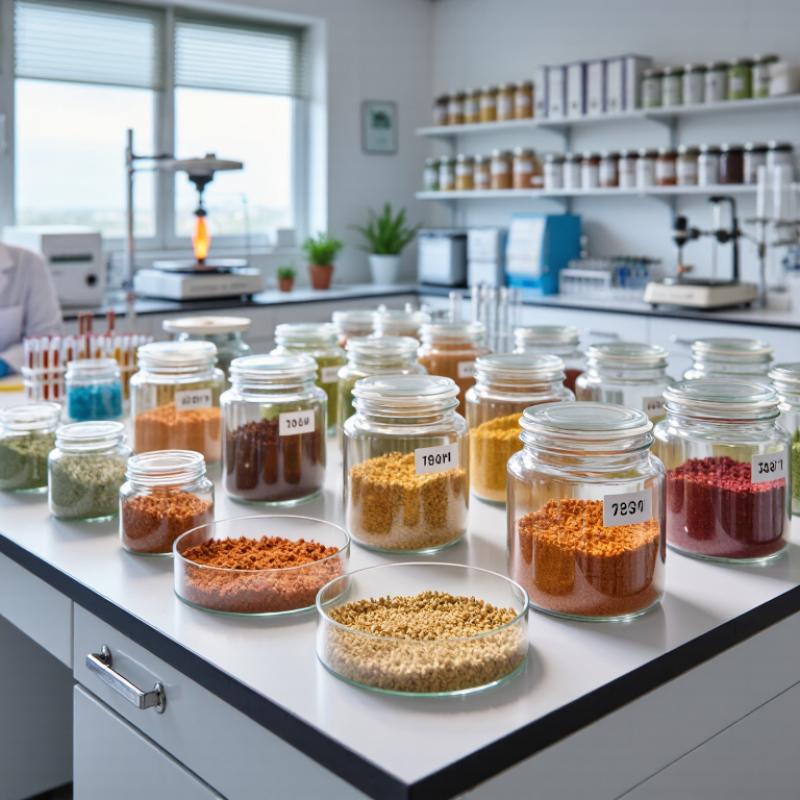
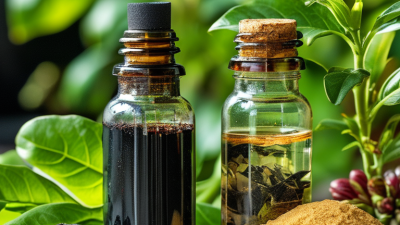
Plant concentrates are refined ingredients made by separating useful components from plants. They may contain protein, fiber, natural pigments, minerals, or aromatic compounds. Common sources include peas, rice, soy, herbs, fruits, and grains.
The production method matters. Suppliers may use water extraction, filtration, drying, or gentle concentration to protect color and functionality. Buyers should check the raw material, extraction process, moisture level, solubility, and microbiological results. A clean specification sheet is essential. Do not rely on a attractive sample alone. Batch consistency can change with harvest conditions.
China is a practical sourcing market because it offers diverse crops, established food-processing facilities, and large-scale quality-control systems. Experienced suppliers can provide certificates of analysis, allergen statements, traceability records, and export documentation. Factory audits still matter. A polished document cannot replace a production-floor inspection.
Wpc 80 Whey Protein Concentrate is different. It is a dairy ingredient, not a plant concentrate, so buyers should confirm the category before requesting quotations. This distinction prevents labeling and formulation errors. China may offer competitive pricing, but low cost can hide weak testing or unstable supply. I have found that clear specifications, retained samples, and independent verification create better results than promises alone. The process is not flawless. Reflecting on failed batches helps buyers improve questions before the next order.
Defining quality standards begins with measurable specifications, not attractive supplier presentations. The Good Food Institute’s 2023 State of the Industry report valued global plant-based food retail sales at approximately US$29 billion. That growth increases pressure on concentrate suppliers. Buyers should request protein content, moisture, ash, solubility, particle size, and microbiological limits for every batch. Protein testing should follow recognized AOAC methods, while certificates of analysis should show test dates, methods, and laboratory accreditation.
Traceability must cover the crop, processing site, transport conditions, and packaging lot. Suppliers should provide HACCP records, allergen controls, pesticide screening, heavy-metal results, and evidence of an ISO 22000-based food safety system. The European Food Safety Authority and Codex standards can guide contaminant and labeling requirements. “Clean label” is not a test method. It needs definition.
Functional performance also matters. A concentrate may meet 80% protein yet fail in a beverage because of sediment, bitterness, or poor heat stability. Request pilot samples and test them under realistic conditions. Include pH, temperature, storage time, and mixing equipment. Hydrolysed Whey Protein Concentrate should not be treated as a plant ingredient; it is dairy-derived and requires separate allergen and labeling controls. I have seen specifications overlook this distinction. That is a costly weakness. Independent verification remains wise, especially when supplier data looks unusually perfect.
China’s plant concentrate industry is shaped by geography, climate, and processing experience. Yunnan is known for tea, flowers, and highland botanicals. Its dry air can support careful drying, although seasonal moisture still requires strict storage controls.
Guangxi and Guangdong specialize in tropical crops, including citrus, sugarcane, ginger, and fruit ingredients. Guangxi offers strong agricultural output and competitive raw material access. Guangdong adds mature food-processing infrastructure, export experience, and convenient port logistics. Zhejiang and Jiangsu are notable for tea concentrates, plant-based food ingredients, and standardized extraction equipment. Their factories often provide clearer batch records and more consistent filtration processes.
Regional labels are useful, but they are not guarantees. A supplier near the crop source may reduce transport time, yet its quality system may be less developed. Before purchasing, global buyers should review botanical identity, solvent declarations, pesticide testing, heavy-metal reports, microbiological results, and batch-to-batch specifications. Ask for a recent sample, not only a product brochure. Check color, aroma, solubility, and sediment after storage. Small details matter. Some suppliers still describe concentration ratios too loosely, which can create avoidable misunderstandings. A practical audit should examine raw-material traceability, warehouse humidity, cleaning records, and export documentation. Local expertise helps, but documented evidence deserves greater trust.
Choosing the best plant concentrate supplier in China requires more than comparing prices. Certifications should match the product, facility, and intended market. Check the certificate number, issuing body, validity date, and certified scope. A food safety certificate may not cover every extraction process.
Ask for recent test reports from qualified, independent laboratories. Review identity, purity, microbiological limits, heavy metals, pesticides, and solvent residues. Results should include batch numbers and testing dates. Vague reports create unnecessary risk. During supplier audits, request production records, sanitation procedures, and sample retention details. Real evidence matters more than polished presentations.
Tips: Follow one batch from raw material intake to final packaging. The supplier should show harvest records, lot codes, processing dates, and warehouse movements. Test samples from different lots, not only the best-looking sample. Confirm that corrective actions are documented when results fail. Traceability systems can look complete but still contain gaps. I have seen missing transfer records delay investigations, even at organized facilities. That weakness deserves attention. Ask who approves suppliers, who releases batches, and how changes are communicated. Clear answers usually reveal operational maturity.
A practical, brand-neutral evaluation framework for comparing plant concentrate suppliers.
| Evaluation Area | Recognized Standard or Evidence | What Buyers Should Verify | Recommended Acceptance Criteria | Traceability or Testing Record | Buyer Risk Level |
|---|---|---|---|---|---|
| Food Safety Management | ISO 22000 or an equivalent independently audited food-safety system | Certificate scope, production site, validity period, and certification body | Certificate must cover the actual manufacturing location and relevant product category | Current certificate, audit report summary, corrective-action records | High |
| GMP and Hygiene Controls | Good Manufacturing Practice procedures and documented sanitation programs | Personnel hygiene, allergen control, pest control, cleaning validation, and foreign-material controls | Written procedures implemented on the production floor and supported by records | Sanitation logs, environmental monitoring results, training records, internal audits | High |
| HACCP Risk Analysis | HACCP plan based on hazard analysis and critical control points | Biological, chemical, and physical hazards identified for raw materials and processing steps | Critical limits, monitoring responsibilities, deviation handling, and verification activities documented | HACCP flow chart, monitoring forms, deviation reports, verification records | High |
| Product Identity and Authenticity | Botanical identification, specification sheet, and validated identity method | Scientific name, plant part, extraction solvent, concentration ratio, marker compounds, and excipients | Product description must match the purchase specification and applicable destination-market rules | Macroscopic or microscopic identification, chromatographic fingerprint, reference standard data | High |
| Certificate of Analysis | Batch-specific COA issued by the manufacturer or an independent laboratory | Batch number, test dates, methods, results, specifications, approval signature, and laboratory identity | COA values must correspond to the shipped batch rather than a generic template | Raw data or report reference available for critical parameters and nonconformities | High |
| Microbiological Safety | Validated microbiological methods appropriate to the product and intended use | Total aerobic count, yeast and mold, specified pathogens, and product-specific indicator organisms | Limits should be defined in the product specification and aligned with destination-market requirements | Batch test report, sampling plan, method reference, and laboratory accreditation status | High |
| Contaminant Testing | Risk-based testing for heavy metals, pesticides, mycotoxins, residual solvents, and other relevant contaminants | Analytes, detection limits, analytical methods, sampling approach, and compliance limits | Results must meet the stricter applicable requirement when multiple markets are served | Independent laboratory report, method validation information, and out-of-specification procedure | High |
| Allergen and GMO Status | Allergen declaration and GMO statement supported by supplier controls or testing where appropriate | Cross-contact controls, shared equipment, processing aids, and regional labeling requirements | Written declarations must match the formulation, facility practices, and shipping documentation | Supplier questionnaire, raw-material declarations, cleaning records, and analytical results when required | Medium |
| Organic Certification | Valid organic certificate issued under the applicable market or regulatory scheme | Certificate scope, product listing, handling site, transaction certificate requirements, and expiration date | The exact product and processing site must be included; an individual raw-material certificate may not be sufficient | Organic certificate, input approval records, segregation logs, mass-balance documents | Medium |
| Supply-Chain Traceability | One-step-back and one-step-forward traceability system | Origin region, farm or collector records, incoming lot, production batch, packaging lot, and customer shipment | Supplier should demonstrate a documented mock recall within a defined response period | Lot genealogy, receiving records, batch manufacturing record, warehouse and dispatch logs | High |
| Change Control | Formal change-control and customer-notification procedure | Changes to plant source, extraction process, excipients, equipment, test methods, or manufacturing site | Material changes should be assessed, documented, and communicated before implementation | Change request, impact assessment, requalification results, revised specification, notification record | Medium |
| Stability and Shelf Life | Real-time or accelerated stability data appropriate to the product format and packaging | Moisture, color, marker compounds, microbiology, oxidation indicators, and storage conditions | Shelf life must be supported by documented data rather than a standard commercial assumption | Stability protocol, time-point results, packaging specification, storage and transport conditions | Medium |
| Independent Audit Readiness | On-site audit access or a credible third-party audit report | Facility capacity, subcontractors, laboratory controls, complaint handling, recall process, and CAPA effectiveness | Critical findings should be closed with documented corrective and preventive actions before approval | Audit agenda, findings, CAPA plan, closure evidence, and follow-up verification | High |
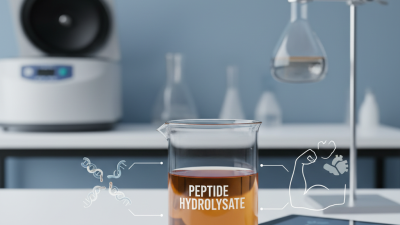
Chinese plant concentrate suppliers often serve buyers with different formulation goals. Their portfolios may include pea, rice, soy, oat, and other plant-based powders. The phrase Protein Concentrate Isolate Hydrolysate usually describes different processing levels, not one identical product. Concentrates retain more natural components. Isolates provide higher protein content. Hydrolysates use partial enzymatic breakdown for easier dispersion.
Customization can start with protein percentage and particle size. Suppliers may adjust mesh size, powder density, flavor, color, and solubility. A beverage maker might request a fine powder that disperses in cold water. A nutrition bar producer may need lower moisture and stronger binding. Some suppliers also offer natural flavors, sweetener-free versions, and allergen-control production. Packaging options can include 20-kilogram bags, smaller trial packs, or private-label cartons.
Reliable sourcing requires more than a polished sample. Ask for a current specification sheet, certificate of analysis, microbiological results, heavy-metal testing, and allergen statements. Confirm whether tests apply to the exact production batch. In practice, sample performance can change after scale-up. That part is easy to underestimate. Buyers should review country-specific food rules, permitted claims, labeling duties, and import documents with qualified specialists. Factory audits, video inspections, and traceable batch codes add useful evidence. Still, no supplier process is perfect, and buyers should record failed tests, unexpected sediment, or delayed responses before signing a long-term agreement.
Choosing China’s best Plant Extract suppliers requires more than comparing the lowest quotation. Grand View Research estimated the global botanical extracts market at about USD 6 billion in 2023, with continued annual growth. Rising demand can increase raw-material prices, especially for seasonal plants. Ask whether quotes are based on EXW, FOB, or delivered costs. Then check extraction yield, assay level, solvent use, testing fees, and packaging. A low price may hide higher costs for certificates or repeated quality testing.
Minimum orders should match your sales forecast, not only your budget. Many suppliers quote separate MOQs for standard powder, liquid concentrate, and customized formulas. Request a sample batch, pilot-batch price, and production lead time in writing. For capacity, compare monthly output with documented batch records, equipment type, and available storage. The China Chamber of Commerce data reports strong growth in Chinese botanical-product exports, but export volume does not prove capacity for one specific extract. Verify it directly.
A practical comparison table helps. Record price per kilogram, MOQ, annual capacity, lead time, test methods, and rejection terms. For example, a supplier offering 500 kilograms quickly may be more useful than one offering a lower price at 5,000 kilograms. Capacity claims can be optimistic. I would also ask for two recent COAs and a traceability sample before signing. That extra check feels slow, but it can expose inconsistent marker compounds, weak documentation, or unstable supply planning.
China Best Plant Concentrate Suppliers for Global Buyers?
When evaluating Chinese plant concentrate suppliers, export capability matters as much as product quality. Ask for a complete specification sheet, recent certificate of analysis, and batch traceability records. Check the botanical name, extraction ratio, carrier materials, moisture level, and contaminant limits. Do not rely on a polished sample alone. A sample can hide production inconsistency.
Export documents should match the physical shipment. Verify the commercial invoice, packing list, certificate of origin, HS classification, and agreed Incoterms. Some products may also require safety data sheets or additional destination-country documents. Requirements differ between markets. Confirm them before production, not at the port. A low quotation may exclude testing, customs handling, or temperature-controlled transport.
Packaging needs practical attention. Moisture-sensitive powders often need sealed inner liners, strong cartons, and pallet protection. Light-sensitive materials may require opaque packaging. Request photos of filled bags, labels, seals, and pallet loading. Labels should show batch numbers, net weight, storage conditions, and production dates. For food, cosmetic, or supplement applications, review allergen statements and restricted-substance controls with a qualified regulatory professional. Suppliers with audited facilities and documented corrective actions offer stronger reliability. Still, no audit replaces independent testing. Buyers should test pre-shipment samples and retain a sealed reference sample. This step costs time, but skipping it can create expensive disputes. Packaging preferences also deserve review; oversized bags may reduce freight cost but complicate warehouse handling.
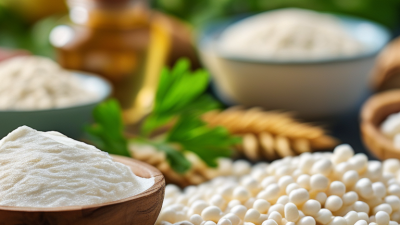
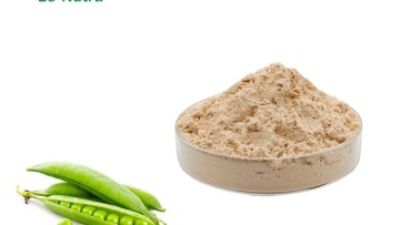
Premium pea protein offers a practical way to add plant-based nutrition to everyday meals while supporting a more sustainable approach to protein consumption. Made from peas, this yellowish powder provides high-value protein in two specifications, 80% and 85%, making it suitable for different formulation needs. It also contains vitamins, helping manufacturers create nutritious products for active lifestyles and balanced diets.
With its neutral, versatile format, pea protein powder can be blended into protein bars, solid drinks, vegetable protein beverages, grain-based foods, and other nutritional products. It can also be used in feed applications where a reliable plant protein source is required. For daily use, it mixes well with smoothies, porridge, or baked recipes, allowing consumers to increase protein intake without relying exclusively on animal-based ingredients. Product identification is supported by CAS No. 222400-29-5, while the selected specification can be matched to the desired protein content, texture, and application.
Check the certificate number, issuing body, validity date, and certified scope. A food safety certificate may not cover every extraction process. Do not rely on appearance alone.
Request identity, purity, microbiological, heavy-metal, pesticide, and solvent-residue results. Reports should show batch numbers and testing dates. Vague reports create risk.
Confirm that each report covers the exact production batch. Compare the lot code, testing date, and product specification. A beautiful sample proves little.
Review production records, sanitation procedures, and sample-retention details. Ask who approves suppliers and releases finished batches. Clear answers reveal operational maturity.
Follow one batch from raw-material intake to final packaging. Check harvest records, lot codes, processing dates, and warehouse movements. Missing transfer records can delay investigations.
Options may include pea, rice, soy, oat, and other plant-based powders. Suppliers may adjust protein percentage, particle size, density, flavor, color, and solubility. Needs differ.
Request a trial pack and pilot batch before placing a large order. Test cold-water dispersion, moisture, binding, sediment, and color. Scale-up can change performance.
Compare EXW, FOB, or delivered costs, including testing and packaging fees. Match the minimum order to your sales forecast. A cheaper quote may hide extra costs.
Compare claimed monthly output with batch records, equipment, and storage space. Ask for two recent certificates of analysis and a traceability sample. Capacity claims can be optimistic.
Plant Concentrate suppliers in China can offer global buyers a broad range of plant-based ingredients for food, beverage, cosmetics, wellness, and industrial applications. This guide explains what plant concentrates are, why China is a competitive sourcing destination, and how to establish clear standards for purity, potency, consistency, contaminants, shelf life, and production performance. It also highlights regional manufacturing strengths and the importance of reviewing certifications, laboratory testing, quality systems, batch records, and supply-chain traceability.
Buyers will learn how to compare product formats, botanical sources, extraction methods, customization services, minimum order quantities, pricing, lead times, and production capacity. The guide also covers practical export considerations, including packaging protection, labeling, documentation, shipping conditions, import requirements, and destination-market compliance. By evaluating suppliers through samples, technical specifications, audits, and transparent communication, global buyers can build reliable partnerships and select Plant Concentrate products that meet their quality, commercial, and regulatory expectations.