Leave Your Message
When you're picking ingredients for immune health supplements in 2026, it’s really about looking at the evidence, not just screaming labels. Did you see the 2024 Consumer Survey from the Council for Responsible Nutrition? It showed that about 75% of folks in the U.S. are taking some kind of dietary supplement. That’s a huge number, but keep in mind, that’s overall supplement use — not necessarily everyone’s grabbing immune-specific stuff. Still, it’s a good reminder that clear sourcing and honest claims are super important. A bottle of Immune Booster Tablets might seem simple enough on the shelf, but immune function isn’t exactly straightforward. The NIH Office of Dietary Supplements points out that while vitamin C doesn’t prevent colds for most people, taking it regularly can slightly shorten how long they last. Zinc and vitamin D—those also need attention, especially to proper doses, the target group, and how solid the evidence is. Just tossing in more ingredients doesn’t automatically make a supplement better support-wise.
And here’s a word of caution from Dr. Paul Offit, a respected pediatrician and vaccine specialist: he warns, “There’s no such thing as boosting your immune system.” His point is a good reality check, especially when some brands hype things up. When shopping, ask yourself practical questions—what form are these ingredients in? How much are you getting in each dose? Is there solid clinical proof? And has the product been independently tested? Seals from groups like USP or NSF can indicate they’ve gone through some testing standards, but they don’t guarantee the product actually works. So, take a close look at the label. Even a neatly designed formula might still have some gaps. The evidence can vary a lot, so don’t just rely on marketing claims. Remember, the quality of ingredients and your personal needs matter way more than what a pretty label says — it’s not as simple as ticking off a checklist.

Choosing immune health ingredients in 2026 starts with a specific goal, not a crowded supplement label. Do you want nutritional support during winter, help meeting a restrictive diet, or correction of a confirmed deficiency? These goals require different decisions. A dietitian or clinician can review symptoms, medication use, pregnancy status, and relevant blood tests. Self-diagnosis is tempting, but it often leads to unnecessary products. Keep expectations realistic. Supplements support nutrition; they do not replace sleep, vaccinations, or medical care.
Your diet should guide ingredient selection. People avoiding animal foods may need careful attention to vitamin B12, vitamin D, iron, zinc, or omega-3 intake. Those eating varied diets may need less. Check serving sizes, allergen statements, and nutrient forms. More is not automatically better. Excessive intake can cause harm, especially with fat-soluble vitamins or minerals that interact with medicines. Choose transparent labels with exact amounts, batch testing information, and independent quality verification when available. Regulatory requirements differ by country, so verify local guidance.
Tips: Write your goal on paper. List allergies and daily medicines. Compare the label with your usual meals. Ask a qualified professional about dose and duration. Track changes for several weeks, but do not ignore rash, nausea, or unusual fatigue. Stop and seek advice when symptoms appear. I would also leave room for uncertainty: evidence changes, and a promising ingredient may not suit your body or diet. Recheck the plan when your health, diet, or medication changes.
Pure Coenzyme Q10 powder is gaining attention in the supplement industry as consumers increasingly seek targeted antioxidant ingredients and clean, reliable formulations. Insights associated with Grand View Research’s 2024–2030 market outlook point to continued interest in wellness products that support energy metabolism, healthy aging, and daily nutritional care. With a specification of 99%, this CoQ10 powder is designed for manufacturers developing capsules, tablets, powder blends, and other supplement formats.
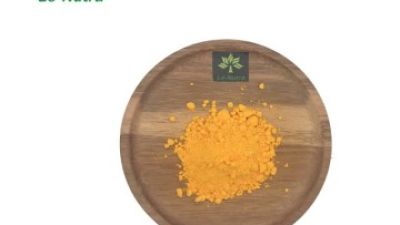
Also known as Co-Q10 powder, ubiquinone, or ubiquinol, the ingredient appears as a yellow to orange crystalline powder. Its functional profile includes antioxidant activity and free-radical-scavenging properties, making it suitable for formulations focused on cellular protection, liver health support, and anti-aging nutrition. The powder can be incorporated into customized supplement products according to formulation requirements, serving a wide range of adult wellness applications.
For storage and bulk handling, the material is supplied in a vacuum aluminum foil bag to help protect it from moisture, oxygen, and light. For 25 kg quantities, it is packed in a fiber drum with an inner double-layer food-grade poly bag, supporting practical transportation and warehouse management. CAS No. 303-98-02 is provided for product identification and documentation.
Start with each ingredient’s intended role, dose, and available human research. Ingredients are not interchangeable.
Vitamins C and D, and zinc, support normal immune function when intake is inadequate. More is not automatically better.
No. Their evidence can vary, and plant species or extract details may differ. Labels can leave questions.
They mainly target gut-related functions that may influence immune signaling. The evidence is not always complete.
Check the Supplement Facts panel for each ingredient’s amount per serving and daily directions. A large blend total may hide individual amounts.
No. Testing information can help assess quality, but it does not prove illness prevention. Read the details anyway.
Yes. A capsule may suit a workday, while powder may mix easily into breakfast. Check allergens and possible interactions.
Ask if you take medicines, have a health concern, or are pregnant. Bring a label photo if useful.
Match the serving size to your routine, then check expiry and storage instructions. I still find label comparisons easy to postpone.
Choosing Ingredients For Immune Health Supplements starts with identifying your personal wellness goals, dietary preferences, and any specific nutritional needs. Different ingredient categories may serve different purposes, so consider what each is intended to contribute rather than assuming that every supplement works the same way. Review the available scientific evidence carefully, recognizing both what research supports and where its limits remain.
Before selecting a product, check ingredient amounts, recommended use, safety information, and possible interactions with medications or other supplements. Consider how ingredients are sourced and processed, and look for clear labels that disclose the full formulation. Finally, compare products based on their ingredients, quality, transparency, and suitability for your routine. A thoughtful choice should fit your individual needs and be grounded in realistic expectations, not promises of guaranteed results.