Leave Your Message
0%

You know, Hydrolyzed Peptides are really becoming a go-to option when it comes to nutrition, wellness, and specialty foods. Their smaller peptide chains tend to disperse more easily, process faster, and help keep dosage consistent — it’s like they’re really stepping up the game. These days, the market is looking beyond just the protein content; buyers are now paying more attention to where the peptides come from, how they’re made enzymatically, their molecular weight distribution, allergen controls, and even how traceable each batch is.

According to Grand View Research, the global market for collagen peptides was worth around USD 678 million in 2023, and it’s expected to grow steadily all the way through 2030. They point out that more people are after convenient nutrition options and functional ingredients. MarketsandMarkets also sees a lot of potential growth in the broader peptide therapeutics space, although it’s worth noting that this isn’t exactly the same as food-grade peptides. That’s a distinction you want to keep in mind—sometimes reports lump different kinds together, which can get a little confusing.

When it comes to sourcing globally, you really need proof, not just fancy marketing claims. A solid supplier should be able to provide recent Certificates of Analysis, details on amino acid profiles, microbiological test results, heavy-metal testing, and logs of their production process. Certifications like ISO 22000 or FSSC 22000 really help boost confidence about food safety, and third-party testing can confirm the product's identity and purity. Companies like GELITA, Rousselot, and Nitta Gelatin are good examples—they know how to clearly communicate their specs and traceability details.

That said, sourcing isn’t always perfect. Sometimes a lower price might mean longer lead times, sketchier documentation, or inconsistent hydrolysis results. It’s important to look at the total landed cost — not just the price per kilogram. And don’t forget, testing samples and doing supplier audits are key steps in avoiding surprises.

Overall, the best approach is a mix of scientific review, knowing the regulations, and directly connecting with factory reps. Combining all that helps minimize the risk of quality issues and keeps things running smoothly as you develop products across different markets around the world.

Why Choose Hydrolyzed Peptides for Global Sourcing?

What Are Hydrolyzed Peptides?

Hydrolyzed peptides are protein fragments created through hydrolysis. Water, enzymes, or controlled acids break large proteins into shorter chains. These chains contain amino acids linked by peptide bonds. Their smaller size often improves solubility, dispersion, and processing consistency.

The term can sound more precise than it is. “Hydrolyzed” does not describe one fixed molecular size. A supplier should provide molecular-weight distribution, protein origin, processing method, and allergen information. These details matter when sourcing across markets. Two materials may share a similar description but perform differently in a beverage, powder, or capsule.

Quality checks need practical evidence. Review the certificate of analysis, identity testing, microbiological results, heavy-metal limits, and batch records. Confirm that the documents match the actual production lot. Clear traceability reduces uncertainty during international purchasing. It also helps buyers compare cost with usable performance, rather than price alone. In real procurement, specifications sometimes look complete but leave gaps around moisture, odor, or dissolution time. Those gaps deserve questions. Hydrolyzed peptides are useful, but they are not automatically superior for every formulation. A technical trial remains necessary.

Why Choose Hydrolyzed Peptides for Global Sourcing?

What Are Hydrolyzed Peptides?

Hydrolyzed peptides are protein fragments produced when peptide bonds are cleaved through enzymatic or chemical hydrolysis. Smaller peptide chains generally offer easier dispersion and processing. The chart shows approximate molecular masses calculated from an average amino-acid residue mass of 110 Da plus 18 Da for terminal water; actual hydrolysates contain mixtures of different peptide lengths.

How Hydrolysis Changes Peptide Structure and Function

Hydrolysis breaks intact proteins into shorter peptide chains through controlled enzymatic or chemical reactions. This structural change can improve dispersibility, digestion, and processing performance. Hydrolyzed Whey Peptides often dissolve faster in cool water, leaving fewer visible clumps in a mixing vessel.

01
Peptide size & taste

Peptide size matters. Smaller fractions may move through digestion more efficiently, while larger fractions can support texture and sustained release. The degree of hydrolysis also affects taste, especially bitterness. A highly hydrolyzed material may perform well technically but require careful formulation. Better is not always better. That assumption deserves caution.

For global sourcing, buyers should review the degree of hydrolysis, molecular-weight distribution, protein content, moisture, and microbiological results. Independent laboratory testing can confirm whether the specification matches the shipment. Suppliers should also explain enzyme controls, allergen handling, traceability, and storage conditions. In practice, I would compare samples under the same temperature, mixing time, and dosage. Small differences become obvious then. Solubility may improve, yet mouthfeel may decline. Evidence can be useful but incomplete, because peptide function depends on the food matrix and intended use. A clear technical dossier supports more reliable purchasing decisions across different markets.

Key Benefits of Hydrolyzed Peptides in Global Sourcing

Hydrolyzed peptides offer practical advantages for global sourcing, especially when buyers need consistent handling across markets. Enzymatic hydrolysis breaks proteins into smaller chains, improving solubility and dispersion in liquids. This can reduce mixing time and simplify formulation trials. It also supports more predictable batch specifications when suppliers control molecular-weight distribution.

The wider collagen market was valued at about USD 9.1 billion in 2023, according to Grand View Research’s 2024 market report. Its projected growth reflects rising demand for convenient protein formats, though collagen data does not represent hydrolyzed peptides alone. The FAO, WHO, and UNU protein report also emphasizes digestibility and amino-acid quality when evaluating protein ingredients. For sourcing teams, these factors should sit beside origin, allergen controls, microbiological results, and shipment stability. A lower purchase price can become expensive after moisture damage, documentation gaps, or delayed customs clearance. No sourcing model is flawless. Regional requirements still vary.

Tips: Request a recent certificate of analysis, traceability records, and stability data before approval. Compare solubility at realistic temperatures, not only laboratory conditions. Ask suppliers to define peptide-size ranges clearly. Audit critical facilities when volumes justify the cost. Test more than one production lot. Small differences can affect taste, viscosity, and downstream processing.

Why Choose Hydrolyzed Peptides for Global Sourcing? - Key Benefits of Hydrolyzed Peptides in Global Sourcing
Sourcing Dimension Typical Hydrolyzed Peptide Profile Global Sourcing Benefit Recommended Verification
Molecular Size Protein chains are enzymatically or chemically broken into shorter peptides. Commercial products commonly include fractions below 2 kDa, although the distribution varies by raw material and process. A defined molecular-weight profile supports more consistent formulation, digestion studies, and product positioning across markets. Request SEC-HPLC or equivalent molecular-weight distribution data, including the percentage below 2 kDa and 5 kDa.
Degree of Hydrolysis The degree of hydrolysis is process-dependent and is commonly reported as a percentage of peptide bonds cleaved. Higher values generally indicate more extensive protein breakdown. A specified range helps buyers compare suppliers and maintain consistent taste, solubility, and functional performance. Require the test method, target range, batch result, and acceptance limits for degree of hydrolysis.
Water Dispersibility Shorter peptide chains generally disperse more readily in water than intact proteins, but performance depends on concentration, pH, temperature, and formulation additives. Improved dispersibility can simplify manufacturing of beverages, nutrition powders, capsules, and ready-to-mix products. Request solubility or dispersibility results at the intended use concentration, temperature, and pH.
Digestive Processing Hydrolysis partially performs the protein breakdown that normally occurs during digestion, producing smaller peptides and free amino acids. The format can be suitable for specialized nutrition products where rapid processing and easier gastrointestinal handling are important considerations. Review in-vitro digestibility data and avoid making human health claims without appropriate clinical evidence and regulatory review.
Protein and Peptide Content Commercial specifications vary by source and drying process. Protein content is commonly declared on a dry basis using a validated nitrogen-based method. Clear composition data supports accurate nutrition labeling, customs documentation, and comparison of quotations from different regions. Check protein assay, moisture, ash, amino-acid profile, and calculation basis on the certificate of analysis.
Flavor and Sensory Quality Hydrolysis may increase bitterness because smaller peptides can contain bitter-tasting amino-acid sequences. Sensory intensity depends on the source and hydrolysis conditions. Early sensory specifications reduce reformulation risk when sourcing from different production regions. Use a reference sample and define limits for odor, color, taste, bitterness, and solubility before approval.
Microbiological and Chemical Safety Safety specifications depend on the source, destination market, product category, and applicable food or supplement regulations. A standardized testing package helps reduce import delays and supports supplier qualification across multiple countries. Request results for total plate count, yeast and mold, relevant pathogens, heavy metals, residual solvents, and prohibited contaminants.
Traceability and Documentation A robust supply file should identify raw-material origin, processing site, batch number, production date, shelf life, storage conditions, and testing status. Complete documentation improves customs clearance, recall readiness, audit efficiency, and continuity planning. Collect the COA, specification sheet, allergen statement, non-GMO statement where applicable, origin declaration, and relevant certifications.
Storage and Logistics Hydrolyzed peptides are commonly supplied as powders. Stability depends on moisture content, packaging, oxygen exposure, temperature, and humidity. Defined storage requirements and protective packaging can reduce quality loss during long-distance transport and multi-country distribution. Confirm shelf-life data, recommended temperature and humidity, packaging format, moisture barrier, and transport-test requirements.
Note: Actual specifications vary according to the protein source, hydrolysis method, intended application, and destination-market regulations. All numerical or quality requirements should be confirmed against the supplier’s current specification and certificate of analysis.

How to Evaluate Quality, Purity, and Production Standards

Why Choose Hydrolyzed Peptides for Global Sourcing?

Hydrolyzed peptides can offer consistent particle size, easier handling, and predictable formulation performance. However, these benefits depend on controlled production, not the word “hydrolyzed” alone. Buyers should request a clear specification sheet before comparing quotations. It should state peptide content, molecular weight range, moisture, ash, and solubility.

Purity needs evidence. A current certificate of analysis should match the exact production lot. Check testing methods, laboratory qualifications, and report dates. HPLC or LC-MS data can help confirm peptide profiles, while microbiological and heavy-metal testing supports safer material selection. Small sample tests also matter. Observe color, odor, dispersion, and sediment after preparation. Simple observations can reveal problems early.

Production standards deserve equal attention. Ask whether the facility follows documented GMP procedures, validated cleaning controls, and batch traceability. Review raw-material origin, allergen controls, packaging conditions, and temperature records during transport. An audit or live factory review is stronger than a polished presentation. Still, no document proves everything. A common mistake is trusting certificates without checking consistency across several lots. Quality can shift quietly. Keep retain samples, define acceptance limits, and record every deviation, even when the shipment appears acceptable.

Comparing Hydrolyzed Peptides with Conventional Peptide Products

Why Choose Hydrolyzed Peptides for Global Sourcing?

When comparing hydrolyzed peptides with conventional peptide products, processing depth matters. Hydrolyzed Collagen Peptides contain shorter amino acid chains created through controlled enzymatic breakdown. They usually dissolve faster in cold water and suit powders, beverages, and nutrition sachets. Conventional peptides may retain longer chains and offer different texture or release behavior. Neither option is automatically superior.
Grand View Research estimated the global collagen market at approximately USD 9.76 billion in 2023, with continued growth expected through 2030. This expansion increases pressure on suppliers to provide consistent specifications, not only attractive prices. For global sourcing, buyers should request molecular-weight distribution, protein content, moisture, microbiological results, and heavy-metal testing. Certificates of analysis should match each production lot. Traceability also matters when raw materials cross several borders.
Hydrolysis can improve dispersibility, but it does not guarantee better human outcomes. The International Organization for Standardization highlights the importance of validated analytical methods for protein and peptide measurements. Buyers should therefore compare testing methods, rather than accepting numbers without context. A practical audit may include a retained sample, allergen controls, origin records, and stability data under heat and humidity. It takes more time. Yet this step exposes weak documentation early. I would also question overly precise absorption claims, because dosage, formulation, and individual digestion can change results. (Sources: Grand View Research, Collagen Market Report; ISO protein-testing standards.)

Applications Across Food, Nutrition, Cosmetics, and Healthcare

Why Choose Hydrolyzed Peptides for Global Sourcing?

Hydrolyzed peptides support practical applications across food, nutrition, cosmetics, and healthcare. Enzymatic hydrolysis breaks larger proteins into smaller peptide chains. This process can improve dispersibility, processing consistency, and formulation flexibility. Collagen Hydrolyzed Peptides dissolve more easily in powdered drinks, nutrition bars, and ready-to-mix sachets. In cosmetics, formulators use them in serums, creams, and scalp products. Their film-forming and moisture-supporting properties can improve the feel of dry skin. Healthcare formulations may also explore peptide-based materials for specialized nutrition and wound-care research. Evidence still varies by source, dose, and application.

Market data reflects strong interest. Grand View Research estimated the global collagen market at approximately USD 9.1 billion in 2022. Its forecast indicated a 9.6% compound annual growth rate from 2023 to 2030. McKinsey reported that the broader beauty market could approach USD 590 billion by 2028. These figures show opportunity, not guaranteed performance. A sourcing team should verify solubility, molecular-weight distribution, contaminants, allergen statements, and batch documentation. One overlooked detail can affect an entire production run.

Tips: Request application samples before placing volume orders. Test a peptide in cold water, hot beverages, emulsions, and acidic systems. Check the certificate of analysis against independent testing where possible. Claims should match available clinical evidence and local requirements. Transparency matters more than impressive wording.

Factors to Consider When Selecting a Global Supplier

Selecting a global hydrolyzed peptide supplier requires more than comparing price per kilogram. Grand View Research projects continued expansion in the global collagen market through 2030. Demand is rising across nutrition, beauty, and functional food applications. A supplier should provide consistent peptide size, solubility, taste, and moisture specifications. Ask for recent certificates of analysis, not generic templates.

Traceability matters. Suppliers should identify the raw material source, processing site, batch number, and transport conditions. The 2023 FAO and WHO food safety guidance emphasizes risk-based controls and verified production practices. Request allergen statements, microbiological results, heavy-metal testing, and stability data. Audit reports can help, but they do not replace direct technical questions. Small gaps often reveal larger weaknesses.

Ingredient language also needs care. “Hydrolyzed Collagen Peptides Vegan” may describe a search term, but conventional collagen is animal-derived. A genuinely vegan product usually contains plant proteins or collagen-supporting nutrients, not collagen itself. Confirm the biological source and certification scope before approving a label. I would also test samples under real warehouse conditions, including heat, humidity, and long transit periods. No audit is flawless. A supplier may pass documentation checks and still struggle with late communication or inconsistent batches. Set measurable service standards, including response time, replacement procedures, and minimum remaining shelf life on delivery.

Grand View Research Beauty & Personal Care Insights: Vegan Corn Protein for Hair Conditioning

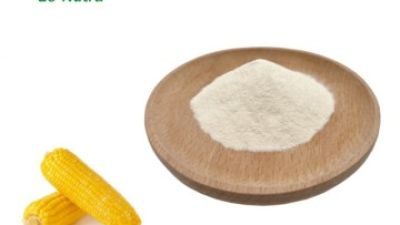
Vegan corn protein is gaining attention in beauty and personal care formulations as a gentle, plant-derived ingredient for hair conditioning. Also known as maize peptide, corn oligopeptide, or hydrolyzed corn protein, it is sourced from *Zea mays* and processed into a light yellow powder. With a protein content of at least 80% and a molecular weight of no more than 2,000 Daltons, it can be incorporated into hair care products designed for smoothness, manageability, and daily protection. Customized molecular weights are also available for different formulation requirements.

This ingredient supports multiple conditioning functions, including reducing static, helping repair damaged hair, improving hair structure, and enhancing softness. Its pH range of 4.0–5.5 is suitable for many mild cleansing and hair treatment systems, while a total nitrogen content of at least 12.5% reflects its protein-rich composition. It can be used in damaged hair treatments, mild cleansing products, and selected skin care formulas where a plant-based protein ingredient is desired.

For convenient formulation and storage, the powder is packed in a food-grade inner plastic bag with an outer kraft paper bag. Standard packaging is available in 15 kg or 25 kg quantities, with customized options upon request. When kept in its original package under recommended conditions, the shelf life is 24 months.

FAQS

What are hydrolyzed peptides?

Hydrolyzed peptides are short protein chains made by breaking larger proteins with water, enzymes, or controlled acids. Their smaller size often improves solubility and processing consistency. “Hydrolyzed” does not indicate one fixed molecular size.

Why does peptide size matter?

Peptide size can affect digestion, texture, dispersibility, and release behavior. Smaller fractions may dissolve faster in cool water. Larger fractions may provide a different mouthfeel or texture. Small differences matter.

Does greater hydrolysis always produce a better ingredient?

No. Higher hydrolysis may improve technical performance but increase bitterness. A smaller peptide fraction can also reduce mouthfeel quality. Better is not always better.

What information should a supplier provide?

Request molecular-weight distribution, protein origin, processing method, protein content, moisture, and allergen details. Ask for the degree of hydrolysis and storage requirements. Generic documents are not enough.

Which quality documents should buyers review?

Review the certificate of analysis, identity testing, microbiological results, heavy-metal limits, and batch records. Confirm that each document matches the actual production lot. Missing details deserve questions.

How should hydrolyzed peptides be tested before purchase?

Compare samples using the same dosage, water temperature, and mixing time. Check clumping, dissolution speed, odor, taste, and mouthfeel. A technical trial remains necessary.

What traceability details are important?

The supplier should identify the raw material source, production site, batch number, and transport conditions. Stability information can help with heat, humidity, and long transit periods. No audit catches everything.

How should buyers evaluate a supplier beyond price?

Compare batch consistency, communication speed, replacement procedures, and remaining shelf life at delivery. Test samples under realistic warehouse conditions. Low cost can hide usable-performance problems.

Is “vegan collagen” the same as conventional collagen?

Usually not. Conventional collagen comes from animal sources. Plant-based products generally contain plant proteins or nutrients that support collagen-related nutrition. Confirm the biological source and certification scope before approval.

Conclusion

Hydrolyzed Peptides are peptide chains broken into smaller fragments through controlled hydrolysis, which can improve their solubility, absorption, and functional performance. This structural change makes them easier to formulate and integrate into products across food, nutrition, cosmetics, and healthcare. For global sourcing, they may offer advantages such as more consistent processing, flexible applications, efficient handling, and compatibility with diverse product requirements. Compared with conventional peptide products, hydrolyzed forms can provide improved dispersibility and more predictable functionality, although performance depends on peptide size, composition, and processing conditions.

When evaluating a supplier, buyers should examine identity, purity, molecular-weight distribution, microbiological safety, traceability, quality-control systems, production capacity, documentation, and compliance with applicable regulations in target markets. Reliable sourcing also requires clear specifications, validated testing methods, stable supply, transparent communication, and appropriate packaging and storage practices. Selecting the right global supplier means balancing technical quality, production standards, cost, lead time, and long-term consistency to ensure that Hydrolyzed Peptides meet both formulation goals and market expectations.

Amelia

Amelia

Amelia is a dedicated professional marketing specialist with a deep commitment to promoting natural, healthy, and innovative raw materials. As an integral part of our team, she channels her extensive knowledge into researching and marketing products that significantly enhance the fields of......
Previous How to Choose Supplement Components for Global Sourcing?