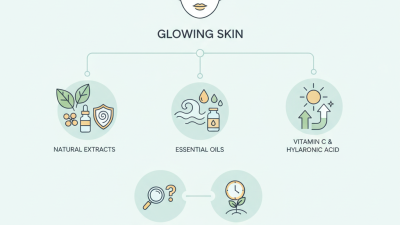
Picking the right cosmetic actives isn’t just about jumping on the latest ingredient trends. It really takes some solid evidence, hands-on formulation experience, and careful vetting of suppliers. In this guide, “How To Select Cosmetic Active Ingredients,” we dive into how professionals evaluate safety, performance, compatibility, and what’s appealing to consumers. Basically, a promising ingredient should come with a clear INCI name, trustworthy technical documents, and data that support its promised benefit. Just relying on marketing buzz isn't enough—you’ve gotta dig a little deeper.
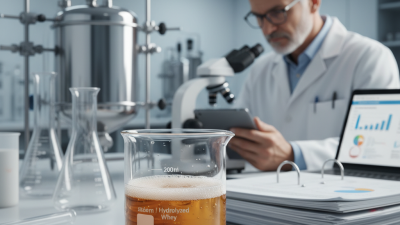
Cosmetic chemist Perry Romanowski once said, “Cosmetics are chemistry,” and honestly, that little comment hits home. An ingredient might perform great in a test tube but could totally fall flat after being exposed to heat, light, oxygen, or the wrong preservatives. Experienced formulators check stability reports, certificates of analysis, suggested use levels, allergen info, and regulatory requirements for each region. And it’s not just about testing the raw materials—the final product has to feel good on the skin, smell nice, and deliver the desired sensation.
As ingredient concepts evolve, things can get even trickier—especially when comparing familiar names to newer ideas like Neuriva Active Ingredients. It’s super important to verify their identities, who owns the supplier, whether there’s solid clinical backing, and whether they fit the right cosmetic profile. Our responsible team might even request samples from companies like BASF, Croda, or Ashland, then compare things like purity, traceability, and how they behave in formulas. But let’s be honest—nothing’s perfect. Sometimes, supplier info is limited, and tiny lab results don’t always predict how real people will actually feel or see results. So, it’s crucial to be open and honest about these uncertainties. Usually, the safest bet isn’t the newest, trendiest ingredient, but the one backed by real credible evidence, consistent performance, and a transparent supply chain.
Hope this helps you make smarter choices when it comes to selecting actives for your formulations!

When assessing cosmetic active ingredients from China, start with their function, not their popularity. An active ingredient should support a clear skin benefit, such as hydration, barrier comfort, or improved appearance. Its value depends on concentration, purity, delivery system, and formula compatibility. A familiar name proves little. In practical formula reviews, I check supplier specifications, batch data, and independent testing where available. This includes identity, microbiological quality, heavy metals, stability, and contaminant controls. Documentation matters.
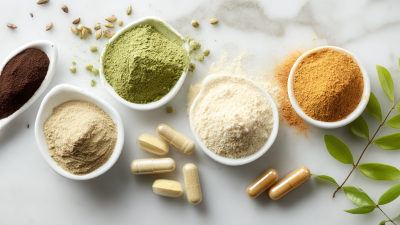
Good ingredients must remain effective after mixing, filling, transport, and storage. Heat, light, oxygen, and unsuitable pH can reduce performance. A botanical extract may look impressive on paper, yet change color or lose activity in a real emulsion. Small trials reveal this. Formulators should compare several batches, record processing conditions, and test the finished product rather than relying only on raw-material data. Consumer-facing claims should match the evidence and applicable cosmetic requirements in the target market. “Natural” does not automatically mean safer or more effective. That assumption deserves review.
Selection also requires practical judgment. A high-purity material may perform poorly if it is difficult to disperse or creates an unpleasant texture. I prefer transparent suppliers who explain origin, extraction or synthesis methods, recommended use levels, and storage conditions. Clear communication supports traceability and responsible decisions. Still, no screening process is perfect. Unexpected interactions can appear months later, especially in complex formulas. Stability testing, preservative evaluation, and user-safety assessment should continue throughout development.
Selecting China cosmetic actives should begin with a defined skin benefit, not a fashionable ingredient name. Consumers may seek brightening, barrier support, oil control, or soothing care. Each benefit needs measurable endpoints. For example, a barrier formula might track transepidermal water loss after cleansing. A brightening formula should monitor uneven tone with standardized imaging. McKinsey reported that China’s beauty market could approach RMB 600 billion by 2025, increasing pressure for credible product performance. Clear claims matter.
Active Skincare Ingredients also require practical development requirements. Check purity, source consistency, solubility, odor, color, and compatibility with preservatives. A powdered botanical may look impressive on paper but darken a gel after two weeks at 40°C. Test it. Test it again. Stability studies should cover heat, light, freeze-thaw cycles, and packaging interaction. Clinical testing should reflect the intended Chinese consumer group, while claims must follow current cosmetic regulations and approved ingredient information from China’s National Medical Products Administration.
Grand View Research valued the global cosmetic ingredients market at approximately USD 31.8 billion in 2023, showing the scale of ingredient innovation. Yet market size does not prove efficacy. Some supplier data remains too limited, and small sample studies can mislead developers. A better selection combines peer-reviewed evidence, supplier documentation, formulation trials, and human testing. The uncomfortable question is simple: can the final product deliver the promised benefit at a safe, stable, and realistic use level?
Selecting Chinese cosmetic actives requires more than comparing prices or reading a polished brochure. China’s National Bureau of Statistics reported cosmetic retail sales of RMB 414.2 billion in 2023. This growth increases demand for reliable raw materials, but origin still needs verification. Ask for the manufacturing site, extraction location, batch number, and complete supply-chain records. A trader’s address is not the ingredient’s origin. That distinction matters.
For Active Peptides, request the peptide sequence, assay method, molecular-weight profile, residual solvents, heavy-metal limits, and microbiological results. Check whether the testing laboratory is accredited to ISO/IEC 17025. Compare the certificate of analysis with independent retesting, especially for assay and contamination. The ISO 16128 framework can support natural-origin calculations, but it does not prove safety or performance. NMPA cosmetic ingredient requirements also make documentation, safety assessment, and product traceability essential for China-market use.
Look closely at storage. A refrigerated peptide shipment should arrive with temperature records, sealed containers, and intact labels. Stability data should cover the intended formulation, not only the raw powder. A six-month result is useful, but insufficient for every product type. Supplier audits should include water quality, cleaning controls, change management, and retained samples.
Documentation can look complete.
It can still be incomplete. A lower-cost active may reflect efficient manufacturing, or weaker testing. Never assume either explanation.
Verify it.
Selecting top China cosmetic active ingredients requires more than comparing prices or reading impressive product claims. Start with safety evidence: review the ingredient’s INCI name, specification, certificate of analysis, safety data sheet, and microbiological limits. For a Probiotic Active, check strain identification, contamination controls, and the test method used for viable counts. Ask for recent batch records, not only an old laboratory report. Small details matter, such as storage temperature, packaging seals, and the date of microbial testing.
Stability should be tested in the finished formula. Observe color, odor, pH, viscosity, and active content during accelerated and real-time studies. Heat, light, oxygen, and preservatives may change performance. A powder can look stable while losing activity after repeated opening. I have seen this overlooked in early development. That mistake can be costly. Regulatory compliance also needs careful review. Confirm whether the ingredient is permitted for the intended market, and check required notification, safety assessment, labeling, and usage restrictions. China’s regulatory requirements may differ from those in other regions, so supplier documents should be verified by qualified professionals.
Tips: Request traceable samples from different batches. Compare test results with the supplier’s specifications. Record transport conditions. Keep written evidence for every claim. Do not rely on marketing language alone. If data is incomplete, pause the selection and investigate further. A transparent supplier should explain testing limits, stability concerns, and any unresolved variation without hiding weaknesses.
First-pass comparison of representative cosmetic actives using molecular weight and melting or decomposition point as objective physicochemical screening signals.
Lower molecular weight and suitable thermal behavior may simplify formulation, but they do not prove safety, efficacy, or regulatory acceptance. Before commercialization in China, confirm the ingredient name and intended use against the current IECIC, check restricted or prohibited substance requirements, complete the required safety assessment, and verify product filing or registration obligations with NMPA requirements.
Representative molecular weights and melting or decomposition points are compiled from publicly available PubChem chemical records. Values may vary by hydrate, stereoisomer, purity, and test method; regulatory status must be checked against current official Chinese requirements.
Selecting a China cosmetic active ingredient requires more than checking purity and price. Supplier comparison should begin with batch consistency, traceability, and documented testing. The China NMPA Annual Report 2023 reported continued growth in registered cosmetic products, increasing the need for reliable ingredient records. Ask for a complete specification, recent certificate of analysis, allergen statement, and stability data. A low price still attracts buyers. It should not decide qualification.
Manufacturing standards reveal operational discipline. Confirm whether the facility follows ISO 22716 principles, including hygiene control, deviation management, validated cleaning, and complaint handling. The ISO Survey 2023 recorded China among the largest users of ISO management standards, but certification alone does not prove strong production. Audit the actual site, inspect material flows, and compare three consecutive batches. Check storage temperature, packaging seals, and sampling methods. Small details often expose weak systems.
Technical support can separate a useful supplier from a trading intermediary. Request formulation guidance, recommended use levels, compatibility data, and accelerated stability results. The 2024 Personal Care Global Market Report identifies innovation and multifunctional ingredients as important market drivers, but laboratory support remains uneven. Suppliers should explain test methods, not only provide attractive claims. Response time matters during reformulation. A 48-hour answer may be acceptable; vague answers are not. I would also leave room for doubt, because technical documents can contain gaps, translation errors, or outdated testing methods. One overlooked detail can delay an entire product launch.
A practical, evidence-based comparison framework for evaluating cosmetic active ingredients sourced from China. Supplier categories are presented without company or brand names; all technical specifications should be confirmed against the current product specification, certificate of analysis, and regulatory requirements for the target market.
| Ingredient / INCI Name | Primary Cosmetic Function | Typical Use Level* | Key Technical Parameters | Manufacturing and Quality Evidence to Request | Best-Fit Supplier Category | Technical Support Requirements |
|---|---|---|---|---|---|---|
| Ingredient Selection and Supplier-Qualification Matrix | ||||||
| Niacinamide INCI: Niacinamide |
Skin conditioning, barrier-supporting, tone-evening and sebum-management formulations. |
2–5% common Higher levels require irritation and stability assessment. |
Water-soluble vitamin B3 derivative. Formulation pH commonly kept below approximately 7 to reduce the risk of hydrolysis to nicotinic acid. |
ISO 9001
ISO 22716 Assay, related substances, loss on drying, heavy metals, microbiological limits, residual solvents and batch traceability. |
High-volume manufacturer with consistent batch capacity and strong analytical quality control. | pH guidance, compatibility testing with acidic formulas, accelerated-stability data and support for discoloration or flushing-risk assessment. |
| Ascorbic Acid INCI: Ascorbic Acid |
Antioxidant and skin-conditioning active used in brightening and anti-aging formulations. |
5–20% common Performance depends strongly on pH, packaging and oxygen exposure. |
Water-soluble and oxidation-sensitive. Generally formulated at a low pH; light, heat, oxygen and metal ions can accelerate degradation. |
Assay by validated method, degradation profile, impurity limits, particle-size data, antioxidant/chelating compatibility, packaging controls and stability results. | Specialist active-ingredient manufacturer or formulation partner with oxidation-control expertise. | Airless or opaque-packaging recommendations, chelator selection, oxygen-management guidance, color-change limits and real-time/accelerated stability support. |
| Panthenol INCI: Panthenol |
Humectant, skin-conditioning and hair-conditioning ingredient. |
0.5–5% common Higher levels may be used in targeted soothing or hair-care products. |
Water-soluble and compatible with a wide range of emulsion and aqueous systems. Available in different stereochemical grades; grade identity should be verified. |
Assay, optical rotation or stereochemical identity where applicable, water content, refractive index, microbial limits, residual solvents and origin documentation. | Manufacturer or qualified distributor with reliable documentation and broad cosmetic-grade inventory. | Guidance on grade selection, preservation compatibility, viscosity impact, heating limits and finished-product sensory optimization. |
| Sodium Hyaluronate INCI: Sodium Hyaluronate |
Humectant, film-former and skin-conditioning agent. |
0.01–0.5% common Use level depends on molecular weight and the desired texture. |
Molecular-weight distribution strongly affects viscosity, film formation and skin feel. Hydration and dispersion procedures influence final performance. |
Molecular-weight or viscosity specification, source and fermentation information, microbial limits, endotoxin policy where relevant, heavy metals and residual protein testing. | Specialist biopolymer manufacturer with molecular-weight control and robust microbiological testing. | Dispersing protocol, hydration time, electrolyte compatibility, viscosity curves, molecular-weight selection and freeze-thaw stability guidance. |
| Alpha-Arbutin INCI: Alpha-Arbutin |
Skin-conditioning and tone-evening active used in brightening formulations. |
0.2–2% common Confirm the legal limit and applicable restrictions in each target market. |
Water-soluble glycoside. Formula pH, temperature and storage conditions should be controlled to reduce hydrolysis and discoloration risk. |
Identity and assay, beta-arbutin impurity profile, hydroquinone limit, residual solvents, heavy metals, microbial results and stability data. | Specialist active manufacturer with strong impurity control and regulatory documentation. | Compatibility screening, pH and temperature limits, hydroquinone-monitoring plan, packaging guidance and market-specific compliance review. |
| Ectoin INCI: Ectoin |
Skin-conditioning and protective osmolyte used in barrier-support and sensitive-skin products. |
0.3–2% common Final level should be supported by supplier efficacy and compatibility data. |
Highly water-soluble extremolyte with good compatibility in aqueous systems. Finished-product stability and preservation performance must be verified. |
Assay, identity, microbial limits, heavy metals, residual solvents, fermentation or synthesis-process description, batch consistency and stability data. | Specialist biotechnology or fermentation-based manufacturer with strong technical service. | Barrier-support efficacy data, formulation compatibility testing, preservative-system guidance and sensitive-skin claim substantiation support. |
| Supplier Comparison by Manufacturing Standards, Documentation and Technical Service | ||||||
| Manufacturer with Integrated Production | Usually the strongest option for large-volume, repeat-order ingredients with strict batch-to-batch requirements. |
Best for: Stable supply, scale-up and long-term cost control. |
Look for controlled raw-material release, validated or qualified analytical methods, change-control procedures and retained samples. | Prefer current ISO 22716 cosmetic GMP evidence, ISO 9001 quality management, audit reports, full CoA and traceability from raw material to finished batch. | Best overall for standardized actives such as niacinamide, panthenol and high-volume humectants. | Technical support may be process-oriented; confirm whether the supplier provides formulation troubleshooting, stability studies and regulatory responses. |
| Specialist Active-Ingredient Manufacturer | Often better suited to oxidation-sensitive, molecular-weight-dependent, fermentation-derived or impurity-sensitive actives. |
Best for: Performance differentiation and complex technical requirements. |
Evaluate process knowledge, impurity profiling, molecular-weight control, fermentation controls and active-content verification. | Request product-specific specifications, method validation summaries, stability protocols, impurity limits, allergen statements and documented deviation handling. | Best for ascorbic acid, sodium hyaluronate, alpha-arbutin and ectoin. | Expect application laboratories, prototype formulas, compatibility screening, stability interpretation and claim-support documentation. |
| Qualified Distributor or Trading Partner | Can provide broad product access, smaller minimum order quantities and faster sourcing across multiple manufacturers. |
Best for: Sampling, market testing and diversified procurement. |
Verify the original manufacturing site, storage conditions, repacking controls, lot segregation and document authenticity. | Confirm manufacturer-issued CoA, SDS, TDS, allergen statement, origin declaration, transport records and documented complaint handling. | Useful for early-stage projects or when multiple ingredient grades must be sourced quickly. | Technical support quality varies; confirm whether advice comes from an in-house formulator or is passed through from the original manufacturer. |
| Custom Formulation and Technical-Service Partner | Provides the highest level of support when the ingredient must be optimized inside a specific serum, cream, gel or hair-care base. |
Best for: New product development, difficult stability targets and claim substantiation. |
Assess laboratory capability, pilot-batch equipment, preservative testing, compatibility studies, accelerated stability and scale-up procedures. | Request documented quality agreements, specification approval, change notification, sample retention, batch records and clear ownership of technical data. | Best for multi-active systems, low-pH vitamin C formulas and molecular-weight-specific hyaluronic acid products. | Should provide prototype formulas, processing sequence, stability plans, packaging recommendations and corrective-action support. |
| Minimum Pre-Approval Checklist | ||||||
| Quality and Regulatory File | Obtain the current TDS, SDS, CoA template, product specification, INCI name, CAS number where applicable, manufacturing-country statement, allergen statement, GMO statement, animal-testing statement, residual-solvent data, heavy-metal limits, microbiological limits and relevant regulatory declarations. | |||||
| Manufacturing Audit | Confirm the production site, quality-management certification, cosmetic GMP status, raw-material qualification, sanitation controls, water quality, pest control, calibration, batch traceability, deviation management, change control and recall procedure. | |||||
| Sample and Stability Verification | Test at least two or three commercial batches where possible. Compare assay, appearance, odor, color, pH, viscosity or molecular weight as applicable. Conduct compatibility, accelerated-stability, freeze-thaw and packaging-interaction studies in the intended finished formula. | |||||
| Technical-Service Scorecard | Score response time, document completeness, formulation knowledge, sample turnaround, troubleshooting quality, regulatory responsiveness, change-notification discipline and post-sale complaint handling. A technically strong supplier should provide evidence rather than relying only on marketing claims. | |||||
Selecting a Chinese cosmetic active ingredient should begin with evidence, not a brochure claim. McKinsey’s 2023 beauty report valued the global beauty market at about US$446 billion in 2023. It also identified skincare as roughly 40% of the market. Grand View Research estimated the global cosmetic ingredients market at US$31.5 billion in 2023. That scale increases the need for disciplined screening. For Bio Active Skin Care projects, request a traceable sample, specification sheet, assay method, origin, and recommended use level. Check appearance and odor first. Then record pH, solubility, color change, and viscosity after 24 hours. Small details matter. A powder may clump in a cool water phase. An extract may darken after heating.
Use a control formula and test at least three concentrations, such as 0.5%, 1%, and 2%, when technically appropriate. Keep the base unchanged. Measure stability after centrifugation, freeze-thaw cycles, and four weeks at elevated temperature. Assess hydration, barrier-related markers, or visible tone changes with validated instruments, rather than photographs alone. ISO 16128 can support ingredient-origin communication, while NMPA requirements should guide China-market compliance. Mintel’s 2024 beauty research emphasizes consumer interest in proven efficacy and transparent claims. Test records therefore support both technical decisions and responsible marketing. Still, a short trial can miss long-term incompatibility. That limitation deserves documentation. Do not overstate a result because one pilot batch looks perfect.
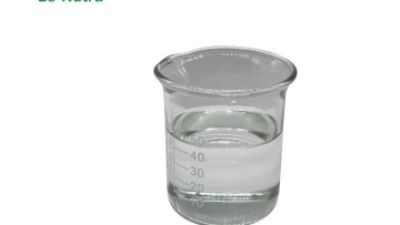
D-Panthenol, also known as Dexpanthenol, is a cosmetic-grade white powder widely used in skincare and hair care formulations. Valued for its moisturizing function, it can be incorporated into creams, lotions, serums, cleansers, conditioners, and other personal care products where improved hydration and a smooth skin or hair feel are desired. Its powder form supports convenient storage, weighing, and processing during manufacturing.
For wholesale buyers, product consistency and supply details are important when selecting an ingredient. This D-Panthenol is supplied in 25 kg drums and has a shelf life of 24 months when stored under suitable conditions. Formulators should review the product specifications, recommended use level, compatibility, and production requirements before large-scale manufacturing. Clear documentation and batch consistency can also help support quality control across different product lines.
With 10 years of experience in the natural ingredients industry, the supplier supports cosmetic ingredient purchasing for manufacturers, distributors, and formulation developers. Payment options include T/T, Western Union, PayPal, and Alibaba Assurance Account, providing flexibility for different wholesale orders. Buyers can discuss packaging, shipping arrangements, documentation, and technical requirements before confirming a purchase.
Request the manufacturing site, extraction location, batch number, and supply-chain records. A trader’s address is not the ingredient’s origin. Verify each detail.
Ask for a specification sheet, certificate of analysis, assay method, origin statement, and recommended use level. Check whether batch numbers match across all documents.
Request the peptide sequence, molecular-weight profile, assay results, residual solvents, heavy-metal limits, and microbiological data. Independent retesting can reveal hidden differences.
Check temperature records, sealed containers, intact labels, and delivery conditions. The powder should not arrive warm, wet, or visibly damaged.
Record appearance, odor, pH, solubility, color, and viscosity after 24 hours. A powder may clump. An extract may darken after heating.
Test at least three technically suitable levels, such as 0.5%, 1%, and 2%. Keep the base formula unchanged. Small differences matter.
Use centrifugation, freeze-thaw cycles, and elevated-temperature testing for four weeks. Also review longer-term stability when possible. Four weeks is not proof of durability.
No. Measure relevant markers with validated instruments, not photographs alone. A perfect pilot batch may still fail later. Document that uncertainty.
Selecting effective cosmetic actives requires more than choosing ingredients with attractive claims. How To Select Cosmetic Active Ingredients begins with defining the desired skin benefits, target users, product format, and formulation requirements. Once these goals are clear, developers can evaluate Chinese active ingredients by examining their origin, purity, consistency, processing methods, and supporting documentation. Reliable quality control and transparent traceability are essential for building confidence in ingredient performance.
Safety, stability, and regulatory compliance should also be confirmed before an ingredient enters development. Buyers should compare suppliers according to manufacturing standards, quality systems, technical expertise, communication, and formulation support rather than price alone. Finally, samples should be tested through laboratory evaluations and practical formulation trials to assess compatibility, effectiveness, appearance, odor, and shelf stability. A structured selection process helps reduce development risks and supports the creation of safe, stable, and high-performing cosmetic products.