So China has become a pretty significant sourcing base for botanical ingredients, and that includes Botanical Peptide products. You'll find manufacturers and suppliers serving nutraceutical, cosmetic, food, and research markets. But their capabilities? They can vary a lot—sometimes more than buyers expect.
A solid evaluation should really start with raw material traceability. Ask where each plant is grown and how it's authenticated. Go through extraction records, production batch numbers, and storage conditions. A Botanical Extract might support peptide development, sure, but its quality depends on the species, harvest timing, and processing control. In other words, practical evidence matters.
Look for facilities with documented quality systems and trained technical teams. Ask for certificates of analysis, microbial results, heavy metal testing, and identity data. HPLC or another suitable method can help confirm consistency. Stability info is valuable too, especially for heat-sensitive formulas. And honestly, manufacturing experience becomes much clearer during pilot trials, sample testing, and scale-up talks.
No supplier is perfect. Public info can be incomplete. Some companies show off strong equipment but have limited product data. Others provide detailed documentation but aren't very flexible on customization. Buyers should compare communication speed, minimum order quantities, packaging options, and export experience. Compliance rules may also change depending on destination and product category. A professional supplier should be able to explain these limits clearly.
This guide reviews China-based Botanical Peptide manufacturers and suppliers through a practical E-E-A-T lens. It looks at experience, technical knowledge, documented quality, and business reliability. The goal isn't to promote every company equally. It's to help buyers ask better questions, verify evidence, and choose partners with realistic capabilities.

What Are Botanical Peptides and How Are They Produced in China?
China Top Botanical Peptide Manufacturers and Suppliers
What Are Botanical Peptides and How Are They Produced in China?
Botanical peptides are short chains of amino acids obtained from plants. Common sources include soy, rice, pea, wheat, and other protein-rich crops. Their size allows manufacturers to study solubility, absorption, and functional activity more precisely. In China, production usually begins with supplier-approved raw materials and identity testing. The plant protein is then extracted, filtered, and treated with food-grade enzymes. This controlled hydrolysis breaks large proteins into smaller peptide fractions.
The liquid may pass through ultrafiltration membranes to remove unwanted compounds. Further purification can improve consistency between batches. Spray drying or freeze drying converts the concentrate into a stable powder. Reliable manufacturers normally check peptide distribution, moisture, microbial limits, heavy metals, and residual solvents. They should also maintain batch records and traceable sourcing. This is where practical experience matters.
The process is not flawless. Yield can vary.
Tips: Ask for a current certificate of analysis, production specification, and stability data. Confirm the botanical source and extraction method before comparing quotations. A low price may reflect lower purification or weaker testing. Small differences in enzymes, temperature, and drying time can change the final peptide profile. Independent verification remains useful, especially when a supplier makes strong activity claims.
Key Types of Botanical Peptides Supplied by Chinese Manufacturers
Chinese manufacturers supply several practical types of Botanical Peptides for cosmetic, nutrition, and functional ingredient applications. Rice peptides are valued for mildness and a smooth skin feel. Soy peptides offer a balanced amino acid profile, but allergen documentation remains essential. Pea, wheat, corn, potato, and mung bean peptides are also available. Their properties vary with enzymatic hydrolysis, filtration, and drying conditions.
The market is expanding. MarketsandMarkets estimated the global plant-based protein market at about USD 15.6 billion in 2022, with continued growth expected through 2027. This figure does not represent the peptide market alone. However, it shows stronger demand for plant-derived protein ingredients. In practice, buyers should request molecular-weight distribution, peptide content, amino acid data, microbial limits, and heavy-metal results. A bright powder is not proof of quality. Sometimes, it is only appearance.
Tips: Match the peptide type to the final use. Rice and pea peptides may suit gentle formulations, while soy and wheat require careful allergen review. Ask for batch records and independent testing. Small details matter. One weakness remains: supplier data may use different testing methods, making direct comparisons difficult. Confirm the method before judging performance.
Leading Regions for Botanical Peptide Manufacturing in China
China’s botanical peptide manufacturing is concentrated in regions with strong crop resources and established processing networks. Yunnan and Sichuan offer diverse plant materials, including legumes, grains, and medicinal food crops. Their varied climates support broad agricultural sourcing. However, raw material diversity does not automatically ensure peptide quality.
Shandong and Henan are important for soybean, wheat, and other protein-rich crops. These regions often provide practical advantages in farming scale, storage, and initial protein processing. Jiangsu and Zhejiang are known for more developed extraction, enzymatic hydrolysis, filtration, and formulation capabilities. Guangdong adds efficient packaging, testing, and export logistics. The best location depends on the full production chain, not only factory size.
Look beyond the address.
Reliable suppliers should document farm or processor traceability, allergen controls, and batch testing. Useful records include peptide molecular-weight distribution, amino acid profiles, microbiological results, heavy-metal screening, and residual solvent data. Facilities should also show controlled production areas and recognized quality systems. In practice, regional claims can sound stronger than the evidence. A careful buyer should compare technical files, audit procedures, and sample consistency. Even experienced manufacturers may face seasonal crop variation, so specifications need realistic limits and regular review. Personally, I would treat transparent limitations as a stronger quality signal than exaggerated promises.
Quality Standards and Certifications for Chinese Peptide Suppliers
China Top Botanical Peptide Manufacturers and Suppliers
Reliable Chinese peptide suppliers should prove quality through documented systems, not attractive product claims. Buyers should check valid GMP, ISO 9001, HACCP, or ISO 22000 certification. Each certificate must match the facility, product category, and audit scope. A certificate alone is not proof.
For Botanical Food Supplements, quality control should begin with verified plant identity and supplier approval. Testing should cover peptide concentration, microbial limits, heavy metals, pesticides, allergens, and residual solvents. A clear Certificate of Analysis should show methods, limits, batch numbers, and test dates. Independent laboratory testing adds credibility, especially for export orders. Traceability records should connect raw materials to finished batches. Ask for stability data, storage conditions, and packaging controls.
Details matter. A reliable factory can explain sampling procedures and corrective actions. It should also provide controlled production records and trained laboratory staff. During supplier reviews, I would compare certificates with recent batch documents. Small inconsistencies deserve attention. No system is flawless. A polished document may still hide weak sampling or outdated testing. Regular audits, retained samples, and direct technical communication reduce that risk. Suppliers should also explain how they handle rejected materials, complaints, and unexpected test results. Practical transparency often reveals more than a long certification list.
Applications of Botanical Peptides in Food, Cosmetics, and Healthcare
Botanical peptides are gaining attention as practical ingredients across food, cosmetics, and healthcare. They are usually produced by breaking plant proteins into smaller peptide chains through controlled enzymatic processes. In food, suppliers may use them in nutrition powders, beverages, and soft foods. Their solubility can support smoother textures, although flavor and stability still require careful testing. A clean ingredient list alone proves little.
Cosmetic formulators explore peptides in moisturizers, serums, and Botanical Extracts Skin Care products. Small peptide fractions may help support skin-conditioning routines, especially when paired with humectants and barrier-friendly oils. Results depend on concentration, formulation, storage, and individual skin condition. “Natural” does not automatically mean gentle. Patch testing remains sensible.
Healthcare research is examining botanical peptides for antioxidant, immune-supporting, and metabolic applications. However, laboratory findings do not equal proven clinical benefits. Reliable manufacturers should document plant origin, extraction conditions, allergen controls, microbial testing, heavy-metal screening, and batch consistency. Independent certificates can strengthen supplier evaluation. Yet even detailed paperwork has limits. More human studies are needed before making strong health claims. As a buyer, I would ask for stability data under realistic temperatures, not only attractive laboratory results.
How to Evaluate and Select a Chinese Botanical Peptide Supplier
How to Evaluate and Select a Chinese Botanical Peptide Supplier
Demand for Botanical Dietary Supplements is expanding with wider use of traditional plant-based ingredients. The WHO Global Report on Traditional and Complementary Medicine 2019 states that 170 of 194 member states reported using traditional medicine. This broad adoption increases the need for dependable botanical peptide sourcing.
Start with technical evidence, not a polished website. Request botanical identification records, peptide sequence data, extraction conditions, and batch-specific certificates of analysis. Check whether testing covers heavy metals, pesticides, microbes, residual solvents, and adulteration. Independent laboratory results are more persuasive than supplier-issued claims alone. Ask for three recent batches. Variations can reveal weak process control.
Review the factory’s quality system, traceability map, and corrective-action records. A qualified supplier should explain raw-material origin, storage temperature, and change-control procedures. Grand View Research’s 2024 botanical extracts market analysis identifies quality consistency and regulatory compliance as major industry challenges. That warning matters for peptide ingredients with sensitive structures. Visit the facility when possible. Observe sealed containers, calibrated instruments, and clean sampling areas.
Price deserves scrutiny. An unusually low quotation may reflect weaker testing or unstable raw materials. Still, expensive documentation does not guarantee performance. I would compare specification limits with real batch results, then test a pilot order independently. Some suppliers communicate confidently but provide incomplete evidence. That is a useful warning, not a minor inconvenience. Credible selection depends on repeatable data, transparent communication, and the buyer’s own verification process.
Blue Copper Peptide: A Practical Guide to Benefits, Uses, and Skincare Considerations
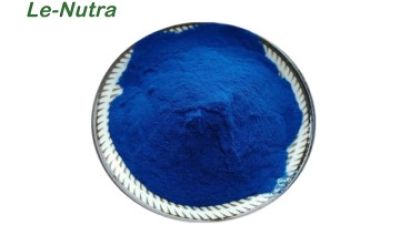
Blue copper peptide is a water-soluble cosmetic ingredient commonly explored in skincare formulas designed to support a smoother, more refreshed appearance. Its appeal comes from its peptide-and-copper composition, which may help maintain the look of skin elasticity and promote a healthy-looking complexion. It is often included in serums, creams, masks, and other water-based formulations, although the final product should be developed with suitable stabilizers and tested for compatibility.
When using blue copper peptide, formulation quality and personal tolerance are important considerations. A patch test is recommended before wider application, and users should follow the directions of the finished product. The ingredient is supplied in an 80-mesh specification and is soluble in water, making it convenient for incorporation into many aqueous skincare systems. HPLC testing supports quality evaluation, while an ISO certificate provides additional information about manufacturing standards. Proper storage in a cool, dry, and sealed environment can help preserve its quality during its stated two-year shelf life.
For businesses and formulators evaluating this ingredient, free samples can be provided for preliminary testing. Orders may be arranged through T/T, Western Union, PayPal, or an Alibaba Assurance Account, with delivery available within three working days. Before production, it is advisable to assess concentration, pH compatibility, packaging, stability, and the sensory performance of the finished formula.
FAQS
Botanical peptides are short amino acid chains obtained from plants. Common sources include soy, rice, pea, and wheat. Their smaller size supports closer study of solubility and functional activity.
Production begins with approved plant materials and identity testing. Protein is extracted, filtered, and treated with food-grade enzymes. Controlled hydrolysis breaks large proteins into smaller peptide fractions.
Ultrafiltration membranes can remove unwanted compounds from the liquid. Additional purification may improve batch consistency. Small process changes still matter.
The concentrated liquid is usually spray-dried or freeze-dried. These methods create a more stable powder for storage and handling. Drying time can change the final peptide profile.
Request tests for peptide distribution, moisture, microbes, heavy metals, and residual solvents. Ask for batch-specific certificates of analysis. Three recent batches can reveal process variation.
Request botanical identification records, extraction conditions, peptide sequence data, and production specifications. Stability data is also useful. Documentation alone is not proof.
Review traceability maps, storage conditions, calibrated instruments, and change-control procedures. Clean sampling areas and sealed containers are practical signs. A facility visit may expose gaps.
A low quotation may reflect weaker testing, unstable raw materials, or limited purification. Compare specification limits with real batch results. I would still verify a pilot order independently.
Not always. Yield and peptide distribution can vary between batches. Enzymes, temperature, and drying conditions may influence results. That limitation deserves honest attention.
Conclusion
Botanical Peptide refers to peptide compounds derived from plant proteins through controlled enzymatic hydrolysis, fermentation, or other food-grade processing methods. In China, manufacturers commonly develop plant-based peptides from sources such as soy, rice, wheat, pea, corn, and other botanical materials. Production hubs are generally located in regions with strong agricultural resources, advanced food-processing capabilities, and established biotechnology industries, including areas in eastern, southern, and central China.
Chinese suppliers may provide nutritional peptides, cosmetic peptides, antioxidant peptides, and functional ingredients for food, beauty, and healthcare applications. When evaluating a supplier, buyers should review raw-material traceability, production capacity, testing procedures, and compliance with applicable quality standards. Certifications such as GMP, ISO, HACCP, and relevant export or food-safety qualifications can help demonstrate reliable management, while independent laboratory testing can verify identity, purity, microbiological safety, heavy-metal limits, and consistency. Clear technical documentation, transparent communication, customization capabilities, and dependable delivery are also essential factors when selecting a long-term Botanical Peptide supplier.