Leave Your Message
0%

So you want to start a supplement brand? Honestly, it starts with picking the right supplier—not with a flashy label. China has plenty of capable manufacturers, but a “Top 10” list should really mean verified performance, not just popularity. As a founder, you’ve got to compare certifications, MOQs, lead times, testing systems, and how well they actually communicate. The cheapest quote? It can turn into the most expensive mistake you’ll ever make.

Dr. Daniel Fabricant, a well-known expert in dietary supplements, put it like this: “You can’t test quality into a product; you have to build it in.” That should shape every supplier conversation. Ask for current Good Manufacturing Practice records, ingredient specs, allergen controls, stability data, and batch-level Certificates of Analysis. If your product uses Healthy Start Vitamins Ingredients, verify identity, potency, contaminants, and any country-specific rules before production. A good factory should explain its process clearly—not hide behind glossy brochures.

Your launch plan also has to protect the customer. Claims need to be truthful, substantiated, and suitable for the market you’re selling in. Check FDA requirements, EU rules, or whatever else applies—ideally with qualified professionals. Don’t treat a supplier’s promise as final proof. If the risk is high enough, get an independent lab review. And visit the facility when you can. Look at storage areas, weighing rooms, packaging lines, and records.

Some founders rush through this part. I get it—inventory is exciting. But a rushed formula, unclear ownership, or weak traceability can damage trust fast. My own take isn’t perfect: a supplier scorecard won’t predict every problem. Still, it can surface the uncomfortable questions early. And that’s worth something. A responsible brand grows through documented decisions, realistic margins, and patient quality control.
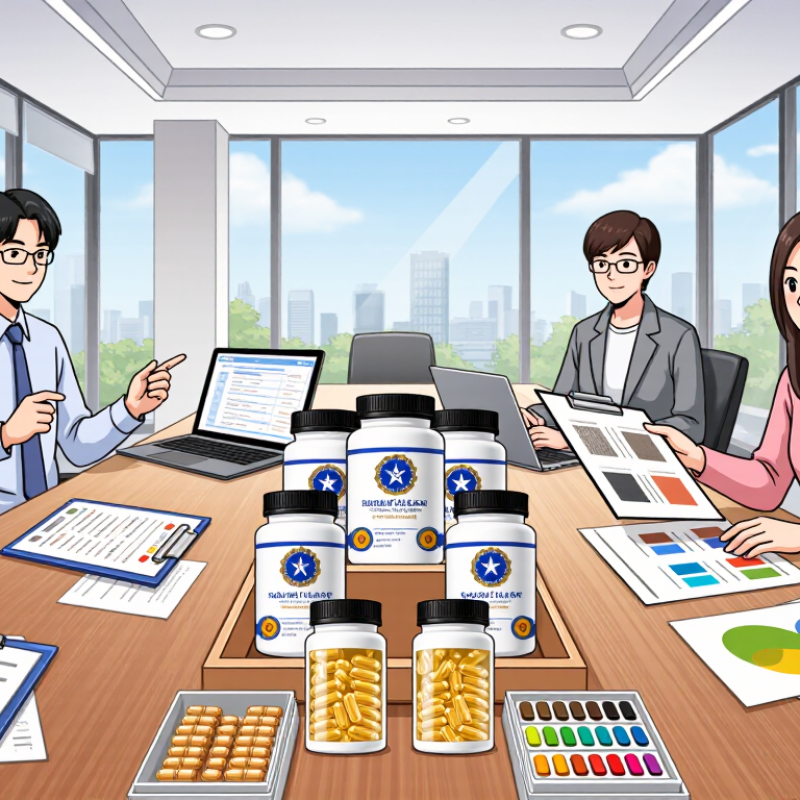
How To Start A Supplement Brand With China Top 10 Suppliers?

Define Your Supplement Brand’s Market and Product Positioning

Before contacting China’s top ten supplement suppliers, define your market clearly. A product for busy office workers needs different features from one for older adults. Study customer routines, preferred formats, price limits, and purchase concerns. Then choose a focused product position, such as convenient daily nutrition or clean-label wellness support. Avoid vague claims. “Better health” is too broad.

Your supplier shortlist should match this position. Ask about ingredient sourcing, formulation experience, minimum order quantities, packaging options, and production controls. Request recent certificates of analysis and independent testing records. Check whether the supplier follows recognized quality systems, such as GMP or ISO standards. A factory may offer low prices, but weak documentation can create expensive problems later. I have seen promising concepts change after packaging costs and testing fees were calculated. That adjustment is normal.

Tips: Write a one-page product brief before requesting quotations. Include the target customer, serving size, flavor, format, packaging material, and permitted claims. Compare samples from at least three qualified suppliers. Evaluate taste, texture, labeling accuracy, and delivery consistency. Do not select a supplier only because it appears in a top-ten list. Supplier rankings can be incomplete. Your brand position must remain realistic, compliant, and easy for customers to understand.

Research and Compare China’s Top Supplement Suppliers

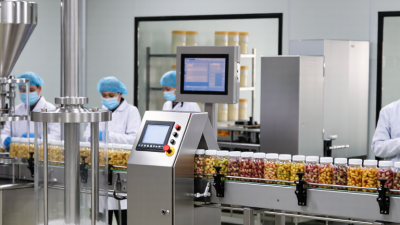
Starting a supplement brand requires more than finding a low factory quote. Research China’s top ten supplement suppliers through verifiable documents, factory evidence, and consistent communication. Top-ten rankings can vary, so treat them as a starting point, not proof of quality.

Request current certifications, production licenses, audit reports, and batch-level Certificates of Analysis. Check whether testing covers identity, purity, heavy metals, microbes, and allergens. Ask where each Supplement Components is sourced and how suppliers control changes. A factory should explain its traceability process clearly. Vague replies deserve caution.

Compare minimum order quantities, sample fees, lead times, packaging options, and payment terms in one spreadsheet. Send the same product brief to every supplier. This makes price differences easier to understand. Request a pilot batch before signing a large order. Inspect the label, powder texture, seal quality, and laboratory results.

Do not rely only on polished factory photos. Visit the facility, use an independent auditor, or arrange remote verification. I once treated fast replies as a quality signal; that was a weak assumption. Slow answers are not always bad, but missing evidence is. Confirm that formulas and marketing claims meet the laws of every target market. Keep signed specifications, approved artwork, test reports, and complaint procedures in one controlled file. Loose records create expensive confusion later.

Verify Supplier Credentials, Certifications, and Manufacturing Standards

Starting a supplement brand with China’s top 10 suppliers requires more than comparing prices. Supplier rankings are not universal. Verification matters more.

Grand View Research valued the global dietary supplements market at about USD 177.5 billion in 2023. That scale attracts capable manufacturers and careless documentation. Request the factory’s business license, production permits, ownership details, and recent audit records. Check whether the legal entity matches the factory address. A website is not evidence.

Review certifications carefully. ISO 22000 supports food-safety management, while HACCP identifies and controls production hazards. GMP evidence should cover the specific facility, product category, and current production period. Ask for certificate numbers, issuing bodies, expiry dates, and audit scopes. Confirm them independently. The FDA’s Current Good Manufacturing Practice rules also require accurate specifications, testing, and recordkeeping for dietary supplements sold in the United States.

For each Supplement Ingredient, request a current certificate of analysis, heavy-metal results, microbiological testing, identity confirmation, and stability data. Third-party laboratory reports are stronger than internal claims. Compare batch numbers across invoices, samples, and laboratory documents. Small inconsistencies matter. I would also inspect raw-material traceability, allergen controls, cleaning records, and complaint procedures. A supplier may pass one audit and still need improvement. That uncomfortable possibility deserves written corrective actions, follow-up dates, and retained samples.

Develop Formulas, Packaging, and Brand Requirements

Starting a supplement brand with China’s top 10 suppliers requires more than comparing factory prices. Grand View Research valued the global dietary supplements market at approximately US$177.5 billion in 2023. That scale creates opportunity, but also increases formulation and compliance risks. Request certificates of analysis, allergen statements, stability data, and GMP evidence for every Health Supplement Actives ingredient. A qualified nutrition scientist should review dosage, interactions, serving size, and permitted claims before production.

Formula development should match the target customer and delivery format. Powder, capsule, gummy, and liquid products need different moisture, flavor, and shelf-life controls. Ask suppliers to provide three pilot samples, not one. Test identity, potency, microbiology, heavy metals, and accelerated stability through an independent laboratory. The first sample is rarely perfect. Taste often changes after scale-up.

Packaging should protect the formula before it attracts attention. Specify barrier performance, bottle or pouch dimensions, closure torque, desiccant requirements, tamper evidence, print colors, and batch coding. The Smithers report, The Future of Sustainable Packaging to 2028, highlights continued pressure for recyclable and lower-material packaging. However, recyclable material is not automatically suitable for moisture-sensitive actives. Brand requirements should include transparent ingredient panels, readable directions, country-of-origin details, and compliant claims. Build a written specification sheet, approve a pre-production sample, and inspect finished goods before shipment. A low quotation can become expensive when packaging or testing fails.

Request Samples and Confirm Product Quality

How To Start A Supplement Brand With China Top 10 Suppliers?

Request Samples and Confirm Product Quality

A sample is not a formality. It is your first quality decision. The 2024 Council for Responsible Nutrition Consumer Survey reported that 75% of U.S. adults use dietary supplements. That demand raises expectations for safety, consistency, and transparent information. Request samples from several qualified Chinese suppliers, not only the lowest-priced option. Compare capsule size, color, odor, powder flow, packaging seals, and label accuracy. Keep every sample with its supplier code and production date.

Ask for a complete specification sheet before placing an order. It should state active ingredients, dosage, allergens, microbiological limits, heavy-metal limits, and shelf-life targets. Independent testing should confirm identity, purity, potency, and contaminants. ISO 22000, HACCP, and GMP systems can support control, but certificates do not replace laboratory results. The U.S. FDA requires dietary supplement manufacturers to follow current good manufacturing practices, including specifications and quality-control procedures. Verify the certificate directly.

Test again after production.

A pilot batch may reveal problems that samples hide. Use an accredited laboratory for finished-product testing, and compare results with your approved specifications. Review the certificate of analysis carefully; vague results deserve questions. I once treated a polished sample as proof of factory capability. That assumption was weak. Supplier audits, retained samples, batch records, and a written complaint process create stronger evidence. Quality costs less than recalling an inconsistent product.

Manage Production, Compliance, Shipping, and Launch Planning

Starting a supplement brand with China’s top 10 suppliers requires more than comparing prices. Choose a facility with documented quality systems, trained staff, and export experience. Request recent test reports, ingredient specifications, allergen statements, and production records. For B12 Supplement Ingredients, confirm the chemical form, potency, source, and storage conditions. Review samples before approving a full batch. A small pilot order can reveal filling, flavor, packaging, and communication problems early.

Tips: Use a written checklist. Compare every quotation carefully. Ask who controls the formula and artwork. Never rely on a supplier’s verbal compliance promise. Confirm label requirements with a qualified regulatory professional in each target market. Your label should match the tested formula, serving size, warnings, and net quantity. I have found that unclear ownership of documents often causes avoidable delays.

Shipping and launch planning should begin during product development. Confirm carton dimensions, pallet counts, lead times, and Incoterms before production starts. Ask for pre-shipment inspection and retain batch samples. Check whether your importer needs certificates, customs documents, or additional product registration. Build a realistic launch schedule with time for laboratory testing, artwork changes, freight delays, and customs review. It may feel slower, but rushing a first shipment creates expensive corrections. Even experienced teams miss details, so keep a written decision log and review it before release.

How To Start A Supplement Brand With China Top 10 Suppliers? - Manage Production, Compliance, Shipping, and Launch Planning

Anonymous supplier-screening matrix using practical industry planning benchmarks for private-label and contract-manufactured supplements.

Supplier Profile Typical Product Focus Common Dosage Forms Indicative MOQ Sample Lead Time First Production Lead Time Quality & Compliance Evidence to Request Testing Package Packaging Support Shipping Preparation Launch Planning Fit Key Verification Risk
Supplier Profile 01 Capsule-based vitamins and minerals Hard capsules, bottles, sachets 1,000–3,000 bottles or equivalent 5–10 business days 35–50 days after artwork and deposit approval GMP certificate COA Batch records Identity, assay, microbiology, heavy metals Stock bottles plus custom labels; tamper-evident seals Carton dimensions, pallet plan, commercial invoice, packing list Suitable for a standard 8–12 week launch schedule Confirm capsule-shell material and allergen controls
Supplier Profile 02 Powdered sports and wellness formulas Stick packs, tubs, pouches 2,000–5,000 kg or packaging equivalent 7–14 business days 45–65 days after formula lock GMP certificate HACCP plan Traceability records Moisture, microbiology, active assay, flowability Custom sachets, scoops, desiccants, nitrogen flushing where applicable Humidity protection, carton drop testing, freight class confirmation Best for planned launches with packaging finalized early Validate flavor stability and clumping during storage
Supplier Profile 03 Gummy vitamins and functional gummies Jars, pouches, blister formats 3,000–10,000 units per flavor 10–15 business days 55–75 days after flavor and artwork approval GMP certificate Allergen statement Stability data Active assay, microbiology, water activity, texture review Custom jars, induction seals, child-resistant options where required Temperature-aware routing and protective master cartons Appropriate for seasonal campaigns with safety-stock planning Heat exposure may affect texture, appearance, and shelf life
Supplier Profile 04 Liquid shots and ready-to-drink supplements Glass bottles, PET bottles, ampoules 5,000–20,000 units per formula 10–20 business days 60–90 days, including stability and filling validation GMP certificate Process validation Shelf-life support pH, preservative effectiveness, microbiology, active assay Bottle selection, closures, shrink bands, secondary cartons Leak testing, breakage protection, liquid transport documentation Requires a longer pre-launch and logistics validation window Check preservative system, leakage rate, and transport limits
Supplier Profile 05 Herbal extracts and botanical blends Capsules, powders, liquid extracts 500–2,000 kg of bulk material 7–14 business days 40–60 days after raw-material approval Botanical identity Origin records Contaminant controls Marker compounds, pesticides, heavy metals, residual solvents Bulk supply, private-label filling, oxygen and light protection Lot segregation, humidity control, export document coordination Good for differentiated formulas requiring stronger documentation Confirm botanical species, extract ratio, and adulteration testing
Supplier Profile 06 Probiotics and microbiome products Capsules, sachets, powder sticks 1,000–5,000 units depending on strain count 10–20 business days 50–75 days after strain and packaging approval Strain documentation GMP certificate Stability program Viable count, identity, contamination screen, moisture Desiccants, high-barrier films, cold-chain or controlled-room options Temperature monitoring and shipping-condition validation Requires inventory rotation and clear storage instructions Verify end-of-shelf-life potency, not only release potency
Supplier Profile 07 Beauty-from-within and collagen formulas Powders, capsules, sachets, gummies 2,000–5,000 units per SKU 7–14 business days 45–70 days after taste and packaging approval GMP certificate Ingredient traceability Claims review Protein or collagen assay, microbiology, heavy metals, sensory review Moisture-barrier pouches, scoops, sachets, premium cartons Protection from moisture, odor transfer, and carton compression Suitable for premium positioning and content-led product launches Review source, allergen status, and permissible marketing claims
Supplier Profile 08 Children’s and family-oriented supplements Chewables, gummies, powders, liquid drops 3,000–10,000 units per SKU 10–15 business days 55–80 days after formula and label approval GMP certificate Child-safety review Allergen controls Active assay, microbiology, heavy metals, allergen verification Child-resistant packaging options and dosage accessories Age-specific labeling, lot coding, and protective master cartons Requires strict label review before any advertising begins Check serving-size calculations and child-resistant requirements
Supplier Profile 09 Vegan and plant-based nutrition Capsules, powders, tablets, sachets 1,000–5,000 units per SKU 7–14 business days 40–65 days after ingredient and packaging approval Vegan evidence GMP certificate Non-GMO records Identity, assay, microbiology, allergen and cross-contact testing Recyclable pouches, paper cartons, plant-based capsule options Packaging material declarations and destination-market documentation Strong fit for sustainability-focused direct-to-consumer launches Verify supplier declarations and manufacturing cross-contact controls
Supplier Profile 10 Custom formulas and multi-SKU contract manufacturing Tablets, capsules, powders, liquids, gummies 3,000–10,000 units per SKU 10–20 business days 60–100 days depending on formulation complexity GMP certificate Quality agreement Change-control system Formula-specific testing, finished-product COA, stability plan End-to-end packaging development and artwork coordination Multi-SKU consolidation, HS-code review, freight and customs documents Best for phased launches with pilot production and scale-up planning Confirm ownership of formula, artwork, tooling, and test data

Planning note: MOQ, lead time, testing scope, certifications, shipping conditions, and regulatory requirements vary by formula, destination market, packaging format, and order volume. Treat the figures as realistic screening benchmarks and confirm every item through a written quotation, quality agreement, approved sample, and destination-market compliance review.

Melatonin Powder for Sleep Support: Benefits, Uses, Safety, and Better Sleep Strategies

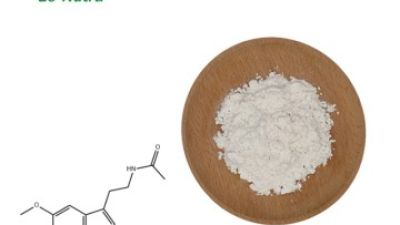
Melatonin is a naturally occurring hormone involved in regulating the sleep-wake cycle. Melatonin powder, commonly supplied as a fine white powder with 99% purity and CAS No. 73-31-4, is used in food supplements and pharmaceutical products. By supporting the body’s nighttime signaling, it may help promote sleep onset, improve perceived sleep quality, and encourage a more stable rest schedule. It may also support a calm nervous system and healthy immune balance as part of an overall wellness routine.

Melatonin is often considered for occasional sleeplessness, jet lag, or changing work schedules. Because individual needs vary, products should be used according to professional guidance and the applicable product label. Possible effects include drowsiness, headache, dizziness, or unusual dreams. People who are pregnant or breastfeeding, taking medicines, managing a health condition, or considering use for a child should consult a qualified healthcare professional first. Avoid driving or operating machinery after use, and do not combine it with alcohol or other sedating substances.

Better sleep strategies can enhance its role: keep a consistent bedtime, reduce bright light and screen exposure before bed, maintain a cool and quiet bedroom, limit caffeine later in the day, and use relaxation practices such as gentle stretching or slow breathing. Powder ingredients should be accurately measured and stored in a dry, secure place.

FAQS

How should I define my supplement product before contacting suppliers?

Identify the target customer, daily routine, preferred format, price range, and purchase concerns. A focused position works better. A product for office workers may need portable packaging and simple daily use. Avoid broad health promises.

What should a one-page product brief include?

Include the customer profile, serving size, flavor, dosage form, packaging material, and permitted claims. Add expected order volume and target delivery date. Clear details help suppliers quote comparable products.

How can I compare several supplement suppliers fairly?

Send the same product brief to each supplier. Compare minimum order quantities, sample fees, lead times, packaging options, and payment terms. Use one spreadsheet. Low pricing alone is not enough.

Which documents should I request from a supplier?

Request current certifications, production licenses, audit reports, batch-level analysis certificates, and written product specifications. Ask for testing results covering identity, purity, heavy metals, microbes, and allergens. Missing evidence deserves caution.

What should I check about ingredient sourcing?

Ask where each ingredient comes from and how supplier changes are controlled. The supplier should explain traceability from incoming materials to finished batches. Vague answers are a warning sign.

Why are product samples important?

Samples reveal capsule size, color, odor, powder flow, texture, seal quality, and label accuracy. Keep each sample with its supplier code and production date. A sample is not proof of final consistency.

Should I test a pilot batch before placing a large order?

Yes. A pilot batch can reveal problems hidden by an attractive sample. Use an accredited laboratory to test identity, purity, potency, and contaminants. Test again after production.

Do quality certificates replace laboratory testing?

No. Quality systems support control, but certificates cannot prove every batch is suitable. Review laboratory results against approved specifications. I once trusted polished documents too quickly. That was a weak assumption.

Conclusion

How To Start A Supplement Brand begins with defining a clear target market, identifying customer needs, and selecting products that match your desired positioning. The next step is to research and compare reputable supplement suppliers in China by reviewing their capabilities, production experience, communication, minimum order quantities, and customization options. Supplier credentials, certifications, quality systems, and manufacturing standards should be carefully verified before making a decision.

After selecting potential partners, prepare your formula, ingredient specifications, packaging design, labeling requirements, and brand guidelines. Request samples to evaluate taste, appearance, consistency, and overall quality before approving mass production. Finally, create a practical plan covering manufacturing timelines, quality inspections, compliant documentation, logistics, shipping, inventory management, and product launch activities. Careful planning and consistent communication throughout the process can help build a reliable supply chain and support a successful supplement business.

Oliver

Oliver

Oliver is a dedicated marketing professional with extensive expertise in the research and production of natural, healthy, and innovative raw materials. He plays a crucial role in our company's mission to provide high-quality ingredients for nutraceuticals, food and beverage, as well as cosmetics......
Previous China Top Supplement Formulation Development Guide
Next China Top Botanical Peptide Manufacturers and Suppliers