The supplement market is really growing fast right now, but honestly, choosing the right supplier still isn’t as straightforward as you might think. I mean, Grand View Research estimated that in 2023, the worldwide dietary supplements market hit around $177.5 billion, and they’re predicting it’ll keep booming through 2030. Meanwhile, the Council for Responsible Nutrition mentioned that in 2024, about 75% of adults in the U.S. were using dietary supplements. That’s tons of demand! But here’s the thing – just because these numbers look good, it doesn’t mean the quality of the products is always up to par.
So, in this Private Label Supplement Manufacturer Guide, I’ve highlighted ten manufacturers who work with everything from brands and retailers to health-focused businesses. The main takeaway? Don’t be dazzled by snazzy packaging or fancy sales pitches. Instead, focus on real, practical evidence. Things like manufacturing capacity, quality controls, certifications, support with formulations, minimum order requirements, lead times, and clear pricing are what really matter. Oh, and don’t forget to check out Supplement Components too, along with ingredient sourcing, allergen controls, stability testing, and what the finished product specs are. Good documentation makes all the difference.
Seriously, look past the shiny sales talk.
In the U.S., facilities making dietary supplements have to follow FDA rules under 21 CFR Part 111 – basically, current Good Manufacturing Practice standards. Good manufacturers should provide batch records, Certificates of Analysis, traceability info, and access to third-party testing when needed. Certifications from NSF, UL, or USP can help boost confidence, but you’ll want to check exactly what the scope covers because a logo alone doesn’t guarantee quality.
And here’s a little reality check: no ranking is forever perfect. A manufacturer that’s great for a small batch of 500 units might not be able to handle big-volume orders for multinational retailers. Some suppliers might have super impressive formulas but poor communication, while others might be great operationally but offer limited customization options. So, this guide mainly compares what’s observable—capabilities and potential pitfalls. But hey, don’t skip the step of doing your own audits, verifying claims, and asking for updated documents before locking anything in. Yeah, it might seem like a slow process, but taking that extra time can save you a lot of headaches (and money) down the road.
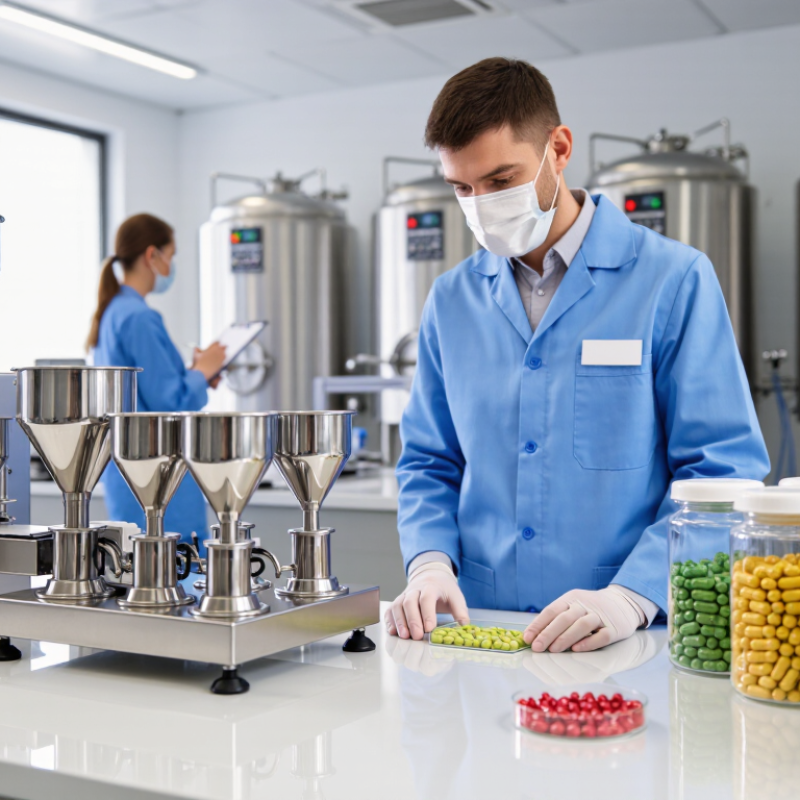
Private label supplement manufacturing turns an approved concept into a packaged product under your own label. The process begins with a defined formula, intended use, serving size, and target customer. A manufacturer may source vitamins, minerals, botanicals, or other permitted ingredients. Each ingredient should have specifications, supplier records, and identity testing. You should ask how materials are quarantined before release. Small details matter. A dusty receiving area or unclear lot code can signal weak controls.
After formula review, technical staff assess mixing, capsule filling, tablet compression, or liquid production. They calculate batch size and confirm equipment suitability. Manufacturing should follow current good manufacturing practices and documented sanitation procedures. In-process checks may measure weight, moisture, fill volume, and appearance. Finished batches require testing matched to the formula. Results can include potency, microbiological limits, heavy metals, and stability data. A certificate of analysis is useful, but it is not the whole quality system. Review the testing method and laboratory competence.
Private label work also includes packaging, label review, storage, and distribution. The manufacturer should provide batch records, traceability, retain samples, and a clear process for handling complaints or recalls. Confirm minimum order quantities, lead times, change controls, and formula ownership before signing. Real experience teaches patience: attractive samples do not prove consistent production. One weakness remains common. Teams sometimes approve a formula before checking shelf-life needs or label requirements. That mistake can create costly rework. A careful partner welcomes questions, documents limitations, and explains what it cannot guarantee.
Evaluating the top 10 private label supplement manufacturers requires more than comparing prices. A credible review examines manufacturing experience, quality systems, and transparent documentation. Look for current third-party certifications, documented sanitation procedures, and regular facility audits. Each Supplement Ingredient should have a clear specification, supplier record, and certificate of analysis. Independent testing should confirm identity, purity, strength, and contamination limits.
Production reliability also matters. Compare minimum order quantities, sample timelines, batch consistency, and realistic lead times. Ask how the manufacturer handles deviations, damaged packaging, and product recalls. Clear answers show operational maturity. Vague promises do not. Review formulation support carefully, especially when label claims require scientific evidence and regulatory care. Communication speed is useful, but accurate communication matters more. A fast reply cannot replace a complete testing report.
A fair ranking should also consider weaknesses. One manufacturer may offer excellent testing but limited customization. Another may provide flexible packaging but slower production. No scorecard is perfect. Evaluators should record evidence, explain trade-offs, and avoid ranking based on marketing language alone. That approach gives buyers a more dependable view of quality, risk control, and long-term suitability.
Top 10 Private Label Supplement Manufacturers Guide
Product development begins with a clear consumer need, not a crowded catalog. Experienced manufacturers should help turn that need into a practical formula, dosage form, and production plan. Custom formulation may include ingredient selection, flavor testing, allergen review, and stability planning. A reliable partner also explains why each ingredient is included. Vague claims deserve careful questions.
Technical expertise matters during every trial batch. Formulators should check ingredient compatibility, serving size, processing conditions, and packaging performance. Quality teams need documented testing for identity, purity, strength, and contaminants. Manufacturing records should remain traceable from raw material intake to finished product release. This evidence supports responsible decisions and builds trust with retailers and consumers.
Tips: Request a written development timeline and sample specifications. Ask how failed prototypes are recorded and improved. Review testing methods, certificates, and change-control procedures before approval. Small pilot batches can reveal texture, filling, or packaging problems early. Do not select a supplier only because its quotation is low. A cheaper formula may create higher revision costs later. Perfect development rarely happens on the first attempt. That is normal. Our own review process would still benefit from stronger consumer feedback before finalizing a formula.
| Manufacturer Profile | Best-Fit Product Focus | Common Dosage Forms | Custom Formulation Capability | Typical Initial MOQ | Typical Development Timeline | Core Services | Quality and Compliance Documentation |
|---|---|---|---|---|---|---|---|
| Profile 01 Full-Service Powder Specialist |
Protein powders, greens, hydration products, meal-replacement blends and performance formulas | Powders Sachets Stick packs | Flavor development, sweetener selection, active-ingredient adjustment, allergen-conscious formulation and solubility optimization | Approximately 500–2,500 kg or an equivalent finished-unit quantity, depending on formula and packaging | Approximately 8–16 weeks after formula approval and material availability | Formulation, flavor matching, blending, filling, packaging, label support and stability planning | Batch records, certificates of analysis, ingredient specifications, allergen statements and finished-product testing records |
| Profile 02 Capsule and Tablet Specialist |
Vitamins, minerals, herbal extracts, nootropic blends and daily wellness products | Hard capsules Tablets Vegetarian capsules | Dosage calculation, excipient selection, tablet compression, capsule-size selection and disintegration optimization | Approximately 50,000–150,000 capsules or tablets for many stock or semi-custom projects | Approximately 8–14 weeks after specifications, artwork and materials are approved | Blending, encapsulation, tableting, bottle or pouch filling, labeling and lot coding | Good Manufacturing Practice documentation, certificates of analysis, identity testing and production batch records |
| Profile 03 Gummy Manufacturing Specialist |
Children’s vitamins, beauty supplements, sleep products and consumer-friendly wellness formulas | Pectin gummies Gelatin gummies Chews | Flavor and color development, sugar-free or reduced-sugar options, active loading, texture control and shape customization | Approximately 100,000–300,000 gummies, depending on mold, formula complexity and packaging format | Approximately 12–20 weeks because cooking, depositing, curing and packaging require additional production steps | Recipe development, pilot batches, gummy production, coating, counting, packaging and sensory evaluation | Ingredient specifications, microbial testing, heavy-metal testing where applicable, allergen declarations and lot traceability |
| Profile 04 Liquid and Softgel Specialist |
Omega oils, liquid vitamins, botanical liquids and oil-based nutrient products | Softgels Drops Liquid shots | Oil-soluble nutrient selection, emulsification, viscosity adjustment, flavor masking and oxidation-control planning | Approximately 50,000–150,000 softgels or 5,000–25,000 liquid units, depending on format | Approximately 10–18 weeks after formula, packaging and stability requirements are confirmed | Oil blending, softgel encapsulation or liquid filling, bottle selection, nitrogen flushing where appropriate and packaging | Peroxide or oxidation testing for oils, certificates of analysis, microbial results, fill-weight records and stability documentation |
| Profile 05 Herbal and Botanical Specialist |
Traditional herbal products, adaptogen blends, teas, tinctures and plant-based wellness supplements | Capsules Powders Liquid extracts | Extract-ratio selection, standardized-extract sourcing, marker-compound specification, taste management and botanical compatibility review | Approximately 500–2,000 kg for powders or 50,000–150,000 capsules, depending on the ingredient set | Approximately 10–18 weeks, with additional time possible for botanical sourcing and testing | Ingredient sourcing, botanical identification, extraction coordination, blending, encapsulation and label review | Botanical identity testing, certificates of analysis, pesticide or contaminant testing where required, allergen statements and traceability records |
| Profile 06 Sports Nutrition Specialist |
Pre-workout, post-workout, amino-acid, electrolyte, creatine and endurance products | Powders Capsules Ready-to-mix sachets | Performance-targeted dosing, flavor systems, electrolyte balancing, stimulant-level review and banned-substance risk management | Approximately 500–2,500 kg for powders or 50,000–150,000 units for capsules and sachets | Approximately 8–16 weeks after formula approval, with extra time for specialized testing | Formula design, flavor trials, blending, sachet filling, tub filling, sports-nutrition testing and label support | Certificates of analysis, identity and potency testing, allergen declarations, heavy-metal testing and optional prohibited-substance screening |
| Profile 07 Beauty-from-Within Specialist |
Collagen, hair-and-nail, skin-support, antioxidant and women’s beauty supplements | Powders Capsules Gummies | Collagen-source selection, flavor masking, active compatibility review, beauty-focused dosage design and premium packaging coordination | Approximately 500–2,000 kg for powders or 50,000–150,000 units for capsules and gummies | Approximately 10–18 weeks, depending on flavor development and packaging requirements | Concept development, formulation, sensory testing, blending, filling, packaging and claim-support documentation | Raw-material certificates, microbial testing, allergen information, identity testing and finished-product certificates of analysis |
| Profile 08 Functional Beverage Specialist |
Hydration drinks, wellness shots, energy beverages, ready-to-drink formulas and powdered drink mixes | RTD beverages Shots Drink powders | pH adjustment, preservative strategy, flavor development, suspension control, carbonation options and shelf-life planning | Approximately 10,000–50,000 liquid units or 500–2,500 kg for dry beverage mixes | Approximately 12–24 weeks because pilot production, process validation and stability work may be required | Bench formulation, pilot batches, hot-fill or aseptic process coordination, powder blending, filling and packaging | pH and water-activity records, microbial testing, shelf-life data, certificates of analysis and process-control documentation |
| Profile 09 Organic and Clean-Label Specialist |
Certified-organic, vegan, non-GMO, allergen-conscious and minimally processed supplement lines | Capsules Powders Tablets | Organic ingredient substitution, excipient reduction, vegan capsule selection, allergen controls and clean-label reformulation | Approximately 50,000–150,000 units or 500–2,000 kg, depending on the product and certification requirements | Approximately 10–20 weeks, excluding time needed for certification or special ingredient sourcing | Clean-label formulation, certified-ingredient sourcing, production, packaging, label review and certification coordination | Organic or non-GMO certificates where applicable, allergen-control records, certificates of analysis, traceability documents and GMP records |
| Profile 10 Flexible Pilot-to-Scale Partner |
Start-up launches, limited-edition products, market tests and multi-SKU private label programs | Capsules Powders Tablets Gummies | Stock-formula modification, small-batch trials, flavor adjustments, dosage changes and staged scale-up planning | Approximately 10,000–50,000 units for selected stock or semi-custom products; fully custom products may require higher volumes | Approximately 6–14 weeks for stock or semi-custom products; fully custom projects commonly require longer | Product selection, sample coordination, formula adjustment, packaging sourcing, label artwork support and repeat-order planning | Certificates of analysis, product specifications, allergen statements, batch records and available stability or shelf-life information |
| Benchmark note: MOQ and timeline figures are typical industry planning ranges rather than fixed quotations. Actual requirements vary by dosage form, ingredient availability, packaging format, testing protocol, certification needs, formula complexity and production schedule. Buyers should verify current GMP status, testing scope, regulatory responsibilities, claims support and commercial terms directly with each qualified manufacturer. | |||||||
Choosing among the top private label supplement manufacturers requires more than comparing prices. Grand View Research valued the global dietary supplements market at approximately USD 177.5 billion in 2023. That scale increases pressure on manufacturers to prove consistency, not merely promise it.
A reliable facility should operate under FDA 21 CFR Part 111 current good manufacturing practices. Ask for batch records, supplier qualification files, and documented deviation reviews. Certifications such as NSF/ANSI 455-2 or ISO 22000 can strengthen oversight, but certificates are not magic shields. They must match the actual production site and product scope.
Testing should confirm identity, potency, microbial limits, heavy metals, allergens, and stability. For Health Supplement Actives, request a lot-specific certificate of analysis, not a generic template.
Details reveal experience. Watch the operator verify the powder lot before weighing. Check whether scales are calibrated and cleaning logs include time, initials, and equipment numbers.
CRN’s 2023 Consumer Survey reported that 74% of U.S. adults use dietary supplements, making traceability a serious consumer issue.
Still, testing every risk equally may be unrealistic. A manufacturer should explain its risk-based sampling plan honestly. No audit is flawless. I would question any supplier claiming zero deviations, because unreported problems may be worse than documented ones.
A reliable private label manufacturer should offer more than attractive bottles. Ask how it controls packaging materials, label approvals, and batch documentation. Experienced teams review serving sizes, ingredient names, allergen statements, and required warnings before production. They should also provide certificates of analysis for each batch. These records help verify identity, purity, and consistency. For products containing B12 Supplement Ingredients, confirm the vitamin form and declared amount match the approved formula. Small label errors can create expensive delays. I have seen packaging look polished while missing critical storage instructions.
Tips: Request a prepress label proof. Check every unit, comma, and measurement. Confirm that the container protects light-sensitive ingredients. Ask whether tamper-evident seals and child-resistant options suit your market.
Regulatory support should reflect the destination country, not a generic global template. A competent partner can explain claim boundaries, notification duties, and required local language. They should maintain change-control procedures when formulas, suppliers, or packaging materials change. Ask for traceability from incoming raw materials to finished cartons. It is also useful to review mock labels with an independent regulatory professional. Manufacturer guidance is valuable, but it is not a substitute for verification. Requirements change, and assumptions age badly. Choose a supplier willing to document decisions, correct mistakes, and discuss uncertainty openly.
A strong private label supplement manufacturer must balance minimum orders, pricing, lead times, and scalability. Grand View Research valued the global dietary supplements market at about USD 177.5 billion in 2023, with continued growth expected through 2030. That growth attracts new suppliers, but capacity claims require verification.
Typical minimum orders range from 500 to 5,000 units, depending on capsules, powders, packaging, and formulation complexity. Small runs may cost 20% to 40% more per unit than larger production batches. A practical quote should separate formulation, testing, packaging, freight, and setup charges. Ask whether the price includes stability testing and batch documentation. Hidden costs appear quickly.
Lead times often run 6 to 12 weeks after artwork approval and raw-material release. Custom formulas can take longer. For Nac Supplement Ingredients, buyers should confirm identity testing, purity specifications, allergen controls, and regional compliance before placing an order. FDA dietary supplement current Good Manufacturing Practice rules require documented controls, but certification alone does not guarantee smooth execution. It is worth requesting recent audit records and a sample certificate of analysis. Scalability also needs proof: compare pilot-batch output with monthly capacity, backup suppliers, and packaging-line availability. The lowest MOQ is not always the safest choice. I have seen attractive quotes become expensive after revisions, delays, and rejected samples. Supplier promises need evidence.
Selecting a private label supplement manufacturer requires more than comparing unit prices. The Council for Responsible Nutrition reported that 74% of U.S. adults used supplements in 2023, raising customer expectations for safety and evidence. Your supplier should follow FDA dietary supplement cGMP requirements under 21 CFR Part 111. Ask for recent audit records, batch traceability, allergen controls, and product-specific certificates of analysis.
Look closely at testing details. A reliable manufacturer can show identity, potency, microbiological, and contaminant results for each batch. Ask whether an independent laboratory performs the testing. Review stability data too, especially for powders, oils, and products exposed to heat during shipping. A printed certificate is not enough. The laboratory name, method, lot number, and test date should match your product.
Manufacturing capacity also matters. Grand View Research valued the global dietary supplements market at USD 177.5 billion in 2023, with continued growth expected through 2030. Fast growth can create rushed production schedules. Confirm minimum order quantities, lead times, formulation ownership, packaging controls, and recall procedures before signing. A polished factory tour can mislead. I would request a sample production record and inspect one finished unit myself. Small weaknesses often appear in labels, seals, or storage logs. Price still matters, but it should follow quality evidence, not replace it.
A practical 100-point framework for selecting the right manufacturer for your brand
Regulatory compliance and independent quality testing receive the highest weighting because they directly affect product safety, market access, and brand credibility. Minimum order quantity, lead time, formulation support, packaging, and cost should then be evaluated according to your launch plan and budget.
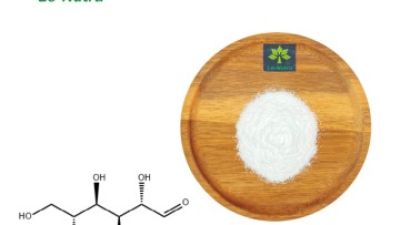
Gentle D-Mannose Powder offers a simple way to support everyday urinary tract health. D-Mannose is a naturally occurring sugar closely related to glucose and is valued for its gentle profile. As part of a balanced wellness routine, it may help maintain a healthy urinary environment when combined with adequate hydration and good personal care. It is intended for general nutritional support and should not replace professional medical advice or prescribed treatment.
This D-Mannose powder is available in a 99% specification and has a clean, white crystalline appearance, making it suitable for a variety of formulated health products. The ingredient is also identified as Mannose or D-Mannose and is supplied as a fine powder for convenient handling and processing. For storage and transport, it can be packed in vacuum aluminum foil bags or in 25 kg fiber drums lined with a double layer of food-grade polyethylene bags. Users should follow applicable usage guidance, keep the powder sealed in a cool, dry place, and seek medical advice if urinary discomfort persists or is accompanied by more serious symptoms.
It turns an approved formula into a packaged product under your label. A manufacturer handles sourcing, production, testing, packaging, and distribution.
Confirm the ingredients, serving size, intended use, and target customer. Check shelf-life needs and label requirements early. Late changes can create costly rework.
Ask for ingredient specifications, supplier records, identity testing, and lot-specific documents. Materials should remain quarantined before release. Observe receiving areas and lot-code practices.
The facility should follow documented sanitation and current good manufacturing practices. Staff should verify powder lots before weighing. Scales must be calibrated.
Testing may cover potency, identity, microbial limits, heavy metals, allergens, and stability. Match testing to the formula’s risks. A certificate alone is insufficient.
Request a prepress label proof before production. Check every measurement, comma, ingredient name, and warning. Use suitable containers for light-sensitive ingredients.
Support should match the destination country and its language requirements. The team should explain claim limits, notifications, and label obligations. Independent review remains wise.
Request batch records, traceability documents, retain samples, and complaint procedures. Also confirm deviation reviews and change controls. Clear records reveal hidden weaknesses.
Review minimum order quantities, lead times, formula ownership, and production capabilities. Attractive samples do not prove consistent manufacturing. I would ask more questions.
No. Certificates are not magic shields. Confirm they cover the actual site and product scope. Check testing methods, laboratory competence, and documented limitations.
This Private Label Supplement Manufacturer Guide explains how private label supplement manufacturing helps brands bring products to market under their own identity. It covers the full process, from selecting ingredients and developing custom formulas to producing, testing, packaging, and preparing products for sale. The guide also outlines how leading manufacturers can be evaluated through their experience, production capabilities, quality systems, certifications, facility standards, and transparency.
Readers will learn how packaging, labeling, regulatory support, minimum order quantities, pricing, lead times, and production scalability can affect a project’s success. Special attention is given to quality control, including ingredient verification, batch testing, documentation, and consistent manufacturing procedures. By comparing these factors and aligning them with business goals, budget, target customers, and expected growth, brands can make a more informed decision and select a reliable manufacturing partner for long-term product development.