Leave Your Message
0%

Choosing the right ingredients for your sports nutrition supplements really starts with understanding your own needs, not just what's on the marketing label. Things like how much you train, your body size, dietary restrictions, the climate you're in, and your recovery goals all influence what’s best for you. For instance, a marathon runner might be looking for carbs to keep energy up, while someone lifting weights might focus on creatine and enough protein to build muscle. The key is finding a formula that addresses a specific problem you're facing — it shouldn’t promise some magic overnight transformation.

Professor Louise Burke, who used to head up sports nutrition at the Australian Institute of Sport, has a simple but handy rule: “Food first, but not always food only.” That really helps keep supplement choices realistic. High-quality sports nutrition ingredients can be super useful when your training demands make it tough to get everything from food alone. Look for products with proven ingredients, transparent dosing info, and forms that match solid research. For example, whey or plant-based protein can help you hit your daily protein goals. Carbs are great for longer workouts, and electrolytes like sodium matter if you’re sweating buckets. Caffeine? It can give you a nice mental boost, but be mindful of how much you can handle and timing so it doesn’t mess with your sleep.

And just because a supplement comes in a clean package doesn’t mean it’s automatically good. Always check the full ingredient list. Keep an eye on serving sizes, added stimulants, allergens, or sneaky blends. Independent testing from groups like NSF Certified for Sport or Informed Sport can give you some peace of mind. But remember, certification isn’t a substitute for talking to a professional. Some ingredients look promising but haven’t been studied enough, and others only work well in specific situations — it’s easy to forget that stuff. This guide looks at the best ingredients for sports nutrition, based on real-world use, science, quality checks, and what’s practical. It’s not about having the longest list of ingredients — it’s about making smarter, safer choices for your training journey.
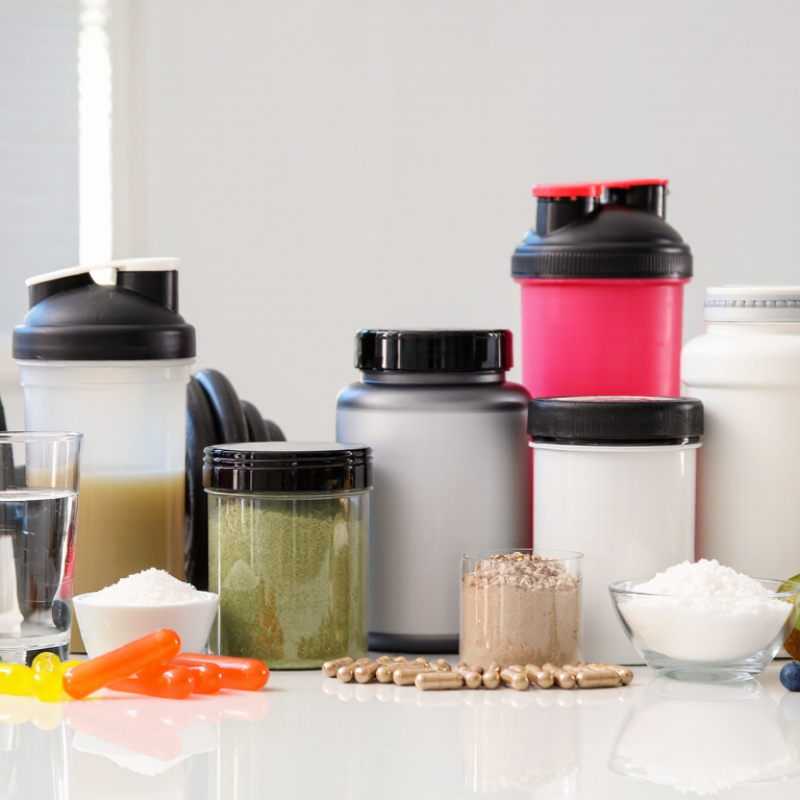
How to Choose the Best Ingredients for Sports Supplements?

Define the Purpose and Performance Goals of the Supplement

Choosing sports supplement ingredients should begin with one question: What performance problem must the formula solve? A product for repeated sprinting needs a different design from one supporting recovery or daily protein intake. Define the athlete, training session, target outcome, and testing period before selecting ingredients. Vague goals create vague formulas.

For strength and muscle development, protein quality and total intake matter. The International Society of Sports Nutrition recommends approximately 1.4–2.0 grams of protein per kilogram of body weight daily for exercising individuals. It also suggests about 20–40 grams of high-quality protein per serving. For high-intensity performance, the ISSN caffeine position stand reports that 3–6 milligrams per kilogram may improve alertness and exercise capacity. That dose still requires caution. Body weight, tolerance, sleep, and timing can change the result. Start lower.

Ingredient choice must match the intended benefit, not current trends. Creatine monohydrate has substantial evidence, with the ISSN reporting a common maintenance intake of 3–5 grams daily. Independent testing, accurate labeling, and contaminant screening strengthen reliability. In practice, a formula may look impressive but fail because the active dose is too small. I have seen this problem repeatedly. Also, “Best Hydrolyzed Keratin For Hair” is a beauty-focused search phrase, not proof of sports performance value. A careful review should separate appearance claims from measurable outcomes, then revise the formula when real user data disagrees.

Identify Evidence-Based Ingredients for Specific Athletic Needs

How to Choose the Best Ingredients for Sports Supplements?

Choosing an ingredient should begin with the athlete’s actual goal, not a colorful label. Strength athletes may consider creatine monohydrate, which has strong research supporting repeated high-intensity performance. Endurance athletes might examine caffeine or nitrate-rich beetroot products. However, responses vary.

Match the ingredient to the event. Caffeine can improve alertness and perceived effort, but it may disturb sleep or cause uncomfortable jitters. Beta-alanine may support repeated intense efforts, although skin tingling can feel alarming.

Protein supports muscle repair when daily intake is insufficient. It cannot replace balanced meals.

Read the evidence carefully. Look for randomized trials, realistic doses, and research involving similar athletes.

Botanical Food Supplements need extra scrutiny because plant compounds can vary between batches. Check botanical names, extract standards, contaminant testing, and clear serving information. Third-party certification adds useful reassurance, though it is not a guarantee.

Evidence is rarely perfect.

A practical error is choosing several ingredients at once. If performance changes, you may not know why. I now prefer introducing one product during training, recording dose, timing, sleep, stomach comfort, and performance. Individual testing matters. Coaches, qualified sports dietitians, and medical professionals can help identify allergies, medication interactions, or unsafe combinations. A supplement should fit the athlete’s needs, competition rules, and tolerance, not merely follow current trends.

Assess Ingredient Quality, Purity, and Effective Dosages

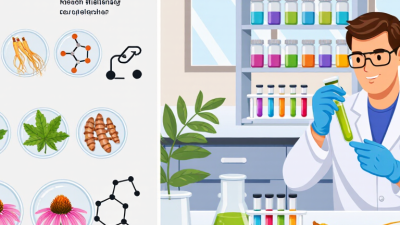
Choosing ingredients for sports supplements requires more than reading a bright label. When evaluating Botanical Dietary Supplements, I check the plant’s exact species, growing conditions, and extraction method. “Plant extract” alone is too vague. A reliable supplier should provide identity testing and traceable sourcing records.

Purity deserves equal attention. I look for independent testing that checks heavy metals, pesticides, microbes, and undeclared stimulants. A certificate of analysis should match the specific batch, not a generic document. The label should clearly list allergens, excipients, and the extract’s standardization. A clean-looking package can still mislead me.

Effective dosage depends on evidence, ingredient form, and personal tolerance. I compare the stated amount with human studies, while checking whether researchers used a whole plant or a concentrated extract. More is not automatically better. Some products list impressive amounts without explaining active compounds. That is a warning sign. I also consider training intensity, diet, medications, and existing health conditions. Qualified healthcare advice matters, especially before combining several products. My own assessment is never perfect; study populations differ, and supplement labels can change. I would rather choose a transparent formula with modest claims than trust a dramatic promise.

Check Safety, Interactions, and Sport-Specific Regulations

Choosing Nutrition Ingredients for sport supplements requires more than reading the front label. Check the exact dose, extraction method, allergens, and every inactive ingredient. The U.S. National Institutes of Health warns that supplement quality and safety can vary widely. Look for independent batch testing and verify the certificate against the product’s lot number. A missing certificate is a warning sign.

Interactions deserve a written check. Caffeine may improve alertness, but EFSA reports that single doses up to 200 mg are generally safe for healthy adults, while total daily intake should usually remain below 400 mg. Add coffee, gels, and energy drinks together. Some herbal extracts may affect blood pressure, clotting, or prescription medicines. Ask a pharmacist before combining them. Small details matter.

Sport rules create another risk. WADA’s current Prohibited List changes annually, and national federations may apply additional requirements. A 2004 International Journal of Sports Medicine analysis found undeclared anabolic agents in about 15% of tested non-hormonal supplements. The finding is old, but the lesson remains uncomfortable. “Natural” does not mean competition-safe. Choose products with transparent manufacturing records, avoid vague proprietary blends, and keep photographs of labels and batch numbers. Athletes should check ingredients against the current WADA database before use, not after a failed test. I would also record side effects, sleep changes, and training performance. Memory is unreliable. Some decisions still need rethinking.

How to Choose the Best Ingredients for Sports Supplements? - Check Safety, Interactions, and Sport-Specific Regulations

Ingredient Common Sports Use Evidence-Based Considerations Key Safety Checks Important Interactions or Restrictions Sport-Specific Regulatory Note Selection Signal
Creatine monohydrate Repeated high-intensity efforts, strength training, power development, and lean-mass support. One of the most extensively studied sports supplements. Benefits are most consistent for high-intensity, repeated efforts and resistance training. Choose a clearly identified single ingredient with no undisclosed blends. Possible effects include water-weight gain and gastrointestinal discomfort. People with kidney disease should seek medical advice before use. Use caution with dehydration, pre-existing kidney problems, or medicines that may affect kidney function. Hydration and total dietary intake should be considered. Not prohibited by WADA
Confirm the current rules of the relevant federation.
Strong option
Caffeine Alertness, perceived-effort reduction, endurance, and high-intensity exercise performance. Can improve performance in some athletes, but response varies. Total intake from coffee, energy products, medicines, and supplements must be counted. May cause insomnia, anxiety, tremor, palpitations, reflux, or gastrointestinal symptoms. Avoid excessive intake and late-day use. Extra caution is appropriate for adolescents, pregnancy, and cardiovascular conditions. May interact with stimulants and some medicines that affect caffeine metabolism. Combining multiple stimulant products increases risk. Generally permitted
Caffeine has been monitored by WADA in the past; check the current monitoring program and event policy.
Use selectively
Beta-alanine Support for repeated high-intensity efforts lasting roughly one to several minutes. Benefits depend on regular use over time because it increases muscle carnosine; it is not primarily an immediate pre-workout ingredient. Transient skin tingling or flushing is common and is usually dose-related. Divided servings or a sustained-release form may reduce symptoms. No major common drug interaction is established, but individuals with medical conditions should obtain professional advice. Not prohibited by WADA
Product contamination remains a separate risk.
Reasonable option
Dietary nitrate
(for example, from beetroot)
Possible support for endurance efficiency and selected high-intensity exercise settings. Effects vary by athlete, event, baseline diet, and oral bacteria. It should not be treated as a universal performance enhancer. May cause red urine or stool, gastrointestinal upset, headache, or low blood pressure. Product hygiene and nitrate amount should be transparent. Use medical advice with nitrate medicines, blood-pressure-lowering medicines, or phosphodiesterase-5 inhibitors because blood pressure may fall excessively. Not prohibited by WADA
Check event-specific policies and product testing status.
Context dependent
Sodium bicarbonate Buffering support for repeated, very-high-intensity efforts. May help selected events, but the performance response is individual and gastrointestinal tolerance is often the limiting factor. Can cause bloating, nausea, diarrhea, and high sodium intake. People with hypertension, heart failure, kidney disease, or sodium-sensitive conditions need professional guidance. May affect medicines whose absorption depends on stomach acidity and may add to sodium load from the diet or other products. Not prohibited by WADA
Check team medical policies and sodium restrictions.
Specialist use
Protein powder
(whey, casein, soy, or pea)
Convenient protein intake for muscle repair, adaptation, and meeting daily protein targets. Useful when food intake is insufficient; the total daily protein pattern matters more than a particular powder format. Check allergen declarations, lactose content, calories, added stimulants, contaminants, and accurate protein labeling. People with kidney or liver disease should seek individualized advice. Milk, soy, or other allergens may cause reactions. Some medicines and medical diets require individualized protein or mineral management. Protein itself is not prohibited
Choose independently batch-tested products because contamination can cause an anti-doping violation.
Useful when needed
Iron Correction of iron deficiency or iron-deficiency anemia when confirmed by clinical testing. Performance benefits are expected mainly when deficiency exists; routine high-dose use without testing is not justified. Excess iron can cause gastrointestinal symptoms and toxicity and may be dangerous in iron-loading disorders. Ferritin, hemoglobin, and other tests should guide use. May reduce absorption of levothyroxine and some antibiotics. Calcium and antacids can also interfere with absorption when taken together. Not prohibited by WADA
Use under healthcare supervision when deficiency is suspected or confirmed.
Test first
Vitamin D Bone, muscle, and immune support when intake or blood status is inadequate. Supplementation is most relevant for deficiency or inadequate exposure; high doses do not reliably improve performance in sufficient athletes. Excessive intake can cause hypercalcemia, nausea, weakness, kidney problems, and abnormal heart rhythm. Dose should reflect clinical assessment. Interactions may occur with thiazide diuretics, digoxin, calcium supplements, and medicines affecting calcium metabolism. Not prohibited by WADA
Use transparent amounts and avoid unnecessary megadoses.
Status dependent
Herbal or proprietary stimulant blends Often marketed for energy, fat loss, or focus; ingredient amounts may vary substantially. Evidence is frequently inconsistent because formulas differ and some ingredients may not be fully disclosed. Avoid “proprietary blends” that hide quantities. Screen for undeclared stimulants, adulteration, inaccurate labels, and poor manufacturing controls. Potential interactions include increased heart rate, blood pressure, anxiety, insomnia, and effects on medicines for cardiovascular, psychiatric, or thyroid conditions. High regulatory risk
Ingredients such as DMAA are prohibited; ephedrine and other stimulants may be prohibited above specified thresholds or in competition.
Usually avoid
Higenamine or unverified “fat-burner” stimulants Commonly promoted for fat loss or energy, but marketing claims may exceed reliable evidence. Evidence for safe and effective sports use is limited, and products may contain undeclared or inaccurately labeled substances. Potential concerns include cardiovascular effects, anxiety, dizziness, and unpredictable dosing. Avoid products without full ingredient quantities and credible batch testing. May interact with stimulants, blood-pressure medicines, heart medicines, and other products affecting heart rate or rhythm. Potentially prohibited
Higenamine and related stimulant ingredients require confirmation against the current WADA Prohibited List and sport-specific rules.
Exclude unless cleared
Practical selection rule: Prioritize a clearly labeled single ingredient, an evidence-based purpose, appropriate dose transparency, documented quality testing, and a review of personal medical conditions and medicines. Anti-doping rules can change and may differ by sport, country, competition level, and testing program; athletes should check the current WADA Prohibited List and obtain advice from a qualified sports-medicine or anti-doping professional before use.

Compare Product Labels, Testing Standards, and Manufacturing Practices

Choosing sports supplement ingredients starts with reading the label like a quality investigator. Check the exact ingredient amounts, serving size, allergen statement, and form of each compound. A proprietary blend hides individual quantities. That weakens comparison. The 2023 Consumer Survey from the Council for Responsible Nutrition reported that 74% of American adults use dietary supplements. Many consumers, however, still treat attractive packaging as evidence of quality.

Testing standards deserve closer attention. Look for independent certification, batch-specific certificates of analysis, and testing for identity, purity, heavy metals, microbes, and undeclared stimulants. The U.S. Food and Drug Administration states that supplements are not approved for safety and effectiveness before marketing. Therefore, a confident claim on a label is not the same as verified performance. Ask whether testing occurred on the finished product, not only on incoming raw materials.

Manufacturing practices reveal hidden differences. Facilities should follow current Good Manufacturing Practices, maintain traceable batch records, and control temperature, moisture, and cleaning procedures. A 2023 analysis published in the Journal of Pharmaceutical and Biomedical Analysis found substantial variation in supplement quality across products, including inaccurate ingredient amounts. That finding makes me cautious about impressive percentages. I would compare the lot number, expiry date, testing laboratory, and manufacturer contact details before buying. Small details matter. I have also learned that “natural” does not automatically mean consistent, safe, or well tested.

Select a Formula That Fits Individual Needs and Training Demands

How to Choose the Best Ingredients for Sports Supplements?

A useful formula should match your training demands, not follow the latest fitness trend. Endurance sessions may require carbohydrates and electrolytes for prolonged sweating. Strength training often benefits from adequate protein and creatine monohydrate. However, your daily meals still matter most. A supplement should fill a gap, not replace balanced food.

Consider your body and routine carefully. A person training outdoors in hot weather may need more fluids and sodium. Someone sensitive to caffeine should avoid stimulating formulas, even before demanding workouts. Check serving sizes, ingredient amounts, allergen statements, and independent quality testing. Look for clear labels. Vague blends make informed choices harder.

I once focused too much on ingredient lists and ignored digestion. That was a mistake. A powder can appear impressive but cause stomach discomfort during a long session. Start with a small serving during ordinary training. Record energy, recovery, sleep, and digestive comfort for several days. Results are personal. Evidence guides the decision, but experience confirms whether the formula fits. If you use medication, manage a health condition, or compete under testing rules, seek advice from a qualified health professional. Even well-studied ingredients may not suit everyone.

How to Choose the Best Ingredients for Sports Supplements?

Select a formula that fits individual needs and training demands.

Protein supplements are most useful when they help close a daily intake gap. The chart shows common total daily protein targets by training context, measured in grams per kilogram of body weight. A complete protein source can be selected according to dietary preferences, digestion, allergen tolerance, and convenience.

Reference context: the adult protein RDA is 0.8 g/kg/day; sports nutrition research commonly supports approximately 1.4–2.0 g/kg/day for exercising adults, with around 1.6–2.2 g/kg/day often used when muscle growth is the primary goal. Targets refer to total daily protein, not a single serving.

High Quality Rice Protein Powder: A Practical Guide to Vegan Nutrition

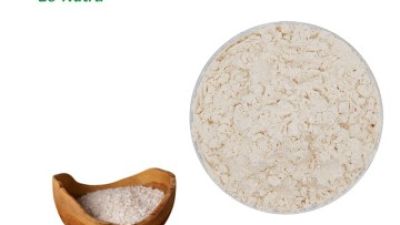
High-quality rice protein powder is a practical choice for people seeking plant-based nutrition. Made from carefully selected non-GMO brown rice, it is processed into a fine light-yellow or off-white powder with a protein content of approximately 70%–90%, depending on the extraction method. As a vegan protein source, it can help supplement daily protein intake and support muscle growth and recovery when combined with a balanced diet and regular exercise.

Rice protein powder is versatile and easy to use in nutritional smoothies, protein beverages, protein bars, functional foods, health-care supplements, and sports nutrition products. Its plant-based profile and unsaturated fat content make it suitable for a variety of modern nutrition plans. It can be blended with water, plant-based milk, fruit, or other ingredients to create a convenient snack or post-workout drink. For product development, it also offers flexibility in formulation and can be customized for different applications.

For commercial storage, the powder is commonly supplied in 20 kg kraft bags, with customized packaging available. Keep it sealed in a cool, dry place away from direct sunlight, high temperatures, and humidity. Under suitable storage conditions, its quality can generally remain stable for up to 24 months.

FAQS

How should athletes choose an ingredient for a specific goal?

Start with the event and training goal. Strength athletes may consider creatine monohydrate. Endurance athletes may examine caffeine or beetroot-derived nitrates. Responses still vary.

What are common benefits and drawbacks of caffeine?

Caffeine may improve alertness and reduce perceived effort. It can also cause jitters or disturb sleep. Test it during training, not before an important event.

Can beta-alanine support intense exercise?

Beta-alanine may support repeated, intense efforts. Some users experience skin tingling. The feeling can be alarming, though it is not automatically a danger.

When does protein supplementation make sense?

Protein may support muscle repair when daily intake is insufficient. It should complement balanced meals. More protein is not always better.

How can athletes evaluate botanical ingredients?

Check the exact plant species, growing conditions, extraction method, and standardization. Ask for identity testing and traceable sourcing records. “Plant extract” is too vague.

What purity tests should a supplement provide?

Look for batch-specific testing for heavy metals, pesticides, microbes, and undeclared stimulants. The certificate should match the purchased batch. Generic paperwork is weaker evidence.

Why should athletes avoid proprietary blends?

Proprietary blends may hide individual ingredient amounts. That makes dosage comparisons difficult. Clear labels are easier to evaluate.

How can someone test a new supplement carefully?

Introduce one product during training. Record dose, timing, sleep, stomach comfort, and performance. Keep notes. I may still misjudge the result.

What manufacturing details deserve attention?

Check batch records, expiry dates, laboratory details, and manufacturing controls. Temperature, moisture, and cleaning procedures can affect consistency. Attractive packaging proves little.

When should athletes seek professional advice?

Consult a qualified sports dietitian or medical professional before combining products. This matters with allergies, medications, health conditions, or unusual reactions. My assessment is not perfect.

Conclusion

Choosing the Best Ingredients For Sports Nutrition Supplements begins with defining the product’s purpose and the athlete’s performance goals, such as supporting energy, recovery, hydration, strength, or endurance. Each ingredient should be selected according to reliable scientific evidence and matched to a specific athletic need rather than included solely for marketing appeal. It is also important to evaluate ingredient purity, consistency, quality, and clinically appropriate dosages to ensure the formula can provide meaningful benefits.

A responsible selection process should consider potential safety concerns, interactions with medications or other supplements, and regulations relevant to the athlete’s sport and location. Comparing labels can help identify transparent formulas, accurate serving information, and unnecessary additives. Independent testing, strong quality-control procedures, and responsible manufacturing practices further improve product confidence. Finally, the best formula should reflect individual factors such as age, diet, training intensity, health status, goals, and tolerance, creating a practical supplement that complements a balanced lifestyle and well-designed training plan.
Amelia

Amelia

Amelia is a dedicated professional marketing specialist with a deep commitment to promoting natural, healthy, and innovative raw materials. As an integral part of our team, she channels her extensive knowledge into researching and marketing products that significantly enhance the fields of......
Previous 7 Best Natural Cosmetic Ingredients for Hair Care?