Leave Your Message
0%

Choosing the right ingredients really can make a noticeable difference in how your hair care feels. For example, a light botanical oil might help soften those dry, stubborn ends, while a humectant-packed extract can really boost moisture retention. But here’s the thing—just because a product claims to be 'natural', that doesn’t automatically mean it’s effective or safe. That’s why, when it comes to natural ingredients for hair care formulations, you gotta do your homework—marketing hype doesn’t cut it. Perry Romanowski, a cosmetic chemist and the guy behind Element 44 Inc., often reminds us that 'Natural does not mean safe.' And honestly, that’s pretty good advice. A plant-based ingredient might sound safe, but it could still irritate sensitive scalps, spoil quickly by oxidizing, or even mess up your finished product in unexpected ways.

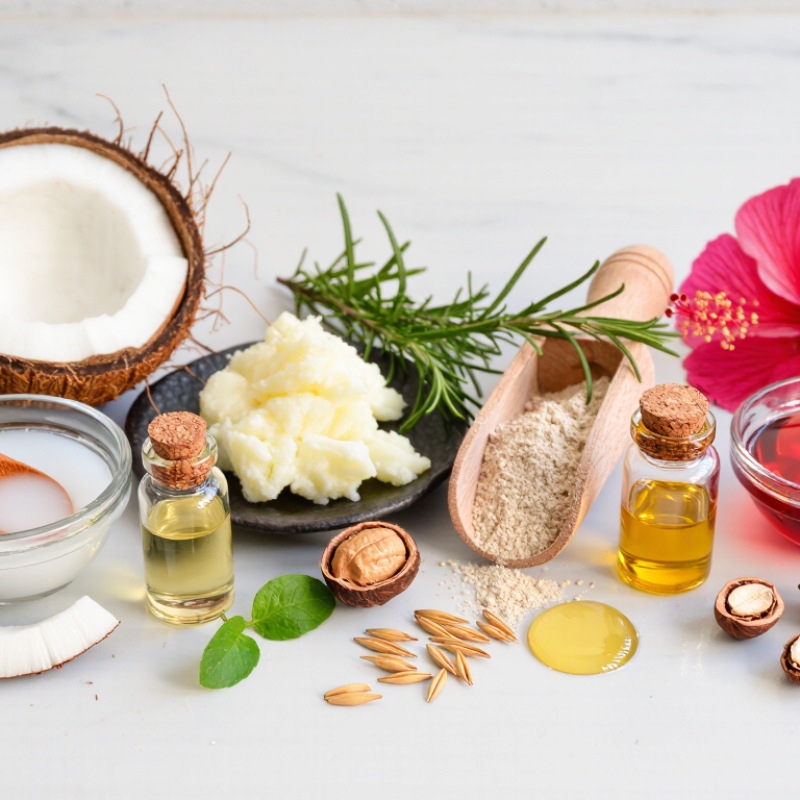
In this guide, I’m sharing seven promising ingredients—think aloe vera, coconut oil, shea butter, rosemary extract, oat extract, argan oil, and hibiscus extract. Each one brings something different to the table. Aloe vera, for instance, gives a fresh, lightweight feel, while shea butter’s great if you want richer, more nourishing products. Rosemary extract might help protect oils from going bad, but it’s important to remember—it shouldn’t be seen as a magic cure for hair growth without solid evidence. Little details really matter here. Always check the INCI names, supplier info, allergen warnings, and make sure the ingredients get along with surfactants or preservatives. And don’t forget—testing your formulas under heat, light, and multiple uses is key for a reliable product.

Now, let’s be real—real-life formulation isn’t as perfect as those fancy ingredient lists make it seem. Maybe an elegant extract turns your shampoo a weird color, or an oil that works wonders in theory ends up leaving fine hair looking flat. The goal of Cosmetic Formulations is to find the right balance—sensory feel, stability, scalp friendliness, and honest claims. Patch testing is always a good idea, and getting a professional review can save you from surprises. The seven ingredients I mentioned are great starting points, but they’re not one-size-fits-all solutions. Their success really depends on how much you use, how you process them, your packaging, and of course, who’s using the product.
7 Best Natural Cosmetic Ingredients for Hair Care?

Aloe Vera for Scalp Hydration and Hair Softness

7 Best Natural Cosmetic Ingredients for Hair Care?

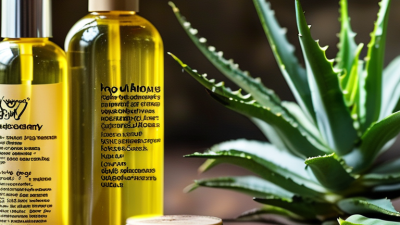
Aloe vera is a practical choice for scalp hydration and softer-feeling hair. Its watery gel contains polysaccharides that help attract and hold moisture near the skin surface. Applied after shampooing, it can make a dry scalp feel calmer and hair strands feel less rough. The effect is usually gentle, not dramatic.

Aloe works best in Herbal Cosmetic Formulations with water, mild humectants, and suitable preservatives. A small amount of gel can spread across the scalp without heavy residue. However, fresh kitchen aloe is not automatically safer. Its quality, cleanliness, and stability can vary. Patch testing remains sensible, especially for sensitive skin.

Industry demand supports this interest. Grand View Research valued the global natural cosmetics market at approximately USD 12.03 billion in 2022, with projected growth through 2030.

Cosmetics Europe reported European cosmetic and personal care retail sales of about €88 billion in 2023.

These figures show strong consumer interest, but they do not prove every natural ingredient works equally well. Aloe may improve comfort and softness, yet it cannot repair permanently damaged cuticles. I would question any formula promising instant hair transformation. Results depend on concentration, hair porosity, scalp condition, and regular use. The texture may also disappoint some users.

Coconut Oil for Moisture Retention and Breakage Control

Coconut oil remains one of the most practical natural ingredients for hair care. Its lauric acid structure helps it move into the hair shaft, rather than sitting only on the surface. A Journal of Cosmetic Science study by Rele and Mohile found that coconut oil reduced protein loss in damaged and undamaged hair. Mineral and sunflower oils showed less protection in the same testing.

That matters for breakage control. Hair loses strength when repeated washing, brushing, heat, and chemical processing remove structural proteins. Applying a small amount before shampooing can reduce friction and moisture loss. The result is not dramatic overnight. It is gradual. In my view, this is where many coconut oil claims become overstated. It may protect the fiber, but it cannot repair split ends permanently. Fine hair may also look flat or greasy after use.

Tips: Warm two teaspoons between your palms. Apply from mid-lengths to ends, avoiding the scalp if it feels oily. Leave it for 20–30 minutes before washing. Use a mild cleanser afterward. Test a small section first. Coarse, porous hair often tolerates more oil, while fine hair needs less. The Journal of Cosmetic Science findings support pre-wash use, not unlimited application. Consistency matters more than quantity.

Argan Oil for Smoothness, Shine, and Frizz Reduction

Argan oil is a practical choice for smoother, shinier hair and fewer visible flyaways. It comes from the kernels of the argan tree and contains fatty acids, including oleic and linoleic acids. These lipids can coat rough strands, helping the cuticle feel softer and look more reflective. On dry ends, two or three drops often provide enough slip without flattening the hairstyle. The effect is subtle.

In Cosmetic Chemistry Formulations, argan oil usually works as an emollient rather than a repair treatment. It cannot permanently rebuild split ends or reverse chemical damage. However, it may reduce friction during brushing and make combing feel easier. Warm one drop between your palms, then smooth it over damp mid-lengths and ends. Avoid the roots if your scalp becomes oily quickly. Too much oil creates a heavy, stringy finish.

Hair texture changes the result. Coarse, curly, or porous hair may welcome a richer layer, while fine hair may need only half a drop. I have found that applying oil before heat styling can improve softness, but it should not replace a tested heat protectant. That distinction matters. Patch testing is sensible, especially for sensitive skin, and fresh, well-stored oil is preferable because natural oils can oxidize over time. Argan oil is useful, not magical. Your hair’s condition, styling habits, and product amount still decide the final shine.

Shea Butter for Deep Conditioning and Protective Moisture

Shea Butter for Deep Conditioning and Protective Moisture

Shea butter remains one of the most practical natural ingredients for hair care. It contains fatty acids and unsaponifiable compounds that soften dry strands. It does not add water to hair. Instead, it helps reduce moisture loss after washing.

Apply a pea-sized amount to damp ends, especially after cleansing. Warm it between your palms until it becomes translucent. Then smooth it over rough areas, avoiding heavy application near the scalp. Fine hair may need less than a pea-sized amount. Very dry, coily hair may tolerate more. It is not magic.

In a simple strand test, shea butter can improve slip and reduce friction during detangling. However, too much may create buildup, dullness, or a waxy feeling. Clarifying occasionally may help, but frequent strong cleansing can worsen dryness. Patch testing remains sensible for sensitive skin.

Grand View Research estimated the global natural cosmetics market at approximately US$34.5 billion in 2023, with continued growth expected through 2030. This demand encourages more research into Cosmetic And Toiletry Formulations using recognizable plant-derived materials. Still, “natural” does not automatically mean suitable for every scalp or curl pattern. Ingredient quality, refining methods, storage, and the complete formula matter. Shea butter works best as part of a balanced conditioner, not as a universal replacement for water-based hydration.

Jojoba Oil for Balancing Scalp Oil and Supporting Hair Health

Jojoba Oil for Balancing Scalp Oil and Supporting Hair Health

Jojoba oil is technically a liquid wax ester, not a traditional plant oil. Its structure resembles part of human sebum, so it can spread lightly across the scalp without feeling excessively greasy. The aim is balance, not oil suppression. A 2024 Grand View Research report estimated the global natural hair care market at about USD 2.7 billion in 2023, reflecting growing interest in plant-based routines. Yet popularity is not proof of performance.

In practical use, place two or three drops between your fingertips. Massage them onto a clean, slightly damp scalp, especially around dry hairlines. Leave it for 20 to 30 minutes, then shampoo gently. On the hair lengths, one drop can smooth rough ends and reduce friction during combing. That detail matters. Too much may flatten fine hair. I have also found that “natural” can still irritate sensitive skin.

The Cosmetic Ingredient Review Expert Panel assessed 13 jojoba-derived ingredients and concluded they were safe as used in cosmetics, according to its safety assessment. This supports careful topical use, not unlimited application. Jojoba oil may soften flakes caused by dryness, but it cannot reliably correct dandruff, excess sebum, or hair loss. Patch-test first. Stop if redness or itching appears. A small trial is wiser than a heavy overnight coating. In truth, the evidence for scalp-oil regulation remains limited, and that uncertainty deserves more attention.

7 Best Natural Cosmetic Ingredients for Hair Care? - Jojoba Oil for Balancing Scalp Oil and Supporting Hair Health

A practical comparison of commonly used plant-derived ingredients for scalp and hair care

Ingredient Natural source Notable components Primary hair-care benefits Best suited for Use and evidence notes
Jojoba oil Liquid wax extracted from jojoba seeds Long-chain wax esters, including unsaturated fatty compounds Helps soften hair, reduce the feel of dryness, improve shine, and support a balanced-feeling scalp without being a conventional triglyceride oil Dry ends, normal-to-dry scalp, coarse or textured hair Use a small amount on the scalp or mid-lengths to ends. It conditions the hair surface, but strong clinical evidence for stimulating hair growth is limited.
Coconut oil Coconut flesh High proportion of lauric acid and other medium-chain fatty acids Can reduce protein loss from the hair shaft and help improve lubrication, softness, and manageability Dry, damaged, porous, or chemically treated hair Often used as a pre-shampoo treatment. It may feel heavy or increase stiffness on some hair types, so a small amount is advisable.
Argan oil Kernels of the argan tree fruit Oleic and linoleic acids, tocopherols, and other minor lipid compounds Provides emollience, helps smooth the hair surface, and can enhance softness and gloss Frizzy, dry, curly, or heat-styled hair Best applied lightly to damp or dry lengths. It improves cosmetic feel and appearance; it is not established as a hair-growth treatment.
Avocado oil Pulp of the avocado fruit Oleic acid, linoleic acid, phytosterols, and fat-soluble vitamins Helps condition and lubricate dry hair, supporting easier detangling and a smoother feel Thick, coarse, dry, or high-porosity hair A richer oil that may be suitable for pre-wash treatments. It can weigh down fine hair when overapplied.
Castor oil Castor seeds High level of ricinoleic acid and a naturally viscous texture Forms a rich coating that can improve gloss, reduce the sensation of dryness, and help seal the look of split ends temporarily Very dry, coarse, or tightly textured hair Use sparingly because it is thick and difficult to rinse. Evidence that it accelerates hair growth is insufficient.
Aloe vera Gel from aloe leaves Water, polysaccharides, and naturally occurring skin-conditioning compounds Provides lightweight hydration and a cooling, soothing feel for the scalp and hair surface Dry-feeling scalp, fine hair, curls, and lightweight styling routines Choose properly preserved cosmetic preparations. Fresh plant material may contain irritating latex components and is not automatically safer.
Shea butter Kernels of the shea tree fruit Stearic and oleic acids, plus unsaponifiable compounds Creates a protective emollient layer that helps reduce the feel of roughness and supports moisture retention Very dry, curly, coily, or high-porosity hair Useful in creams and sealants, particularly for the lengths and ends. It may be too rich for fine hair or oily scalps.

Practical note: Perform a small skin patch test before use, avoid applying heavily to the scalp if it is acne-prone or easily congested, and discontinue use if irritation occurs. Cosmetic ingredients mainly support conditioning, comfort, and hair-surface appearance; they should not be presented as proven treatments for hair loss or scalp disease.

Rosemary Extract for Scalp Care and Fuller-Looking Hair

Rosemary extract is gaining attention among Cosmetic&Personal Care Ingredients for scalp-focused hair care. It contains antioxidant compounds that may help protect formulas from oxidative stress. Some users also report a fresher, more comfortable scalp after regular use. That experience can make hair appear healthier and fuller.

A well-formulated rosemary scalp product should use a clearly identified extract. The extraction method, concentration, and stability all influence performance. Apply a small amount to the scalp, then massage gently with clean fingertips. Avoid aggressive rubbing, especially when the scalp feels tender. Fuller-looking hair often comes from better lift, reduced buildup, and improved styling—not instant new growth.

Evidence deserves careful reading. Research on rosemary preparations is still developing, and extract is not identical to rosemary essential oil. I would not call it a miracle. That distinction matters. A patch test can help identify irritation before wider use. Stop using the product if burning, redness, or persistent itching appears. Pairing rosemary extract with gentle cleansing and adequate conditioning may support a more balanced routine. Results can vary, and photographs under different lighting may exaggerate small changes. My own practical concern is simple: natural does not automatically mean suitable for every scalp. Expect gradual observations, not dramatic promises.

Hibiscus Extract for Strengthening and Natural Hair Conditioning

7 Best Natural Cosmetic Ingredients for Hair Care?

Hibiscus Extract for Strengthening and Natural Hair Conditioning

Hibiscus extract deserves attention among natural hair-care ingredients. Its petals contain anthocyanins, polyphenols, organic acids, and plant mucilage. These compounds may support smoother strands and a softer scalp feel. Mucilage is especially useful because it forms a light, slippery coating around wet hair.

According to Grand View Research, the global natural cosmetics market was valued at approximately USD 37.76 billion in 2022. The report also projects an 8.1% compound annual growth rate through 2030. This growth reflects stronger interest in plant-based formulations, but popularity is not proof of performance. Hibiscus still needs careful testing.

In practical formulation, hibiscus extract works well in rinses, masks, and gentle conditioning products. It may reduce combing friction and improve the appearance of dry, dull hair. It does not permanently repair broken keratin. That promise would be misleading. Results also depend on extraction method, concentration, pH, and hair texture.

Use a properly preserved extract in a tested formula. Fresh hibiscus paste can spoil quickly. It may also stain light fabrics or pale hair temporarily. Patch testing remains sensible, especially for sensitive scalps. The evidence is promising, not complete. Better studies should compare hibiscus with established conditioning agents over longer periods.

7 Best Natural Cosmetic Ingredients for Hair Care

Hibiscus Extract for Strengthening and Natural Hair Conditioning

This comparison summarizes commonly reported cosmetic functions of natural hair-care ingredients. Hibiscus extract is valued for its polyphenols and organic acids, which support antioxidant care and a smoother conditioning feel. The ratings indicate the relative prominence of each function in cosmetic formulations and are not clinical performance scores.

Sources: cosmetic ingredient literature and commonly documented formulation uses for Hibiscus sabdariffa, Aloe barbadensis, Cocos nucifera, Argania spinosa, Butyrospermum parkii, Rosmarinus officinalis, and Simmondsia chinensis.

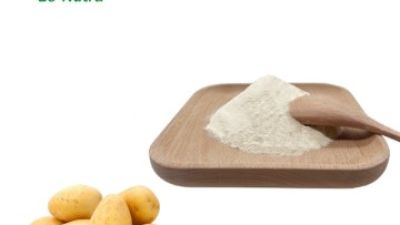
Cosmetic Grade Hydrolyzed Potato Protein: A Natural Solution for Skin and Hair Care

Cosmetic Grade Hydrolyzed Potato Protein is a plant-derived ingredient designed to support modern skin and hair care formulations. Produced as hydrolysed potato protein, potato peptide, or potato oligopeptide, it is available as a white to light grey powder with clear and transparent water solubility. Its molecular weight is controlled at no more than 2,000 Daltons, with customization available to meet different formulation requirements. The powder contains at least 80% protein on a dry basis and a nitrogen content of at least 12.57%.

In skin care products, this ingredient can help soothe the skin and enhance its hydration, making it suitable for moisturizers, serums, masks, and other daily-care formulas. Its peptide-based profile provides a nourishing option for formulations seeking a gentle, plant-based functional ingredient. In hair care applications, hydrolyzed potato protein can contribute to conditioning and moisture support while helping reduce static, leaving hair easier to manage. Its combination of water dispersibility, nutritional value, and versatile cosmetic functions makes it suitable for a wide range of skin and hair care products.

FAQS

How can argan oil improve hair appearance?

It coats rough strands with fatty acids. Hair may look smoother, shinier, and less flyaway-prone. The effect is subtle.

How much argan oil should I use?

Start with two or three drops on dry ends. Fine hair may need only half a drop. Too much creates a heavy, stringy finish.

Can argan oil repair split ends permanently?

No. It can soften ends and reduce brushing friction. It cannot rebuild broken hair permanently. That promise would be misleading.

How should I apply argan oil before styling?

Warm one drop between your palms. Smooth it over damp mid-lengths and ends. Use a tested heat protectant separately.

Is jojoba oil suitable for an oily scalp?

It may spread lightly because its structure resembles part of natural sebum. The goal is balance, not oil removal. Evidence remains limited.

How can jojoba oil be used on the scalp?

Apply two or three drops to a clean, slightly damp scalp. Leave it for 20 to 30 minutes, then shampoo gently. Avoid heavy overnight coatings.

Can hibiscus extract condition dry hair?

Its natural mucilage may create a slippery coating around wet strands. It may improve softness and combing. Results depend on formula quality.

Are fresh hibiscus mixtures always safe and effective?

No. Fresh mixtures can spoil quickly. They may also stain pale hair or fabrics. A preserved, tested formula is more practical. Patch-test first.

Conclusion

Choosing the right natural ingredients can help create gentle, effective, and versatile hair care products. Natural Cosmetic Ingredients For Hair Care Formulations may include aloe vera, which hydrates the scalp and leaves hair feeling soft, and coconut oil, which helps retain moisture and reduce the appearance of breakage. Argan oil can improve smoothness, shine, and frizz control, while shea butter provides rich conditioning and protective moisture for dry or textured hair.

Jojoba oil may help balance scalp oils and support overall hair health without feeling overly heavy. Rosemary extract is valued for scalp care and can help hair appear fuller, while hibiscus extract offers conditioning benefits and supports stronger-feeling strands. Used thoughtfully, these botanical ingredients can complement different hair types and formulation goals, helping create nourishing products that promote softness, manageability, moisture, and a healthy-looking finish.

Sophie

Sophie

Sophie is a dedicated professional marketer with a profound expertise in the natural and innovative raw materials industry. As part of a forward-thinking company that specializes in the research, production, and marketing of high-quality nutraceuticals, foods, beverages, and cosmetics, she brings a......
Previous How to Choose Botanical Extracts for Immune Support in 2026?
Next How to Choose the Best Ingredients for Sports Supplements?