Leave Your Message
Picking the right botanical extracts for immune support supplements isn’t just about grabbing something trendy or well-known. It’s important to look deeper—things like ingredient identity, extraction quality, scientific backing, and how transparent the supplier is all really matter. A flashy label can look appealing, but that doesn’t replace having solid, reliable specs behind it.
Dr. Mary Ann Lila, who heads up the Plants for Human Health Institute, once said, “Plants are nature’s chemical factories.” That really hits home because it highlights how different parts of the same plant, and even the way it’s processed, can lead to very different compounds. Plus, factors like the season of harvest, soil conditions, geography, and temperature during processing can change things up quite a bit.
By 2026, anyone serious about developing these kinds of products should be checking for proper botanical authentication, looking for standardized marker compounds, doing tests for pesticides, heavy metals, and microbes. It’s also smart to ask if there’s enough human research to support the claims. Sure, traditional uses can give some guidance, but they don’t automatically prove that something actually works.
And don’t just stop at the ingredient name. A reputable supplier should be able to provide batch-specific certificates of analysis and clear sourcing info. If their products are going to be used with prescription meds, it’s crucial to review potential interactions. Honestly, cautious language is key here—saying “supports normal immune function” sounds more honest than promising it will cure or prevent disease.
Botanical food supplements can be useful, but only when they’re made thoughtfully and with realistic expectations. Still, there’s a lot we don’t know, and some promising extracts just haven’t been backed up by large, high-quality human studies. That’s okay—it’s better to be honest about these gaps than to oversell.
In the end, the best approach combines lab testing, expert scientific review, and real-world customer feedback. It’s not the quickest route, but it’s definitely the more trustworthy one—building a solid foundation for quality and safety, rather than rushing to market.
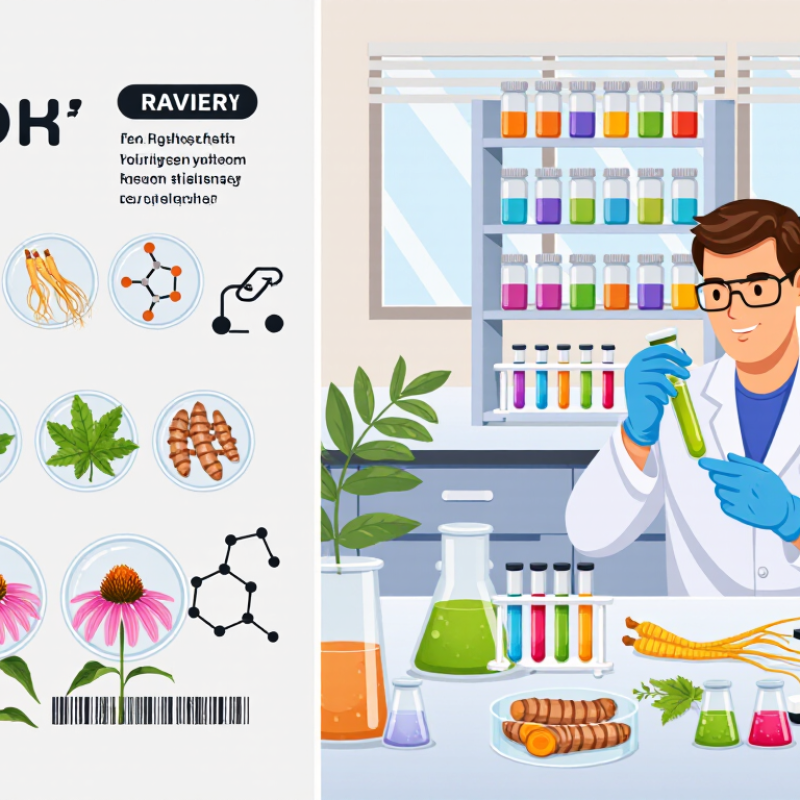
Botanical extracts are concentrated preparations made from leaves, roots, flowers, seeds, or bark. Extraction can use water, alcohol, or other permitted methods. The process changes the final profile. A tea and a standardized extract are not equivalent. Some extracts contain polyphenols, flavonoids, or polysaccharides that may interact with immune pathways. Evidence remains uneven.
MARKET DATA The market is growing. HerbalGram’s 2024 Herb Market Report recorded about $12.6 billion in U.S. herbal supplement sales during 2023. The Council for Responsible Nutrition’s 2024 Consumer Survey reported supplement use among 75% of U.S. adults.
These figures show interest, not proven immune benefits. That distinction matters. Sales data cannot replace controlled human research.
When evaluating Botanical Dietary Supplements, check the plant species, plant part, extraction method, and active-marker amount. “Immune support” can describe different biological effects. A product may support normal inflammatory signaling, but it cannot promise disease prevention. Look for independent testing, contamination controls, and clear serving information. In practice, I would also review medications, allergies, pregnancy status, and planned surgery with a qualified clinician. I have found labels surprisingly incomplete. Even familiar herbs can vary by harvest and preparation. Some clinical studies use extracts unavailable in ordinary products, which makes direct comparison difficult. WHO guidance and national regulator materials also stress evidence-based claims and responsible use.
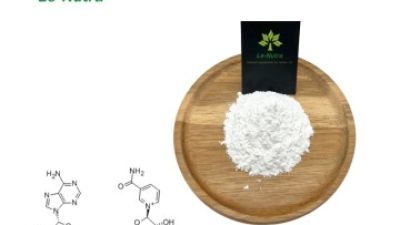
The market for premium NAD powder is gaining attention as consumers increasingly seek advanced ingredients for healthy aging, antioxidant support, and daily wellness. Industry research reports indicate growing interest in science-based nutrition, preventive health, and clean-label supplement formulations. Nicotinamide adenine dinucleotide (NAD) is valued by supplement developers for its role in cellular energy metabolism and its potential use in products designed to support cellular maintenance, antioxidant balance, and overall vitality.
This NAD powder is a white crystalline powder with a stated purity of 99% and CAS No. 53-84-9. Its versatile format allows manufacturers to develop capsules, sachets, tablets, and other powdered supplement products according to their formulation requirements. As demand rises for high-quality, transparent ingredients, suppliers are placing greater emphasis on consistent specifications, stable supply, and suitable packaging for storage and transportation.
The product is available in vacuum aluminum foil bags, while 25 kg quantities can be supplied in fiber drums lined with a double layer of food-grade polyethylene bags. This packaging configuration helps protect the powder from moisture, light, and external contamination during handling. With applications associated with anti-aging, antioxidant, anti-inflammatory, and cellular repair support, premium NAD powder aligns with current market preferences for functional ingredients that can be incorporated into modern health supplement formulas.
Beta-glucans and other polysaccharides may influence immune signaling. Flavonoids and polyphenols can support antioxidant defenses. Terpenes may affect inflammatory pathways and aroma. The chemistry matters.
Two extracts from one plant may differ in structure, dose, and extraction method. Plant part and solvent can change the final compound profile. A dark, bitter liquid is not automatically stronger.
Look for the plant part, extraction solvent, marker compounds, and measured amounts. Check the dosage range and standardization details. “Standardized” does not prove clinical effectiveness.
Request identity verification, microbial limits, heavy-metal screening, and pesticide data. Recent batch testing is preferable. Independent laboratory certificates add useful evidence.
Yes, some extracts may affect blood pressure, glucose, or liver enzymes. They may also interact with regular medicines. Ask a qualified professional before use.
Professional guidance is sensible during pregnancy or with chronic conditions. It also matters when taking regular medication. Allergies and personal tolerance deserve attention.
Create a scorecard covering compounds, plant parts, dosage, evidence, and testing. Compare two or three suitable options. Consider capsule size, taste, storage, cost, and supply consistency.
Prefer modest wording, such as supporting normal immune function. Avoid promises about preventing or treating disease. Evidence can be uneven. That deserves honesty.
Polyphenol-rich extracts may support skin antioxidant defenses. Some products can still cause irritation. Patch testing is sensible. An ingredient name alone proves very little.
No plan catches every interaction or quality problem. Record adverse events and review new research. Continue professional review after purchase. I may still miss something.
Choosing Botanical Extracts For Immune Support Supplements requires a thoughtful review of how plant extracts are produced, which compounds they contain, and what kind of immune support they are intended to provide. Depending on the plant, extracts may supply polyphenols, flavonoids, polysaccharides, terpenes, or other naturally occurring compounds. However, traditional use alone is not enough to establish effectiveness. Review the quality of available evidence, the extraction method, purity testing, and whether the product is standardized to a meaningful marker compound.
A practical selection plan should match the extract to a specific goal, such as general wellness or support during seasonal challenges, while avoiding exaggerated claims. Pay attention to dosage guidance, possible allergies, medication interactions, pregnancy or breastfeeding considerations, and underlying health conditions. Choose products with transparent labeling and independent quality testing when possible, and consult a qualified healthcare professional before use. Careful evaluation helps create a safer, more informed approach to incorporating botanical extracts into a balanced wellness routine.