Leave Your Message
Looking ahead to 2026, sourcing botanical ingredients for supplements isn’t just about comparing prices or flipping through a sleek sales sheet anymore. It’s more about really understanding where the plants come from, which part is used, and how the extract was actually made. You’d be surprised—botanical extracts labeled under the same plant name can differ a lot. A dried root isn’t the same as a concentrated root extract, so don’t assume they’re interchangeable. It’s a good idea to ask for clear specs: botanical ID, extract ratio, solvents used, and marker compounds. Then, double-check that those details match what’s actually arriving at your facility—those little details really do matter.
Good sourcing isn’t just about the paperwork, though. It’s also about traceability, realistic timelines, and testing procedures suited to the specific risks of each ingredient. Always review certificates of analysis, but don’t take them at face value—think of them as helpful starting points, not gospel. Make sure the labs doing the tests are qualified, and understand how samples are collected and processed. Ideally, your supplier should keep you in the loop about any changes in the origin, harvest conditions, or processing methods before they impact your production schedule. And when you ask for records, focus on specific lots—not just generic product brochures—they’re crucial for evaluating quality and making informed decisions on formulation and labeling. But remember, they’re just one piece of the puzzle—independent review is still a must.
Of course, there’s no such thing as a perfect supplier checklist. Sometimes, documents are incomplete, or a lower price might hide some risks. If you get vague answers, take a moment—don’t rush to conclusions. Comparing suppliers based on documented evidence, industry standards, and your own quality criteria can save you headaches down the line. Having a careful, honest conversation now can really help you avoid ingredient mismatches later on.
Before requesting quotes, translate the formula into a written extract specification. Name the plant by accepted Latin binomial, plant part, extraction solvent, drug-to-extract ratio, and intended daily dose. A leaf extract is not interchangeable with root powder. Not even close.
Set identity and potency markers around the intended use, not a supplier’s catalog. For a standardized extract, state the marker range and test method. For a whole extract, define fingerprint criteria and acceptable batch variation. Request chromatograms, residual-solvent results, contaminant panels, microbial limits, and traceability to the harvest or cultivation lot. Specify whether tests apply to every batch. This detail matters. The American Botanical Council’s 2024 HerbalGram market report estimated U.S. herbal supplement sales at $12.6 billion in 2023, up 4.4% from 2022. That growth does not prove any extract’s quality or clinical value. Record practical constraints too: taste, color, dispersibility, carrier content, packaging, and storage stability. Compare a representative sample with the eventual production lot using the same methods. Specifications can be too narrow and raise costs, or too loose to protect consistency. I still see teams overlook moisture.
Example purchasing targets for product planning—not universal standards. Confirm final specifications against the intended use, applicable regulations, safety assessment, and validated analytical methods.
| Botanical and plant part | Example extract requirements | Identity and potency testing | Key quality and safety checks | Sourcing and documentation requirements |
|---|---|---|---|---|
|
Curcuma longa Rhizome |
Specify a curcuminoid-rich extract, for example a target of at least 95% total curcuminoids. Define the extraction solvent and residual-solvent limits; avoid relying on extract ratio alone to describe potency. | Confirm botanical identity using an appropriate chromatographic fingerprint; quantify total curcuminoids using a validated HPLC method. | Set risk-based limits for heavy metals, pesticides, microbes, mycotoxins, and residual solvents. Consider testing for synthetic colorants or undeclared adulterants where supply-chain risk warrants it. | Require country and region of cultivation, plant-part confirmation, lot traceability, process description, and a batch-specific certificate of analysis (CoA). |
|
Camellia sinensis Leaf |
Define the catechin profile and target potency; for example, specify total catechins and EGCG separately. Set a caffeine limit appropriate to the product’s intended caffeine content. | Verify identity by chromatographic fingerprint and quantify EGCG, other relevant catechins, and caffeine with validated methods. | Include contaminant and residual-solvent testing. Assess the intended daily intake and applicable safety and labeling requirements, particularly for concentrated green tea extracts. | Specify leaf origin, harvest or processing details where relevant, extraction conditions, storage controls, and lot-specific results for the declared active constituents. |
|
Silybum marianum Fruit (commonly called seed) |
Define the silymarin target and the measurement method; a purchasing target such as 80% silymarin may be used when technically justified and verified by the agreed method. | Confirm species and plant part using an appropriate identity method; assay silymarin and, where needed, its relevant flavonolignan profile by validated chromatography. | Set specifications for microbial quality, heavy metals, pesticides, mycotoxins, and residual solvents based on the material and destination market. | Request traceability to source material, extraction-solvent details, process controls, change-notification terms, and a CoA with actual batch values rather than pass/fail statements alone. |
|
Zingiber officinale Rhizome |
Choose a gingerol-containing extract and define the target gingerol profile. A target such as 5% total gingerols can be considered for a concentrated extract, but should be matched to the formula and assay method. | Verify rhizome identity and use a validated chromatographic method to measure gingerols and shogaols as appropriate to the processing method. | Specify contaminant limits, residual solvents, moisture, and microbiological criteria. Assess stability under the planned packaging and storage conditions. | Document origin, drying and extraction conditions, batch traceability, and any carriers or processing aids that remain in the finished ingredient. |
|
Withania somnifera Root |
Specify root-only material if required by the product brief. Set a withanolide target and identify the assay method; do not treat root and leaf extracts as interchangeable. | Confirm species and plant part using fit-for-purpose identity testing; quantify total withanolides using a validated, clearly defined method. | Set limits for heavy metals, pesticides, microbes, mycotoxins, and residual solvents. Include risk-based screening for undeclared plant parts or other adulterants. | Require source and plant-part traceability, extraction details, harvest and post-harvest controls, and batch-specific identity and potency results. |
For every botanical, agree on sampling plans, validated test methods, acceptance criteria, retest or expiry dating, packaging, storage, allergen status, and regulatory documentation before purchase. Confirm that supplier specifications and finished-product claims are appropriate for each intended market.
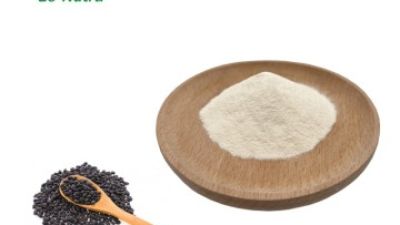
Grand View Research reports that the global plant-based protein market was valued at approximately US$14.32 billion in 2023 and projects a 7.6% compound annual growth rate from 2024 to 2030. This growth reflects rising interest in plant-derived nutrition across supplements, sports products and functional foods. Hydrolyzed black bean protein powder is one option for formulators seeking a plant-based protein ingredient for protein beverages, bars and nutritional smoothies.
The powder is described as white to off-white, with a listed botanical source of *Glycine max* (L.) Merr., a soybean species. Hydrolysis breaks proteins into smaller peptides, making the ingredient suitable for a range of supplement and food applications. It can be positioned in products intended to support muscle growth and recovery or weight-management routines, without implying that it replaces a balanced diet or guarantees a particular result. Its plant-based profile and unsaturated-fat feature may also appeal to consumers looking for alternatives to animal-derived protein.
For commercial use, the powder is supplied in 20 kg kraft bags, with customized packaging available. Store it sealed in a cool, dry place, away from direct sunlight, heat and humidity. Under these conditions, its stated shelf life is typically 24 months. These practical specifications can help manufacturers assess ingredient handling and product planning as plant-based protein options expand.
Request farm locations, cultivation methods, harvest dates, and lot identifiers. A dated field log helps connect harvests with finished extracts.
Rain, delayed drying, and mixed collection sites can change plant chemistry. Small differences matter.
Trace one sample lot backward to the farm and forward to the finished extract. Compare sacks, field logs, seals, and lot numbers.
Records should state the accepted Latin name, plant part, origin country, solvent, and extract ratio. Root and leaf extracts may look similar.
It should show actual results, test methods, and acceptance limits. A simple “pass” provides too little detail.
Consider identity, pesticides, heavy metals, microbes, and mycotoxins when relevant. DNA testing can help, but it cannot replace broader testing.
Review audits, corrective actions, change control, and lot traceability. Ask how farm or extraction changes are recorded.
No. A tidy dossier may hide weak sampling or outdated methods. I would still interview the quality team and inspect supporting records.
Name each gap clearly and assign corrective action before increasing purchases. Some gaps may remain when small farms share collection points.
Check whether the laboratory is independent and suitably accredited for its tests. Compare reports with supplier records and retain documents by lot.
Sourcing botanical extracts for supplements in 2026 starts with clearly defining the intended plant species, plant part, extract type, potency, and product use. Buyers should confirm botanical identity and check applicable regulatory requirements for the target market before approaching suppliers. Prequalifying potential suppliers involves reviewing their experience, production capabilities, cultivation practices, harvest methods, and supply chain traceability to ensure materials can be consistently sourced and documented.
Before purchase, verify each extract’s identity, potency, purity, and safety using appropriate testing and supporting records. Assess supplier quality systems, audit information, specifications, and batch documentation, then compare pricing, minimum order quantities, lead times, shipping conditions, and continuity plans. Ongoing monitoring of supplier performance and incoming batches helps maintain consistent quality as requirements or supply conditions change. A structured process makes it easier to source Botanical Extracts Used In Dietary Supplements with clear expectations from initial specification through routine production.