Leave Your Message
0%

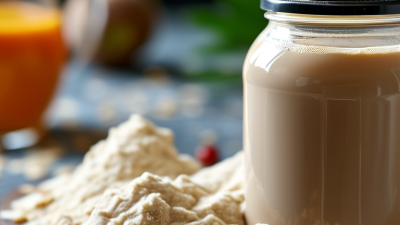
So, you might wonder, why do buyers often go for Protein Hydrolysates? Well, honestly, it usually comes down to function, not just following trends. Basically, enzymatic processing breaks down proteins into smaller peptides, which can really influence things like how soluble they are, their texture, and how easy they are to work with. For example, in a beverage test, a powder that dissolves quickly in cool water can save a bunch of time during mixing and cut down on those annoying clumps. Those little practical differences really matter to manufacturers, almost as much as what's on the nutrition label.

And it’s not just about solubility. Buyers also look at the source of the protein, how it’s processed, the peptide profile, and what they plan to use it for. All these things can affect the flavor, whether it’s bitter or not, the color, and how well it performs in the final product. When evaluating suppliers, they rely on technical data, batch specs, and quality controls to get a sense of consistent quality. Small-scale testing is also key—just because one batch works well doesn’t mean the next will behave the same way.

Now, here’s the thing—there are trade-offs. Just because something dissolves better doesn’t automatically mean it tastes better, and processing can sometimes change the flavor in unexpected ways. Plus, not every batch acts exactly the same, so buyers often need to compare samples under real production conditions—like the actual temperature, mixing time, and ingredient blend—that can be a real hassle. Early tests might not catch issues that creep up when you scale up production, which is a pain. But, taking the time to evaluate carefully really helps teams find the right hydrolysate for their specific needs instead of relying on vague claims. This article digs into why buyers care about these ingredients, the questions they ask suppliers, and the practical limits they need to keep in mind.
Why Do Buyers Choose Protein Hydrolysates?

What Protein Hydrolysates Are

Protein hydrolysates are proteins broken into shorter peptides and amino acids, usually through enzymatic processing. Picture a long chain cut into smaller pieces. The source may be milk, fish, egg, soy, or pea. Hydrolysis can change solubility, texture, and taste, but it does not automatically make a protein more nutritious or easier for everyone to tolerate.

The FAO/WHO Expert Consultation report on protein quality (2013) recommends assessing protein using digestible indispensable amino acid scores, or DIAAS. This considers amino acid composition and digestibility, rather than treating processing as proof of quality. Buyers comparing Animal Protein And Plant Protein should check the source, amino acid profile, and intended use. A hydrolysate may blend smoothly into a drink, yet some products develop a bitter edge. That detail is easy to overlook.

Tips: Check the ingredient source and processing notes, then taste a small sample in the finished recipe. Ask suppliers for composition and digestibility data; hydrolysis levels and product properties can vary.

How Enzymatic Hydrolysis Changes Protein

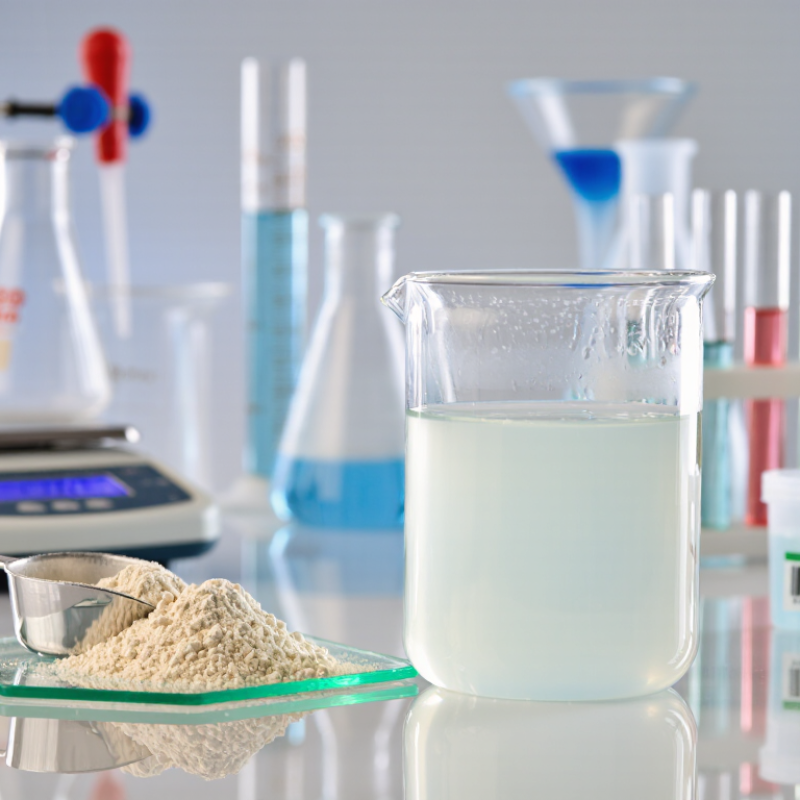
Enzymatic hydrolysis uses proteases to cut intact proteins into shorter peptides. The change is visible in a mixing tank: a powder may disperse faster, yet its flavor can become more bitter. The outcome depends on the protein source, enzyme, and degree of hydrolysis—not just the word “hydrolysate” on a specification sheet.

Shorter peptides can improve solubility and may make protein easier to digest, but they do not guarantee better nutrition or faster absorption in every product. The FAO’s 2013 protein-quality report recommends DIAAS, a method that evaluates the digestibility of individual essential amino acids. That matters to buyers: peptide size alone cannot show whether a finished product delivers a strong amino-acid profile. Check the supplier’s amino-acid data and test the ingredient in the actual recipe.

There is a trade-off. More extensive hydrolysis can alter taste, texture, and foaming, sometimes in ways that complicate formulation. I would not call every hydrolysate automatically better. The FAO/WHO/UNU 2007 report gives 0.83 grams of protein per kilogram of body weight per day as the adult safe intake level; it is a population reference, not a reason to choose one ingredient format. Bench tests still matter. A clear beverage may need different peptide characteristics than a soft nutrition bar, and real batches can surprise you.

Nutritional and Functional Benefits for Buyers

Buyers often choose protein hydrolysates for practical reasons: they can disperse more easily in drinks and mixes than some intact proteins. Smaller peptides may also support digestion, though effects depend on the ingredient and the person. Processing matters. A finely blended powder can still foam, taste bitter, or behave differently in a finished recipe. These details show up during mixing, not just on a specification sheet.

Hydrolyzed Wheat Protein can contribute soluble protein and useful texture in selected food formulations. Buyers should check its protein content, peptide profile, solubility, flavor, and batch consistency, then test it in the actual product. Wheat-derived ingredients may not suit people with wheat allergies, and hydrolysis alone does not establish that a product is gluten-free. That distinction matters. Supplier documentation and clear labeling help buyers assess suitability, but a small bench test is still worthwhile. I would not assume that “more hydrolyzed” automatically means better; sometimes the improved dispersion comes with a flavor trade-off.

Why Buyers Choose Protein Hydrolysates

Potential nutritional and functional benefits—and a formulation trade-off

How to read this chart: Bars show direction only, not effect size. Hydrolysis breaks proteins into smaller peptides; depending on the protein source and processing conditions, this may support digestion and solubility. It can also increase bitterness, so finished-product performance should be evaluated for each formulation.

Where Protein Hydrolysates Are Used

Protein hydrolysates appear in products where protein must mix, disperse, or perform differently from an intact protein. In sports nutrition, formulators may use them in drink powders, ready-to-drink beverages, and recovery blends.

Their smaller peptides can help with solubility, though the result depends on the source and processing method. Taste still matters. A bitter note can stand out in a lightly flavored shake, so sensory testing is essential.

They also show up in soups, nutrition bars, and specialized foods where texture and protein delivery need careful balancing.

Hydrolyzed Wheat Protein Powder may be selected for certain food or personal-care formulations, but its suitability depends on the intended use and product specifications.

In hair-care products, hydrolyzed wheat proteins are used as conditioning ingredients; performance can vary with the formula and hair type. Buyers should check protein source, peptide profile, solubility, allergen information, and batch documentation.

Not every product needs a hydrolysate. It can be tempting to focus on easy mixing alone, but flavor, stability, and consumer expectations may matter just as much. A small bench test often reveals issues that a specification sheet cannot.

How Buyers Compare Sources and Specifications

Buyers compare more than protein percentage. They check the source, peptide profile, solubility, flavor, and batch consistency. For Hydrolysed Wheat Protein, the specification should identify the wheat input, hydrolysis process, protein content, moisture, and degree of hydrolysis. These details help predict performance in a drink, bar, or baked product. Small differences matter: a powder that disperses in a clear beverage may still bring noticeable cereal notes.

Protein quality needs careful interpretation. The FAO’s 2013 report, Dietary Protein Quality Evaluation in Human Nutrition, recommends DIAAS, which considers digestible indispensable amino acids against age-specific reference patterns. Buyers should request relevant digestibility and amino-acid data, rather than treating crude protein percentage as a complete quality measure. Also review allergen statements, microbiological results, and test methods on the certificate of analysis. A specification can look precise, yet still leave key questions unanswered.

Tips: Compare samples under the same conditions: same water temperature, concentration, mixing time, and pH. Record dissolution, sediment, color, and aftertaste. Ask suppliers how results are tested and whether limits apply to every batch. That extra check is worthwhile. It may feel overly cautious, but inconsistent samples can make a promising ingredient difficult to use reliably.

Why Do Buyers Choose Protein Hydrolysates? - How Buyers Compare Sources and Specifications

Buyers compare protein hydrolysates by source, intended use, sensory profile, allergen status, and verified specifications. The characteristics below are general guidance: actual values vary with raw material and manufacturing process.

Protein source Typical buyer priorities Key specification checks Sensory and functional considerations Allergen and labeling considerations Common applications
Whey High protein content, rapid digestibility, and suitability for sports or clinical nutrition formulations. Protein on a stated basis (dry or as-is), degree of hydrolysis (DH), peptide-size profile, moisture, and microbiological limits. Hydrolysis can improve dispersibility, but greater hydrolysis may increase bitterness. Heat and pH stability should be tested in the finished formula. Milk allergen; verify applicable allergen-control and cross-contact documentation. Protein drinks, powders, and specialized nutrition products.
Casein Milk-derived peptides and a protein profile suited to products where slower-digesting dairy protein is desired. Protein content, DH, peptide profile, solubility across the target pH range, and batch-to-batch consistency. Solubility and texture depend on the hydrolysis process and formulation. Assess taste and performance in the intended food matrix. Milk allergen; confirm the product’s milk-protein source and labeling requirements. Specialized nutrition, beverages, and protein-fortified foods.
Soy A plant-based option with a useful amino-acid profile and potential fit for vegetarian formulations. Protein content, DH, solubility, moisture, flavor profile, and documentation for the intended market and process. Residual beany notes may affect flavor. Solubility and emulsifying behavior vary with processing and degree of hydrolysis. Soy allergen; check local labeling rules and cross-contact controls. Plant-based beverages, savory foods, and protein-fortified products.
Fish protein Marine-derived peptides and use of a fish-based protein ingredient in food or feed applications. Protein content, DH, peptide-size profile, moisture, oxidation indicators, and microbiological specifications. Marine or savory notes can be pronounced. Confirm odor, flavor, and oxidation stability in the intended application. Fish allergen; identify the fish source and review applicable species-specific labeling requirements. Savory foods, nutrition products, and animal-feed formulations.
Collagen A collagen-derived peptide ingredient selected for its specific functional or formulation role. Source species, protein content, peptide-size distribution, solubility, moisture, and relevant contaminant testing. Often selected for its solubility and relatively neutral flavor, though performance depends on grade and formulation. Collagen is not a complete protein source because it lacks tryptophan. May be bovine, porcine, poultry, or marine in origin; verify source, dietary suitability, and allergen status for marine products. Beverages, powders, bars, and other foods requiring collagen-derived peptides.

Specification checklist for supplier comparison

Specification What buyers should request Why it matters
Protein content Test method, result, and whether the value is reported on a dry or as-is basis. Enables accurate comparison and formulation calculations.
Degree of hydrolysis DH value, analytical method, and agreed tolerance. Helps characterize the extent of protein breakdown; methods and results may not be directly comparable across suppliers.
Peptide-size profile The measurement method and distribution or stated molecular-weight range. Provides additional characterization of the hydrolysate; a single average value may not describe the full distribution.
Solubility and sensory properties Test conditions, intended pH and temperature, and a representative sample for application testing. Performance and taste depend on the finished product, not just the ingredient specification.
Safety and compliance Certificate of analysis, allergen statement, microbiological limits, traceability, and market-specific documentation. Supports quality review, regulatory checks, and consistent purchasing decisions.

Cost, Taste, and Other Purchasing Trade-Offs

Why Do Buyers Choose Protein Hydrolysates?

Cost, Taste, and Other Purchasing Trade-Offs

A lower price per kilogram can be misleading. Buyers often compare the cost per serving that actually works in a finished product. Hydrolysis adds processing, so some hydrolysates cost more than intact proteins. The price may be worthwhile when the ingredient disperses well or suits a specific texture. But performance depends on the source, degree of hydrolysis, and formulation. Test it in the real recipe, not just a glass of water.

Taste matters. Hydrolysis can expose bitter-tasting peptides, and sweetness or flavoring may not fully hide them. A quick bench test can reveal problems that a specification sheet cannot. Buyers also weigh protein content, solubility, batch consistency, and supplier documentation. Ask for recent certificates and sample results, then check whether the numbers match your application. Not always. A technically impressive powder may still disappoint in a thin drink or a warm, stirred mixture. There is no perfect trade-off: a smoother option may cost more, while a cheaper one may need extra formulation work. Some teams underestimate that work.

Natural Hydrolyzed Black Bean Protein Powder: Benefits, Uses, and Supplement Guide

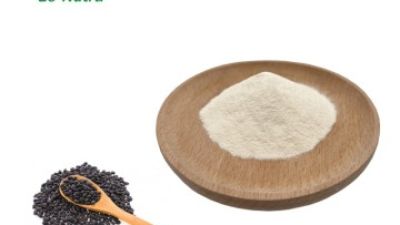
Natural hydrolyzed black bean protein powder is a plant-based ingredient made from black soybeans (Glycine max). Its protein is hydrolyzed into smaller peptides, and the finished powder typically has a white to off-white appearance. As part of a balanced diet and regular exercise routine, it can help provide protein to support muscle growth and recovery. Its protein content may also contribute to satiety, making it a useful option for people managing their overall food intake; it is not a substitute for a balanced diet or individualized nutrition advice.

The powder can be blended into smoothies, protein beverages, or other nutritional drinks, and used in protein bars and functional foods. Start with the serving amount recommended on the product label, mix it thoroughly with liquid or food, and adjust the recipe to suit your taste and dietary needs. For bulk ingredient use, it is also suitable for health-care supplements and sports-nutrition formulations. Store it in a sealed package in a cool, dry place, away from direct sunlight, heat, and humidity. Under these conditions, its quality is generally stable for up to 24 months.

FAQS

Why do buyers choose hydrolyzed protein ingredients?

They often disperse more easily in drinks and dry mixes. Smaller peptides may also support digestion. Results vary by person.

Does hydrolysis always improve digestion?

No. Smaller peptides may help some people, but effects depend on the ingredient and individual response. It is not a guarantee.

What should buyers check before selecting a protein powder?

Review protein content, peptide profile, solubility, flavor, moisture, and batch consistency. Also inspect the source and processing details. Specifications can miss practical problems.

Is wheat-derived hydrolyzed protein automatically gluten-free?

No. Hydrolysis does not automatically establish gluten-free status. People with wheat allergies may need to avoid it. Clear labeling matters.

Can a finely blended powder still perform poorly?

Yes. It may foam, taste bitter, or leave sediment. A powder can look excellent on paper and disappoint in a finished recipe.

How should buyers evaluate protein quality?

Do not rely on crude protein percentage alone. Request amino-acid and digestibility data, including DIAAS information when available. The interpretation may still require care.

Which supplier documents deserve attention?

Check allergen statements, microbiological results, test methods, and the certificate of analysis. Ask whether limits apply to every batch. That question is easy to miss.

How can buyers compare samples fairly?

Use the same water temperature, concentration, mixing time, and pH. Record dissolution, sediment, color, foam, and aftertaste. Small differences become visible.

Why is a bench test still necessary?

Ingredients behave differently in drinks, bars, and baked products. Test a small batch before making a larger decision. I would not assume more hydrolysis means better performance.

Conclusion

Protein Hydrolysates are proteins broken into smaller peptides and amino acids through enzymatic hydrolysis. This process can make them easier to digest and may change properties such as solubility, texture, and flavor. For buyers, these nutritional and functional features can be useful when selecting ingredients for products that need particular performance or protein characteristics.

Protein Hydrolysates are used in a range of food and nutrition applications, but the right choice depends on the intended use. Buyers typically compare the protein source, degree of hydrolysis, nutritional profile, solubility, and other product specifications. Cost and taste also matter: a highly functional ingredient may come at a higher price, while bitterness or other flavor notes may affect the final product. Considering these trade-offs together helps buyers choose an option suited to both formulation needs and consumer expectations.

Oliver

Oliver

Oliver is a dedicated marketing professional with extensive expertise in the research and production of natural, healthy, and innovative raw materials. He plays a crucial role in our company's mission to provide high-quality ingredients for nutraceuticals, food and beverage, as well as cosmetics......
Previous How to Source Botanical Extracts for Supplements in 2026