Leave Your Message
0%

Protein drinks are really expanding beyond just sports nutrition these days. In fact, Grand View Research pegged the global sports nutrition market at around $45.27 billion in 2023. And honestly, that number makes sense — more and more people are looking for quick, protein-packed options they can grab on the go. Innova Market Insights has also pointed out that protein is a hot theme in food and beverage innovation worldwide. All this growth means producers have got to step up their game. Nobody wants a drink with floating particles or a gritty texture; everyone expects it to be smooth and enjoyable.

But, when we're talking about protein peptide solubility in beverages, it’s not just about how clear the drink looks. It also impacts texture, how easy it is to digest, how stable it stays, how the flavor develops, and, honestly, whether consumers trust the product. Here’s the thing — a peptide might dissolve nicely in a lab beaker, but then it could separate out after heating, changing pH, or just sitting on the shelf. The details really matter. Factors like pH, ionic strength, temperature, shear forces, and mineral content can all change how it performs inside the bottle.

Professor David Julian McClements made a great point when he said that “proteins are multifunctional ingredients.” This is especially true when designing beverages, where you need to balance nutrition with how the drink physically feels and behaves.

Even if a product is labeled as functional, it can still fail if the protein settles at the bottom, leaving you with an unappealing drink. Formulators really need to test under real-world conditions — think refrigeration, transport bumps, and long shelf lives. Sometimes, a little haze in a drink isn’t a sign of poor quality — it could even mean some beneficial ingredients. But oddly enough, some projects treat solubility as just a checkbox, which is a big mistake — it’s more complex than that and can be pretty costly if ignored. Successful development means combining detailed protein analysis, sensory testing, and proven stability studies. Plus, honest label info and solid quality controls are key. The perfect formula isn’t just about having high protein content; it’s about making sure the drink stays acceptable from that very first sip all the way to the last drop in the bottle.
Why Does Protein Peptide Solubility Matter in Beverages?

What Is Protein Peptide Solubility in Beverages?

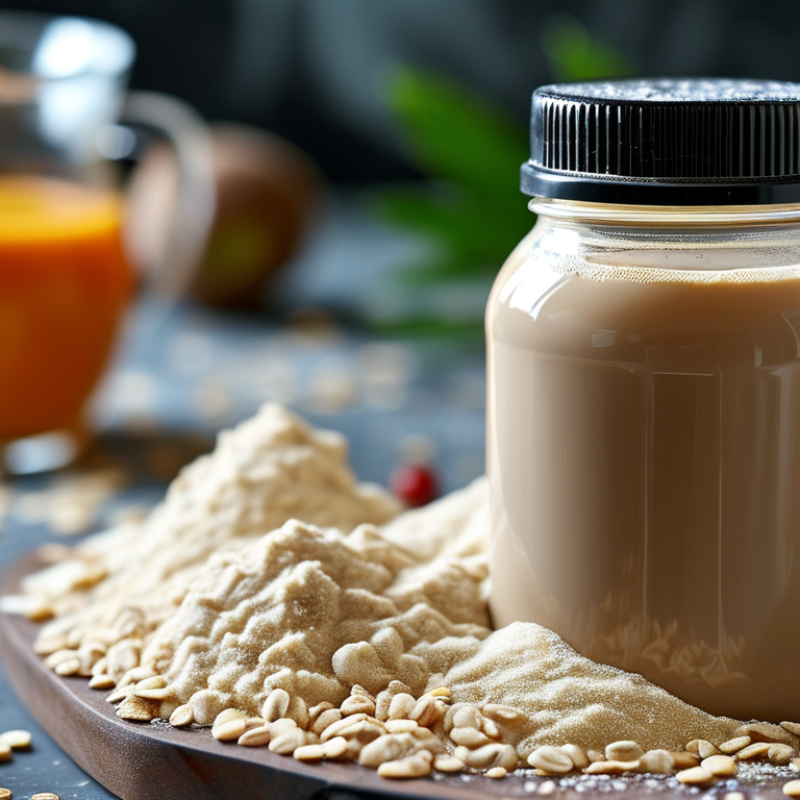
Protein peptide solubility in beverages describes how completely peptide ingredients dissolve and remain dispersed in a drink. It is not simply a powder disappearing during mixing. A soluble peptide should hydrate quickly, resist settling, and avoid visible floating particles. In a clear bottle, poor solubility may appear as a cloudy layer, sediment, or a ring near the cap. These changes affect texture, appearance, and consumer confidence. Solubility also depends on pH, temperature, ionic strength, peptide size, and processing conditions. A formula that works in warm water may fail in a chilled, acidic beverage.

Tips: Test solubility under real production conditions. Use the intended water, acidity, sweeteners, minerals, and storage temperature. Check the drink immediately, after several hours, and after transportation simulation. Gentle mixing can help, but excessive shear may create foam. Filtered samples can look better than the actual drink, so inspect the complete formula. Small details matter.

A reliable evaluation should combine visual checks, turbidity measurements, sediment observation, and sensory testing. There is no universal solubility threshold for every beverage. A clear sports drink, creamy shake, and botanical drink may need different standards. This is where practical formulation knowledge supports better decisions, including work related to Cosmetic Formulations. One laboratory result does not guarantee stability on a retail shelf. Peptide solubility is useful, but it still needs honest testing and occasional reconsideration.

How Solubility Influences Beverage Quality and Stability

Why Does Protein Peptide Solubility Matter in Beverages?

Protein peptide solubility directly affects beverage quality and stability. In pilot batches, poorly dissolved peptides often create haze, sediment, or gritty particles. A clear drink is not automatically a stable one. Solubility can change with pH, temperature, mineral content, and processing time. Even a small shift may produce visible flocculation inside a bottle. Consumers notice these changes before laboratory results explain them.

Good solubility supports smoother mouthfeel and more consistent nutrition per serving. Undissolved material can settle at the bottom, leaving the first pour weaker than the last. Heat treatment may improve safety but reduce peptide dispersion if conditions are too harsh. Mixing speed also matters, although stronger agitation cannot fix every formulation problem.

I have seen attractive samples fail after several days at room temperature. That result is easy to underestimate during short bench testing.

Reliable development requires testing under realistic storage conditions. Measure clarity, particle size, viscosity, and sediment over time. Check refrigerated, room-temperature, and elevated-temperature samples. Mineral salts and acidic fruit ingredients deserve extra attention.

Lessons from Herbal Cosmetic Formulations can help teams evaluate botanical interactions, but beverage systems behave differently. A formula may perform well in one glass and poorly after transport. That uncertainty deserves investigation, not a quick approval.

Which Factors Affect Protein Peptide Solubility?

Why Does Protein Peptide Solubility Matter in Beverages?

Which Factors Affect Protein Peptide Solubility?

Protein peptide solubility determines whether a beverage feels smooth or gritty. It also affects clarity, sedimentation, and nutritional consistency. In practical formulation work, a clear sample can still develop sediment after several days. That delayed change is easy to miss.

pH is a major factor. Peptides often dissolve poorly near their isoelectric point, where electrical charges become balanced. Small pH adjustments can reduce visible particles, but excessive acidity may damage flavor acceptance. Temperature matters too. Heat can improve dissolution briefly, then encourage aggregation during storage. Gentle mixing helps, while intense shear may introduce unwanted foam.

Mineral salts also influence solubility through ionic strength. Calcium and magnesium can promote interactions between peptide chains. High peptide concentration creates another challenge because crowded molecules interact more frequently. The peptide’s molecular size, hydrolysis level, and amino acid composition matter as well. A shorter peptide is not automatically more soluble.

Sugar, fibers, fruit acids, and polyphenols can change the beverage matrix. Their effects should be tested together, not separately. Cosmetic Chemistry Formulations provides useful principles for understanding ingredient interactions, although beverage systems require their own validation. I have found that laboratory results can appear convincing before real-time storage exposes weaknesses. Testing different pH levels, temperatures, and mineral concentrations remains essential. Some failures are informative.

How Solubility Shapes Taste, Texture, and Appearance

Why Does Protein Peptide Solubility Matter in Beverages?

How Solubility Shapes Taste, Texture, and Appearance

Protein peptide solubility strongly influences how a beverage feels from the first sip. Poorly dissolved particles can create sediment, cloudiness, or a sandy texture. These defects may appear after heating, storage, or refrigeration. A drink can look smooth at filling, then develop a visible layer days later.

Taste changes, too.

Undissolved material may concentrate bitter notes near the tongue. It can also reduce flavor consistency between bottles. In practical formulation work, pH, mineral content, temperature, and mixing speed often change the result. A peptide that dissolves well in water may behave differently in an acidic beverage. Small process differences matter.

Texture is less simple than “more soluble means better.”

Some dissolved peptides create a thin, clean mouthfeel. Others can make the drink feel heavy or slightly sticky. Higher processing temperatures may improve dispersion, but they can also affect flavor and protein behavior. Testing only one fresh sample is not enough. Storage checks are essential.

A reliable evaluation should measure clarity, sediment, viscosity, and taste over time.

Gentle shaking can hide problems temporarily. That is not a true solution. Formulators should test realistic conditions, including transport, refrigeration, and repeated opening. Even then, sensory judgments remain partly subjective. A beverage may meet laboratory targets yet feel unpleasant to real consumers.

What Problems Arise from Poor Peptide Solubility?

Why Does Protein Peptide Solubility Matter in Beverages?

Poor peptide solubility creates problems before consumers take the first sip. Particles may float, settle, or form a gritty layer at the bottle’s bottom. Cloudiness can also suggest instability, even when the formula remains safe. In practice, small changes in pH, minerals, temperature, and processing can trigger visible precipitation. The result is inconsistent texture and weaker consumer confidence.

This matters because protein is now a major purchase consideration. The 2024 Food & Health Survey from the International Food Information Council reported that 71% of Americans try to consume protein. A beverage that promises protein but feels sandy may fail that expectation quickly. Peptides can also interact with polyphenols, salts, and flavor compounds, causing haze or sediment during storage. High heat may worsen the problem. Cold storage can reveal it later.

The technical answer is not simply “add more protein.” Formulators should measure solubility across the intended pH range and test real storage conditions. A 2023 review in Food Chemistry linked peptide behavior to molecular size, charge, and hydrophobicity, showing why one ingredient cannot represent every formula. This is where development work becomes less comfortable. Laboratory clarity may not survive transport, shaking, or a warm warehouse. Sensory testing should include day-one and aged samples. The data helps, but it is not a promise.

How Manufacturers Improve Protein Peptide Solubility

Protein peptides can look ideal on paper yet fail in a cold beverage. Poor solubility may create sediment, floating particles, or a gritty mouthfeel. These defects can appear hours after filling, not during the first quality check. For manufacturers, solubility affects appearance, texture, protein delivery, and consumer trust.

Manufacturers improve peptide solubility by controlling hydrolysis, particle size, pH, temperature, and mineral content. Smaller, well-designed peptides usually disperse faster, but smaller does not always mean better. Excessive hydrolysis may increase bitterness or weaken the desired texture. Gentle mixing can reduce foaming, while staged addition helps prevent dry powder from forming stubborn lumps. Filtration may remove visible particles, though it can also reduce yield. No formula behaves perfectly. A process that works in water may disappoint in an acidic juice or a beverage with added calcium. Practical testing should include refrigerated storage, shaking, sensory checks, and measurements over time. Experienced teams test the finished drink, not only the raw ingredient.

Tips: Add peptides slowly. Check pH early. Test after refrigeration. Watch the bottom of the bottle. Record sediment, taste, and mouthfeel at several time points. Small pilot trials often reveal problems that laboratory samples hide.

Why Does Protein Peptide Solubility Matter in Beverages? - How Manufacturers Improve Protein Peptide Solubility
Evaluation Dimension Typical Beverage Condition or Observation Why Solubility Matters Common Technical Approach Practical Verification
Protein source and structure Intact proteins generally have a higher risk of heat-, pH-, and mineral-induced aggregation than shorter peptides. Undissolved particles can create sediment, visible flocs, chalkiness, and inconsistent protein delivery. Select an ingredient with a suitable degree of hydrolysis, molecular-weight distribution, and documented dispersibility for the target beverage. Measure protein dispersibility, visible sediment, turbidity, and particle-size change after hydration.
pH and isoelectric behavior Many proteins show their lowest solubility near their isoelectric point, where net electrical charge is minimal. Casein systems are especially sensitive around pH 4.6. Acidic beverages can promote aggregation or precipitation if the protein system is not designed for the intended pH. Use acid-stable protein or peptide ingredients, control acid addition order, and optimize buffering capacity and final pH. Test solubility and sediment formation across the expected pH range, including the target fill and end-of-shelf-life conditions.
Temperature and thermal processing Heating can unfold proteins and expose hydrophobic regions, increasing aggregation risk. The effect depends on time, temperature, pH, minerals, and protein type. A formulation that is clear before processing may become hazy or sediment after pasteurization or other heat treatment. Choose heat-tolerant peptides, minimize unnecessary thermal exposure, and validate the complete process rather than testing only the unprocessed mix. Compare pre-process and post-process protein recovery, turbidity, viscosity, and sediment after thermal treatment.
Mineral and ionic strength effects Calcium and other ions can shield electrostatic repulsion or form bridges between protein molecules, increasing aggregation in susceptible systems. Mineral-fortified beverages may lose clarity or physical stability even when the protein performs well in low-mineral water. Evaluate mineral compatibility, adjust the order of ingredient addition, and use appropriate stabilizing systems where permitted. Run a design-of-experiments study using the intended calcium, magnesium, sodium, and phosphate levels.
Hydration and mixing sequence Adding powder too quickly, using insufficient shear, or hydrating in a high-solids mixture can produce lumps and incomplete wetting. Poor hydration lowers the usable protein concentration and may be mistaken for intrinsic insolubility. Optimize powder addition rate, liquid temperature, mixing energy, hydration time, and the sequence of acids, salts, sweeteners, and flavors. Record dispersion time, undissolved residue, mixer conditions, and protein concentration in the finished beverage.
Concentration and viscosity Higher protein or total-solids levels increase the frequency of molecular collisions and can make dispersion more difficult. High-protein beverages can become gritty, overly viscous, or physically unstable if solubility and rheology are not balanced. Optimize protein loading, use suitable peptide fractions, and balance viscosity with hydrocolloids only after confirming compatibility. Measure viscosity, flow behavior, sedimentation, and protein recovery at the intended serving concentration.
Particle size and agglomeration Fine particles may wet poorly and form floating lumps, while controlled agglomerates can improve powder wetting and dispersion. Particle engineering affects how quickly and completely the peptide dissolves during commercial processing or consumer preparation. Use controlled drying or agglomeration, manage powder moisture, and select an appropriate particle-size distribution. Assess wetting time, dispersibility, bulk density, moisture content, and particle-size distribution.
Shelf-life stability Protein aggregation and sedimentation can progress during storage, especially when temperature, pH, oxygen, or mineral conditions are unfavorable. Long-term solubility affects visual quality, mouthfeel, nutritional consistency, and consumer acceptance. Use accelerated and real-time stability testing, control oxygen and temperature exposure, and validate packaging compatibility. Monitor pH, turbidity, particle size, sediment height, viscosity, and protein content throughout shelf-life testing.
Sensory performance Low solubility is commonly associated with grittiness, astringency, chalky mouthfeel, or a protein-related aftertaste. A beverage can meet its protein target but still fail if insoluble material negatively affects the drinking experience. Combine solubility optimization with flavor masking, sweetness-acidity balance, homogenization, and texture adjustment. Use trained sensory evaluation together with instrumental measurements rather than relying on appearance alone.
Technical note: Protein peptide solubility is formulation-specific. Results depend on peptide composition, degree of hydrolysis, pH, temperature, ionic strength, total solids, processing history, and storage conditions. Final performance should be confirmed using the intended beverage formula and process.
Reference basis: General principles summarized from established food-protein and protein-hydrolysate research concerning isoelectric precipitation, heat-induced aggregation, mineral interactions, hydration, dispersion, and storage stability.

How Solubility Is Tested in Beverage Formulation

Why Does Protein Peptide Solubility Matter in Beverages?

Protein peptide solubility affects clarity, mouthfeel, nutrition, and shelf stability in beverages. A drink may look smooth on production day, then develop haze or sediment after storage. I have seen a clear sample turn cloudy after one night at 4°C. That result was useful, but not conclusive.

Solubility testing should begin with a controlled bench sample. Record the protein level, water temperature, mixing speed, and hydration time. Measure pH before and after adding the peptide. Inspect the sample under consistent lighting. Turbidity readings can support visual checks, while centrifugation can reveal hidden particles. Test samples at refrigerated, room, and elevated temperatures. Store them for several days or weeks. Then check sediment, color, viscosity, and odor at set intervals. Replicate tests matter. One successful beaker does not prove reliable formulation performance.

Tips: Use the same mixing vessel for each trial. Add powder slowly to prevent floating clumps. Allow enough hydration time before judging solubility. Compare freshly prepared and aged samples. A quick test can mislead. Keep clear records, including small changes in pH or temperature. Methods used for Cosmetic And Toiletry Formulations may offer useful ideas, but beverage matrices behave differently. A formulation may still need refinement when laboratory results look acceptable. That is where careful review and practical experience become important.

Why Does Protein Peptide Solubility Matter in Beverages?

Solubility affects beverage clarity, sedimentation, mouthfeel, and protein delivery. The chart shows a representative laboratory screening profile for a protein-peptide ingredient across beverage-relevant pH values.

Test approach: prepare a 1% protein solution, hydrate for 60 minutes, adjust to the target pH, centrifuge at approximately 10,000 × g for 10 minutes, and measure the protein remaining in the supernatant. Solubility commonly decreases near the protein isoelectric region, where aggregation and sediment formation are more likely.

FAQS

Why does peptide solubility matter in beverages?

Poor solubility can create haze, sediment, or gritty particles. It may also cause uneven nutrition between the first and last pour. A clear drink is not always stable. It can change later.

Which factors most affect peptide solubility?

pH, temperature, mineral content, peptide concentration, and processing time all matter. Sugar, fibers, fruit acids, and polyphenols can also change behavior. These ingredients should be tested together. Formulas rarely behave alone.

How does pH influence peptide performance?

Peptides may dissolve poorly near their isoelectric point. Small pH adjustments can reduce visible particles. Excessive acidity may harm flavor acceptance. The best pH is formulation-specific.

Can heating improve peptide dissolution?

Heat may improve initial dissolution, but harsh conditions can encourage aggregation later. A sample can look smooth immediately and develop sediment after storage. Check refrigerated and room-temperature bottles. Short testing can mislead.

Do minerals affect beverage clarity?

Calcium and magnesium may increase interactions between peptide chains. This can produce haze, flocculation, or sediment. Mineral levels should be tested at realistic concentrations. A small change may matter.

Does stronger mixing always improve solubility?

No. Gentle mixing can support dispersion and reduce foam. Intense agitation cannot fix every formulation problem. It may add air and create a misleadingly smooth sample. Mixing is only one part.

How can manufacturers reduce lumps and sediment?

Add peptide powder slowly and check pH early. Staged addition can prevent stubborn lumps. Particle size and hydrolysis level also require control. Filtration may remove visible particles, but yield can decrease.

What storage tests are useful for peptide beverages?

Test refrigerated, room-temperature, and elevated-temperature samples. Measure clarity, particle size, viscosity, and sediment over time. Shake bottles before sensory checks. Watch the bottom closely.

Is a shorter peptide always more soluble?

No. Shorter peptides often disperse faster, but composition still matters. Excessive hydrolysis may increase bitterness or weaken texture. This assumption deserves testing, not confidence. Some failures are informative.

Conclusion

Protein Peptide Solubility In Beverage Formulations refers to the ability of protein-derived peptides to dissolve evenly and remain dispersed throughout a drink. It is essential for maintaining consistent quality, stability, and consumer acceptance. Good solubility helps create a smooth texture, clear or uniform appearance, balanced flavor, and reliable nutritional delivery. It also reduces sedimentation, cloudiness, clumping, and unpleasant mouthfeel during storage.

Solubility is influenced by peptide size, amino acid composition, pH, temperature, mineral content, processing conditions, and interactions with other ingredients. Poor solubility may cause separation, sediment formation, filtration difficulties, and changes in taste or appearance. Manufacturers can improve performance by selecting suitable peptide materials, controlling pH and heat exposure, optimizing mixing and hydration, adjusting the formula, and using appropriate processing methods. Solubility testing during beverage development helps evaluate dispersion, stability, and performance over time, allowing formulators to create products that remain appealing and consistent from production through consumption.
Oliver

Oliver

Oliver is a dedicated marketing professional with extensive expertise in the research and production of natural, healthy, and innovative raw materials. He plays a crucial role in our company's mission to provide high-quality ingredients for nutraceuticals, food and beverage, as well as cosmetics......
Previous 2026 Best Ingredients for Immune Health Supplements?
Next What Is the Custom Dietary Supplement Manufacturing Process?