Leave Your Message
0%

Hydrolyzed Proteins, which you can check out [here](https://www.lenutra-bio.com/hydrolyzed-proteins-1) with a click, are used pretty widely in nutrition, food, and specialized ingredient markets. The cool thing about them is that hydrolysis can really shake things up—changing how soluble they are, tweaking the taste, and even affecting how they perform once incorporated into a final product. But honestly, just hearing the word 'hydrolyzed' isn’t enough to really understand what you're getting. Things like the peptide profile, how much they’ve been hydrolyzed, where the raw materials come from, and whether batch-to-batch results stay consistent – those are the details that matter.

Food-protein expert Dr. Bruce German offers a good way to look at this. To put it simply—though not exact quote—he suggests that 'a protein’s value depends on its structure and how the body encounters it.' This highlights why comparing suppliers based just on product names or marketing claims isn’t enough; digging into the details is key.

In this guide, we’re looking at the top 10 hydrolyzed protein suppliers worldwide and what buyers should really focus on—like range of ingredients, technical documentation, quality control processes, production capacity, and support for applications. Having a clear specification sheet and a responsive technical team is often just as important as offering a wide catalog of options. Plus, it’s smart to verify whether a supplier’s testing procedures and traceability standards match what you need. Not all suppliers are perfect for every application, and rankings can’t replace actually qualifying a supplier firsthand. Also, keep in mind that public info might not reveal every little operational detail, so a bit of caution is always a good idea.
Top 10 Hydrolyzed Protein Suppliers Worldwide

What Hydrolyzed Proteins Are and How They Are Produced

Hydrolyzed proteins are proteins broken into smaller peptides and amino acids. This change can improve solubility, digestion, or functional performance, depending on the source and processing method. Enzymatically Hydrolyzed Proteins are made by adding selected enzymes to a protein-rich material, such as milk, fish, or plants. The enzymes act like tiny scissors, cutting some bonds between amino acids. Temperature, acidity, time, and enzyme choice all affect the final product. Small adjustments matter.

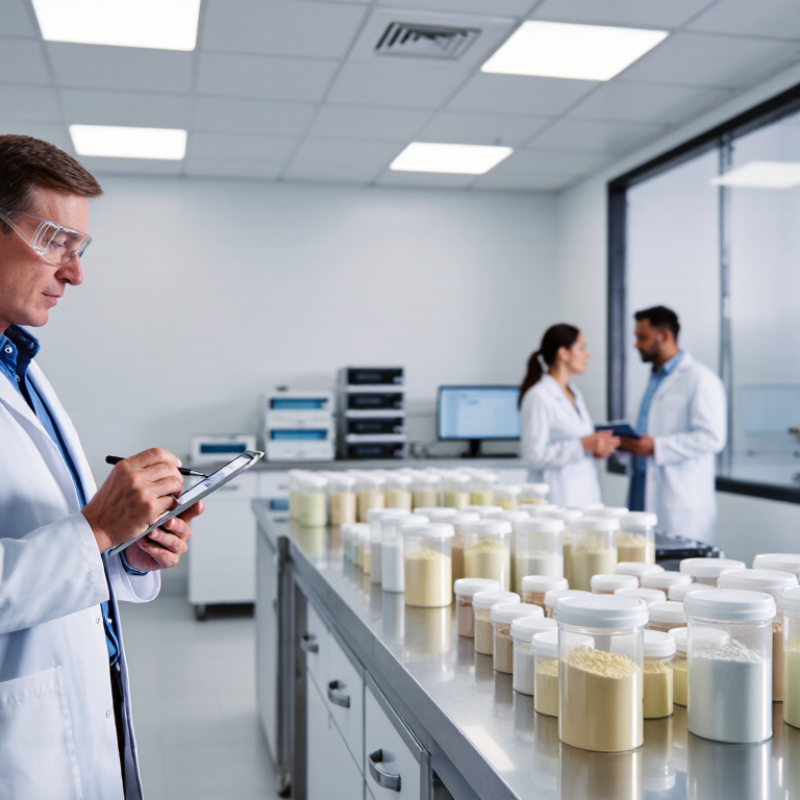
After hydrolysis, producers typically stop or reduce enzyme activity with heat, then filter and dry the mixture. The result may be a powder with a mild or bitter taste, and its texture can vary. A lower molecular size does not automatically mean better quality. The intended use matters: a beverage, nutrition formula, and food ingredient may need different solubility, flavor, and peptide profiles. Testing should confirm composition, microbiological quality, and consistency between batches. Real production can be less tidy than a process diagram suggests.

Tips: Ask suppliers for the protein source, degree of hydrolysis, and batch test data. Compare samples in the actual recipe, not just in water. Note flavor and clarity after storage. If a specification seems vague, ask how it is measured; one detail may still need clarification.

Key Types and Applications of Hydrolyzed Protein Ingredients

Hydrolyzed protein ingredients are proteins broken into smaller peptides through enzymatic or chemical processing. Common sources include whey, casein, soy, pea, rice, and collagen. The result can dissolve more readily or taste less mild, depending on the source and degree of hydrolysis. Food manufacturers use these ingredients in sports nutrition powders, medical nutrition products, infant formula, and protein-fortified beverages. Plant-derived options also connect with demand for Vegetal Proteins, though “plant-based” does not automatically mean allergen-free or nutritionally complete. FAO’s 2013 expert report on protein quality recommends assessing protein with the DIAAS method, which considers digestible essential amino acids rather than protein quantity alone. That distinction matters when selecting an ingredient for a specific food.

In practice, a beverage developer may choose hydrolyzed whey for rapid dispersion, while a savory product maker may favor soy or pea peptides for formulation needs. Collagen hydrolysates are used in powders and functional foods, but they should not be treated as a complete protein source. Processing also affects bitterness, aroma, and solubility. Small bench tests help: check the drink after mixing, then again after a short rest. Results can change with pH and heat.

Tips: Ask suppliers for amino-acid profiles, allergen statements, and sensory data. Compare the finished product, not just the specification sheet. A peptide-size claim alone is not enough; its practical value depends on the application.

How to Evaluate Worldwide Hydrolyzed Protein Suppliers

When comparing worldwide hydrolyzed protein suppliers, look beyond price and advertised protein percentage. Request a current certificate of analysis for each lot, including protein content, moisture, ash, amino acid profile, and relevant contaminant results. Ask how the supplier controls hydrolysis and measures peptide-size distribution; these affect solubility, taste, and performance in a finished formula. Small differences matter. A powder that dissolves slowly in a clear drink may create costly production problems.

Check the evidence behind quality claims. The FAO Expert Consultation report Dietary Protein Quality Evaluation in Human Nutrition (2013) describes DIAAS, which evaluates digestible indispensable amino acids rather than relying only on crude protein content. Ask suppliers for supporting digestibility data and the test method used. Compare like with like. A number without its method is weak evidence. Also review traceability, change-control procedures, audit records, and the supplier’s ability to provide consistent samples across batches. Some documentation may look impressive but still leave practical questions unanswered.

For global sourcing, confirm manufacturing-site details, lead times, packaging specifications, and shipment conditions in writing. Request a pilot quantity and test it under your own processing conditions, including mixing temperature and storage time. Sensory checks matter too: bitterness can appear after dilution, not in the dry powder. I would not treat one successful sample as proof of long-term consistency. Ask for retained-sample results or several recent lot records, then compare them with your acceptance limits.

Leading Hydrolyzed Protein Suppliers and Their Product Portfolios

Leading hydrolyzed protein suppliers typically serve food, sports nutrition, clinical nutrition, and personal-care manufacturers. Their portfolios may include whey, collagen, soy, pea, rice, and fish-derived hydrolysates, each with distinct amino acid profiles and functional properties. Some grades dissolve quickly in cold water; others are selected for mild flavor or improved dispersibility. The details matter. A powder that looks fine in a supplier’s sample can behave differently in a finished beverage.

Product choice often comes down to degree of hydrolysis, peptide size, source, and processing method. Enzymatic hydrolysis uses Proteolytic Proteins, including enzymes that break intact proteins into smaller peptides. Suppliers may offer standard and customized grades, with specifications for protein content, solubility, moisture, and microbiological quality. Ask for a current technical data sheet and a representative sample. Then test it under your own conditions, such as the intended pH, mixing temperature, and storage period. A supplier’s application guidance is useful, but it cannot replace trials in your formulation.

Portfolio breadth is not automatically a sign of a better fit. Some suppliers emphasize animal-based ingredients, while others focus on plant-derived options or blended systems. Check allergen statements, traceability documents, and batch-to-batch consistency before comparing price. Flavor can be the awkward part. Hydrolysis may increase bitterness, and masking it can add cost or complicate a clean-label target. These trade-offs deserve attention early, not after a product has been designed around an optimistic sample.

Industries Served and Global Supply Capabilities

Hydrolyzed protein suppliers serve food, sports nutrition, clinical nutrition, and animal feed manufacturers. Each industry needs a different balance of solubility, taste, protein content, and processing stability. A beverage producer may prioritize rapid dissolution in a cold-water tank. A feed mill may need consistent powder flow through a dosing line. Small details matter.

Supply capabilities extend beyond production volume. Buyers often need batch specifications, allergen information, origin details, and certificates of analysis before approving a shipment. Reliable suppliers can explain how raw materials are sourced and how protein levels are tested. They should also provide samples that reflect routine production, not just a carefully selected trial batch. That distinction is easy to overlook.

International supply adds practical challenges. Moisture barriers, pallet configuration, lead times, and customs documentation can affect product quality and delivery schedules. Suppliers serving multiple regions may offer local warehousing or shipment planning, but availability varies by product and season. Ask how changes in raw material supply are communicated. Then compare answers against your own receiving and quality-control requirements. A polished specification sheet is useful, but it cannot replace a clear discussion about variability, storage conditions, and what happens when a batch falls outside expectations.

Top 10 Hydrolyzed Protein Suppliers Worldwide - Industries Served and Global Supply Capabilities

The entries below describe major hydrolyzed-protein supplier segments rather than ranked or named companies. Availability, specifications, and export coverage vary by producer and product grade.

No. Supplier Segment Common Hydrolyzed Protein Industries Served Typical Supply Capabilities Common Sourcing Regions
1 Collagen and gelatin ingredient producers Hydrolyzed collagen peptides from bovine, porcine, or marine sources Food and beverage, dietary supplements, nutrition, cosmetics Bulk powders, multiple peptide specifications, export packaging, and food-grade documentation are commonly available. Europe, North America, South America, and Asia
2 Dairy protein processors Hydrolyzed whey and casein proteins Infant and clinical nutrition, sports nutrition, food manufacturing Food-grade powders and customized protein hydrolysis levels; supply depends on dairy availability and product specification. Europe, North America, Oceania, and parts of Asia
3 Plant-protein ingredient manufacturers Hydrolyzed soy protein Seasonings, savory foods, meat alternatives, nutrition products Powder and liquid formats are used in food applications; allergen controls and source declarations are important. East Asia, North America, South America, and Europe
4 Pea protein processors Hydrolyzed pea protein Plant-based foods, beverages, sports nutrition, specialized nutrition Ingredient powders and application-specific grades; commercial supply is linked to pea sourcing and processing capacity. Europe, North America, and Asia
5 Cereal protein processors Hydrolyzed wheat protein Food ingredients, personal care, hair-care formulations Food and cosmetic grades are available in different forms; gluten status and intended use should be verified. Europe, North America, and Asia
6 Rice protein ingredient producers Hydrolyzed rice protein Plant-based nutrition, foods, beverages, personal care Powdered ingredients and selected cosmetic grades; origin, allergen information, and specification vary by supplier. Asia, Europe, and North America
7 Marine protein processors Hydrolyzed fish protein and marine collagen peptides Aquaculture feed, pet nutrition, food ingredients, supplements, cosmetics Supply may include powders or liquids; traceability, species identification, and fish-allergen declarations are relevant. Europe, Asia, South America, and coastal North America
8 Meat and animal by-product processors Hydrolyzed meat protein and animal protein peptides Pet food, animal nutrition, savory food ingredients Bulk food or feed ingredient formats; species, processing method, and regulatory status differ by market. North America, Europe, South America, and Asia
9 Egg ingredient processors Hydrolyzed egg white protein Specialized nutrition, sports nutrition, food manufacturing Typically supplied as a dried ingredient; egg allergen labeling and protein specifications require confirmation. Europe, North America, and Asia
10 Specialty fermentation and enzyme-processing suppliers Custom hydrolysates from dairy, plant, or other approved protein sources Food, nutrition, biotechnology, and selected personal-care applications May offer contract processing, custom peptide profiles, or application support; capacity and regulatory scope are project-specific. North America, Europe, and Asia

Before purchasing, confirm the protein source, intended-use grade, allergen profile, country-of-origin documentation, certifications, minimum order quantity, lead time, and applicable import requirements directly with the supplier.

Quality Standards, Certifications, and Supplier Selection Factors

Hydrolyzed protein suppliers should be assessed by more than price or advertised peptide size. Request a recent certificate of analysis showing protein content, moisture, ash, amino-acid profile, and batch-specific peptide-size distribution. Check the test methods and laboratory accreditation; a number without a method is hard to compare. Small details matter, such as whether the sample was tested before or after drying.

Safety systems matter, too. ISO 22000 certification covers food safety management, while a current HACCP plan helps document hazard controls. Neither alone proves that a hydrolysate meets every buyer’s specifications. Ask for traceability records, allergen controls, change-notification procedures, and evidence that microbial limits are checked routinely. FAO’s 2013 report on dietary protein quality evaluation discusses amino-acid digestibility and the DIAAS approach, useful context when comparing nutritional claims. Peptides Are Proteins is a convenient phrase, but hydrolysis changes protein chains into smaller peptides; it does not, by itself, establish nutritional quality.

A practical supplier review includes a sample tested against your own acceptance criteria, not just the supplier’s brochure. Compare solubility, taste, odor, and performance in the intended food or supplement matrix. Ask how the supplier controls raw-material variability and what happens when a batch falls outside specification. Keep the questions specific. Perfect documentation is not proof of perfect product, and I would not treat one passing sample as a guarantee of future consistency.

FAQS

What are hydrolyzed proteins?

They are proteins split into smaller peptides and amino acids. This can improve solubility, digestion, or functional performance.

How are hydrolyzed proteins made?

Selected enzymes cut bonds in protein-rich materials such as milk, fish, or plants. Heat can then reduce enzyme activity. The mixture is filtered and dried.

Does a smaller peptide size always mean higher quality?

No. The best profile depends on the intended use, such as a beverage or nutrition formula. Small changes matter.

What details should buyers request from a supplier?

Ask for the protein source, degree of hydrolysis, and current batch test data. Request details about peptide-size measurement and production controls, too.

Which test results can help compare protein quality?

Review protein content, moisture, ash, amino acid profile, and relevant contaminant results. Digestibility data can help, but check the test method behind each number.

How can buyers check taste and mixing performance?

Test a sample in the actual recipe, not only in water. Check clarity, mixing, and bitterness after dilution and storage.

What supply details matter for international orders?

Confirm lead times, packaging, manufacturing-site details, and shipment conditions in writing. Moisture barriers and pallet layout can affect delivery and product quality.

Is one successful sample enough to confirm consistency?

Probably not. Ask for records from several recent lots or retained-sample results. One sample can be reassuring, but it may not show routine variation.

What should buyers do if a specification is unclear?

Ask how each value is measured and what happens when a batch falls outside limits. Some answers may still leave room for doubt.

Conclusion

This article explains what Hydrolyzed Proteins are, how they are produced through the breakdown of larger protein molecules, and why this process can make them useful in a range of formulations. It reviews key ingredient types and their applications across food and beverage, nutrition, personal care, and other industries, while noting that performance and suitability depend on factors such as protein source, degree of hydrolysis, solubility, taste, and functional properties.

The article also outlines how to assess suppliers worldwide, including product range, technical support, manufacturing capacity, traceability, quality controls, and certifications. It considers the industries suppliers serve and their ability to support international demand with consistent supply. Together, these factors provide a practical framework for comparing supplier capabilities and selecting a partner that aligns with product specifications, quality expectations, and sourcing needs.

Amelia

Amelia

Amelia is a dedicated professional marketing specialist with a deep commitment to promoting natural, healthy, and innovative raw materials. As an integral part of our team, she channels her extensive knowledge into researching and marketing products that significantly enhance the fields of......
Previous 5 Best Ingredients for Immune Health Supplements