Leave Your Message
Picking a trustworthy Peptide Hydrolysate supplier isn’t just about comparing prices or tossing a few slick websites into the mix. For buyers around the globe, it’s really about consistent quality, transparent documentation, and suppliers who actually know what they’re doing. In this guide, we look at some well-known players like Gelita, Rousselot, PB Leiner, Nitta Gelatin, and Great Lakes Wellness. Their product lines, technical expertise, and export support can vary quite a bit, so it pays to dig deeper.
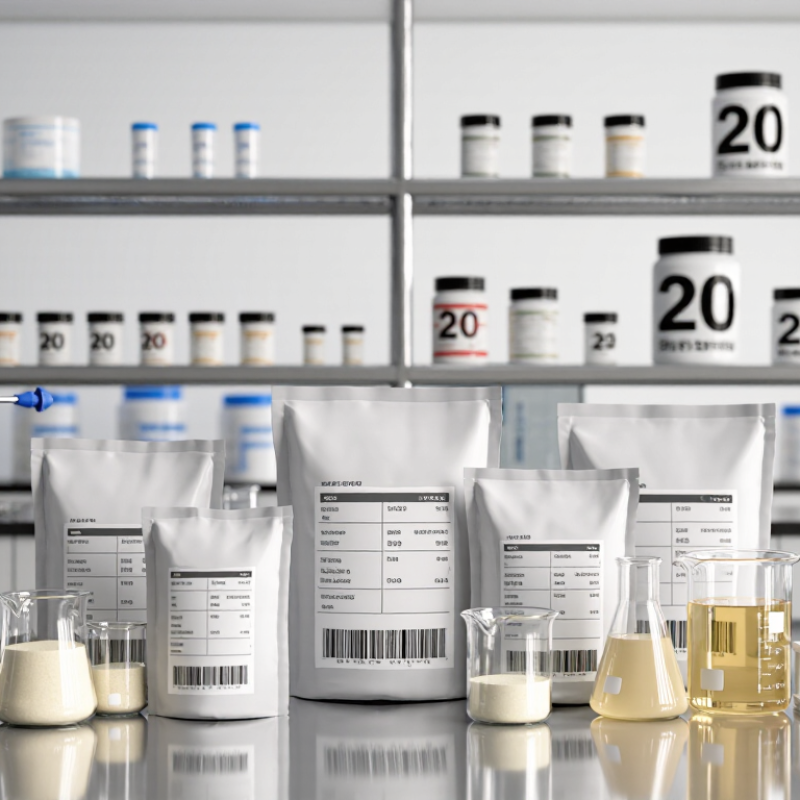
Always ask for solid proof—nothing vague. A dependable supplier should have up-to-date Certificates of Analysis, clear info on peptide sizes, amino acid profiles, microbiological test results, heavy metal screenings, and allergen declarations. When products arrive in sealed 20-kilogram bags or bigger industrial packaging, being able to trace them back through production batches is key. Also, pay attention to their manufacturing standards, whether you can access audits, storage advice, and how they handle shipping—any missing document could cause delays.
Let’s be honest: price isn’t the whole story. A cheaper quote might come with longer wait times, fewer options for customization, or batches that don’t dissolve consistently. Make sure to ask about where their raw materials come from, their processing methods, minimum order sizes, shelf stability, and overall production capacity. And don’t forget—check whether they’re set up for food, beverage, sports nutrition, or cosmetic uses, since requirements can differ depending on the market you're targeting.
No supplier is perfect, and even folks with lots of experience can sometimes put too much emphasis on brand names or overlook small but important differences in specs. That’s why I recommend evaluating suppliers based on a practical E-E-A-T approach: their proven experience, technical know-how, recognized manufacturing standards, and clear communication. If it’s a major purchase, independent testing never hurts. After all, building trust really comes down to consistent quality, batch by batch.
Peptide hydrolysates are protein materials broken into smaller peptide chains through controlled enzymatic or chemical hydrolysis. Their composition depends on the original protein, enzyme system, processing time, and filtration method. A typical specification may include peptide size distribution, protein content, moisture, ash, solubility, and microbiological limits. The profile matters more than a simple “high protein” claim.
In food and nutrition products, smaller peptides can improve dispersibility and support easier formulation. Wheat Protein Hydrolysate may be used in beverages, nutrition powders, bakery mixes, and texture-focused recipes. Marine, dairy, and plant-based sources offer different amino acid patterns and sensory properties. Taste can still be challenging. A clean label does not guarantee a neutral flavor.
Global buyers should request a current certificate of analysis, allergen declaration, origin details, and batch traceability. Experienced suppliers should explain hydrolysis conditions without hiding behind vague technical language. They should also provide samples from representative production batches, not only a polished laboratory sample. Real batches are rarely identical. That is worth admitting. Buyers should compare solubility after storage, odor, color, and performance in the final formula. Packaging integrity and transport temperature also deserve attention, especially across humid or long-distance routes. A supplier may meet the specification yet perform poorly in an actual application. That gap requires testing, documentation, and honest technical discussion.
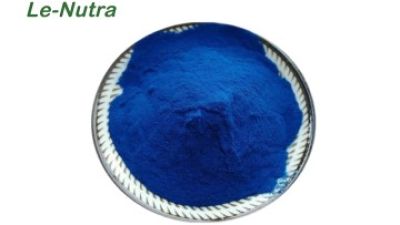
Blue copper peptide—commonly formulated as a copper peptide complex—is attracting attention in modern skincare because it combines a peptide structure with copper, an element involved in several natural skin processes. Its appeal is closely linked to the wider growth of skincare: Grand View Research estimated the global skincare products market at approximately USD 155.7 billion in 2023 and projected continued expansion through 2030. Within this market, consumers increasingly seek water-based, ingredient-focused formulas designed for hydration, skin conditioning, and improved cosmetic appearance.
When choosing the right blue copper peptide formula, specification and testing are important. An 80-mesh powder can support consistent handling and dispersion, while water solubility makes it suitable for aqueous cosmetic formulations such as serums, masks, and professional-use solutions. HPLC testing provides a recognized method for assessing composition and quality. Buyers should also review storage requirements, documentation, and manufacturing controls rather than relying only on color or marketing claims. An ISO-certified supply chain, a two-year shelf life, and free samples can help formulators evaluate compatibility, stability, and production performance before placing a larger order.
For efficient sourcing, the product is available with T/T, Western Union, PayPal, or Alibaba Assurance Account payment options, with delivery within three working days. These arrangements may benefit laboratories, contract manufacturers, and skincare developers that need a practical ingredient for small-scale trials or scheduled production. As with any cosmetic raw material, the finished formula should be safety-assessed and used according to applicable regional regulations and professional formulation guidance.
They support nutrition, personal care, and specialized food applications. Many buyers value easy protein absorption and clear ingredient origins. The application decides the required specifications.
Primary manufacturers usually provide strong traceability and hydrolysis control. Contract processors may offer flexible volumes and custom specifications. Regional distributors can simplify storage and cross-border delivery. Specialty producers often focus on marine, dairy, plant, or collagen materials.
Request a current certificate of analysis and complete batch records. Check the production date, peptide profile, moisture, ash, and microbiological results. Also request raw material origin and allergen-control records. Missing details matter.
Start with identity, not promotional wording. Request the hydrolysis method and molecular-weight distribution. HPLC or SEC-HPLC results can describe peptide distribution. LC-MS may help confirm identity and detect unexpected compounds. Laboratory evidence is stronger than color alone.
No. A pale color is only one observation. Inspect the powder for clumps, sharp odors, and uneven color. These signs deserve questions, but they do not prove failure. Independent testing remains necessary.
Compare at least three recent lots instead of one sample. Check protein content, moisture, microbial limits, and contaminant results. Review batch consistency and traceability. One attractive sample can create false confidence.
Review sample packaging, storage temperatures, and inner-seal condition. Check how raw materials become finished batches. Ask about change notifications, deviations, complaints, and replacements. A damaged seal can weaken confidence immediately.
Price alone is a weak comparison. Lower offers may exclude testing, packaging, shipping controls, or different purity levels. Compare specifications, delivery terms, and laboratory depth together. Cheap may become expensive.
Asian producers may offer broad capacity and competitive pricing. European facilities often emphasize documented quality systems and specialized processing. North American suppliers may provide responsive technical support. Time zones and language gaps can still delay decisions.
Start with a practical trial order and test the material in its actual formulation. Observe solubility, sediment, odor, color changes, and batch consistency. Repeat selected tests locally when possible. Supplier documents are evidence, not absolute truth.
Peptide Hydrolysate is a protein-derived ingredient produced by breaking larger proteins into smaller peptides and amino acids through controlled enzymatic or chemical processing. Its composition, molecular-weight distribution, solubility, taste, and functional properties determine its suitability for applications such as sports nutrition, specialized foods, dietary supplements, cosmetics, and research formulations. Global buyers can source these materials from specialized ingredient manufacturers, biotechnology producers, and custom processing facilities, with supply concentrated in regions known for advanced food, pharmaceutical, and life-science manufacturing.
Selecting a reliable supplier requires careful review of identity, purity, microbiological safety, allergen controls, batch consistency, testing documentation, and traceability from raw material to finished product. Buyers should also assess manufacturing standards, relevant certifications, quality systems, packaging protection, shelf life, and technical support. Pricing depends on protein source, hydrolysis level, specifications, order volume, and testing requirements. Before importing, purchasers should confirm labeling rules, customs documentation, storage conditions, transportation temperature, and destination-market compliance to ensure secure and efficient delivery.