Leave Your Message
0%

When it comes to immune health, it’s not just about popping a pill. Things like getting enough sleep, eating balanced meals, staying active, and sticking to a routine are still really important. That said, some folks turn to supplements when their diets are lacking or their needs change. In this guide, we’ll take a look at five common ingredients you’ll often see in immune-boosting supplements: vitamin C, vitamin D, zinc, probiotics, and elderberry. Each one plays a different part, and the science doesn’t really support using them interchangeably. Little details matter — for example, your vitamin D levels might depend on how much sun you get and your overall health, while zinc intake really depends on what foods you’re eating.

We’ll explore what the research shows, what’s still uncertain, and how to read supplement labels without getting swept up by crazy promises. You’ve probably seen products like Immune Booster Tablets and thought, “Well, that sounds good!” But honestly, just because something has a catchy name doesn’t mean it’s right for you — you’ve gotta check the ingredients, the doses, and where the quality actually comes from. Pay attention to serving sizes, whether they’ve been third-party tested, and if it might interact with your medications or health conditions. And if you’re pregnant, dealing with a chronic disease, or taking medication regularly, it’s always a good idea to talk to a healthcare pro first. Remember — more isn’t always better. Supplements can fill specific dietary gaps, but they’re no magic fix — they won’t prevent illness, and they definitely aren’t substitutes for vaccines or medical treatment.

One thing to be honest about: research on ingredients usually looks at specific doses or groups of people, not every single supplement on the shelf. Think of this as a starting point, not a personal health plan. It’s meant to help you compare options more clearly, while also keeping in mind that some uncertainty is totally normal — so ask questions and make sure you’re making informed choices.
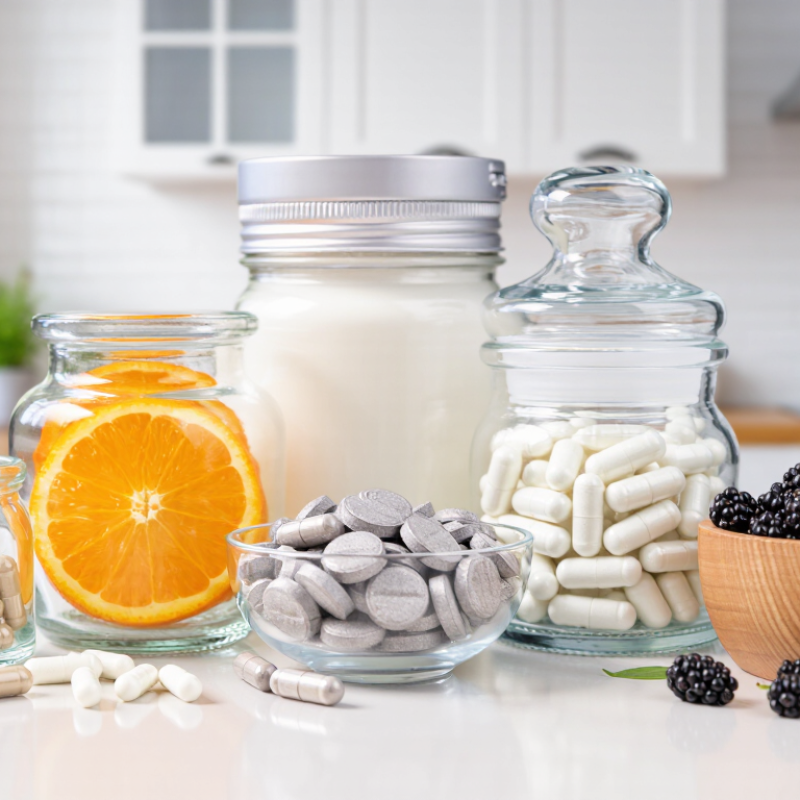
5 Best Ingredients for Immune Health Supplements

Vitamin C and Its Role in Immune Cell Function

Vitamin C supports immune cell function in several practical ways. It helps white blood cells, including neutrophils, move toward sites of infection and carry out their work. These cells also use vitamin C to help limit damage from reactive molecules produced during immune responses. The vitamin does not prevent every infection. That distinction matters.

A steady supply comes from foods such as oranges, strawberries, bell peppers, and broccoli. A sliced orange beside breakfast is a simple option, while red pepper adds vitamin C to a lunch salad. Heat and long storage can reduce some vitamin C in food, so fresh or lightly cooked produce may retain more. Small choices add up.

For people considering Health Supplement Actives, vitamin C supplements may be useful when dietary intake is low or needs are higher, but more is not automatically better. Large doses can cause stomach discomfort or diarrhea. Supplement labels and personal health needs deserve a careful look, especially when someone takes medication or has a medical condition. It can be tempting to treat one nutrient as a shield; immune health is more complicated than that.

Vitamin D and Immune System Regulation

Vitamin D and Immune System Regulation

Vitamin D supports immune regulation rather than acting as a simple infection shield. Immune cells contain vitamin D receptors, which help influence inflammatory responses and antimicrobial activity. The National Institutes of Health reports a recommended daily intake of 600 IU for most adults aged 19–70. Adults over 70 generally need 800 IU daily. The tolerable upper intake level is 4,000 IU per day for adults.

More is not always better. The evidence remains mixed. A 2017 individual-participant analysis in The BMJ found that vitamin D supplementation modestly reduced acute respiratory infection risk, especially with regular daily or weekly doses. Benefits appeared stronger among people with low baseline vitamin D. Large clinical trials have not produced equally clear results. The science is less tidy than many supplement labels suggest.

For immune health formulas, vitamin D may sit beside minerals, probiotics, or Botanical Food Supplements, but dosage still deserves careful attention. Vitamin D is fat-soluble and can accumulate when taken excessively. A blood test can identify deficiency more reliably than symptoms alone. Clinicians may also consider kidney disease, calcium disorders, pregnancy, and medication use before recommending higher doses. I would avoid promising fewer colds from one capsule. That claim reaches beyond current evidence. Fresh research may also refine how vitamin D status affects different immune conditions.

Zinc and the Body’s Defense Mechanisms

5 Best Ingredients for Immune Health Supplements

Zinc supports several defense mechanisms in the body. It helps maintain the skin and mucous membranes, which act like a physical barrier against unwanted microbes. Zinc also helps immune cells develop, communicate, and respond to threats.

Small details matter. A person with low zinc intake may experience slower wound healing, reduced appetite, or frequent infections. Meat, seafood, dairy products, beans, and seeds can provide zinc through everyday meals. Supplements may help when dietary intake is inadequate, but more is not always better. High doses can cause nausea and interfere with copper absorption.

This is where advice becomes less simple. Zinc lozenges may be studied for early cold symptoms, yet results vary by product, dose, and timing. They do not replace sleep, balanced meals, or medical care. Zinc can also interact with certain antibiotics, so spacing doses may be necessary. A pharmacist or clinician can review the full supplement list.

I once assumed every immune supplement worked in the same way. That assumption was wrong. Ingredients such as Collagen Peptides Gut Health products may support different wellness goals, but they should not be presented as zinc substitutes. Read the elemental zinc amount on the label, not only the compound name. Adults generally should avoid exceeding 40 milligrams daily from all sources unless medically advised. Pay attention to stomach discomfort. That signal matters.

Probiotics and the Gut–Immune Connection

5 Best Ingredients for Immune Health Supplements

Probiotics deserve special attention because the gut houses much of the body’s immune activity. These beneficial microorganisms may support the intestinal barrier and help regulate immune responses. However, effects depend on the strain, dose, and person. Clinical evidence is promising, but not universal. Some products also include vitamin D, zinc, vitamin C, and Botanical Dietary Supplements. These nutrients can support normal immune function when dietary intake is inadequate. More is not always better.

Tips: Choose products that list specific probiotic strains and viable counts through the expiration date. Store them as directed, especially when refrigeration is recommended. Introduce probiotics gradually. Mild gas can occur during the first few days. Persistent discomfort deserves professional advice.

A practical routine begins with fiber-rich foods, such as oats, beans, onions, and bananas. Fiber feeds helpful gut bacteria and may improve digestive balance. I would not treat probiotics as a replacement for sleep, vaccination, or medical care. That assumption is easy to make. It is also incomplete. People with serious health conditions, weakened immunity, or regular medications should consult a qualified healthcare professional before using concentrated supplements. Keep expectations realistic, because immune health develops through consistent habits rather than one capsule.

Elderberry and Its Traditional Use in Immune Support

5 Best Ingredients for Immune Health Supplements

Elderberry has a long history in traditional European herbal practices. People used elderberry preparations during seasonal discomfort, including coughs and feverish feelings. Today, elderberry appears in syrups, gummies, teas, and capsules. However, traditional use does not prove that it prevents infections or replaces medical care.

Modern research on elderberry remains limited and mixed. Some small studies suggest it may support recovery from certain upper respiratory symptoms. The evidence is not strong enough for broad health claims. Preparation also matters. Raw or unripe elderberries, leaves, and stems can cause nausea, vomiting, or diarrhea. Properly processed products are generally considered safer, but quality can vary. I would not assume that a stronger taste means greater immune support.

Tips: Choose products with clear ingredient labels and tested manufacturing standards. Follow the serving directions carefully. Ask a qualified healthcare professional before use, especially during pregnancy or breastfeeding. People taking immune-suppressing medicines or treatment for chronic conditions should seek advice first. Keep elderberry products away from children. A warm cup of elderberry tea may feel comforting, but comfort and clinical effectiveness are not the same. That distinction is easy to overlook.

How to Compare Ingredients in Immune Health Supplements

Comparing immune health supplements starts with evidence, not colorful labels. The Council for Responsible Nutrition reported that 74% of U.S. adults used supplements in 2023. That popularity increases the need for careful ingredient checks. I compare vitamin C, vitamin D, zinc, elderberry, and beta-glucans. Each has different research strength, dosage limits, and biological roles.

Vitamin C supports normal immune function, but more is not always better. Vitamin D deserves attention when blood levels are low, according to NIH Office of Dietary Supplements guidance. Zinc may help shorten some cold symptoms when used early, yet excessive intake can cause problems. Elderberry studies remain mixed. Beta-glucan evidence also varies by source, extraction method, and dose. The ingredient name alone is insufficient.

Look for the exact amount per serving, chemical form, and suggested daily use. Check whether testing covers identity, purity, and contaminants. Independent certification can improve confidence, although it does not prove that a product prevents illness. I also compare the formula with upper intake levels from the National Academies and NIH references. A 2023 CRN survey reflects consumer behavior, not clinical effectiveness. That distinction matters. My comparison is imperfect because studies often use different populations and formulations. A long ingredient list can still hide weak evidence. Be skeptical of “immune-boosting” promises. Ones like that.

NMN Powder: A Guide to This NAD+ Precursor for Dietary Supplements

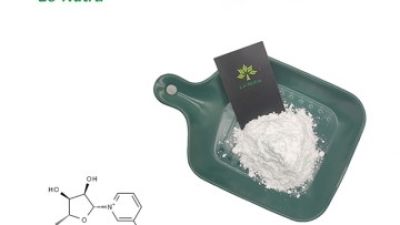
NMN powder, or β-Nicotinamide Mononucleotide (CAS No. 1094-61-7), is an NAD+ precursor used in dietary supplement development. NAD+ is involved in cellular energy metabolism and numerous enzyme-mediated processes, while NMN participates in the intracellular pathway that supports NAD+ synthesis. As consumer interest in healthy aging grows, the Council for Responsible Nutrition’s 2023 Consumer Survey reported that approximately 74% of U.S. adults use dietary supplements, highlighting continued demand for well-characterized nutritional ingredients.

For formulation and quality control, this NMN powder is specified at 99% purity by HPLC and presented as a white, fine powder. Its proposed functions include supporting cellular NAD+ production, maintaining organ function, and helping promote vascular health within appropriate scientific and regulatory boundaries. These properties make it suitable for supplement manufacturers seeking a standardized NAD+ precursor for capsules, powders, or other finished-product formats. Industry market analyses, including reports from Grand View Research, also identify healthy-aging and longevity nutrition as expanding areas within the broader nutraceutical sector, increasing the importance of ingredient consistency and documentation.

The material is supplied in vacuum aluminum foil bags, with 25 kg fiber drums containing an inner double-layer, food-grade polyethylene bag for larger-volume handling. Proper storage, batch testing, and compliance with applicable food-supplement regulations remain essential when incorporating NMN into commercial formulations.

FAQS

How does vitamin D support immune health?

Vitamin D helps regulate immune-cell activity and inflammatory responses. It is not a simple shield against infections.

How much vitamin D do most adults need daily?

Adults aged 19–70 generally need 600 IU daily. Adults over 70 generally need 800 IU. More is not always better.

Can vitamin D supplements prevent colds?

Evidence is mixed. Some research found modest benefits, especially among people with low vitamin D levels. A capsule is not a guarantee.

How can someone check for vitamin D deficiency?

A blood test can identify low levels more reliably than symptoms alone. Symptoms can be vague, which makes guessing less useful.

Why should people be careful with high vitamin D doses?

Vitamin D can accumulate in the body. The adult upper intake level is 4,000 IU daily, but personal needs can differ.

What is elderberry traditionally used for?

Elderberry has been used in traditional herbal practices for seasonal discomfort. It is now sold as teas, syrups, gummies, and capsules. Traditional use does not prove prevention.

Does elderberry have strong evidence for immune benefits?

Some small studies suggest it may support recovery from certain respiratory symptoms. The evidence remains limited and mixed. Comfort is not proof.

What should people know before using elderberry products?

Raw or unripe berries, leaves, and stems can cause stomach problems. Choose clearly labeled, properly processed products and follow serving directions. I would still check with a healthcare professional during pregnancy, breastfeeding, or ongoing treatment.

Conclusion

Ingredients For Immune Health Supplements can include nutrients and other ingredients that support different aspects of normal immune function. Vitamin C contributes to the function of immune cells, while vitamin D helps regulate immune responses. Zinc is involved in several processes that support the body’s defenses. Probiotics may support the gut–immune connection by helping maintain a balanced community of gut microbes, and elderberry has a long history of traditional use for immune support. These ingredients have distinct roles, so they should not be treated as interchangeable or as a guarantee against illness.

When comparing supplements, consider which ingredients are included, their amounts, and whether the information on the label is clear. Think about your diet, health needs, and any medications or existing conditions when deciding what may be suitable. More ingredients do not necessarily mean greater benefit, and supplements are best viewed as one part of a broader approach that includes balanced nutrition, rest, and everyday health habits.
Oliver

Oliver

Oliver is a dedicated marketing professional with extensive expertise in the research and production of natural, healthy, and innovative raw materials. He plays a crucial role in our company's mission to provide high-quality ingredients for nutraceuticals, food and beverage, as well as cosmetics......
Previous 2026 How to Test Herbal Extract Quality?
Next Top 10 Hydrolyzed Protein Suppliers Worldwide