The Clean-Label Imperative: Replacing Synthetic FD&C Blue No. 1
The global food and beverage industry is undergoing a definitive, irreversible shift toward botanical and clean-label alternatives. For decades, synthetic colorants such as Brilliant Blue (FD&C Blue No. 1 / E133) dominated commercial formulation owing to their intense chromatic strength and thermal stability. However, heightened consumer scrutiny, European Union warning labels on azo dyes, and evolving FDA regulations have driven major beverage houses and confectionery innovators to urgently seek natural blue food coloring alternatives.
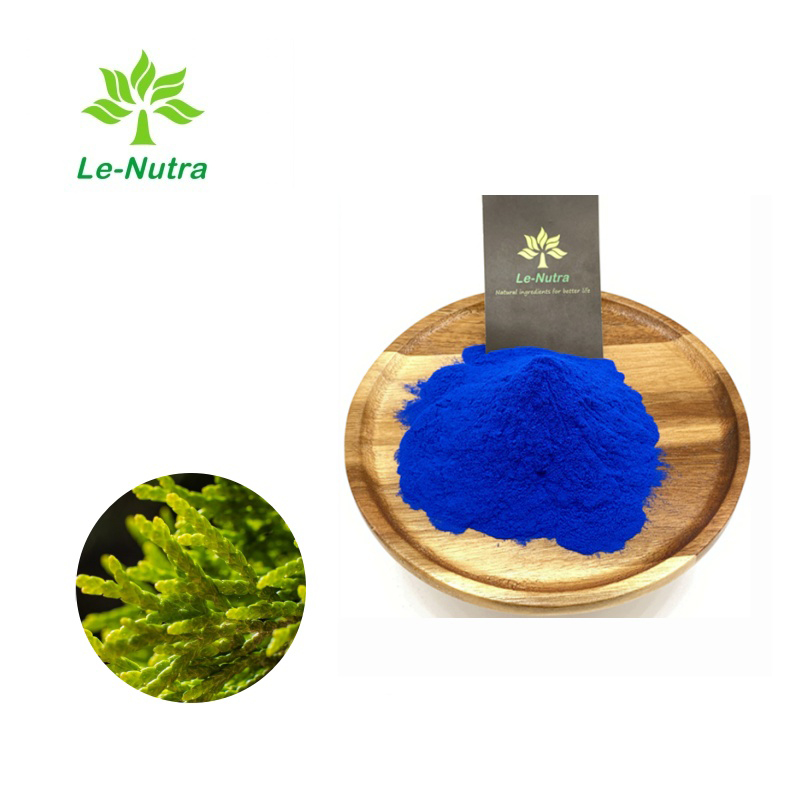
True blue is the rarest hue in edible nature. While anthocyanins offer purple-blue tones under hyper-specific alkaline conditions, Phycocyanin—a water-soluble light-harvesting pigment-protein complex derived directly from Arthrospira platensis (Spirulina)—stands out as the world's premier, globally approved clean-label vivid sky-blue pigment. As procurement managers and food engineers evaluate bulk suppliers, differentiating between crude spirulina powder and precision-refined Phycocyanin E18 and E25 powder is vital for maintaining product appeal, manufacturing throughput, and sensory excellence.
Understanding Phycocyanin Specifications: Deciphering E18 vs E25
To build robust B2B procurement agreements, R&D scientists and purchasing agents must decipher the analytical parameters that govern phycocyanin quality, color value intensity, and purity ratios.
Color Value Definition (E1% 1cm 620nm)
In industrial phytochemistry, "E" designates the specific extinction coefficient measured at 620 nanometers in a 1% aqueous solution through a 1 cm optical path length. Phycocyanin E18 reflects an optical density of at least 180 units, while Phycocyanin E25 yields an extinction value exceeding 250 units, requiring 28% less dosage to achieve identical color depth.
- Peak absorbance at 618nm – 622nm wavelength
- Direct photometer testing methodology
- Consistent batch-to-batch chromatic reproducibility
Purity Ratio ($A_{620} / A_{280}$)
Crude spirulina contains abundant non-pigmented proteins. Purity is characterized spectrophotometrically by comparing absorbance at 620nm (C-phycocyanin) to 280nm (total aromatic proteins). Food-grade phycocyanin requires an $A_{620} / A_{280}$ ratio > 1.5, ensuring minimal fishy or earthy odors, rapid cold water dissolution, and superior thermal tolerance.
- $A_{620} / A_{280} > 1.5$: Food Application Grade
- $A_{620} / A_{280} > 2.5$: Cosmetic / Functional Grade
- Ultra-low volatile organic compounds (VOCs)
Stabilizing Carriers & Excipients
Because isolated biliproteins naturally denature in dehydrated states, pure phycocyanin is standardly co-spray-dried with premium food-grade excipients. High-end formulations utilize disaccharide trehalose (which forms a protective vitrified glass matrix around the protein) or non-GMO maltodextrin combined with sodium citrate to buffer against moisture uptake.
- Trehalose base for superior protein stabilization
- Maltodextrin base for cost-efficient bulk dosing
- Sodium citrate buffer to regulate ionic equilibrium
| Analytical Parameter | Phycocyanin E18 (Standard Grade) | Phycocyanin E25 (Concentrated Grade) | Standard Spirulina Powder (Raw) |
|---|---|---|---|
| Color Value (E1% 1cm 620nm) | ≥ 180 Units | ≥ 250 Units | Approx. 10 – 15 Units |
| Purity Index ($A_{620} / A_{280}$) | ≥ 1.5 – 1.8 | ≥ 2.2 – 2.8 | < 0.5 (Crude biomass) |
| Water Solubility | 100% Instant Aqueous Dissolution | 100% Rapid Aqueous Dissolution | Insoluble / Turbid suspension |
| Sensory Profile | Neutral odor, zero taste, no algae notes | Completely neutral, odorless | Strong seaweed/algae taste & aroma |
| Primary Target Application | RTD Drinks, Hard Candies, Confectionery | Syrups, Concentrates, Premium Gummies | Feed & Direct Dietary Tablets |
Formulation Dynamics: Overcoming Thermal, pH, and Photolytic Stress
Phycocyanin is an exquisite chromoprotein. Successful commercialization hinges on overcoming its biochemical vulnerabilities during beverage pasteurization and candy cooking processes.
Mastering Stability in Liquid Beverage Matrices
In ready-to-drink (RTD) beverages, the stability of C-phycocyanin is intimately tied to pH and temperature. The native biliprotein retains maximum conformational stability between pH 5.5 and pH 7.5. When beverage formulations slip below pH 4.0 (typical of citrus sodas and sour functional drinks), the phycocyanobilin prosthetic group risks partial detachment and protein aggregation, leading to haze and precipitation.
To formulate shelf-stable blue beverages with Le-Nutra's E18/E25 phycocyanin:
- Thermal Processing: Utilize High-Temperature Short-Time (HTST) pasteurization (e.g., 72°C for 15 seconds) or cold-aseptic filling rather than extended retort autoclaving.
- Co-Solute Stabilization: Introduce 5% to 15% polyols (such as sorbitol, erythritol, or glycerol) or disaccharides to decrease water activity and wrap the protein in hydration shells.
- Antioxidant Synergy: Co-formulate with 50-100 ppm ascorbic acid or natural rosemary extract to inhibit photo-oxidation caused by retail fluorescent display lighting.
Thermal Control in Confectionery & Gummy Cooking
In sugar-based and sugar-free confectionery, thermal exposure poses the greatest challenge. Traditional hard-boiled candies reach cooking temperatures between 135°C and 145°C, which instantaneously degrades unprotected spirulina proteins.
Leading confectionery producers engineer stability using systematic deposition protocols:
- Post-Boil Vacuum Dosing: Add pre-dissolved Phycocyanin E25 solution at the final cooling hopper stage when mass temperature cools below 85°C, immediately before molding.
- Pectin & Gelatin Gummy Matrices: Gelling masses deposited at 70°C–80°C exhibit zero color degradation. Trehalose-stabilized E18 disperses instantly in syrup without lump formation.
- Chocolate & Compound Coatings: Oil-dispersible or micro-milled spray-dried phycocyanin can be directly suspended in cocoa butter and fat systems without moisture migration.
B2B Vendor Qualification: Auditing Biomass Origin & Extraction Safety
Not all spirulina extracts meet food safety rigor. Uncovering critical risk vectors in raw microalgae cultivation, microcystin toxins, and extraction hygiene prevents multimillion-dollar recalls.
Raceway Cultivation & Water Purity
Spirulina is a biosorbent that avidly captures environmental elements. Sourcing high-grade phycocyanin requires deep-well potable underground mineral water or closed photo-bioreactor systems located far from industrial runoffs. Open pond operations must employ constant paddlewheel flow to prevent anaerobic stagnation.
Zero Heavy Metal Runoff Filtered Deep Alkaline WaterMicrocystin & Cyanotoxin Elimination
The gravest contamination hazard in microalgae sourcing is cross-contamination with toxigenic cyanobacteria (e.g., Microcystis aeruginosa). Certified suppliers must execute triple testing (ELISA, HPLC-MS/MS) on every single batch, proving total microcystins are undetectable below 1.0 μg/g.
< 1.0 ppm Cyanotoxins HPLC-MS/MS Verified100% Aqueous Physical Extraction
True clean-label compliance mandates physical cell disruption via high-pressure homogenization or controlled enzymatic gentle lysis, followed by chilled microfiltration and centrifugal decanting. No chemical solvents (ethanol, acetone, or hexane) should ever contact the extraction loop.
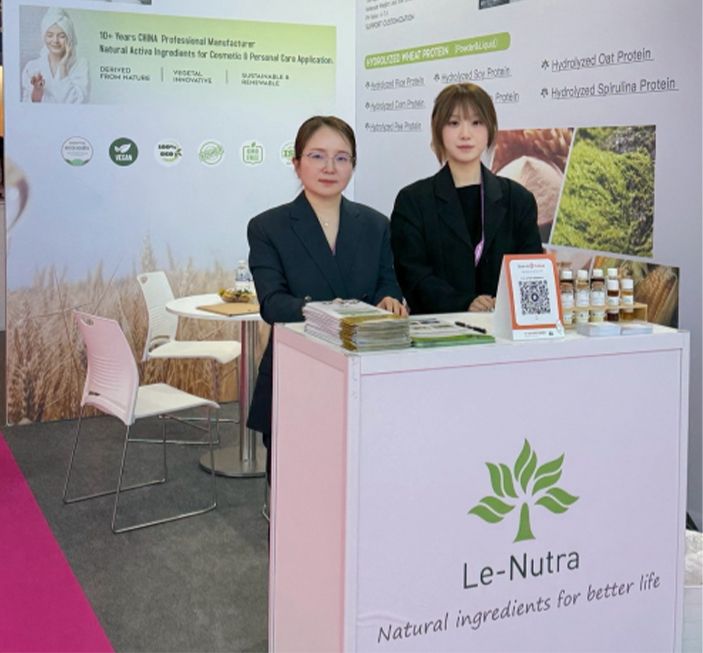
Solvent-Free Process Ultrafiltration PurifiedXi'an Le-Nutra Biotechnology Co., Ltd: 14 Years of Botanical Leadership
Xi'an Le-Nutra Biotechnology Co., Ltd is a globally distinguished biotechnology enterprise with an exemplary reputation across international nutraceutical, food, beverage, and cosmetic sectors. Devoted to natural active ingredients for over 14 years, Le-Nutra merges advanced biological separation technologies with uncompromising quality standards, ensuring every kilogram of Phycocyanin E18 and E25 meets exacting global monographs.
Application Matrix & Packaging Protocols for Long Shelf-Life Stability
Bridging the gap between pilot lab formulations and high-volume commercial runs requires multi-ingredient synergy and hermetic packaging safeguards against humidity and oxygen intrusion.
Synergistic Botanical Integration: Vine Tea & Antioxidant Complexes
Modern functional beverage developers frequently blend Phycocyanin with active bioflavonoids to engineer distinct "Beauty-from-Within" and "Anti-Hangover" functional drinks. A leading example is pairing Spirulina extract blue pigment with Vine Tea Extract (Dihydromyricetin / DHM).
Le-Nutra's standardized Vine Tea Extract Dihydromyricetin functions not only as a potent hepatoprotective metabolic catalyst but also serves as an intrinsic botanical antioxidant, mitigating free radical propagation that could otherwise trigger biliprotein chromophore bleaching over prolonged shelf life.
Recommended Formulation Pairings:
- Functional Blue RTD Shots: Phycocyanin E18 (0.08%) + Vine Tea DHM 98% (250mg) + Vitamin C (60mg).
- Clean Sleep Gummies: Phycocyanin E25 (0.04%) + Melatonin/L-Theanine + Pectin base.
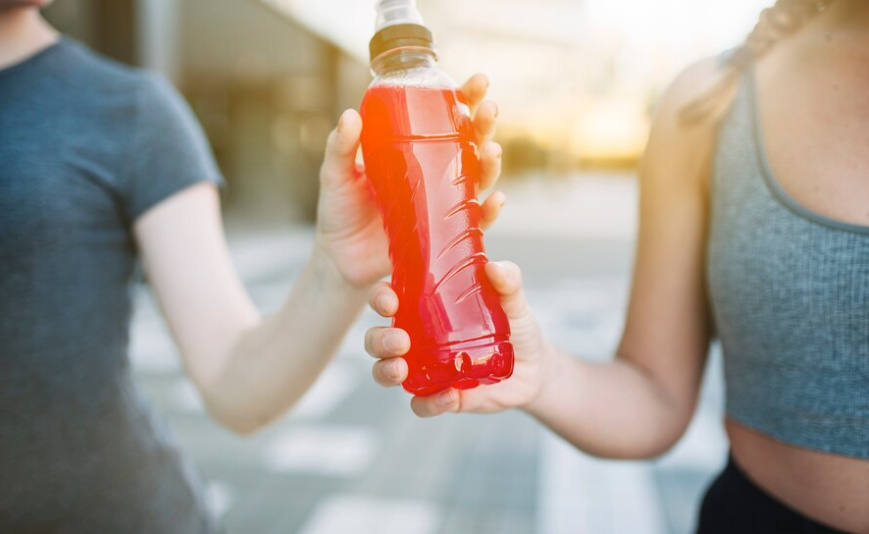
- Sugar-Free Isotonic Drinks: Phycocyanin E18 (0.05%) + Coconut Water Powder + Marine Electrolytes.
Industrial Packaging Integrity: Defeating Moisture & Photo-Degradation
Primary Barrier: Multi-Layer Aluminum Foil Bags
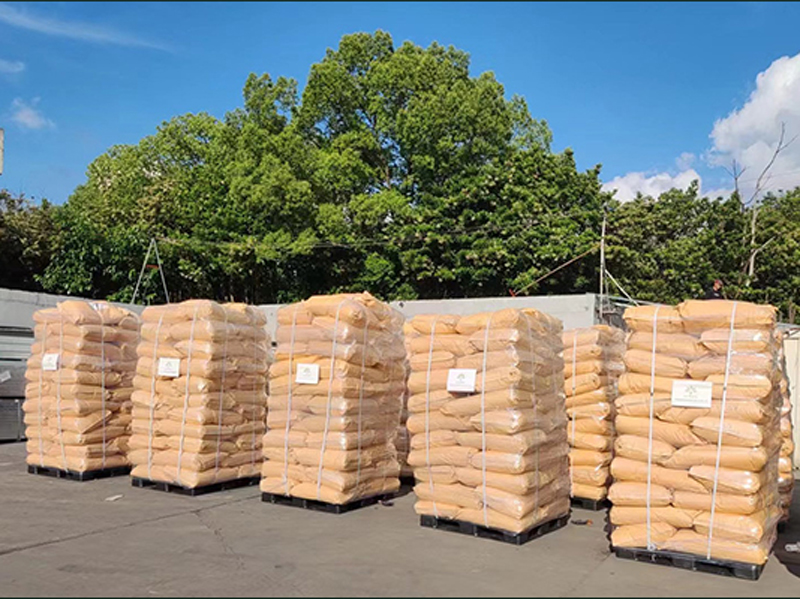
Phycocyanin powder is intensely hygroscopic. Ingress of even minor ambient humidity causes caking and accelerating proteolytic breakdown. We employ high-density tri-laminated aluminum foil bags (PET/AL/PE) featuring near-zero Water Vapor Transmission Rates (WVTR) and complete opacity to block 100% of UV/visible light. Available in 1kg/bag, 5kg/bag, and nitrogen-purged hermetic seals.
Secondary Containment: Rigid Fiber Drums
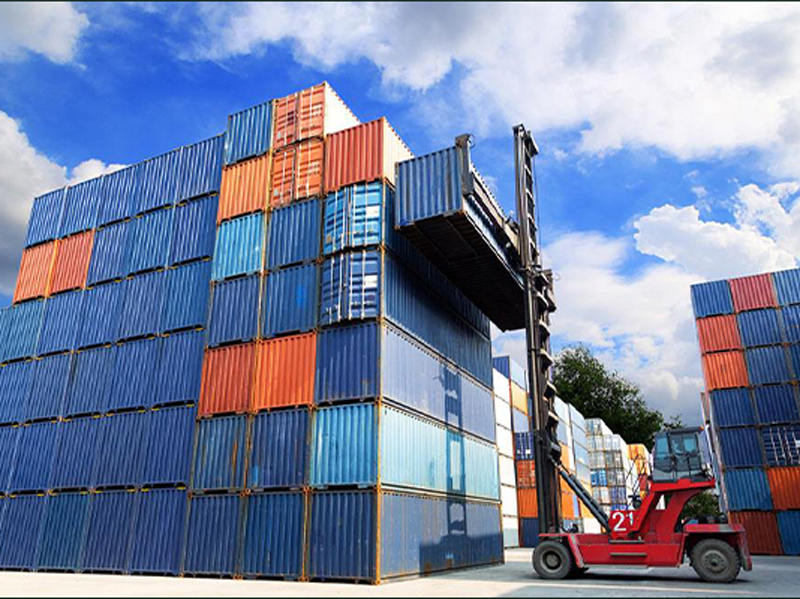
For bulk freight and sea shipping, secondary packaging consists of reinforced food-grade cardboard fiber drums (10kg, 20kg, and 25kg capacity) lined with dual polyethylene food-contact rated liners. Drums are structurally engineered to endure compression, temperature variations, and international customs inspections without rupture.
Procurement Strategy: Global Approvals, Testing Protocols & Cost-in-Use
A streamlined path to market demands complete international regulatory alignment across North American, European, and Asian regulatory bodies alongside optimized cost-in-use modeling.
United States (US FDA)
Approved under 21 CFR § 73.530 (Spirulina Extract) as an exempt-from-certification color additive. Authorized for wide use across confectionery (including candy and chewing gum), frostings, ice cream, RTD beverages, dietary supplements, and pharmaceutical coatings in amounts consistent with Good Manufacturing Practice (GMP).
European Union (EFSA)
Recognized under EU Guidance Notes on "Colouring Foods" (Classification of Food Extracts with Colouring Properties). Aqueous spirulina extract is categorized as a non-additive food ingredient (clean label: "Spirulina Extract" or "Spirulina Concentrate"), bypassing E-number additive declarations on consumer packages.
Asia & Global Certifications
Fully certified according to China GB 2760, Japan Ministry of Health, and international standards. Certified Kosher, Halal, ISO22000, HACCP, and Non-GMO Project compliant, assuring unfettered cross-border distribution across Islamic and global retail channels.
The Strategic Sourcing Checklist for Beverage & Candy Formulators
Before confirming a commercial contract for wholesale Phycocyanin E18 or E25, insist upon the following five empirical verification steps:
Elevate Your Beverage & Confectionery Line with Pure Phycocyanin
Partner with Xi'an Le-Nutra Biotechnology Co., Ltd for high-purity, fully certified Phycocyanin E18 and E25 powders. Access technical application assistance, pilot trial samples, and reliable wholesale bulk supply backed by 14 years of scientific mastery.