

Daidzein: The "plant switch" that activates collagen synthesis.
Daidzein, a natural compound derived from soybeans, is making significant strides from the nutritional supplement sector into the forefront of premium skincare, emerging as a new focal point in anti-ageing within the industry amid the rising trends of plant-based skincare and clean beauty.
As a producer of plant extracts, our focus—daidzein—is transitioning from traditional dietary supplements towards cutting-edge skincare applications. The core of skin ageing lies in the loss of collagen within the dermis. Modern research indicates that daidzein is not only a potent antioxidant but also directly activates key signalling pathways for collagen synthesis in the skin. Acting like an efficient ‘plant switch’, it promotes collagen regeneration at its source, offering a novel solution for reversing signs of ageing.
For brands dedicated to premium anti-ageing formulations, it represents the technological direction for next-generation formulations. With its well-established biological mechanisms, it delivers potent collagen-boosting efficacy for your products, meeting the market's dual expectations for both high performance and natural active ingredients.
I. What is Daidzein
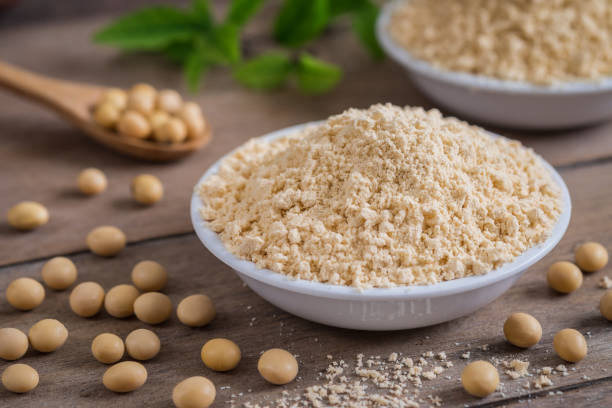
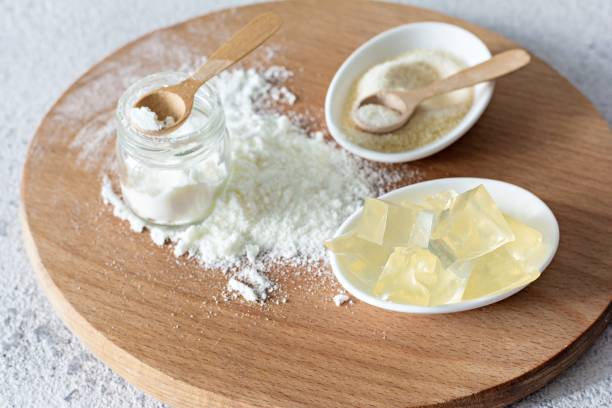
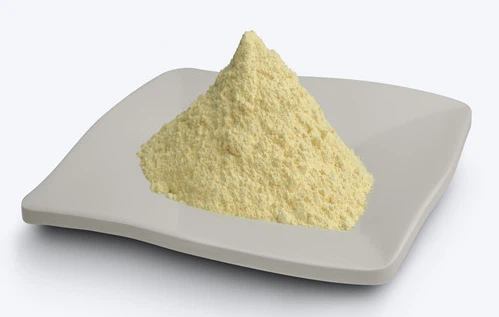
Daidzein Powder stands out as a highly regarded member of the soy isoflavone family. Compared to its counterpart Genistein, Daidzein distinguishes itself through its gentler nature and superior skin absorption properties.
Its exceptional stability and formulation compatibility make it an ideal additive for premium skincare products such as serums, creams, ampoules, and masks. With cosmetic-grade purity exceeding 98%, it is the preferred raw material for brands pursuing ‘plant-based activity + high stability’.
II. The “Plant Switch” Activating Collagen
Collagen within the skin is pivotal for maintaining firmness and elasticity. Daidzein Extract distinguishes itself by activating collagen production signals within skin cells.
At the cellular level, research indicates it:
- Promotes fibroblast activity, supporting collagen synthesis;
- Activate the TGF-β/Smad signalling pathway, enhancing structural integrity in the dermis;
- Inhibit collagen degradation caused by external oxidative stress and environmental pressures.
Unlike chemically synthesised anti-ageing ingredients, this natural botanical molecule regulates skin condition through gentle, sustainable mechanisms, delivering natural firmness and a soft, luminous glow.
III. Application Directions in Cosmetic Formulations
Common Product Types:
Anti-ageing Serum
Firming Cream
Collagen Mask
Plant Active Essence
Why do brands favour Daidzein Powder?
Plant-derived potency: aligning with the “plant-based skincare” trend;
Scientifically validated efficacy: balancing natural origins with technological innovation;
Gentle and safe: suitable for sensitive skin and daily use;
Brand narrative potential: derived from soybeans, sustainable, and eco-friendly.
Consequently, it is widely incorporated into anti-ageing and firming ranges by skincare brands across Asia, Europe, and America.
IV. Why Choose Le-Nutra’s Daidzein Powder
-
As China's leading supplier of Soybean Daidzein Powder, Le-Nutra is dedicated to providing global cosmetics brands with high-quality, functionally defined, formulation-friendly botanical active ingredient solutions. Our high-purity Daidzein (≥98% HPLC) offers consistent batch stability and a traceable raw material system, strictly adhering to international standards such as ISO. Leveraging extensive international OEM/ODM expertise, Le-Nutra extends beyond bulk ingredient supply to deliver comprehensive services including formulation design, technical support, and bespoke branding solutions. This empowers brands to develop scientifically grounded, market-competitive natural skincare products.
Should you require high-purity, customisable Daidzein ingredients or formulation support, we invite you to contact us to explore further possibilities within plant-based active molecules.
📚 References:
https://pubmed.ncbi.nlm.nih.gov/25782428/
https://www.sciencedirect.com/science/article/abs/pii/S1568163714000397
https://www.sciencedirect.com/science/article/pii/S0022316623025403