



Pro-Xylane vs Common Anti-Ageing Ingredients: Which is More Suitable for Your Product Line?
Pro-Xylane is emerging as a core selling point in mid-to-high-end anti-ageing skincare products. Against the backdrop of sustained growth in the anti-ageing market, product development logic has shifted from simple ‘ingredient stacking’ towards strategic selection of ‘core active ingredients’. As a highly regarded anti-ageing component, it is being increasingly prioritised by premium brands, demonstrating rapid momentum across both the raw material supply chain and end consumer markets.
Le-Nutra Ingredients, with extensive experience serving the personal care supply chain, presents a professional and systematic analysis of Pro-Xylane Powder versus comparable ingredients. This examination covers multiple dimensions: mechanism of action, ingredient stability, efficacy potency, formulation compatibility, and market positioning. Through this analysis, you will gain clearer insight into the advantages of different ingredients during actual development, enabling you to select the most competitive anti-ageing solution for your new product line.
I. Why the renewed interest?
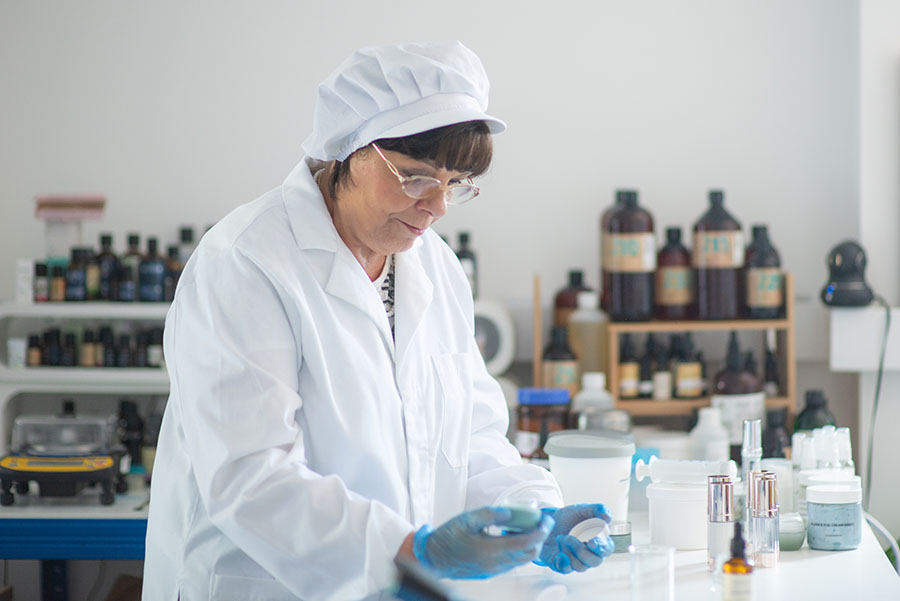
Among numerous anti-ageing ingredients, Pure Pro-xylane stands as one of the few scientifically validated key actives capable of directly targeting the dermis to remodel the skin's intrinsic support structure. Its value extends beyond anti-ageing, offering a gentle yet highly effective solution for skin structural repair.
Its core mechanisms include:
• Promoting glycosaminoglycan (GAG) synthesis: Directly stimulating the skin's own production of key matrix components such as hyaluronic acid, enhancing hydration and plumpness from within.
• Strengthening the extracellular matrix (ECM) network: By increasing the density and quality of the ECM, it effectively restores the skin's supportive strength, thereby improving sagging and wrinkles caused by structural collapse.
• Delivering visible rejuvenation markers: Consistent use significantly enhances skin firmness and elasticity, counteracting sagging and laxity.
-
• Synergistic repair and hydration: Combats ageing while fortifying the barrier function, improving overall skin quality.
• Broad skin type compatibility and high tolerance: Its gentle, non-irritating action allows even sensitive skin types to use it safely over the long term.
For formulators, it represents a quintessential ‘premium anti-ageing active’. Its exceptional stability and broad formulation compatibility enable flexible integration into diverse formulations, substantially reducing development complexity. For consumers, it embodies a premium anti-ageing experience that is both gentle and reliable, delivering perceptible results.
II. Common Anti-Ageing Ingredients
1. Retinol — ‘The Gold Standard, Yet with Higher Barriers’
As the benchmark in anti-ageing skincare, its ability to stimulate collagen regeneration and accelerate skin cell turnover is undisputed. However, its inherent high irritation potential, photosensitivity, and formulation instability impose significant limitations on its application, rendering it particularly unsuitable for prolonged use on sensitive skin.
2. Peptides — ‘Precision and Gentleness, Yet Dependent on Concentration and Delivery’
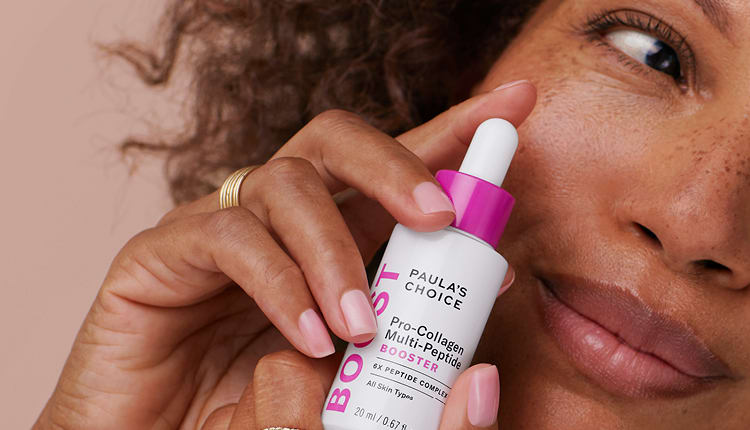
Acting as intercellular ‘messengers,’ peptides precisely instruct the skin to synthesise collagen, offering gentle action and excellent tolerance. However, their efficacy is highly dependent on peptide type, concentration, purity, and transdermal absorption efficiency, leading to significant variations in results between products.
3. Hyaluronic Acid — ‘The cornerstone of hydration, yet limited in anti-ageing efficacy’
Its exceptional water-binding capacity makes it the undisputed champion of ‘instant plumping’ for visual improvements, swiftly smoothing fine lines caused by dryness. However, its action primarily remains confined to the epidermis, unable to fundamentally address dermal structural ageing. It requires combination with other ingredients to deliver anti-ageing benefits.
4. Niacinamide — ‘Versatile Support, Yet Not Core Anti-Ageing’
Demonstrating exceptional efficacy in barrier repair, sebum control, acne prevention, and skin tone brightening, it remains a staple in mass-market skincare formulations. However, its capacity to directly stimulate collagen production and enhance skin elasticity is limited, positioning it as a ‘supporting player’ rather than a ‘core contributor’ in broad anti-ageing strategies.
While most of the aforementioned ingredients act upon the epidermis or single collagen targets, Pro-Xylane's strategic value lies in its systemic action within the dermis: By restructuring the glycosaminoglycan and extracellular matrix network, it enhances skin density, elasticity, and support from the deepest layers—representing a more profound, systemic, and structural approach to anti-ageing. This fundamental mechanism underpins its unique standing within the premium anti-ageing market.
III. Comparison with Mainstream Anti-Ageing Ingredients: A Five-Dimensional Systemic Analysis
When selecting anti-ageing ingredients, comprehensive evaluation across multiple dimensions is essential, including mechanism of action, efficacy speed, compatibility, stability, and market positioning. The following systematic comparison will assist in precisely defining the strategic value of Pure Pro-xylane Powder within the anti-ageing matrix.
1. Mechanism of Action: Structural Regeneration vs. Functional Modulation
- Pro-Xylane: Classified as a ‘structural reinforcement’ anti-ageing agent, it directly fortifies the dermal extracellular matrix (ECM) by stimulating glycosaminoglycan synthesis, achieving systemic anti-ageing through structural support.
- Retinol: Primarily functions by accelerating keratinocyte turnover and promoting collagen synthesis, offering comprehensive effects concentrated in the epidermis and superficial dermis.
- Peptides: Function as signalling molecules, instructively stimulating collagen production. Their mechanism is precise but reliant on delivery efficiency.
- Hyaluronic Acid: Provides potent hydration, delivering ‘instant plumping’ through physical improvement.
- Niacinamide: Primarily addresses barrier conditioning and skin tone evenness, functioning as a multifunctional skincare ingredient where anti-ageing is not its core focus.
2. Comparison of Efficacy Speed and Intensity
- Pro-Xylane: Exhibits moderate-speed, stable, and sustained effects, suitable for long-term anti-ageing investment.
- Retinol: Rapid onset and potent efficacy as a high-performance anti-ageing agent, though accompanied by significant irritation risks.
- Peptides: Moderate onset, gentle yet enduring effects, with substantial efficacy variation across different types.
- Niacinamide: Barrier-repair effects manifest over several weeks, representing gradual, sustained improvement.
- Hyaluronic Acid: Delivers immediate hydration but fundamentally provides temporary moisture retention without addressing underlying ageing causes.
3. Skin Type Compatibility
- Pro-Xylane: Suitable for nearly all skin types, including sensitive skin, with exceptional tolerance.
- Retinol: Requires tolerance-building and is unsuitable for sensitive skin.
- Peptides: Generally mild with broad compatibility.
- Niacinamide: Medium-to-high concentrations may cause redness or discomfort in some individuals.
- Hyaluronic Acid: High safety profile, but its purely hydrating function limits anti-ageing efficacy.
4. Formulation Compatibility and Stability
- Pro-Xylane: Formulation-friendly, pH-insensitive, with excellent thermal stability and compatibility.
- Retinol: Highly photosensitive and oxygen-sensitive, posing formulation challenges and higher packaging costs.
- Peptides: Certain peptide segments may deactivate in acidic or high-temperature environments.
- Niacinamide: May convert to nicotinic acid in low pH environments, potentially causing irritation.
- Hyaluronic Acid: Stable properties with good compatibility.
5. Brand Positioning and Cost Strategy
- Pro-Xylane: Positioned for mid-to-high-end anti-ageing product lines, serving as a core technical ingredient for building product premiumisation.
- Retinol: Frequently utilised in professional anti-ageing ranges, emphasising efficacy and technological sophistication.
- Peptides: Primarily featured in mid-to-high-end anti-wrinkle formulations, promoting precision and gentleness.
- Niacinamide: Positioned for the mass market, representing a value-for-money choice.
- Hyaluronic Acid: Serving as a fundamental moisturising agent, suitable for application across all product tiers.
IV. Why Choose Us
-
In today's anti-ageing market, where competition has become increasingly sophisticated, brands seeking genuine differentiation must transcend traditional “superficial” skincare approaches. While retinol, peptides, hyaluronic acid and niacinamide remain classic and vital ingredients, they predominantly focus on foundational stability or superficial anti-ageing. The emergence of Pro-Xylane has brought deep structural anti-ageing from the laboratory into the mass market. With its exceptional dermal reconstruction capabilities and demonstrable skin density enhancement, it is becoming an indispensable core ingredient in mid-to-high-end skincare lines. For brands seeking to elevate their product portfolios and establish stronger efficacy credentials, Pro-Xylane represents not merely an ingredient choice but a clear competitive pathway—enabling the creation of a truly differentiated anti-ageing product matrix through a more scientific, quantifiable, and premium-oriented approach.
As a supplier specialising in functional botanical actives and premium skincare ingredients, Le-Nutra Ingredients understands that brands and OEM/ODM manufacturers prioritise three key factors when selecting core anti-ageing ingredients like Pro-Xylane: consistent quality, uninterrupted supply, and robust technical support. Therefore, we not only provide high-purity Pro-Xylane raw materials meeting international standards but also ensure clients can confidently incorporate our ingredients into premium anti-ageing product lines through a comprehensive quality system, transparent and traceable supply chain, and specialised application R&D capabilities.
Leveraging batch stability control within our proprietary manufacturing facilities and rigorous multi-tiered testing protocols, we maintain consistent supply capabilities spanning from gram-scale samples to tonnage-level commercial production. Concurrently, our technical team provides reference formulation parameters, application guidance, and market trend insights tailored to clients' formulation objectives, target markets, and regulatory requirements. This empowers brands to efficiently navigate the entire journey from development to mass production. Choosing us means acquiring not merely an ingredient, but a long-term partner who understands active ingredients, masters product implementation, and assists clients in building differentiated competitive advantages. Whether you are developing premium anti-ageing serums, revitalising creams, or planning to upgrade existing formulations, we deliver truly reliable support for your brand through professionalism, consistency, and sustainable supply capabilities.
📚 References: