


What are the benefits of hydrolysed fish collagen powder for the skin?
Hydrolysed Fish Collagen, as a mature and highly adaptable cosmetic ingredient, has been extensively incorporated into modern skincare formulations owing to its excellent water solubility, gentle skin affinity, and consistent moisturising and skin conditioning properties. Compared to traditional collagen sources, it exhibits a lower molecular weight and higher solubility, demonstrating superior skin affinity in practical formulations while offering distinct advantages in formulation stability and production process controllability. From fundamental moisturising care to anti-ageing and restorative formulations, fish collagen protein demonstrates excellent application flexibility and market adaptability across multiple dosage forms including serums, creams, and masks. This article explores its key advantages within cosmetic formulations, offering practical guidance for brand innovation and product development.
I. What is Hydrolysed Fish Collagen Protein? Why Do Formulators Favour It?
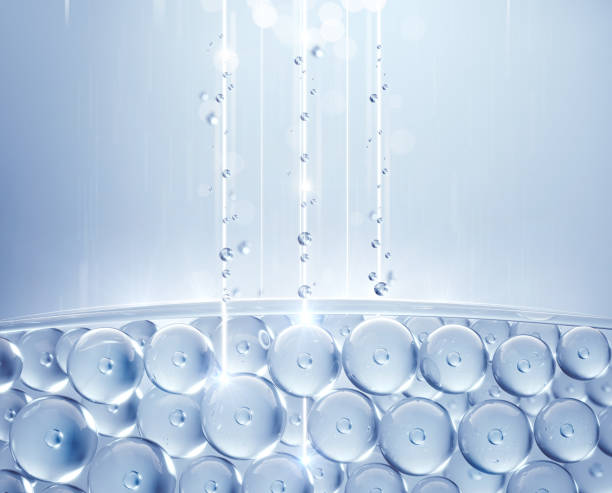
In practical applications, fish collagen protein powder is regarded by many formulators as a reliable and easy-to-work-with foundational functional ingredient, primarily due to the following characteristics:
Lower molecular weight, greater formulation adaptability
Hydrolysed collagen typically exhibits a molecular weight concentrated within the 2000–5000 Dalton range. This facilitates uniform dispersion within skincare formulations, enabling effective participation in surface hydration and conditioning rather than merely resting on the formulation's surface.
-
Mild properties and excellent compatibility
High-quality hydrolysed fish collagen is typically colourless or pale, with a subtle odour, and exhibits broad pH tolerance. It maintains stability in acidic serums, aqueous systems, or cream formulations without adversely interacting with other active ingredients.Transparent sourcing, aligned with market trends
Derived from marine organisms, it circumvents safety concerns associated with land-based animal sources prevalent in certain markets, while aligning with contemporary consumer preferences for clean beauty and sustainable practices.Industry perspective supplement
In collagen ingredient evaluation, alongside purity metrics, the molecular weight distribution of peptide segments is equally critical. It is generally recognised that powders containing a higher proportion of collagen peptides within the 1000–3000 Dalton range are more conducive to delivering their value in skin conditioning and formulation applications.
II. Not Direct Filling, But Signal Triggering
Many consumers intuitively assume that using or supplementing collagen involves directly replenishing lost collagen within the skin, much like filling cracks with cement. In reality, the mechanism of action for collagen hydrolysate within the skin is far more intricate than this simplistic notion.
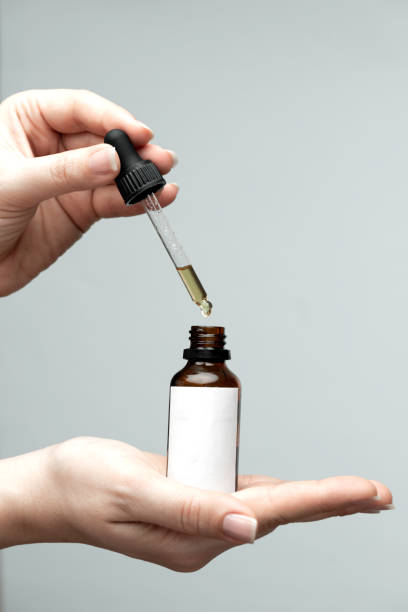
From a biological perspective, large-molecule collagen itself cannot enter the skin's deep structures unchanged. The true agents of change are specific collagen peptide fragments produced through hydrolysis. Research within the American dermatological field has revealed that collagen peptides with particular amino acid sequences can be recognised by skin cells as bioactive signalling molecules. As these low-molecular-weight peptides traverse the stratum corneum and gradually reach the dermal environment, they do not function as structural materials but rather as ‘messengers’.
These collagen peptides are perceived by fibroblasts. Fibroblasts are the key cells in the skin responsible for synthesising collagen, elastin, and hyaluronic acid. When they “detect” the presence of collagen peptides, they interpret this as a signal that collagen structures are being degraded or damaged, thereby initiating the repair response pathway. II. Triggering Signals, Not Direct Filling
Many consumers intuitively assume that using or supplementing collagen involves directly replenishing lost collagen within the skin, akin to filling cracks with cement. In reality, the mechanism of action for collagen hydrolysate within the skin is far more intricate than this simplistic notion.
From a biological perspective, large-molecule collagen itself cannot enter the skin's deep structures intact. The true agents of change are specific collagen peptide fragments produced through hydrolysis. Research within the American dermatological field indicates that collagen peptides with particular amino acid sequences can be recognised by skin cells as bioactive signalling molecules. As these low-molecular-weight peptides traverse the stratum corneum and gradually reach the dermal environment, they do not function as structural materials but rather as ‘messengers’.
These collagen peptides are perceived by fibroblasts. Fibroblasts are the key cells in the skin responsible for synthesising collagen, elastin, and hyaluronic acid. When they “detect” the presence of collagen peptides, they interpret this as a signal that collagen structures are being degraded or damaged, thereby initiating the repair response pathway.
III. Five Key Skincare Benefits: How Do They Benefit You?

① Deep Hydration: Creating an “Invisible Reservoir”
It does more than just replenish moisture; it enhances the skin's innate “water-producing” capacity.
Research indicates that oral intake of specific collagen peptides significantly increases skin hydration levels. In skincare formulations, it works by stimulating the skin's own hyaluronic acid synthesis, thereby strengthening its moisture-retaining capabilities at the root and delivering longer-lasting hydration.
② Firming & Anti-Wrinkle: Reinforcing the ‘Skin's Skeletal Framework’
Combats gravity's pull to restore skin elasticity.
Collagen within the dermis functions like springs in a mattress. Ageing and photoaging cause these ‘springs’ to break and collapse. Hydrolysed fish collagen stimulates new collagen production, helping repair and fortify this supportive network. This improves skin laxity and diminishes fine lines.
③ Strengthening the Barrier, Building a ‘Defensive Wall’
Healthy skin begins with a robust barrier.
It helps fortify the dermal-epidermal junction (DEJ), reinforcing the skin's intrinsic health. A strengthened barrier naturally enhances resistance to external irritants (such as seasonal changes and pollution), improving sensitivity and redness concerns.
④ Brightening Radiance, Revealing a ‘Translucent Glow’
True skin quality shines through—it isn't concealed.
When the skin's underlying structure is plump and even, light reflects more uniformly across the surface, naturally revealing a healthy, inner-glow luminosity. This is the authentic, ‘born-good skin’ texture that no pearlescent brightener can replicate.
⑤ Synergistic anti-ageing for ‘1+1>2’ results
Within formulations, it excels as a ‘team player’.
The most classic pairing is ‘Hydrolysed Fish Collagen powder + Vitamin C’. VC serves as an essential coenzyme in collagen synthesis, and their combination significantly amplifies anti-ageing efficacy. Furthermore, when blended with ingredients like niacinamide or retinol, it produces a synergistic effect.
IV. How to Select Products Containing High-Quality Hydrolysed Fish Collagen?
-
• Check the ingredient list position: Active ingredients are typically listed in descending order of concentration. If Hydrolysed Fish Collagen or collagen peptides appear far down the list, their efficacy may be limited.
• Consider product formulation: Formulations such as serums, ampoules, and high-performance creams are more likely to contain sufficient and effective concentrations.
• Evaluate brand technical credentials: Examine whether the brand discloses the collagen source, molecular weight range, or provides relevant clinical trial data.
• Combine with complementary products: For daily skincare, pair with products containing antioxidants like Vitamin C and Vitamin E to synergistically combat ageing through both external protection and internal stimulation.
V.Why is Hydrolysed Fish Collagen an Ideal Partner for Cosmetic Formulations?
1. Exceptional Physical Stability, Granting Formulations Greater Freedom
In practical applications, whether within pH-balanced functional oral solutions or richly textured anti-ageing creams and serums, high-quality fish collagen powder maintains excellent solubility and structural stability. It resists precipitation, separation, or deactivation due to temperature fluctuations or acidic/alkaline environments. This grants formulators greater creative freedom during product development while significantly reducing the risk of subsequent formulation adjustments and rework.
2. Sensory-friendly formulation addresses the industry challenge of fishy odour
Early fish collagen raw materials were often restricted in application due to pronounced fishy odours, particularly in oral beauty supplements and premium skincare products. Through advanced decolourisation, deodorisation, and refinement processes, our fish collagen protein achieves near-colourless and virtually odourless sensory characteristics. This ensures it does not interfere with the flavour or aroma profiles of end products, seamlessly integrating into fruit-flavoured beverages, functional powders, or skincare formulations prioritising a ‘pure’ sensory experience.
3. High Compatibility, Unlocking Synergistic Value
Hydrolysed Fish Collagen is an exceptionally ‘formulation-friendly’ active ingredient, capable of forming stable, high-performance combinations with diverse functional ingredients. The most classic pairing remains ‘Fish Collagen + Vitamin C’ – Vitamin C, as an essential coenzyme in collagen synthesis, significantly enhances the functional integrity of the overall formulation.
Furthermore, its formulation with ingredients such as niacinamide, hyaluronic acid, astaxanthin, and peptides is widely employed in anti-ageing, repair, and moisturising products, helping brands construct more compelling efficacy matrices.
VI. FAQ
Q1. What is the primary function of fish collagen protein powder in skincare products?
A: It is chiefly employed for moisturising, skin conditioning, and enhancing texture. It forms a soft, hydrating film on the skin's surface, helping to reduce moisture loss and leaving the complexion more refined and smooth. It is commonly found in anti-ageing and highly moisturising skincare formulations.
Q2. Is it suitable for sensitive skin products?
A: Generally, yes. Hydrolysed fish collagen is mild and low-irritant. When incorporated into well-formulated products, it is frequently used in formulations for sensitive skin, dry skin, and post-aesthetic procedure recovery.
Q3. What distinguishes hydrolysed fish collagen from regular collagen?
A: Regular collagen possesses a larger molecular weight, limiting its water solubility and formulation flexibility. whereas hydrolysed fish collagen undergoes hydrolysis to achieve a smaller molecular weight and superior solubility, making it more suitable for cosmetics and personal care products.
Q4. With which active ingredients can hydrolysed fish collagen be combined?
A: Hydrolysed fish collagen exhibits good formulation compatibility and can be synergistically used with:
peptide ingredients
hyaluronic acid
niacinamide
Ceramides
Plant extracts
and other synergistic ingredients.
Q5. What key considerations should brands or buyers prioritise when selecting hydrolysed fish collagen?
A: Primary focus should be on:
Molecular weight range and stability
Raw material sourcing and traceability
Product purity and batch consistency
Compliance with cosmetic regulatory requirements
Q6. Is hydrolysed fish collagen stable in formulations?
A: Under appropriate processing and storage conditions, hydrolysed fish collagen exhibits excellent formulation stability and is suitable for diverse aqueous and emulsion systems.
Q7. Does hydrolysed fish collagen retain long-term value in the current skincare market?
A: Yes. With established application expertise, consistent formulation performance, and high market recognition, hydrolysed fish collagen remains an indispensable foundational active ingredient in modern skincare formulations.
VII. Le-Nutra Ingredients: A Reliable Partner in Skincare Innovation
In the realms of oral beauty and functional skincare, ingredient quality is paramount to a product's success. Xi'an Le-Nutra Ingredients specialises in supplying globally leading hydrolysed fish collagen ingredients, meticulously controlling molecular weight distribution to ensure high purity and exceptional bioactivity. This provides formulators and brands with dependable technical assurance. Whether you require premium raw material powders or seek our comprehensive OEM/ODM solutions—spanning formulation design to finished product delivery—we stand as your trusted strategic partner.
Let us join forces, driven by science and technology, to deliver genuinely visible skin improvement experiences for consumers worldwide. Together, we empower brands to stand out in the fiercely competitive beauty market.
📚 References: