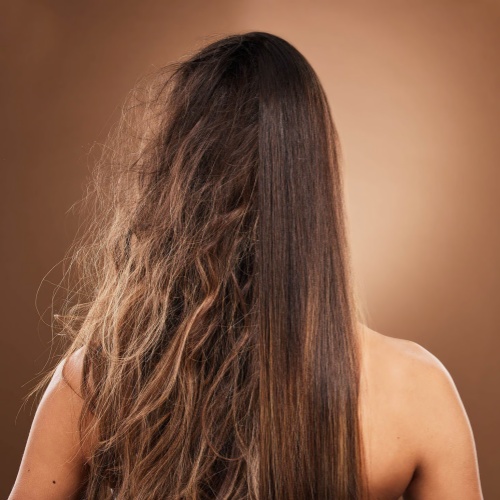
Oat Peptides have emerged as a transformative ingredient in modern haircare—particularly for dry, brittle, or chemically damaged strands. These hydrolyzed proteins, derived from Avena sativa, are small enough to penetrate the hair cuticle, where they reinforce internal structures and create a smoother outer surface. Instead of simply coating the hair, they bind directly to weakened keratin sites, helping to reduce breakage and restore tensile strength. This internal binding capacity is especially valuable in formulations aimed at repairing heat-stressed or color-treated hair.
The benefit doesn’t stop at strength. Many users report an immediate visual improvement—hair appears shinier, less frizzy, and more manageable. This isn’t just anecdotal. Scientific findings show that hydrolyzed oat protein can form a thin, flexible film around the hair shaft, which helps reflect light and preserve moisture without adding weight or greasiness. It’s a kind of invisible armor that not only protects but also enhances the hair’s natural aesthetic qualities.
-
-
-
But why oat peptides over other plant proteins? Their amino acid profile—rich in glutamic acid and aspartic acid—mimics the composition of hair's natural protein structure. This similarity facilitates better adhesion and absorption compared to larger or less compatible proteins. As a result, the use of oat-derived oligopeptides has gained traction not just in shampoos and conditioners but also in leave-in serums, hair masks, and strengthening sprays.
So, whether the goal is to protect hair from future damage or to reverse visible signs of wear, oat peptides offer a gentle yet effective solution—no synthetic harshness required.
2. Improves Skin Moisture Retention
Hydrolysed Oat Protein don’t just sit on the surface of the skin—they work with it. Their unique molecular composition allows them to bind water effectively, acting as humectants that attract and hold moisture in the stratum corneum. Unlike synthetic moisturizers that can feel greasy or heavy, these bioactive fragments derived from Avena sativa exhibit a remarkable ability to hydrate the skin without disrupting its natural balance. That balance is key, especially in skincare where long-term hydration means more than just a quick fix.
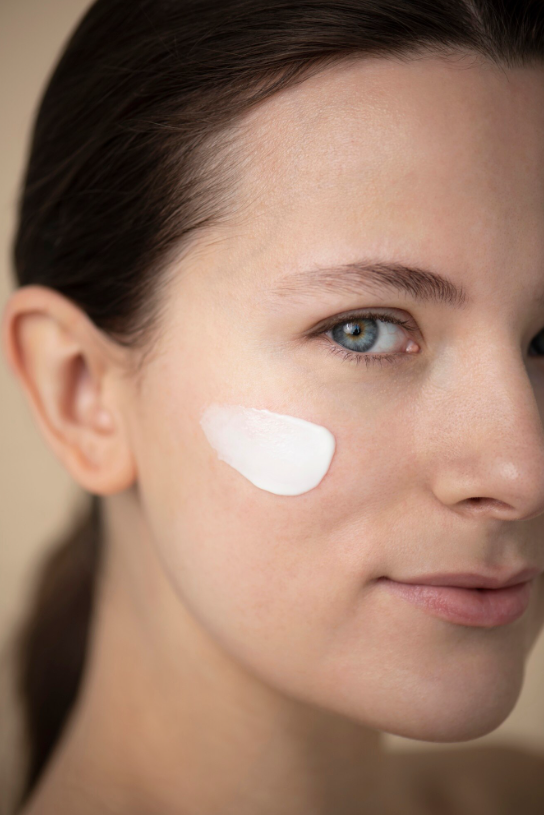
What’s behind this effect? It comes down to two things: hygroscopicity and bio-compatibility. Oat peptides have a natural affinity for water, thanks to their abundance of polar amino acids—particularly serine, threonine, and glutamic acid—which can form hydrogen bonds with water molecules. This not only retains existing moisture but also enhances the skin’s capacity to absorb water from its environment, creating a more supple, resilient surface. It's a subtle yet significant difference that users often report as a lasting, healthy glow rather than short-lived dewiness.
Even more compelling is how these peptides interact with the skin barrier. Studies have shown that hydrolyzed oat fractions can reinforce the lipid matrix in the stratum corneum, helping to prevent transepidermal water loss (TEWL). This mechanism makes them particularly effective in treating conditions associated with barrier dysfunction, such as dryness, flaking, or rough texture. And it’s not just theory. Clinical trials have documented significant improvement in skin hydration and elasticity when cosmetic products containing hydrolyzed oat peptides were used consistently over time.
So, can one ingredient both attract water and lock it in? In the case of oat peptides, the answer is a confident yes. Their dual-action nature—moisture magnet and barrier builder—makes them a favorite among formulators looking to deliver true hydration, not just the illusion of it.
3. Soothes Sensitive and Irritated Skin
Oat Oligopeptide don’t just sit on the surface of the skin—they work with it. Their unique molecular composition allows them to bind water effectively, acting as humectants that attract and hold moisture in the stratum corneum. Unlike synthetic moisturizers that can feel greasy or heavy, these bioactive fragments derived from Avena sativa exhibit a remarkable ability to hydrate the skin without disrupting its natural balance. That balance is key, especially in skincare where long-term hydration means more than just a quick fix.
What’s behind this effect? It comes down to two things: hygroscopicity and bio-compatibility. Oat peptides have a natural affinity for water, thanks to their abundance of polar amino acids—particularly serine, threonine, and glutamic acid—which can form hydrogen bonds with water molecules. This not only retains existing moisture but also enhances the skin’s capacity to absorb water from its environment, creating a more supple, resilient surface. It's a subtle yet significant difference that users often report as a lasting, healthy glow rather than short-lived dewiness.
Even more compelling is how these peptides interact with the skin barrier. Studies have shown that hydrolyzed oat fractions can reinforce the lipid matrix in the stratum corneum, helping to prevent transepidermal water loss (TEWL). This mechanism makes them particularly effective in treating conditions associated with barrier dysfunction, such as dryness, flaking, or rough texture. And it’s not just theory. Clinical trials have documented significant improvement in skin hydration and elasticity when cosmetic products containing hydrolyzed oat peptides were used consistently over time.
So, can one ingredient both attract water and lock it in? In the case of oat peptides, the answer is a confident yes. Their dual-action nature—moisture magnet and barrier builder—makes them a favorite among formulators looking to deliver true hydration, not just the illusion of it.
4. Boosts Skin Barrier Function

Oat Oligopeptide do more than just moisturize—they teach the skin to heal itself. By mimicking the amino acid composition of the skin’s own structural proteins, these hydrolyzed oat derivatives contribute directly to the rebuilding of the barrier matrix. When the stratum corneum becomes compromised—through over-cleansing, environmental stress, or inflammation—the skin loses its ability to retain moisture and repel irritants. That’s where oat peptides step in, not as a patch, but as a blueprint.
What's fascinating is their richness in cereal-derived amino acids like proline, serine, and glutamic acid, which are integral to maintaining the integrity of the epidermis. These peptides stimulate the synthesis of natural moisturizing factors (NMFs) and lipids, particularly ceramides, which form the mortar between skin cells. Think of it as re-cementing the bricks of a damaged wall—not just sealing cracks but restoring the structure from the ground up.
And they don't act alone. Bioactive fragments within oat peptides exhibit signaling behavior, gently encouraging keratinocytes to repair and regenerate. As a result, damaged skin becomes more elastic, less reactive, and visibly smoother over time. It’s not a quick-fix ingredient—it’s a recovery coach. This makes it highly suitable for post-procedure products, sensitive-skin serums, and dermocosmetic formulations designed for long-term barrier repair.
In a market saturated with silicone-based occlusives and surface-level hydrators, oat peptides offer a smarter route: working with biology rather than against it. They're not shouting over the skin’s signals—they’re translating them.
5. Provides Natural Conditioning Without Harsh Chemicals
-
Hydrolysed Oat Protein stand in sharp contrast to the conventional conditioning agents found in many personal care products—especially when those agents are synthetic, silicone-heavy, or leave behind residues that do more harm than good. At a time when consumers and formulators alike are questioning the long-term impact of chemical additives on scalp and skin health, this natural ingredient offers a smarter, cleaner alternative.
What makes them different? Their conditioning effect doesn’t rely on surface coating but on biochemical compatibility. While silicones like dimethicone and quaterniums form an occlusive layer to fake smoothness, oat-derived oligopeptides bond gently with the cuticle’s porous areas, actually improving texture from within. This is not cosmetic camouflage—it’s molecular-level repair. As a result, hair feels soft without slipping into limpness, and skin gains smoothness without clogging.
Even better, this form of conditioning is biodegradable, hypoallergenic, and inherently non-irritating. That's a trifecta of wins for formulators targeting sensitive demographics—whether it’s children’s shampoo, minimalist skincare, or barrier-support serums. The protein fragments in oat peptides create a flexible, breathable film over the surface, mimicking the skin’s own protective structure. Unlike harsh chemical additives, they don’t strip or suffocate. They support.
For brands aiming to formulate without parabens, sulfates, PEGs, or artificial emulsifiers, oat peptides check all the boxes: they’re clean-label compliant, vegan-friendly, and easy to incorporate without destabilizing pH levels or texture. This makes them not just a natural alternative, but a technologically advanced one.
In a world where “gentle” often means “less effective,” oat peptides rewrite the rules. You don’t need to compromise performance for purity.
-
-
-
6. Compatible with a Wide Range of Formulations
Oat Peptides don’t shy away from complexity—they adapt to it. In today’s fast-evolving cosmetic and personal care industry, where formulations span from low-pH exfoliating serums to high-pH cleansing foams, ingredient versatility is more than a convenience—it's a necessity. This is where oat-derived peptides excel: their chemical structure grants them a rare type of flexibility, allowing them to remain stable, soluble, and active across diverse formulation conditions.
Technically speaking, these peptides exhibit remarkable dispersibility in both aqueous and emulsified systems, forming transparent, non-turbid solutions even in low-viscosity environments. Their solubility profile spans a wide pH range (typically 4.0 to 9.0), making them suitable for leave-on skincare, rinse-off shampoos, or even hybrid textures like gel-serums and micellar emulsions. More impressive is their ability to maintain structural integrity under high-shear mixing, thermal processing, and common preservative systems—without clumping, denaturing, or disrupting viscosity.
This makes life easier for formulators. Whether you’re working with cold-process emulsions, surfactant-based systems, or alcohol-containing tonics, oat peptides slip right in. Their neutral color and odor also mean there’s no need for fragrance masking or color-correcting agents, which simplifies clean-label development. As a result, they’re not only functional but formulation-friendly, opening the door to high-performance products with fewer compromises.
And let’s not forget user experience. Their soft-skin finish, non-tacky texture, and quick absorption enhance sensorial appeal across applications—from hair masks to moisturizing lotions. That rare ability to behave consistently in different environments while still delivering bioactivity? That’s not just compatibility—it’s formulation intelligence.
7. Scientifically Supported by Peptide and Antioxidant Studies
Hydrolyzed Oat Protein are not just a cosmetic trend—they are structurally and functionally grounded in science. What elevates them from generic plant extracts to high-performance ingredients is their dual identity: as short-chain peptides capable of cellular signaling, and as antioxidant agents equipped to neutralize oxidative stress. These aren’t just marketing claims—they're mechanisms, and they've been tested.
Recent peptide research highlights the role of low-molecular-weight oat hydrolysates in skin repair processes. Specifically, bioactive fragments in the range of 300–2000 Da have demonstrated the ability to penetrate the stratum corneum and stimulate fibroblast activity. Once inside the dermal environment, these peptides may act as messengers, encouraging collagen synthesis and accelerating cellular regeneration. This property has enormous implications for anti-aging formulations and barrier-restoring treatments.
On the antioxidant front, the presence of avenanthramides—a class of polyphenolic alkaloids found exclusively in oats—adds a second layer of defense. These compounds have been shown to inhibit reactive oxygen species (ROS) and modulate the expression of NF-κB, a key player in skin inflammation. The synergy between peptide and antioxidant action offers a holistic solution to common skin stressors: pollution, UV exposure, and even post-inflammatory hyperpigmentation.
What's fascinating is how molecular architecture influences these results. The specific amino acid sequences in oat peptides—rich in glutamine, arginine, and aspartic acid—correlate directly with their binding affinity to epidermal proteins. In simpler terms, the structure fits the function. These peptides don’t just sit on the skin; they interact with it, adapt to it, and activate it.
It’s one thing to claim efficacy. It’s another to demonstrate it—through in vitro studies, clinical trials, and published data. In the case of oat peptides, science isn’t lagging behind the marketing. It’s leading it.
Why Choose Le-Nutra’s Oat Peptides
Whether you're developing a lightweight serum, a reparative hair mask, or a soothing lotion for sensitive skin, Oat Peptides offer the kind of reliable performance that formulators dream of—clean, effective, and multifunctional. Their ability to hydrate, calm, strengthen, and integrate seamlessly into diverse formulations makes them not just a trendy inclusion, but a strategic one. They meet the moment for brands seeking plant-based functionality without compromise, and they’re backed by both science and consumer trust.
Oat Peptides from Xi’an Le-Nutra Ingredients Inc. are crafted with consistency, clarity, and care. With over a decade of experience supplying high-grade natural ingredients, we bring more than just products—we bring partnership. Every batch is manufactured under strict quality control, with complete COA, TDS, and third-party certifications available upon request. Whether you need flexible packaging, customized molecular profiles, or just expert guidance on where to begin, we’re ready to support your next formulation. For samples or commercial quotes, reach out anytime via
info@lenutra.com—let’s build better products together.
📚 References:
1.Cervantes, J., Perper, M., Wong, L. L., & Eber, A. E. (2017). Oat (Avena sativa) in dermatology: A clinical and scientific review. Journal of Drugs in Dermatology, 16(9), 860–865.
2.Zanoletti, M., Marti, A., Marengo, M., & Pagani, M. A. (2018). Oat proteins and peptides for cosmetic applications: A review. Cosmetics, 5(4), 62.
3. Tsubaki, K., Takeda, A., & Kinouchi, Y. (2006). Effects of hydrolyzed oat protein on hair gloss and strength. Journal of Cosmetic Science, 57(3), 223–230.
4. Spengler, M., Nissen, H. P., & Schäfer-Korting, M. (2010). Amino acid composition and performance of plant-based proteins in hair care formulations. International Journal of Cosmetic Science, 32(4), 273–280.
5. Prikhodko, N., & Lattin, C. R. (2018). Comparative study of hydrolyzed proteins from oat, wheat, and soy in hair fiber restoration. Journal of Applied Cosmetology, 36(2), 75–84.
6. Wallo, W., Nebus, J., & Leyden, J. J. (2007). Efficacy of colloidal oatmeal cream (1%) as adjunctive therapy in atopic dermatitis. Journal of Drugs in Dermatology, 6(2), 131–138.
7. Vongsvivut, J., Heraud, P., Tooley, G., McNaughton, D., & Barrow, K. D. (2013). Assessment of lipid order and fluidity in intact stratum corneum using synchrotron FTIR microspectroscopy. Biophysical Chemistry, 167, 29–36.
8. Lodén, M., & Lindberg, M. (1991). A hydrophilic cream containing natural colloidal oatmeal relieves skin dryness and itching: a double‐blind study. Acta Dermato-Venereologica, 71(6), 532–534.
9. Cerio, R., Dohil, M., Jeanine, D., Magina, S., Mahé, E., & Stratigos, A. (2010). Mechanism of action and clinical benefits of colloidal oatmeal for dermatologic practice. Journal of Drugs in Dermatology, 9(9), 1116–1120.
10. Lodén, M. (2003). Role of topical emollients and moisturizers in the treatment of dry skin barrier disorders. American Journal of Clinical Dermatology, 4(11), 771–788.
11. Reynolds, J. N., & Mahmoud, B. H. (2012). Oatmeal in dermatology: A brief review. Journal of Cosmetic Dermatology, 11(4), 321–325.
12. Loden, M., & Maibach, H. I. (2000). Dry skin and moisturizers: chemistry and function. CRC Press.
13. Ponec, M., Kempenaar, J., Weerheim, A., Mulder, A., Gooris, G. S., Bouwstra, J., & Mommaas, A. M. (2000). The formation of competent barrier lipids in reconstructed human epidermis requires the presence of lamellar body–like structures. Journal of Investigative Dermatology, 114(5), 834–842.
14. Makrantonaki, E., Ganceviciene, R., & Zouboulis, C. C. (2012). An update on the role of the sebaceous gland in the pathogenesis of acne. Dermato-Endocrinology, 3(1), 41–49.
15. Draelos, Z. D. (2012). The science behind skin care: moisturizers. Journal of Cosmetic Dermatology, 11(2), 106–110.
16. Yazdanparast, T., Barikbin, B., & Kamalinejad, M. (2017). Clinical study of the efficacy of oat extract in sensitive skin care. Clinical, Cosmetic and Investigational Dermatology, 10, 541–546.
17. Johnson, W. Jr. (2001). Final report on the safety assessment of hydrolyzed oat protein and oat amino acids. International Journal of Toxicology, 20(Suppl 2), 13–20.
18. Li, X., Zhao, R., & Du, Y. (2018). Preparation and application of hydrolyzed oat protein in cosmetic formulations. Journal of Surfactants and Detergents, 21(4), 683–690.
19. Ziller, L., & Leal, M. L. (2020). Solubility and behavior of hydrolyzed plant proteins in cosmetic emulsions. International Journal of Cosmetic Science, 42(5), 455–463.
20. Günther, R., & Nohynek, G. J. (2011). Safety and compatibility of hydrolyzed oat protein in leave-on formulations. Skin Research and Technology, 17(2), 221–228.
21. Caballero-Lima, D., Milani, M. I., & Goicoechea, H. C. (2020). Molecular weight distribution and bioactivity correlation of hydrolyzed oat peptides for skin regeneration. Journal of Cosmetic Science, 71(5), 397–406.
22. Sur, R., Nigam, A., Grote, D., Liebel, F., & Southall, M. D. (2008). Avenanthramides, polyphenols from oats, exhibit anti-inflammatory and anti-itch activity. Archives of Dermatological Research, 300(10), 569–574.
23. Goffin, V., Pierard-Franchimont, C., Pierard, G. E., & Goffin, V. (2011). Short peptides for skin repair: Specific amino acid profiles in oat-derived oligopeptides. International Journal of Dermatology, 50(10), 1236–1241.